English
- Afrikaans
- Albanian
- Amharic
- Arabic
- Armenian
- Azerbaijani
- Basque
- Belarusian
- Bengali
- Bosnian
- Bulgarian
- Catalan
- Cebuano
- Corsican
- Croatian
- Czech
- Danish
- Dutch
- English
- Esperanto
- Estonian
- Finnish
- French
- Frisian
- Galician
- Georgian
- German
- Greek
- Gujarati
- Haitian Creole
- hausa
- hawaiian
- Hebrew
- Hindi
- Miao
- Hungarian
- Icelandic
- igbo
- Indonesian
- irish
- Italian
- Japanese
- Javanese
- Kannada
- kazakh
- Khmer
- Rwandese
- Korean
- Kurdish
- Kyrgyz
- Lao
- Latin
- Latvian
- Lithuanian
- Luxembourgish
- Macedonian
- Malgashi
- Malay
- Malayalam
- Maltese
- Maori
- Marathi
- Mongolian
- Myanmar
- Nepali
- Norwegian
- Norwegian
- Occitan
- Pashto
- Persian
- Polish
- Portuguese
- Punjabi
- Romanian
- Russian
- Samoan
- Scottish Gaelic
- Serbian
- Sesotho
- Shona
- Sindhi
- Sinhala
- Slovak
- Slovenian
- Somali
- Spanish
- Sundanese
- Swahili
- Swedish
- Tagalog
- Tajik
- Tamil
- Tatar
- Telugu
- Thai
- Turkish
- Turkmen
- Ukrainian
- Urdu
- Uighur
- Uzbek
- Vietnamese
- Welsh
- Bantu
- Yiddish
- Yoruba
- Zulu

Telephone: +86 13120555503
Email: frank@cypump.com


Apr . 01, 2024 17:55 Back to list
industrial wastewater pumps Performance Engineering
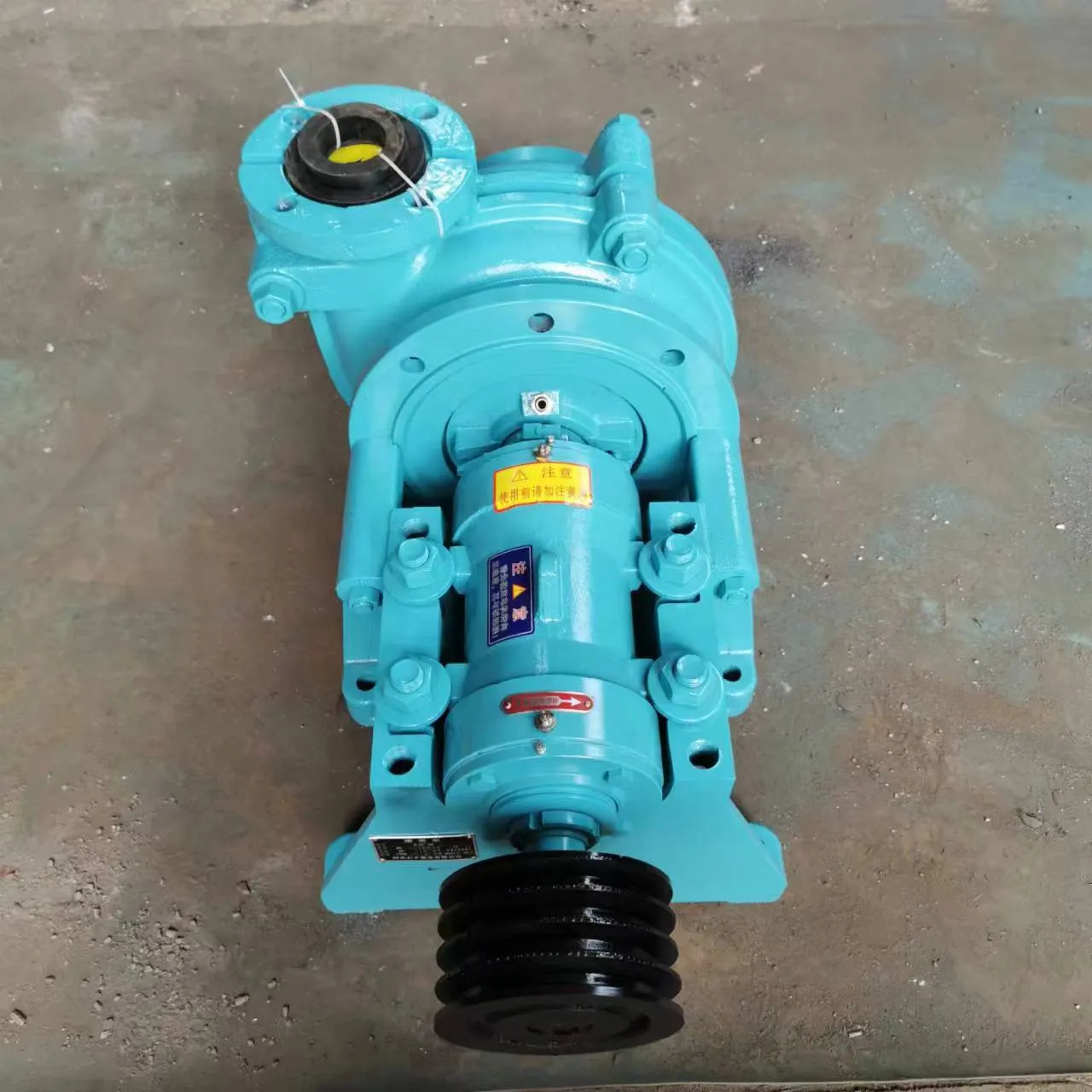
Introduction
Industrial wastewater pumps are critical components in numerous industrial processes, responsible for the efficient and reliable transfer of effluent containing diverse chemical, physical, and biological contaminants. Unlike municipal wastewater pumps handling primarily sanitary sewage, industrial applications demand pumps capable of handling highly abrasive slurries, corrosive fluids, and varying flow rates and pressures. Their technical position within the industrial chain lies between the wastewater treatment process unit and the subsequent handling (further treatment, discharge, or reuse) stages. Core performance metrics include flow rate (m³/h), total dynamic head (TDH – meters), pump efficiency (%), solids handling capability (mm), and material compatibility with the specific wastewater composition. The selection and operation of these pumps are directly linked to regulatory compliance, environmental protection, and operational cost optimization.
Material Science & Manufacturing
The construction of industrial wastewater pumps necessitates careful material selection to withstand the aggressive nature of the fluids handled. Common materials include cast iron (ASTM A48 Class 30 for housings, offering cost-effectiveness but limited corrosion resistance), stainless steel (316SS, for enhanced corrosion resistance in chloride-containing wastewaters; duplex stainless steels like 2205 offer superior performance in highly corrosive environments), and various polymers (Polypropylene (PP), Polyvinyl Chloride (PVC), and Fluoropolymers like PTFE, for handling highly acidic or alkaline solutions). Impeller materials are also crucial, with options ranging from ductile iron with protective coatings to specialized alloys. Manufacturing processes vary based on pump type and size. Centrifugal pumps commonly utilize investment casting for complex impeller geometries, followed by machining to achieve precise dimensions and surface finishes. Volute casings are often manufactured through sand casting or shell molding. Positive displacement pumps (e.g., progressing cavity pumps) involve complex machining of the stator and rotor. Key parameter control during manufacturing includes impeller balancing (to minimize vibration and extend bearing life), surface roughness control (to reduce friction and improve efficiency), and weld quality inspection (for pumps with welded components). Material certifications verifying compliance with relevant standards are essential for quality assurance. The selection of elastomers (seals, o-rings) is also paramount; materials like Viton, EPDM, and Kalrez are often chosen for their chemical resistance.
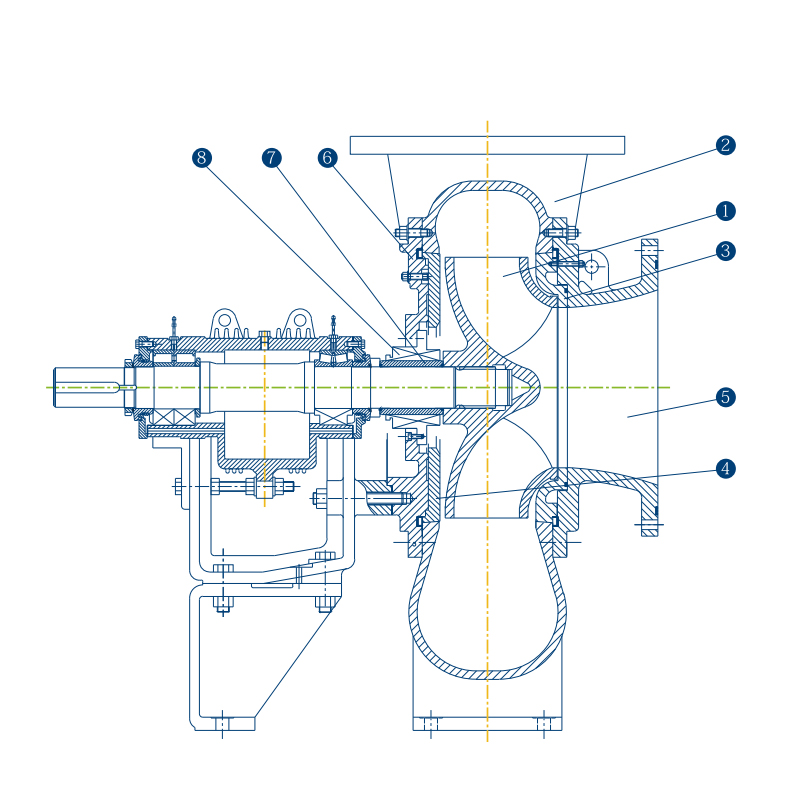
Performance & Engineering
Pump performance is dictated by hydraulic design and operational parameters. Force analysis considers hydrostatic pressure, dynamic pressure due to fluid velocity, and mechanical stresses induced by impeller rotation and casing loads. Net Positive Suction Head Required (NPSHr) is a critical parameter preventing cavitation, the formation of vapor bubbles that can damage the impeller. Environmental resistance encompasses factors like temperature variations (affecting fluid viscosity and material properties), UV exposure (degrading polymers), and potential for external corrosion. Compliance requirements are stringent, dictated by regional and national environmental regulations (e.g., EPA standards in the US, EU directives in Europe). Engineering considerations include pump curve analysis (mapping flow rate vs. head), system head loss calculations (accounting for friction in pipes and fittings), and motor sizing (ensuring adequate power for the application). The pump's hydraulic efficiency impacts energy consumption, driving the need for optimized impeller designs and minimized internal clearances. Vibration analysis is vital for predictive maintenance, identifying potential bearing failures or impeller imbalances. For pumps handling solids, wear-resistant coatings (e.g., tungsten carbide) are employed to extend component lifespan. Proper alignment of the pump and motor is essential to prevent premature wear and failure of mechanical seals and bearings.
Technical Specifications
| Pump Type | Maximum Flow Rate (m³/h) | Maximum Head (meters) | Solids Handling Capability (mm) |
|---|---|---|---|
| Centrifugal Pump | 500 | 80 | 50 |
| Submersible Pump | 200 | 60 | 30 |
| Progressing Cavity Pump | 100 | 100 | 75 |
| Diaphragm Pump | 50 | 40 | 25 |
| Vertical Turbine Pump | 600 | 120 | 40 |
| Magnetic Drive Pump | 150 | 50 | 20 |
Failure Mode & Maintenance
Common failure modes in industrial wastewater pumps include impeller erosion (due to abrasive solids), bearing failure (caused by overload, contamination, or inadequate lubrication), seal leakage (resulting from wear, chemical attack, or misalignment), corrosion (leading to material degradation), and cavitation (damaging impeller surfaces). Failure analysis typically involves visual inspection, non-destructive testing (NDT) like ultrasonic testing and radiographic inspection, and metallurgical analysis of failed components. Fatigue cracking can occur in impeller blades and pump casings due to cyclical loading. Delamination of coatings can accelerate corrosion. Degradation of elastomers leads to seal failures. Oxidation of metal components weakens structural integrity. Preventative maintenance is crucial, encompassing regular lubrication of bearings, inspection and replacement of seals, monitoring of vibration levels, and periodic cleaning of pump internals to remove accumulated solids. Scheduled overhauls (typically annually or bi-annually) involve complete disassembly, inspection, and replacement of worn components. Proper impeller balancing and alignment are key to extending pump life. Condition monitoring techniques, such as oil analysis and thermography, can provide early warning signs of potential failures. The maintenance schedule should be tailored to the specific wastewater composition and operating conditions.
Industry FAQ
Q: What are the key considerations when selecting a pump material for handling highly corrosive wastewater?
A: The primary consideration is chemical compatibility. The material must be resistant to attack by the specific chemicals present in the wastewater. Stainless steel alloys (316SS, duplex stainless steel), fluoropolymers (PTFE, PVDF), and specialized alloys (Hastelloy) are commonly used. Factors like pH, temperature, and concentration of corrosive agents must be carefully evaluated. Material certifications confirming corrosion resistance are essential.
Q: How can cavitation be prevented in centrifugal pumps handling wastewater?
A: Cavitation is prevented by ensuring adequate Net Positive Suction Head Available (NPSHa) exceeds the Net Positive Suction Head Required (NPSHr). This involves minimizing suction lift, increasing suction pipe diameter, reducing fluid viscosity (if possible), and ensuring the pump is operating within its design parameters. Impeller damage from cavitation can significantly reduce pump efficiency and lifespan.
Q: What are the advantages of using submersible pumps in wastewater applications?
A: Submersible pumps eliminate the need for suction piping, simplifying installation and reducing the risk of priming issues. They are well-suited for applications where the wastewater source is below the pump location. However, accessibility for maintenance can be more challenging compared to surface-mounted pumps.
Q: What role does pump efficiency play in long-term operating costs?
A: Pump efficiency directly impacts energy consumption. A higher efficiency pump requires less power to deliver the same flow rate and head, resulting in lower electricity bills. Investing in a high-efficiency pump, even with a higher initial cost, can provide significant cost savings over the pump's lifecycle. Proper impeller selection and maintenance are critical for maintaining high efficiency.
Q: How do progressing cavity pumps compare to centrifugal pumps in handling solids-laden wastewater?
A: Progressing cavity pumps excel at handling high concentrations of solids and viscous fluids due to their positive displacement design. Centrifugal pumps are more susceptible to clogging and wear when handling abrasive solids. However, progressing cavity pumps typically have lower flow rates and pressures compared to centrifugal pumps.
Conclusion
The selection, operation, and maintenance of industrial wastewater pumps are multifaceted engineering challenges demanding a thorough understanding of material science, hydraulic principles, and regulatory compliance. Choosing the appropriate pump type and materials based on the specific wastewater characteristics is paramount to ensuring reliable performance and minimizing operational costs. Proactive preventative maintenance, including regular inspections, lubrication, and component replacement, is crucial for maximizing pump lifespan and preventing catastrophic failures.
Looking ahead, advancements in pump technology, such as variable frequency drives (VFDs) for optimized energy consumption and the development of more corrosion-resistant materials, will continue to drive improvements in industrial wastewater management. Furthermore, the integration of condition monitoring systems and predictive maintenance techniques will enable more efficient and cost-effective pump operation. A holistic approach considering the entire wastewater treatment system, rather than focusing solely on the pump, is essential for achieving sustainable and environmentally responsible industrial practices.
-
Precision at the Pump: How Better Machining Protects Flow and Uptime
News2026-11-20
-
Why Pump Reliability Begins Before the First Drop of Fluid
News2026-11-20
-
Beyond the Pump: Designing Safer Access Around Critical Water Infrastructure
News2026-11-20
-
Why Pumping Stations Depend on the Infrastructure Beneath the Pumps
News2026-11-20
-
Beyond the Pump Room: How Smarter Loading Protects Industrial Equipment
News2026-11-19
-
When Pumps Stop: Designing More Resilient Power for Critical Pumping Systems
News2026-11-19
-
The Hidden Role of Dust and Gas Monitoring in Reliable Pump Operations
News2026-11-19
-
The Hidden Role of Mineral Compounds in Extending Industrial Pump Lifespan
News2026-10-12
-
Why Pump System Reliability Depends on Precision Hose Assembly Methods
News2026-09-15
-
How Advanced Imaging Films Are Transforming Pump Component Quality Control
News2026-08-25
-
How Advanced Filtration Protects Pump Systems from Premature Wear and Costly Downtime
News2026-08-25
-
How Steel Material Selection Drives Pump Reliability in Heavy-Duty Systems
News2026-08-25
-
Ensuring Pump System Efficiency: The Role of High-Quality Pipe Fittings and Tubing
News2026-08-24
-
Optimizing Fluid Dynamics and Material Consistency in Industrial Processing
News2026-08-18
-
Innovations and Challenges in Hydraulic Systems for Heavy Machinery
News2026-08-13




