English
- Afrikaans
- Albanian
- Amharic
- Arabic
- Armenian
- Azerbaijani
- Basque
- Belarusian
- Bengali
- Bosnian
- Bulgarian
- Catalan
- Cebuano
- Corsican
- Croatian
- Czech
- Danish
- Dutch
- English
- Esperanto
- Estonian
- Finnish
- French
- Frisian
- Galician
- Georgian
- German
- Greek
- Gujarati
- Haitian Creole
- hausa
- hawaiian
- Hebrew
- Hindi
- Miao
- Hungarian
- Icelandic
- igbo
- Indonesian
- irish
- Italian
- Japanese
- Javanese
- Kannada
- kazakh
- Khmer
- Rwandese
- Korean
- Kurdish
- Kyrgyz
- Lao
- Latin
- Latvian
- Lithuanian
- Luxembourgish
- Macedonian
- Malgashi
- Malay
- Malayalam
- Maltese
- Maori
- Marathi
- Mongolian
- Myanmar
- Nepali
- Norwegian
- Norwegian
- Occitan
- Pashto
- Persian
- Polish
- Portuguese
- Punjabi
- Romanian
- Russian
- Samoan
- Scottish Gaelic
- Serbian
- Sesotho
- Shona
- Sindhi
- Sinhala
- Slovak
- Slovenian
- Somali
- Spanish
- Sundanese
- Swahili
- Swedish
- Tagalog
- Tajik
- Tamil
- Tatar
- Telugu
- Thai
- Turkish
- Turkmen
- Ukrainian
- Urdu
- Uighur
- Uzbek
- Vietnamese
- Welsh
- Bantu
- Yiddish
- Yoruba
- Zulu

Telephone: +86 13120555503
Email: frank@cypump.com


Apr . 01, 2024 17:55 Back to list
industrial submersible water pump Material Science
Introduction
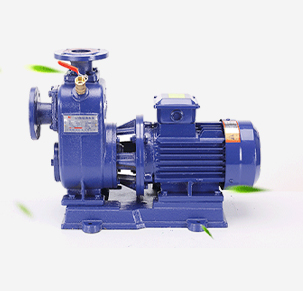
Industrial submersible water pumps are centrifugal pumps specifically designed for fully submerged operation. They represent a critical component in numerous industrial processes, including wastewater treatment, mining, dewatering construction sites, and supplying cooling water for power generation. Unlike surface-mounted pumps which rely on suction, submersible pumps push water to the surface, eliminating priming issues and maximizing efficiency in deep well or large volume applications. Their robust construction and sealed motor design are key differentiators, offering protection from corrosive environments and ensuring reliable, continuous operation. The increasing demand for efficient water management and stringent environmental regulations drives continued innovation in submersible pump technology, focusing on energy efficiency, durability, and reduced maintenance requirements. A primary pain point within the industry lies in the balance between pump longevity, total cost of ownership (TCO), and the ability to handle abrasive or chemically aggressive fluids without premature failure.
Material Science & Manufacturing
The core components of an industrial submersible pump demand specific material selection to withstand harsh operational environments. Pump housings are commonly constructed from cast iron (ASTM A48 Class 30), stainless steel (304, 316, or duplex stainless steel for enhanced corrosion resistance – ASTM A240), or high-density polyethylene (HDPE) for chemical resistance. Impellers, responsible for generating hydraulic force, are typically manufactured from cast iron, bronze (ASTM B584), or specialized polymers reinforced with glass fibers for improved wear resistance. Shafts require high-strength alloy steels (4140 or 4340 - ASTM A276) and undergo surface hardening processes like induction hardening to resist torsional stress and wear. Seals are critical and employ materials like Viton (fluoroelastomer), EPDM, or PTFE, chosen based on the fluid compatibility.
Manufacturing processes vary depending on component complexity. Housing casting utilizes sand casting or investment casting for intricate geometries. Impellers are often manufactured via centrifugal casting or precision machining. Shafts are forged, heat-treated, and precision ground. Motor housings typically employ die-casting of aluminum alloys (A380 - ASTM B85). Critical parameter control during manufacturing includes dimensional accuracy (achieved through CNC machining and quality control using Coordinate Measuring Machines - CMMs), surface finish (to minimize friction and cavitation), and weld integrity (for joined components – AWS D1.1 welding standard). Motor winding insulation relies on epoxy resins and specialized varnishes to prevent electrical shorts in submerged conditions (IEC 60034-18-41 standard for insulation systems). The assembly process requires stringent quality control to ensure proper sealing, component alignment, and electrical connection integrity.

Performance & Engineering
Performance of industrial submersible pumps hinges on hydraulic efficiency, head pressure, flow rate, and power consumption. Force analysis involves calculating hydrostatic pressure, dynamic pressure generated by the impeller, and frictional losses within the pump and discharge piping. Pump selection necessitates careful consideration of the system head (static lift + friction losses) and required flow rate to match application demands. Environmental resistance is paramount; pump materials must withstand temperature extremes, corrosive fluids, and potential abrasive particles. Compliance requirements include adherence to hydraulic institute standards (HI) for pump performance testing and efficiency ratings.
Functional implementation demands proper motor sizing to handle the pump's power requirements, coupled with appropriate motor control systems (Variable Frequency Drives - VFDs) for optimized performance and energy savings. Cable selection is crucial; submersible cables must be oil-resistant, water-tight, and capable of handling the required electrical current (IEC 60502 standard for power cables). Pump installations require consideration of intake screening to prevent debris from entering the pump, and proper discharge piping design to minimize friction losses and water hammer. Furthermore, the pump's mechanical design must account for axial and radial thrust forces generated by the impeller, often utilizing bearings and thrust balancing devices to ensure longevity and prevent premature failure. Regular monitoring of vibration levels and motor current can provide early indication of potential issues.
Technical Specifications
| Parameter | Unit | Typical Value (Small Pump) | Typical Value (Large Pump) |
|---|---|---|---|
| Flow Rate | m³/h | 5 - 20 | 100 - 500 |
| Head (Total Dynamic) | m | 10 - 30 | 50 - 150 |
| Power Input | kW | 0.75 - 2.2 | 15 - 75 |
| Impeller Diameter | mm | 100 - 200 | 300 - 600 |
| Maximum Submergence | m | 5 - 15 | 20 - 50 |
| Fluid Temperature Range | °C | 0 - 40 | 0 - 60 |
Failure Mode & Maintenance
Industrial submersible pump failures typically stem from mechanical wear, electrical faults, or environmental degradation. Common failure modes include impeller wear due to abrasive particles, seal failure leading to water ingress or fluid leakage, bearing failure due to overload or inadequate lubrication, motor winding insulation breakdown resulting in short circuits, and cable damage causing electrical failures. Fatigue cracking can occur in the pump housing or impeller under cyclical loading. Delamination of the motor winding insulation can result from thermal cycling and chemical attack. Corrosion, particularly in saltwater or acidic environments, accelerates material degradation. Oxidation of electrical contacts leads to increased resistance and potential failures.
Preventative maintenance is crucial. Regular inspection of seals, bearings, and cables is essential. Lubrication of bearings according to manufacturer’s specifications extends their lifespan. Periodic testing of motor winding insulation resistance (Megger testing – IEEE 43 standard) identifies potential insulation breakdown. Monitoring of vibration levels and motor current helps detect early signs of mechanical issues. Cleaning of the pump intake screen prevents debris accumulation. For pumps handling abrasive fluids, implementing wear-resistant coatings or utilizing sacrificial liners can extend component life. In case of failure, thorough failure analysis is recommended to identify the root cause and prevent recurrence. Seal replacement, bearing replacement, and motor rewinding are common repair procedures. For severe corrosion or cracking, component replacement may be necessary.
Industry FAQ
Q: What is the impact of solids content in the fluid on pump selection and lifespan?
A: High solids content significantly impacts pump selection. Pumps handling fluids with substantial solids require robust impeller designs (e.g., vortex impellers) to minimize clogging and wear. Abrasive solids accelerate impeller and housing wear, necessitating the use of wear-resistant materials and potentially shorter maintenance intervals. Proper intake screening is critical to reduce the concentration of solids entering the pump.
Q: How does water quality (pH, salinity) influence material selection for submersible pumps?
A: Water quality is a primary driver of material selection. Low pH (acidic) fluids require corrosion-resistant materials like stainless steel (316) or specialized alloys. High salinity (saltwater) necessitates materials resistant to chloride-induced corrosion. Regular monitoring of water quality and selecting appropriate materials are crucial for pump longevity.
Q: What are the benefits of utilizing Variable Frequency Drives (VFDs) with submersible pumps?
A: VFDs offer significant benefits, including energy savings by adjusting pump speed to match demand, reduced mechanical stress on the pump and piping system, and improved process control. VFDs also allow for soft starting and stopping, minimizing water hammer and extending pump life.
Q: What are the key considerations for submersible pump cable installation and maintenance?
A: Submersible pump cables require careful installation to prevent damage. Cables should be properly supported and protected from abrasion. Regular inspection for cracks, cuts, and corrosion is essential. Insulation resistance testing should be performed periodically to identify potential failures. Proper sealing of cable connections prevents water ingress.
Q: What are the common causes of motor overheating in submersible pumps, and how can they be prevented?
A: Motor overheating can be caused by several factors, including overloading, insufficient cooling (due to reduced fluid flow or clogged cooling passages), and insulation breakdown. Prevention involves proper motor sizing, ensuring adequate fluid flow around the motor, regular cleaning of cooling passages, and periodic insulation resistance testing.
Conclusion
Industrial submersible water pumps are indispensable components in a wide array of industrial applications, offering reliable and efficient fluid handling capabilities. Their selection and operation demand a thorough understanding of material science, hydraulic principles, and electrical engineering. Addressing the inherent challenges related to abrasive fluids, corrosive environments, and potential failure modes requires proactive maintenance strategies and careful attention to system design.
Ongoing innovation in pump technology, driven by the need for increased energy efficiency, reduced lifecycle costs, and enhanced reliability, continues to refine these critical industrial assets. Future developments will likely focus on advanced materials, intelligent control systems, and predictive maintenance techniques to further optimize performance and minimize downtime. A holistic approach encompassing proper specification, installation, and maintenance remains paramount to maximizing the return on investment in these essential pieces of industrial equipment.
-
Comprehensive Guide to Waterproof ORings for Optimal Sealing Solutions
News2026-06-09
-
submergable pump Material Science
News2026-06-23
-
sewer injection pump Performance Engineering
News2026-06-23
-
Sewer Ejector Pump System Performance Analysis
News2026-06-23
-
septic tank pump for sale Performance Engineering
News2026-06-23
-
septic pump for sale Performance Engineering
News2026-06-23
-
septic ejector system Performance Analysis
News2026-06-22
-
replace septic pump Performance Analysis
News2026-06-22
-
pump system septic tank Performance Analysis
News2026-06-22
-
lift pump for sewer Performance and Engineering
News2026-06-22
-
industrial submersible water pump Material Science
News2026-06-22
-
industrial submersible pumps Material Science and Manufacturing
News2026-06-21
-
best sewer ejector pump Performance Analysis
News2026-06-21
-
best septic pump Performance Analysis
News2026-06-21
-
1 2 hp septic pump Performance Engineering
News2026-06-21




