English
- Afrikaans
- Albanian
- Amharic
- Arabic
- Armenian
- Azerbaijani
- Basque
- Belarusian
- Bengali
- Bosnian
- Bulgarian
- Catalan
- Cebuano
- Corsican
- Croatian
- Czech
- Danish
- Dutch
- English
- Esperanto
- Estonian
- Finnish
- French
- Frisian
- Galician
- Georgian
- German
- Greek
- Gujarati
- Haitian Creole
- hausa
- hawaiian
- Hebrew
- Hindi
- Miao
- Hungarian
- Icelandic
- igbo
- Indonesian
- irish
- Italian
- Japanese
- Javanese
- Kannada
- kazakh
- Khmer
- Rwandese
- Korean
- Kurdish
- Kyrgyz
- Lao
- Latin
- Latvian
- Lithuanian
- Luxembourgish
- Macedonian
- Malgashi
- Malay
- Malayalam
- Maltese
- Maori
- Marathi
- Mongolian
- Myanmar
- Nepali
- Norwegian
- Norwegian
- Occitan
- Pashto
- Persian
- Polish
- Portuguese
- Punjabi
- Romanian
- Russian
- Samoan
- Scottish Gaelic
- Serbian
- Sesotho
- Shona
- Sindhi
- Sinhala
- Slovak
- Slovenian
- Somali
- Spanish
- Sundanese
- Swahili
- Swedish
- Tagalog
- Tajik
- Tamil
- Tatar
- Telugu
- Thai
- Turkish
- Turkmen
- Ukrainian
- Urdu
- Uighur
- Uzbek
- Vietnamese
- Welsh
- Bantu
- Yiddish
- Yoruba
- Zulu

Telephone: +86 13120555503
Email: frank@cypump.com


Apr . 01, 2024 17:55 Back to list
industrial submersible sump pump Performance and Engineering
Introduction
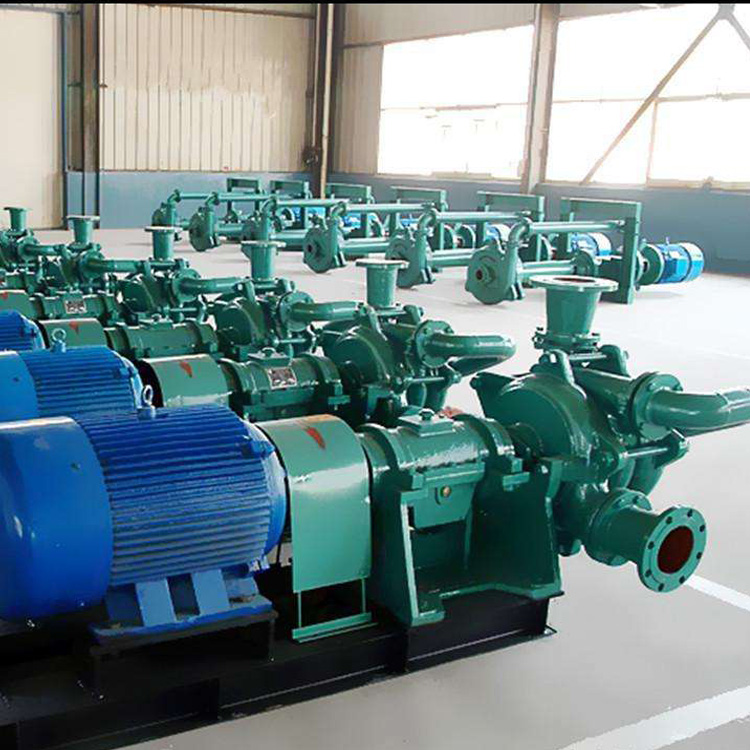
Industrial submersible sump pumps are centrifugal pumps specifically designed for submerged operation in harsh environments, typically involving the removal of wastewater, effluent, or process fluids. Positioned within the industrial fluid handling chain, these pumps serve a critical role in maintaining operational efficiency, preventing process disruptions, and ensuring environmental compliance. Unlike surface-mounted pumps, submersible designs eliminate the need for priming and minimize noise pollution. Core performance characteristics center around flow rate (measured in gallons per minute or liters per second), head (the vertical distance the pump can lift fluid, measured in feet or meters), solids handling capability (particle size and concentration), and electrical efficiency. These parameters are directly impacted by impeller design, motor selection, and materials of construction. A key industry pain point lies in selecting pumps capable of consistently handling abrasive slurries, chemically aggressive fluids, and high temperatures without premature failure or requiring frequent maintenance.
Material Science & Manufacturing
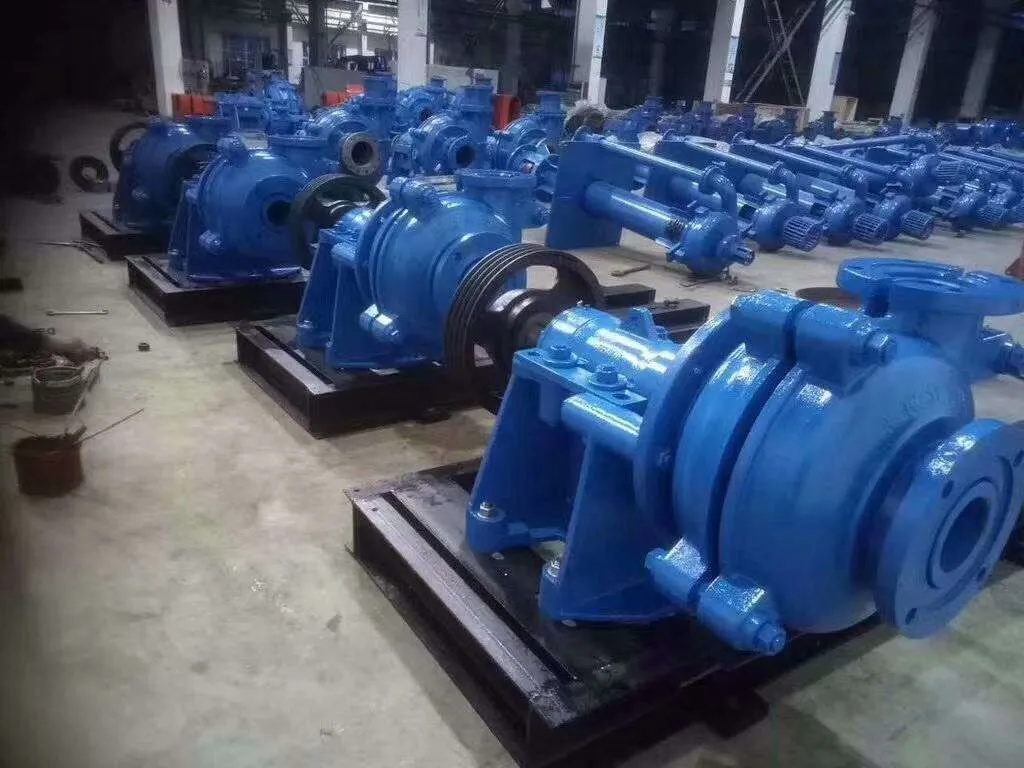
The construction of industrial submersible sump pumps relies heavily on robust materials chosen for their corrosion resistance and mechanical strength. Pump housings are commonly manufactured from cast iron (ASTM A48 Class 30), stainless steel (304, 316, or duplex stainless steel for increased chloride resistance - ASTM A240), or engineered polymers like polypropylene (PP) or polyvinylidene fluoride (PVDF) depending on the fluid being pumped. Impellers can be similarly constructed, with high-chrome iron alloys often used for abrasive slurry applications to maximize wear resistance. Shafts are typically made from high-strength stainless steel (410, 420) and undergo heat treatment to enhance durability. Seals, critical for preventing leakage, are often comprised of silicon carbide (SiC) or tungsten carbide (WC) mechanical seals, selected for their hardness and chemical inertness. Manufacturing processes include sand casting for housings, investment casting for impellers requiring complex geometries, and CNC machining for precision components like shafts and wear plates. Welding processes, particularly submerged arc welding (SAW) and gas metal arc welding (GMAW), are employed for joining metal components. Parameter control during welding is paramount; specifically, maintaining appropriate heat input to prevent distortion and ensuring complete penetration to avoid weld defects. The epoxy coating applied to the exterior of many pumps (meeting standards like ASTM D7091) provides an additional layer of corrosion protection. Motor housings necessitate stringent quality control during the casting and painting process to ensure environmental sealing.
Performance & Engineering
The performance of an industrial submersible sump pump is fundamentally governed by hydraulic principles and motor characteristics. Force analysis centers on the impeller’s interaction with the fluid, generating centrifugal force to increase fluid velocity and pressure. The pump’s head-capacity curve dictates the relationship between flow rate and discharge pressure. Engineering considerations include the selection of appropriate impeller geometry (radial, mixed flow, or axial) based on the fluid’s viscosity and solids content. Environmental resistance is critical; pumps must withstand continuous immersion in corrosive fluids and fluctuating temperatures. Electrical insulation must conform to IEC 60034-1 standards to prevent short circuits and ensure operator safety. Compliance requirements often mandate adherence to ATEX directives for use in potentially explosive atmospheres. Pump curves are generated through computational fluid dynamics (CFD) simulations and physical testing (following standards like ISO 9906) to verify performance characteristics. Bearing selection is crucial for long-term reliability; deep groove ball bearings or tapered roller bearings are commonly employed, lubricated with grease resistant to high temperatures and water washout. Cable entry points require robust sealing (IP68 rated) to prevent water ingress and maintain electrical integrity. Motor selection considers factors such as power requirements, voltage, frequency, and enclosure type (open drip-proof, totally enclosed fan-cooled).
Technical Specifications
| Parameter | Unit | Typical Range (Small Industrial) | Typical Range (Large Industrial) |
|---|---|---|---|
| Flow Rate | GPM | 50-200 | 500-2000 |
| Total Dynamic Head | ft | 20-80 | 100-300 |
| Motor Power | HP | 1-5 | 10-50 |
| Solids Handling | in | Up to 1.5 | Up to 3.0 |
| Discharge Size | in | 2-4 | 6-12 |
| Maximum Submergence | ft | 30 | 100 |
Failure Mode & Maintenance
Industrial submersible sump pumps are susceptible to several failure modes. Fatigue cracking in the pump housing can occur due to cyclic loading and stress concentrations, particularly around weld points. Impeller erosion, common in abrasive slurry applications, leads to reduced pump efficiency and flow rate. Mechanical seal failure results in leakage and potential motor damage. Bearing failure, often caused by improper lubrication or contamination, generates excessive noise and vibration. Cable degradation due to chemical attack or physical damage can cause electrical shorts and pump failure. Corrosion, especially in seawater or acidic environments, compromises the structural integrity of pump components. Degradation of the elastomeric components (seals, gaskets) due to chemical exposure or temperature extremes leads to leakage. Oxidation of metallic parts can reduce material strength. Preventive maintenance includes regular visual inspections for leaks, corrosion, and cable damage. Scheduled lubrication of bearings and seal replacement are critical. Monitoring motor current and vibration levels can detect early signs of failure. Periodic cleaning of the pump intake and impeller to remove debris prevents clogging and maintains pump performance. The use of corrosion inhibitors in the pumped fluid can mitigate corrosion issues. Detailed maintenance logs, tracking component replacement and repair history, are essential for proactive maintenance planning.
Industry FAQ
Q: What is the optimal material selection for a sump pump handling a highly abrasive slurry containing silica?
A: For highly abrasive slurries containing silica, a high-chrome iron alloy (typically with 13-18% chromium content) is the most suitable material for the impeller and wear plates. The high chromium content forms hard carbides which resist abrasion. The pump housing should be constructed from a robust material like ductile iron with a hard coating or alternatively, stainless steel. Regular inspection and replacement of these wear components are crucial to maintain pump efficiency and prevent catastrophic failure.
Q: How do I determine the appropriate pump size (flow rate and head) for my application?
A: Determining the appropriate pump size requires a detailed system analysis. You need to calculate the total dynamic head (TDH), which includes static lift, friction losses in the piping, and pressure at the discharge point. The required flow rate is determined by the volume of fluid that needs to be pumped per unit of time. Using a pump curve from a reputable manufacturer, select a pump that delivers the required flow rate at the calculated TDH. Always factor in a safety margin (typically 10-20%) to account for variations in system conditions.
Q: What are the key considerations when selecting a submersible pump for use in an explosive atmosphere?
A: When selecting a pump for use in an explosive atmosphere, adherence to ATEX directives (or equivalent regional standards) is paramount. The pump must be certified for the specific zone in which it will be installed. This certification ensures that the pump’s electrical components and enclosure are designed to prevent ignition of flammable gases or vapors. Additionally, the pump’s materials of construction must be compatible with the hazardous substances present.
Q: What are the common causes of mechanical seal failure in submersible sump pumps?
A: Common causes of mechanical seal failure include abrasive particles between the seal faces, dry running (operation without sufficient fluid lubrication), chemical incompatibility between the seal material and the pumped fluid, excessive pressure or temperature fluctuations, and improper installation. Regular inspection of the seal and the pumped fluid for contaminants is essential. Maintaining adequate fluid levels and ensuring chemical compatibility are also crucial for preventing seal failure.
Q: How often should the motor bearings in a submersible sump pump be inspected and lubricated?
A: The frequency of bearing inspection and lubrication depends on the pump's operating conditions and manufacturer recommendations. As a general guideline, bearings should be inspected every 6-12 months, and lubricated as needed. In harsh environments or with continuous operation, more frequent inspection and lubrication may be required. Use a grease specifically designed for submersible motor bearings, and follow the manufacturer’s instructions for grease type and quantity.
Conclusion
Industrial submersible sump pumps are indispensable components in various industrial processes, providing reliable and efficient fluid handling solutions. Their performance is heavily reliant on material selection, robust manufacturing processes, and adherence to stringent engineering principles. Understanding potential failure modes and implementing a proactive maintenance program are essential for maximizing pump lifespan and minimizing downtime. The selection process requires careful consideration of application-specific parameters, including fluid composition, solids content, temperature, and environmental conditions.
Future advancements in pump technology are likely to focus on enhanced materials offering improved corrosion and abrasion resistance, intelligent monitoring systems for predictive maintenance, and more energy-efficient motor designs. Optimization of impeller geometries through advanced CFD simulations will continue to improve hydraulic performance. The integration of IoT sensors will enable real-time monitoring of pump operating conditions, facilitating data-driven maintenance decisions and maximizing operational reliability.
-
Precision at the Pump: How Better Machining Protects Flow and Uptime
News2026-11-20
-
Why Pump Reliability Begins Before the First Drop of Fluid
News2026-11-20
-
Beyond the Pump: Designing Safer Access Around Critical Water Infrastructure
News2026-11-20
-
Why Pumping Stations Depend on the Infrastructure Beneath the Pumps
News2026-11-20
-
Beyond the Pump Room: How Smarter Loading Protects Industrial Equipment
News2026-11-19
-
When Pumps Stop: Designing More Resilient Power for Critical Pumping Systems
News2026-11-19
-
The Hidden Role of Dust and Gas Monitoring in Reliable Pump Operations
News2026-11-19
-
The Hidden Role of Mineral Compounds in Extending Industrial Pump Lifespan
News2026-10-12
-
Why Pump System Reliability Depends on Precision Hose Assembly Methods
News2026-09-15
-
How Advanced Imaging Films Are Transforming Pump Component Quality Control
News2026-08-25
-
How Advanced Filtration Protects Pump Systems from Premature Wear and Costly Downtime
News2026-08-25
-
How Steel Material Selection Drives Pump Reliability in Heavy-Duty Systems
News2026-08-25
-
Ensuring Pump System Efficiency: The Role of High-Quality Pipe Fittings and Tubing
News2026-08-24
-
Optimizing Fluid Dynamics and Material Consistency in Industrial Processing
News2026-08-18
-
Innovations and Challenges in Hydraulic Systems for Heavy Machinery
News2026-08-13




