English
- Afrikaans
- Albanian
- Amharic
- Arabic
- Armenian
- Azerbaijani
- Basque
- Belarusian
- Bengali
- Bosnian
- Bulgarian
- Catalan
- Cebuano
- Corsican
- Croatian
- Czech
- Danish
- Dutch
- English
- Esperanto
- Estonian
- Finnish
- French
- Frisian
- Galician
- Georgian
- German
- Greek
- Gujarati
- Haitian Creole
- hausa
- hawaiian
- Hebrew
- Hindi
- Miao
- Hungarian
- Icelandic
- igbo
- Indonesian
- irish
- Italian
- Japanese
- Javanese
- Kannada
- kazakh
- Khmer
- Rwandese
- Korean
- Kurdish
- Kyrgyz
- Lao
- Latin
- Latvian
- Lithuanian
- Luxembourgish
- Macedonian
- Malgashi
- Malay
- Malayalam
- Maltese
- Maori
- Marathi
- Mongolian
- Myanmar
- Nepali
- Norwegian
- Norwegian
- Occitan
- Pashto
- Persian
- Polish
- Portuguese
- Punjabi
- Romanian
- Russian
- Samoan
- Scottish Gaelic
- Serbian
- Sesotho
- Shona
- Sindhi
- Sinhala
- Slovak
- Slovenian
- Somali
- Spanish
- Sundanese
- Swahili
- Swedish
- Tagalog
- Tajik
- Tamil
- Tatar
- Telugu
- Thai
- Turkish
- Turkmen
- Ukrainian
- Urdu
- Uighur
- Uzbek
- Vietnamese
- Welsh
- Bantu
- Yiddish
- Yoruba
- Zulu

Telephone: +86 13120555503
Email: frank@cypump.com


Apr . 01, 2024 17:55 Back to list
industrial submersible pumps Material Science and Manufacturing
Introduction
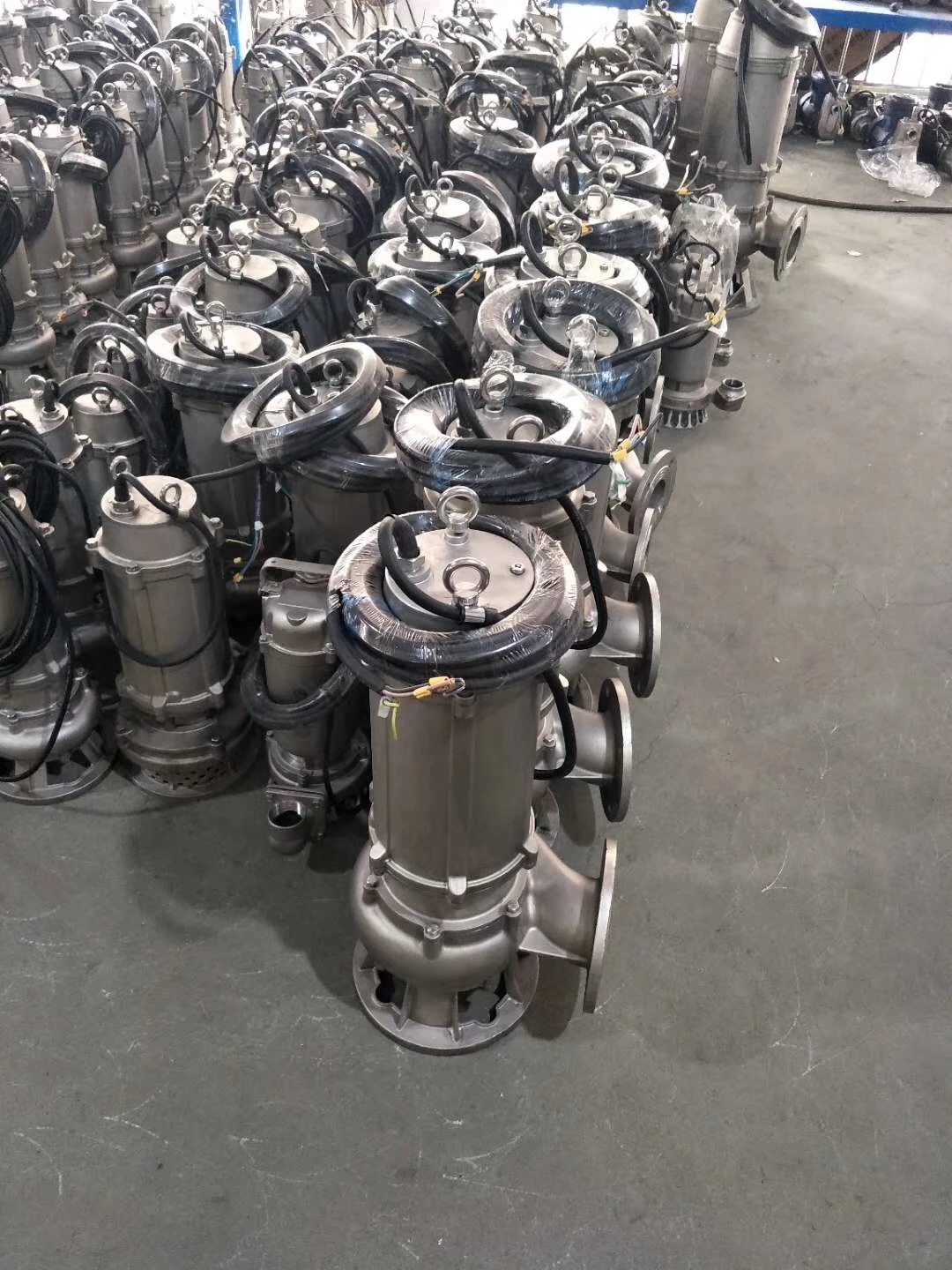
Industrial submersible pumps are centrifugal pumps specifically designed for complete immersion in the fluid being pumped. They represent a critical component in a wide array of industrial applications, including wastewater treatment, mining, quarrying, dewatering, and oil & gas extraction. Distinguished by their compact design and direct coupling to an electric motor, they eliminate the need for surface-mounted priming and offer significant advantages in efficiency and operational reliability when compared to traditional surface pumps, especially in challenging environments. Their position in the industry chain is post-process – utilized to manage fluid transfer after the core production or extraction process. Core performance parameters revolve around hydraulic efficiency (percentage of input power converted to fluid energy), head (maximum height the pump can lift fluid), flow rate (volume of fluid moved per unit time), and solids handling capability (maximum particle size the pump can process without clogging or damage). Addressing the industry's pain point of maintaining flow in fluctuating or difficult-to-access locations is central to their value proposition.
Material Science & Manufacturing
The construction of industrial submersible pumps necessitates a careful selection of materials to withstand corrosive environments, abrasive solids, and high mechanical stresses. Pump casings are commonly fabricated from ductile iron (ASTM A536-83) due to its excellent tensile strength, impact resistance, and machinability. However, for highly corrosive applications, stainless steel alloys (304, 316, or duplex stainless steel like 2205) are employed, offering superior resistance to chloride pitting and crevice corrosion. Impellers, the rotating components responsible for generating fluid flow, often utilize high-chrome iron alloys or specialized polymer composites to maximize abrasion resistance, particularly in applications handling slurries. Shafts are generally constructed from high-strength alloy steel (4140 or 4340) and undergo rigorous heat treatment to enhance fatigue resistance. Elastomeric components, such as seals and O-rings, utilize materials like nitrile rubber (NBR), Viton (FKM), or ethylene propylene diene monomer (EPDM) based on the fluid chemistry and temperature ranges.
Manufacturing processes begin with casting or forging of the casing and impeller. The impeller undergoes precision machining and balancing to minimize vibration and maximize hydraulic efficiency. Welding, typically using shielded metal arc welding (SMAW) or gas tungsten arc welding (GTAW), joins various components, demanding strict adherence to welding procedures (AWS D1.1) and non-destructive testing (NDT) methods like radiography or ultrasonic testing to ensure weld integrity. The electric motor is encapsulated within a watertight housing, often utilizing epoxy resin or polyurethane potting compounds to provide electrical insulation and mechanical protection. Critical parameter control includes dimensional accuracy of impeller vanes (verified via coordinate measuring machines – CMMs), material hardness (Rockwell hardness testing), and coating thickness (for corrosion-resistant coatings like epoxy or ceramic linings). Quality control throughout the manufacturing process is vital to prevent premature failure.
Performance & Engineering
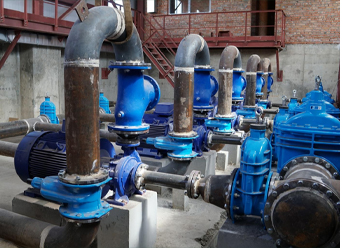
The performance of an industrial submersible pump is governed by fundamental hydraulic principles and engineering considerations. Force analysis focuses on radial and axial thrust loads imposed on the impeller shaft by the fluid pressure. Bearing selection (deep groove ball bearings or angular contact ball bearings) is critical to accommodate these loads and ensure smooth, reliable operation. Cavitation, the formation and collapse of vapor bubbles within the pump, is a significant concern, particularly at high pump speeds or low suction pressures. Net Positive Suction Head Required (NPSHr) must be carefully calculated and compared to the Net Positive Suction Head Available (NPSHa) to prevent cavitation damage. Environmental resistance is crucial; the pump must withstand temperature extremes, chemical exposure, and the potential for abrasion from suspended solids. Coatings and material selection directly influence this resistance.
Compliance requirements vary depending on the application. For potable water applications, pumps must meet NSF/ANSI 61 standards for lead content and material safety. For hazardous locations (e.g., oil & gas), pumps must be certified for use in explosive atmospheres, adhering to ATEX or IECEx standards. Hydraulic Institute (HI) standards define pump performance testing procedures and classification. Functional implementation necessitates careful consideration of pump curves (head vs. flow rate), system headloss calculations, and proper pipe sizing to optimize efficiency and prevent system bottlenecks. Variable Frequency Drives (VFDs) are frequently integrated to control pump speed and flow rate, adapting to fluctuating demand and reducing energy consumption.
Technical Specifications
| Parameter | Unit | Typical Range (Small Pump) | Typical Range (Large Pump) |
|---|---|---|---|
| Flow Rate | m³/h | 0.5 - 10 | 50 - 500 |
| Total Dynamic Head | m | 5 - 30 | 50 - 200 |
| Motor Power | kW | 0.75 - 7.5 | 30 - 300 |
| Solids Handling Capacity | mm | 6 - 12 | 25 - 75 |
| Maximum Submergence Depth | m | 5 - 20 | 20 - 100 |
| Fluid Temperature Range | °C | -10 to 60 | -20 to 100 |
Failure Mode & Maintenance
Industrial submersible pumps are susceptible to various failure modes depending on the application and operating conditions. Fatigue cracking in the impeller or casing can occur due to cyclic loading and vibration, often exacerbated by cavitation. Delamination of protective coatings, such as epoxy linings, can lead to corrosion and erosion of the underlying metal. Seal failure is a common issue, resulting in water ingress into the motor or fluid leakage into the surrounding environment. Bearing failure, characterized by excessive noise or vibration, can be caused by inadequate lubrication, contamination, or overloading. Degradation of elastomeric components (seals, O-rings) due to chemical attack or temperature extremes also leads to failure. Oxidation of electrical components, particularly in marine environments, can cause motor burnout.
Preventive maintenance is critical for extending pump lifespan and minimizing downtime. Regular inspections should include visual checks for corrosion, leaks, and coating damage. Lubrication of bearings should be performed according to manufacturer's recommendations. Electrical connections should be inspected for corrosion and tightness. The pump's performance should be monitored regularly, tracking flow rate, pressure, and motor current to identify potential issues early on. Periodic vibration analysis can detect bearing wear or impeller imbalance. In the event of a failure, a thorough failure analysis should be conducted to determine the root cause and implement corrective actions. This may involve metallurgical analysis of fractured components or chemical analysis of failed seals. Replacement of worn parts with OEM-specified components is crucial to maintain performance and reliability.
Industry FAQ
Q: What are the primary considerations when selecting a submersible pump for handling abrasive slurries?
A: When handling abrasive slurries, the primary considerations are abrasion resistance and solids handling capability. Selecting pumps with high-chrome iron impellers or ceramic-lined casings is crucial. The impeller design should incorporate a recessed or open impeller configuration to minimize wear and clogging. Regular inspection and replacement of wear parts, such as impellers and liners, are essential. Furthermore, the pump's mechanical seals need to be designed to tolerate the abrasive particles.
Q: How does the specific gravity of the pumped fluid affect pump performance?
A: Increased fluid specific gravity directly impacts pump head and power requirements. A higher specific gravity increases the density of the fluid, leading to a greater hydraulic load on the pump. This results in a reduction in pump head and an increase in the required motor power to maintain the desired flow rate. Pump curves are typically provided for water (specific gravity of 1.0); adjustments must be made based on the actual fluid’s specific gravity.
Q: What are the implications of operating a submersible pump outside its recommended operating range?
A: Operating a submersible pump outside its recommended operating range can lead to several issues. Running the pump at too high a head can cause motor overload and overheating. Operating at too low a head can lead to increased turbulence and cavitation. Excessive flow rates can erode impeller vanes and reduce pump efficiency. Continuous operation outside the specified range significantly shortens pump life and increases the risk of catastrophic failure.
Q: What is the role of the power cable in submersible pump applications and what failure modes are common?
A: The power cable serves as the critical electrical connection between the pump and the power source. It's specifically designed to be watertight and resistant to chemical attack. Common failure modes include cable insulation breakdown due to aging, abrasion, or chemical exposure; connector corrosion leading to increased resistance; and physical damage during installation or operation. Regular cable inspection and replacement when necessary are vital for safety and reliability.
Q: What preventative measures can be taken to mitigate corrosion in submersible pumps operating in saltwater environments?
A: Mitigating corrosion in saltwater environments requires a multi-faceted approach. Utilizing pumps constructed from corrosion-resistant materials like duplex stainless steel, super duplex stainless steel, or specialized alloys is paramount. Applying protective coatings like epoxy or polyurethane can provide an additional barrier against corrosion. Implementing cathodic protection systems can further reduce corrosion rates. Regular inspection and cleaning of pump components to remove salt deposits are also crucial.
Conclusion
Industrial submersible pumps provide a robust and efficient solution for fluid transfer in a diverse range of challenging applications. Their inherent design benefits, including compact size, direct coupling, and adaptability to difficult-to-access locations, address critical pain points across multiple industries. A thorough understanding of the material science underpinning pump construction, coupled with adherence to established manufacturing processes and stringent quality control, is paramount for ensuring long-term reliability and performance.
The future of submersible pump technology will likely focus on enhancing energy efficiency through the integration of advanced motor designs and intelligent control systems. Furthermore, advancements in materials science will yield pumps capable of withstanding even more corrosive and abrasive environments. Continuous monitoring and predictive maintenance strategies, enabled by IoT sensors and data analytics, will further optimize pump operation and minimize downtime, solidifying their position as an indispensable component of modern industrial infrastructure.
-
Comprehensive Guide to Waterproof ORings for Optimal Sealing Solutions
News2026-06-09
-
submergable pump Material Science
News2026-06-23
-
sewer injection pump Performance Engineering
News2026-06-23
-
Sewer Ejector Pump System Performance Analysis
News2026-06-23
-
septic tank pump for sale Performance Engineering
News2026-06-23
-
septic pump for sale Performance Engineering
News2026-06-23
-
septic ejector system Performance Analysis
News2026-06-22
-
replace septic pump Performance Analysis
News2026-06-22
-
pump system septic tank Performance Analysis
News2026-06-22
-
lift pump for sewer Performance and Engineering
News2026-06-22
-
industrial submersible water pump Material Science
News2026-06-22
-
industrial submersible pumps Material Science and Manufacturing
News2026-06-21
-
best sewer ejector pump Performance Analysis
News2026-06-21
-
best septic pump Performance Analysis
News2026-06-21
-
1 2 hp septic pump Performance Engineering
News2026-06-21




