English
- Afrikaans
- Albanian
- Amharic
- Arabic
- Armenian
- Azerbaijani
- Basque
- Belarusian
- Bengali
- Bosnian
- Bulgarian
- Catalan
- Cebuano
- Corsican
- Croatian
- Czech
- Danish
- Dutch
- English
- Esperanto
- Estonian
- Finnish
- French
- Frisian
- Galician
- Georgian
- German
- Greek
- Gujarati
- Haitian Creole
- hausa
- hawaiian
- Hebrew
- Hindi
- Miao
- Hungarian
- Icelandic
- igbo
- Indonesian
- irish
- Italian
- Japanese
- Javanese
- Kannada
- kazakh
- Khmer
- Rwandese
- Korean
- Kurdish
- Kyrgyz
- Lao
- Latin
- Latvian
- Lithuanian
- Luxembourgish
- Macedonian
- Malgashi
- Malay
- Malayalam
- Maltese
- Maori
- Marathi
- Mongolian
- Myanmar
- Nepali
- Norwegian
- Norwegian
- Occitan
- Pashto
- Persian
- Polish
- Portuguese
- Punjabi
- Romanian
- Russian
- Samoan
- Scottish Gaelic
- Serbian
- Sesotho
- Shona
- Sindhi
- Sinhala
- Slovak
- Slovenian
- Somali
- Spanish
- Sundanese
- Swahili
- Swedish
- Tagalog
- Tajik
- Tamil
- Tatar
- Telugu
- Thai
- Turkish
- Turkmen
- Ukrainian
- Urdu
- Uighur
- Uzbek
- Vietnamese
- Welsh
- Bantu
- Yiddish
- Yoruba
- Zulu

Telephone: +86 13120555503
Email: frank@cypump.com


Apr . 01, 2024 17:55 Back to list
industrial submersible pump Performance Engineering
Introduction
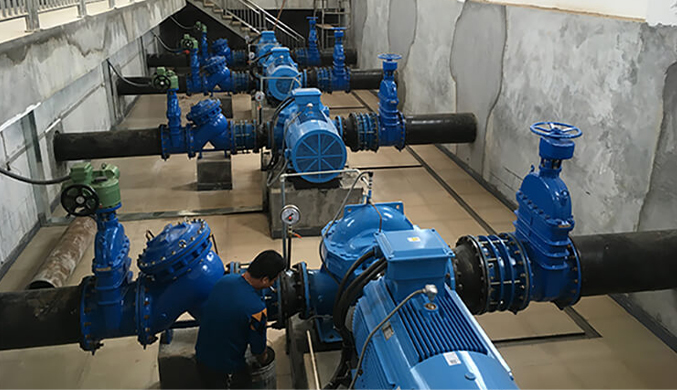
Industrial submersible pumps are centrifugal pumps specifically designed for submerged operation, typically within boreholes, wells, or tanks. They constitute a critical component in a wide range of industrial processes, including dewatering of mines and construction sites, wastewater treatment, oil and gas extraction, and supplying irrigation systems. Positioned within the fluid stream itself, they eliminate the need for surface priming and offer advantages in situations where suction lift is impractical or impossible. Core performance characteristics revolve around volumetric flow rate (m³/hr), total dynamic head (TDH) measured in meters, and power consumption (kW). The increasing demand for efficient water management and resource extraction drives the continual development of more robust, energy-efficient, and remotely monitored submersible pump systems. A significant pain point within the industry lies in maintaining consistent performance in abrasive or corrosive environments, necessitating careful material selection and design considerations.
Material Science & Manufacturing
The core materials employed in industrial submersible pump construction dictate their longevity and suitability for specific applications. Pump casings are frequently constructed from cast iron (ASTM A48 Class 30), stainless steel (304, 316, or duplex stainless steels for enhanced corrosion resistance – ASTM A992), or engineered polymers (such as polypropylene or glass-filled nylon for less demanding applications). Impeller materials include bronze (ASTM B584), high-chrome cast iron (for abrasive slurry handling), and again, various stainless steel alloys. Shafts are typically manufactured from high-tensile strength alloy steel (4140, 4340 - ASTM A370) and hardened for wear resistance. Seals are critical, utilizing materials like Viton (fluoroelastomer), Buna-N (nitrile rubber), or silicon carbide faces for mechanical seals, selected based on fluid compatibility and operating temperature.
Manufacturing processes involve several key steps. Casing production typically uses sand casting or investment casting for complex geometries. Impellers are produced via centrifugal casting or precision machining. Shafts undergo forging, turning, and hardening treatments. The assembly process requires precise alignment and tolerances, particularly for the mechanical seal. Welding procedures (AWS D1.1 for steel components) are rigorously controlled to ensure structural integrity. Post-manufacturing, non-destructive testing (NDT) – including ultrasonic testing (UT) and magnetic particle inspection (MPI) – is employed to detect any internal flaws. Key parameter control focuses on material composition verification, dimensional accuracy, and the quality of heat treatment processes.
Performance & Engineering
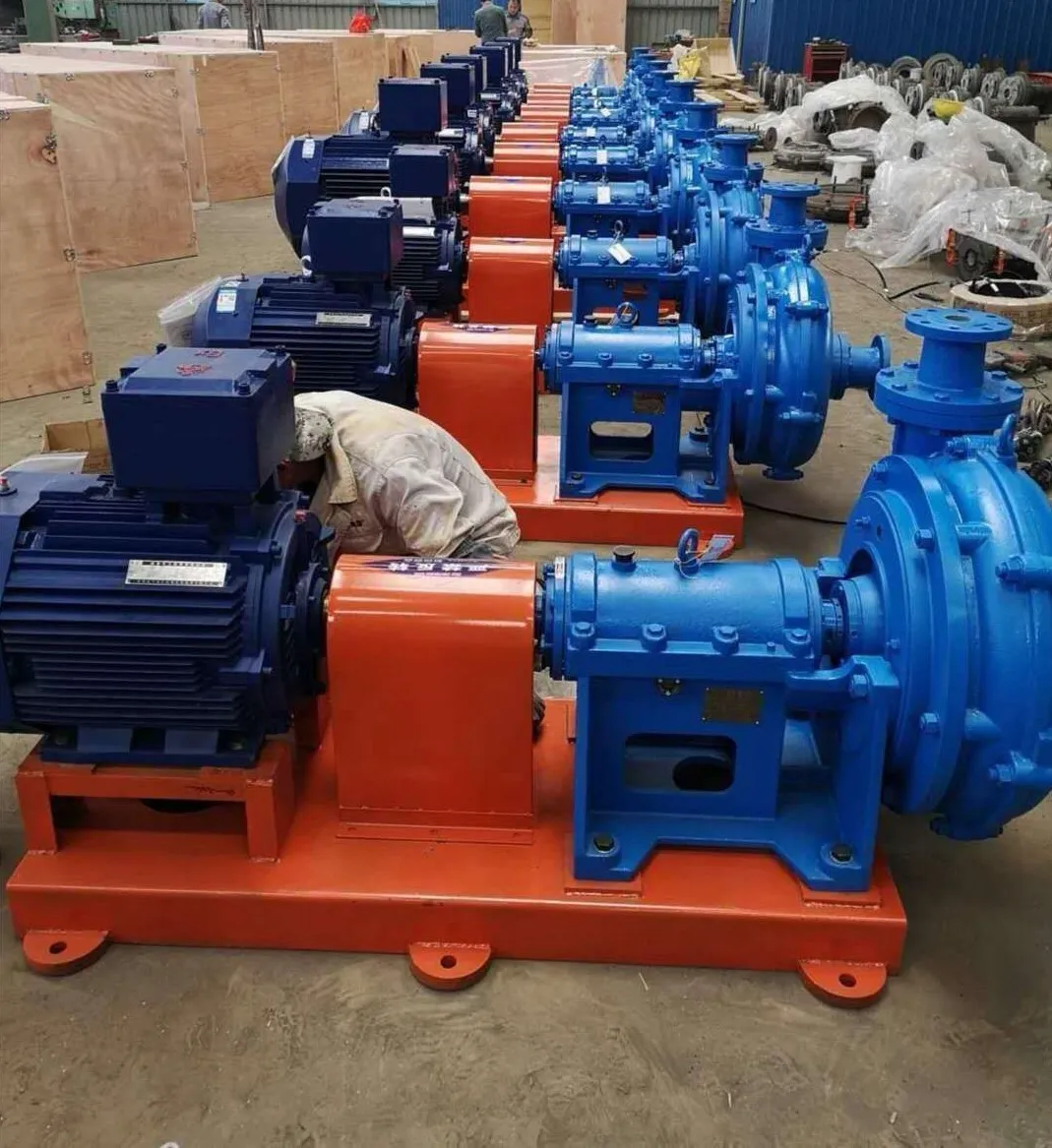
Performance analysis of industrial submersible pumps necessitates a thorough understanding of hydraulic forces and fluid dynamics. Pump head, flow rate, and efficiency are governed by the impeller’s geometry, rotational speed, and fluid properties (density and viscosity). Force analysis considers radial and axial thrust loads on the impeller and shaft, requiring robust bearing design and potentially the incorporation of thrust bearings. Environmental resistance is paramount; pumps operating in corrosive environments must withstand chemical attack, while those deployed in abrasive conditions require wear-resistant materials and coatings. Compliance requirements are stringent, encompassing electrical safety standards (IEC 60034-1), pump efficiency regulations (e.g., EU’s ErP Directive), and environmental protection guidelines (regarding oil containment and noise emissions). The implementation of variable frequency drives (VFDs) allows for precise control of pump speed, optimizing energy consumption and process performance. Furthermore, monitoring systems utilizing pressure transducers, flow meters, and vibration sensors enable predictive maintenance and minimize downtime. A critical engineering challenge is cavitation – the formation and collapse of vapor bubbles within the pump, leading to erosion and reduced efficiency. Preventing cavitation requires careful consideration of Net Positive Suction Head Available (NPSHa) versus Net Positive Suction Head Required (NPSHr).
Technical Specifications
| Parameter | Unit | Typical Range | Test Standard |
|---|---|---|---|
| Flow Rate | m³/hr | 10 - 1500 | ISO 9906 |
| Total Dynamic Head | m | 5 - 500 | ISO 9906 |
| Power Input | kW | 0.75 - 300 | IEC 60034-1 |
| Maximum Submergence Depth | m | 5 - 300 | Manufacturer’s Specification |
| Fluid Temperature | °C | -20 to 120 | Pump Curve |
| Solids Handling Capacity | mm | Up to 75 (depending on impeller design) | Manufacturer’s Specification |
Failure Mode & Maintenance
Industrial submersible pumps are susceptible to several failure modes. Fatigue cracking in the pump casing or impeller, induced by cyclical loading and stress concentration, is a common issue. Delamination of coatings, particularly epoxy or polyurethane linings used for corrosion protection, can occur due to poor adhesion or inadequate surface preparation. Seal failure, resulting from abrasion, chemical incompatibility, or thermal stress, leads to leakage and reduced pump efficiency. Degradation of elastomer components (O-rings, diaphragms) due to exposure to chemicals or high temperatures is another frequent cause of failure. Oxidation and corrosion of metallic components, particularly in saline or acidic environments, weaken the material and compromise structural integrity. Bearing failure, stemming from insufficient lubrication, contamination, or excessive load, manifests as increased noise and vibration.
Preventive maintenance is crucial. Regular monitoring of vibration levels (ISO 10816) and motor current is recommended. Periodic inspection of seals, bearings, and cables for wear and damage is essential. Oil analysis (ASTM D4057) can detect wear debris and contaminants in the lubricant. Routine cleaning of the pump intake screen prevents clogging and maintains optimal flow rate. Scheduled replacement of wear parts (impellers, diffusers, seals) based on operating hours or fluid characteristics minimizes downtime. Proper storage of spare parts in a clean, dry environment ensures their availability when needed. For major repairs, adherence to manufacturer’s guidelines and the use of qualified technicians are critical.
Industry FAQ
Q: What are the key considerations when selecting a submersible pump for handling abrasive slurries?
A: When handling abrasive slurries, material selection is paramount. High-chrome cast iron impellers offer excellent wear resistance. Consider using a pump with an agitator to keep solids suspended and prevent settling. Ensure the pump’s seals are designed to withstand abrasive particles. Regular inspection and replacement of wear parts are crucial to maintain performance.
Q: How does the specific gravity of the fluid affect pump performance?
A: Increasing fluid specific gravity directly increases the hydraulic load on the pump. This results in a decrease in flow rate and efficiency for a given power input. Pumps must be appropriately sized to account for the fluid’s density to achieve the desired performance characteristics.
Q: What is the importance of NPSH (Net Positive Suction Head) in submersible pump applications?
A: NPSH is critical to prevent cavitation. If the available NPSH (NPSHa) is lower than the required NPSH (NPSHr), vapor bubbles will form within the pump, causing erosion and reduced efficiency. Ensuring sufficient NPSHa is crucial for reliable operation.
Q: What are the advantages of using a variable frequency drive (VFD) with a submersible pump?
A: VFDs allow for precise control of pump speed, optimizing energy consumption and process performance. They can reduce stress on the pump and motor during startup and shutdown, and provide soft starting capabilities. This leads to extended equipment life and reduced maintenance costs.
Q: How can I diagnose a submersible pump that is experiencing reduced flow rate?
A: Several factors can cause reduced flow rate. Check for clogged intake screens, impeller wear, seal leakage, or restrictions in the discharge piping. Monitor motor current and voltage to identify potential electrical issues. A visual inspection of the pump may reveal signs of damage or wear.
Conclusion
Industrial submersible pumps represent a vital technology in numerous sectors, providing reliable and efficient fluid handling solutions in challenging environments. The selection of appropriate materials, adherence to stringent manufacturing standards, and a comprehensive understanding of hydraulic principles are fundamental to ensuring optimal performance and longevity. Addressing the core pain points of abrasive wear, corrosion, and cavitation through careful design and proactive maintenance are crucial for minimizing downtime and maximizing return on investment.
Looking ahead, advancements in pump design, materials science, and monitoring technologies will continue to drive improvements in efficiency, reliability, and sustainability. The integration of smart sensors, predictive analytics, and remote monitoring systems will enable optimized operation and reduced lifecycle costs. The industry will also likely see a growing emphasis on energy-efficient pump designs and environmentally friendly operating practices, contributing to a more sustainable future.
-
Comprehensive Guide to Waterproof ORings for Optimal Sealing Solutions
News2026-06-09
-
submergable pump Material Science
News2026-06-23
-
sewer injection pump Performance Engineering
News2026-06-23
-
Sewer Ejector Pump System Performance Analysis
News2026-06-23
-
septic tank pump for sale Performance Engineering
News2026-06-23
-
septic pump for sale Performance Engineering
News2026-06-23
-
septic ejector system Performance Analysis
News2026-06-22
-
replace septic pump Performance Analysis
News2026-06-22
-
pump system septic tank Performance Analysis
News2026-06-22
-
lift pump for sewer Performance and Engineering
News2026-06-22
-
industrial submersible water pump Material Science
News2026-06-22
-
industrial submersible pumps Material Science and Manufacturing
News2026-06-21
-
best sewer ejector pump Performance Analysis
News2026-06-21
-
best septic pump Performance Analysis
News2026-06-21
-
1 2 hp septic pump Performance Engineering
News2026-06-21




