English
- Afrikaans
- Albanian
- Amharic
- Arabic
- Armenian
- Azerbaijani
- Basque
- Belarusian
- Bengali
- Bosnian
- Bulgarian
- Catalan
- Cebuano
- Corsican
- Croatian
- Czech
- Danish
- Dutch
- English
- Esperanto
- Estonian
- Finnish
- French
- Frisian
- Galician
- Georgian
- German
- Greek
- Gujarati
- Haitian Creole
- hausa
- hawaiian
- Hebrew
- Hindi
- Miao
- Hungarian
- Icelandic
- igbo
- Indonesian
- irish
- Italian
- Japanese
- Javanese
- Kannada
- kazakh
- Khmer
- Rwandese
- Korean
- Kurdish
- Kyrgyz
- Lao
- Latin
- Latvian
- Lithuanian
- Luxembourgish
- Macedonian
- Malgashi
- Malay
- Malayalam
- Maltese
- Maori
- Marathi
- Mongolian
- Myanmar
- Nepali
- Norwegian
- Norwegian
- Occitan
- Pashto
- Persian
- Polish
- Portuguese
- Punjabi
- Romanian
- Russian
- Samoan
- Scottish Gaelic
- Serbian
- Sesotho
- Shona
- Sindhi
- Sinhala
- Slovak
- Slovenian
- Somali
- Spanish
- Sundanese
- Swahili
- Swedish
- Tagalog
- Tajik
- Tamil
- Tatar
- Telugu
- Thai
- Turkish
- Turkmen
- Ukrainian
- Urdu
- Uighur
- Uzbek
- Vietnamese
- Welsh
- Bantu
- Yiddish
- Yoruba
- Zulu

Telephone: +86 13120555503
Email: frank@cypump.com


Apr . 01, 2024 17:55 Back to list
in line sewage pump Performance Analysis
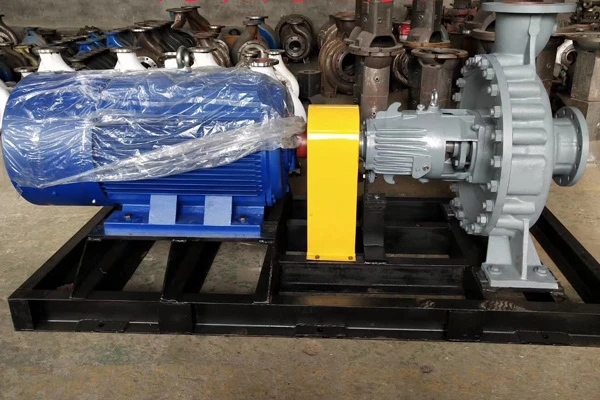
Introduction
In-line sewage pumps represent a critical component in wastewater management systems, designed for the efficient and reliable transfer of raw sewage and effluent. Unlike traditional submersible or externally mounted pumps, in-line pumps are installed directly within the pipeline, eliminating the need for a wet well and reducing overall system footprint. Their positioning allows for continuous flow, minimizing sedimentation and simplifying maintenance procedures. This guide provides a comprehensive technical overview of in-line sewage pumps, covering material science, manufacturing processes, performance characteristics, potential failure modes, and relevant industry standards. The increasing demands on wastewater treatment infrastructure, coupled with stringent environmental regulations, necessitate a thorough understanding of these pumps to ensure optimal performance and longevity. A key industry pain point revolves around pump blockage due to non-biodegradable materials, leading to costly downtime and potential environmental hazards. Therefore, impeller design and pump material selection are paramount considerations.
Material Science & Manufacturing
The construction of in-line sewage pumps utilizes a variety of materials chosen for their resistance to corrosion, abrasion, and mechanical stress. Pump casings are frequently manufactured from cast iron (ASTM A48 Class 30) due to its cost-effectiveness and inherent strength. However, for more aggressive environments, stainless steel (316L grade, conforming to ASTM A743) is often preferred, providing superior corrosion resistance, particularly against hydrogen sulfide and chloride attack. Impellers represent a critical component, traditionally made from ductile iron (ASTM A536-85), which offers a balance of toughness and machinability. Modern designs increasingly incorporate hardened stainless steel or specialized polymer composites to improve wear resistance and hydraulic efficiency. Pump shaft materials typically utilize alloy steel (4140, per ASTM A297) for high tensile strength and fatigue resistance. Seals, crucial for preventing leakage, are commonly fabricated from elastomers like Nitrile Butadiene Rubber (NBR) or Viton (FKM) depending on the fluid temperature and chemical composition.
Manufacturing processes vary depending on component complexity. Casings are typically produced via sand casting followed by machining and surface coating (epoxy coating is common, meeting ANSI/NSF 61 standards). Impellers are often manufactured using investment casting for intricate designs and dimensional accuracy, followed by balancing to minimize vibration. Shafts are produced via forging and machining, with stringent quality control to ensure concentricity and surface finish. Assembly involves precise alignment and torquing of components, followed by hydrostatic testing to verify leak tightness and structural integrity according to ISO 9906 standards. The impeller-casing fit is critical; excessive clearance reduces efficiency, while insufficient clearance can cause binding and premature wear. Parameter control focuses on material composition verification (using spectroscopic analysis), dimensional inspection (CMM), and non-destructive testing (NDT) such as ultrasonic testing to detect internal flaws.
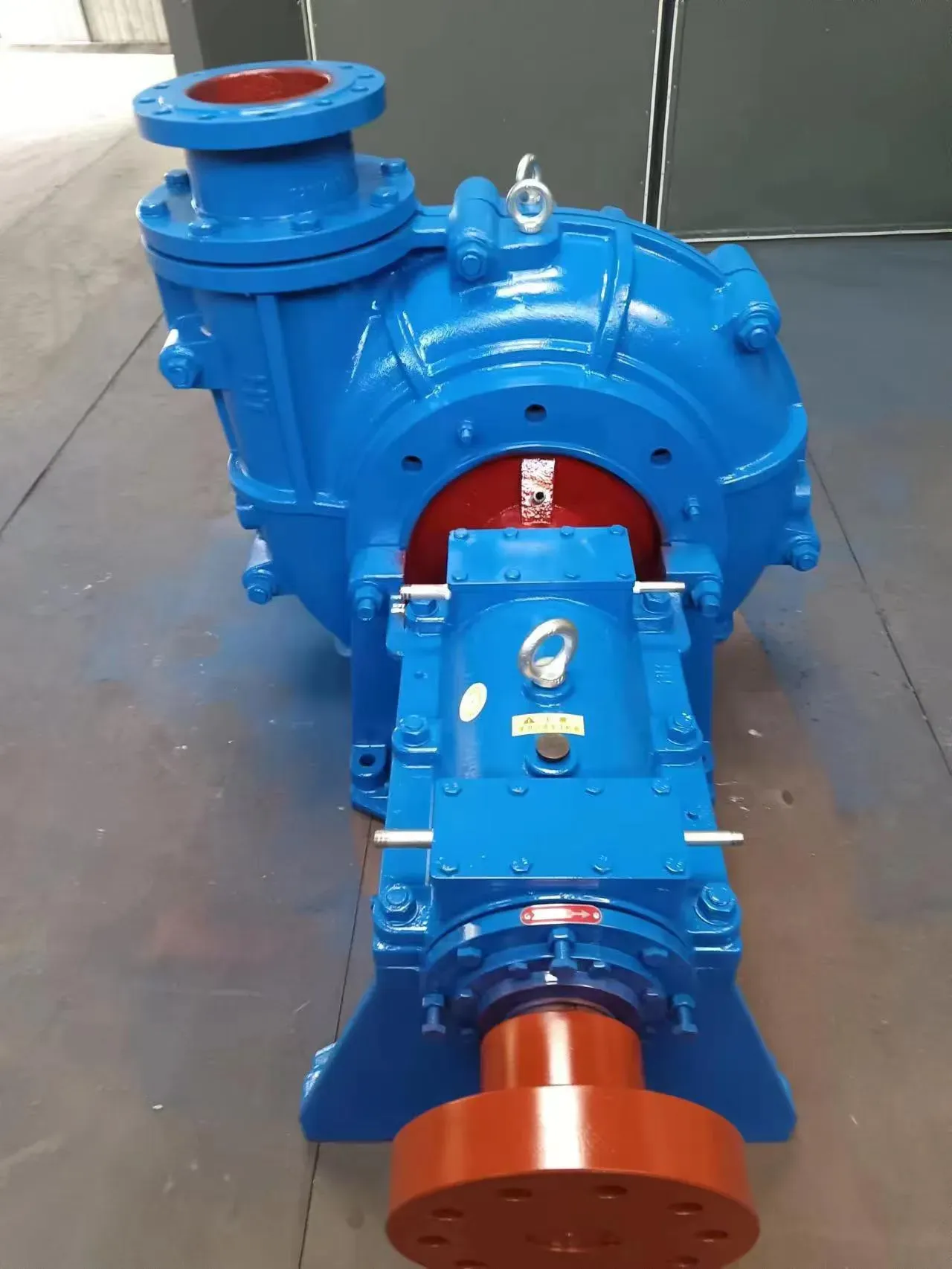
Performance & Engineering
The performance of in-line sewage pumps is dictated by several key engineering parameters. Head (measured in meters or feet) represents the maximum height to which the pump can lift the fluid, dependent on impeller diameter, rotational speed, and fluid viscosity. Flow rate (measured in m³/hr or GPM) indicates the volume of fluid delivered per unit time. Pump efficiency, a crucial economic factor, is the ratio of hydraulic power output to electrical power input and is affected by impeller design, internal clearances, and fluid properties. Net Positive Suction Head Required (NPSHr) is a critical parameter to prevent cavitation, the formation of vapor bubbles that can damage the impeller. Cavitation occurs when the absolute pressure at the pump inlet falls below the vapor pressure of the liquid. Force analysis involves considering hydraulic forces acting on the impeller, radial loads on the shaft, and axial thrust. These forces are mitigated through proper bearing selection and shaft support design. Environmental resistance is addressed through material selection (corrosion resistance) and sealing systems (leak prevention). Compliance requirements include adherence to energy efficiency standards (e.g., EU ErP Directive) and safety regulations (e.g., UL/CSA certifications).
A significant engineering challenge is handling solids-laden sewage. Impeller design is critical, featuring non-clogging geometries (e.g., vortex or recessed impellers) to prevent blockage by rags, plastics, and other debris. Pump curves, graphical representations of head versus flow rate, are essential for selecting the appropriate pump for a specific application. Variable Frequency Drives (VFDs) are often integrated to control pump speed and optimize energy consumption based on fluctuating demand. Pump system curves, which account for headloss in the piping system, are used to determine the pump’s operating point.
Technical Specifications
| Parameter | Unit | Typical Value (Range) | Standard Compliance |
|---|---|---|---|
| Flow Rate | m³/hr | 5 - 500 | ISO 9906 |
| Head | m | 5 - 80 | DIN EN 733 |
| Power | kW | 0.75 - 150 | IEC 60034-1 |
| Voltage | V | 230/400, 460/796 | IEC 60038 |
| Maximum Solid Size | mm | Up to 75 | EN 12952-3 |
| Operating Temperature | °C | 0 - 40 | ASTM D641 |
Failure Mode & Maintenance
In-line sewage pumps are susceptible to several failure modes. Cavitation, as previously discussed, leads to impeller erosion and reduced pump performance. Bearing failure, often caused by improper lubrication or excessive loading, results in increased vibration and noise. Seal failure allows for leakage and potential contamination of the surrounding environment. Blockage, a common issue in sewage applications, can stall the impeller and overload the motor. Corrosion, particularly in aggressive wastewater environments, can weaken the pump casing and impeller, leading to catastrophic failure. Fatigue cracking, resulting from cyclical loading, can occur in the shaft or impeller.
Preventative maintenance is crucial for maximizing pump lifespan. Regular inspections should include checking for leaks, abnormal noise, and vibration. Lubrication of bearings should be performed according to the manufacturer’s recommendations. Impellers should be inspected for wear and blockage, and cleaned as needed. Seals should be replaced periodically to prevent leakage. Motor windings should be tested for insulation resistance to detect potential electrical faults. Periodic vibration analysis can identify developing bearing or impeller imbalances. In the event of failure, root cause analysis should be performed to determine the underlying issue and prevent recurrence. Repair strategies range from component replacement (e.g., impeller, seals, bearings) to complete pump overhaul. Proper documentation of maintenance activities is essential for tracking pump performance and identifying trends.
Industry FAQ
Q: What is the primary benefit of an in-line pump compared to a submersible pump?
A: The primary benefit lies in simplified installation and reduced infrastructure costs. In-line pumps eliminate the need for a wet well, reducing excavation and civil engineering work. They also simplify maintenance as all components are readily accessible without requiring pump removal from the sewage channel.
Q: How do I determine the appropriate pump size for my application?
A: Pump sizing requires careful consideration of flow rate, total dynamic head (TDH), and the characteristics of the sewage being pumped (solid content, viscosity). A pump curve analysis, considering the system curve, is essential to identify the pump's operating point. Consulting with a pump specialist is highly recommended.
Q: What materials are best suited for handling highly corrosive sewage?
A: For highly corrosive environments, stainless steel (316L or duplex stainless steel) is the preferred material for the pump casing and impeller. Viton (FKM) seals provide superior resistance to chemical attack compared to NBR. Epoxy coatings can also provide additional corrosion protection for cast iron components.
Q: How can I prevent pump blockage from rags and debris?
A: Utilizing pumps with non-clogging impeller designs (vortex or recessed impellers) is crucial. A properly sized pump intake screen can also help to remove large debris before it enters the pump. Regular inspection and cleaning of the impeller are essential.
Q: What maintenance schedule should I follow for an in-line sewage pump?
A: A typical maintenance schedule includes monthly visual inspections for leaks and unusual noise, quarterly lubrication of bearings, annual seal replacement, and periodic vibration analysis. Keep detailed records of all maintenance activities.
Conclusion
In-line sewage pumps offer a robust and efficient solution for wastewater transfer, particularly in applications where space is limited and ease of maintenance is paramount. The selection and implementation of these pumps require a thorough understanding of material science, hydraulic principles, and potential failure modes. Proper maintenance, adhering to recommended schedules and employing preventative measures, is crucial for maximizing pump lifespan and minimizing downtime.
Future trends in in-line sewage pump technology include the integration of smart sensors for real-time performance monitoring, the development of more efficient impeller designs, and the use of advanced materials to enhance corrosion resistance and wear resistance. Continued advancements in these areas will contribute to more reliable and sustainable wastewater management systems.
-
sump pump for septic systems Material Science Manufacturing
News2026-05-20
-
sump pump and ejector pump Material Science Manufacturing
News2026-05-20
-
sewage treatment plant pumps Performance Analysis
News2026-05-20
-
sewage tank pump Material Science and Manufacturing
News2026-05-20
-
sewage pump for septic tank Performance Analysis
News2026-05-20
-
Sewage Pump and Tank Performance Analysis
News2026-05-19
-
Sewage Ejector Pump Replacement Performance Analysis
News2026-05-19
-
sewage ejector pump for basement bathroom Material Science Manufacturing
News2026-05-19
-
sewage ejection pump Material Science and Manufacturing
News2026-05-19
-
in line sewage pump Performance Analysis
News2026-05-19
-
effluent sump pump Performance Analysis
News2026-05-18
-
best grinder pump for sewage Performance Engineering
News2026-05-18
-
basement waste water pump Performance Engineering
News2026-05-18
-
sump pump sewer Performance Analysis
News2026-05-18
-
sump pump for sewer Performance Analysis
News2026-05-18




