English
- Afrikaans
- Albanian
- Amharic
- Arabic
- Armenian
- Azerbaijani
- Basque
- Belarusian
- Bengali
- Bosnian
- Bulgarian
- Catalan
- Cebuano
- Corsican
- Croatian
- Czech
- Danish
- Dutch
- English
- Esperanto
- Estonian
- Finnish
- French
- Frisian
- Galician
- Georgian
- German
- Greek
- Gujarati
- Haitian Creole
- hausa
- hawaiian
- Hebrew
- Hindi
- Miao
- Hungarian
- Icelandic
- igbo
- Indonesian
- irish
- Italian
- Japanese
- Javanese
- Kannada
- kazakh
- Khmer
- Rwandese
- Korean
- Kurdish
- Kyrgyz
- Lao
- Latin
- Latvian
- Lithuanian
- Luxembourgish
- Macedonian
- Malgashi
- Malay
- Malayalam
- Maltese
- Maori
- Marathi
- Mongolian
- Myanmar
- Nepali
- Norwegian
- Norwegian
- Occitan
- Pashto
- Persian
- Polish
- Portuguese
- Punjabi
- Romanian
- Russian
- Samoan
- Scottish Gaelic
- Serbian
- Sesotho
- Shona
- Sindhi
- Sinhala
- Slovak
- Slovenian
- Somali
- Spanish
- Sundanese
- Swahili
- Swedish
- Tagalog
- Tajik
- Tamil
- Tatar
- Telugu
- Thai
- Turkish
- Turkmen
- Ukrainian
- Urdu
- Uighur
- Uzbek
- Vietnamese
- Welsh
- Bantu
- Yiddish
- Yoruba
- Zulu

Telephone: +86 13120555503
Email: frank@cypump.com


Apr . 01, 2024 17:55 Back to list
immersible pumps Material Science and Manufacturing
Introduction
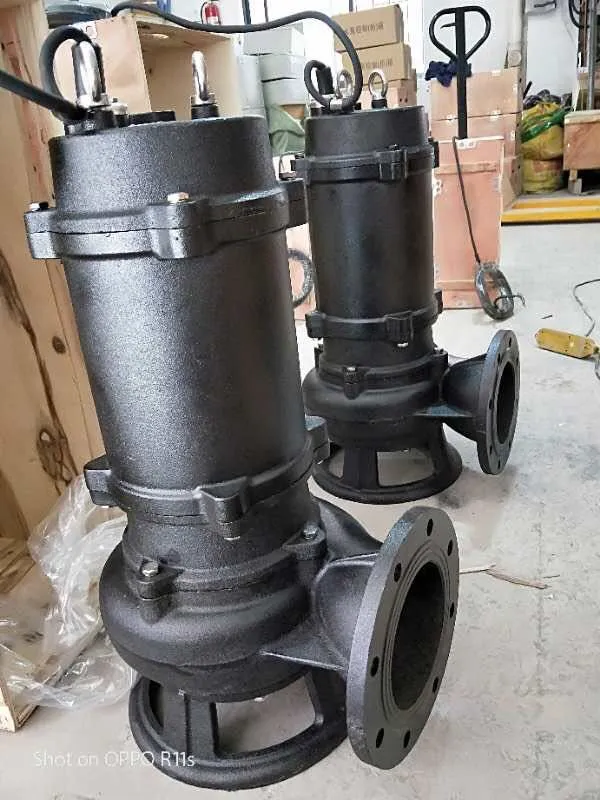
Immersible pumps, also known as submersible pumps, are centrifugal pumps designed for complete submersion in the fluid being pumped. They represent a critical component in numerous industrial processes, including wastewater treatment, oil & gas extraction, mining, dewatering, and agricultural irrigation. Unlike traditional pumps which require priming and are mounted externally, immersible pumps offer several advantages: eliminating the need for suction lift, reducing noise levels, and increasing efficiency by minimizing cavitation. Their technical positioning within the fluid handling industry is significant, offering a robust and reliable solution for applications where surface-mounted pumps are impractical or inefficient. Core performance characteristics revolve around hydraulic efficiency, motor durability in submerged conditions, and the ability to handle abrasive or corrosive fluids without significant degradation. The selection process hinges on matching the pump’s materials of construction, flow rate, head pressure, and power requirements to the specific application and fluid properties.
Material Science & Manufacturing
The construction of immersible pumps demands careful material selection to withstand harsh operating environments. Pump casings are commonly fabricated from cast iron (ASTM A48 Class 30), stainless steel (304, 316, or duplex stainless steels for corrosion resistance – ASTM A992), or specialized polymers like polypropylene or high-density polyethylene (HDPE) for handling highly corrosive fluids. Impellers are typically manufactured from cast iron, bronze (ASTM B584), or stainless steel, with the choice dictated by the abrasiveness of the pumped medium. Motor housings are generally constructed from cast iron or stainless steel, providing robust mechanical protection and serving as a heat sink. Shafts utilize high-strength alloy steels (4140, 4340 - ASTM A276) for torsional strength and wear resistance. Seals are critical, often employing silicon carbide (SiC) or tungsten carbide (WC) mechanical seals (API 682) with fluorocarbon elastomers (Viton, PTFE) for chemical compatibility.
Manufacturing processes vary depending on component complexity. Casings are typically produced via sand casting or investment casting, requiring precise mold making and rigorous quality control to ensure dimensional accuracy and surface finish. Impellers are manufactured using centrifugal casting or precision machining, balancing is paramount to minimize vibration and ensure smooth operation. Motor stators are wound with copper wire and encapsulated in epoxy resin for electrical insulation and environmental protection. The assembly process necessitates meticulous attention to detail, including precise alignment of rotating components, proper sealing of all connections, and thorough testing to verify performance and leak tightness. Welding processes, where employed (e.g., for stainless steel components), must adhere to AWS D1.1 standards to ensure structural integrity. Parameter control focuses on maintaining tight tolerances during machining, achieving consistent material properties through heat treatment, and ensuring complete penetration and sound welds.
Performance & Engineering
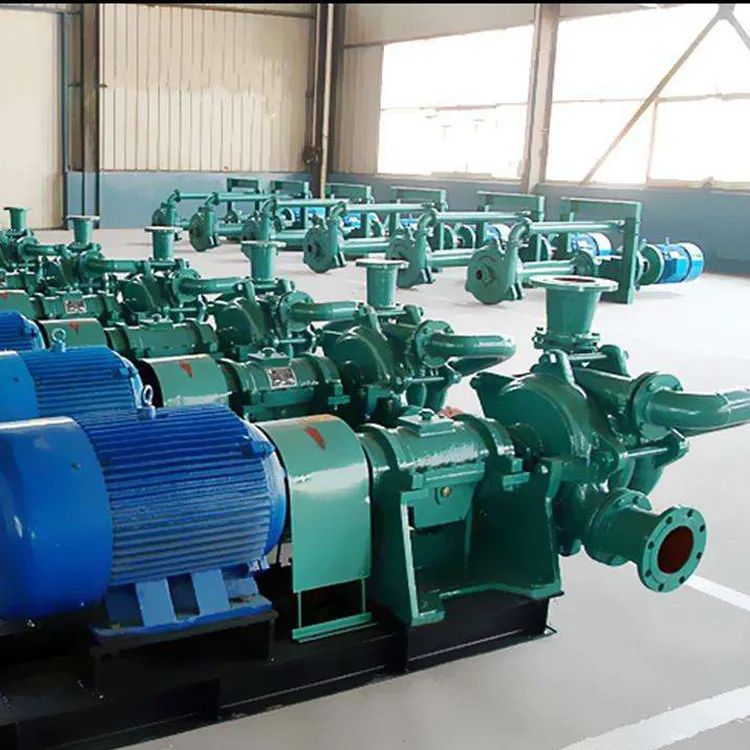
The performance of an immersible pump is governed by fundamental hydraulic principles. The pump's head (pressure generated) is directly related to impeller diameter, rotational speed, and fluid density. Flow rate is determined by impeller geometry, rotational speed, and fluid viscosity. Force analysis considers hydrostatic pressure, dynamic pressure due to fluid flow, and mechanical stresses induced by impeller rotation and bearing loads. Cavitation, a critical concern, occurs when the absolute pressure at the impeller inlet drops below the vapor pressure of the liquid, forming vapor bubbles that collapse and cause damage. Proper Net Positive Suction Head Available (NPSHA) calculations, adhering to Hydraulic Institute standards, are essential to prevent cavitation. Environmental resistance is a key engineering consideration. Pumps operating in corrosive environments require materials specifically selected for chemical compatibility, as outlined in ASTM G96. Temperature extremes necessitate the use of appropriate seals and lubricants capable of maintaining performance across the operating temperature range. Compliance requirements vary by application. For potable water applications, pumps must meet NSF/ANSI 61 standards for lead content and material safety. For hazardous location applications, pumps require explosion-proof motors certified to ATEX or IECEx standards.
Technical Specifications
| Parameter | Unit | Typical Range | Relevant Standard |
|---|---|---|---|
| Flow Rate | m³/hr | 10 – 1500 | ISO 9906 |
| Head (Pressure) | m | 5 – 200 | ISO 9906 |
| Power | kW | 0.75 – 500 | IEC 60034 |
| Liquid Temperature | °C | -20 to +120 | DIN EN 12828 |
| Solids Handling Capability | mm | Up to 75 | Based on impeller design |
| Maximum Immersion Depth | m | Up to 80 | Manufacturer Specification |
Failure Mode & Maintenance
Immersible pumps, despite their robust design, are susceptible to various failure modes. Fatigue cracking in the impeller or casing can occur due to cyclical loading and stress concentrations. Delamination of protective coatings (epoxy, polymers) can lead to corrosion of underlying metal surfaces. Seal failure, a common issue, results from abrasion, chemical attack, or thermal expansion/contraction, leading to leakage and motor damage. Bearing failure, often caused by inadequate lubrication or contamination, manifests as increased noise and vibration. Motor winding insulation breakdown, resulting from moisture ingress or overheating, can lead to short circuits and complete motor failure. Oxidation of metallic components, particularly in harsh environments, compromises mechanical strength.
Preventive maintenance is critical. Regular inspection of seals, bearings, and windings is essential. Lubrication schedules must be strictly adhered to, using lubricants compatible with the pumped fluid and operating temperature. Periodic monitoring of motor current and voltage can detect early signs of winding degradation. Routine cleaning of pump casings and impellers prevents buildup of solids and minimizes corrosion. Vibration analysis can identify bearing wear or impeller imbalance. In the event of failure, thorough failure analysis (fractography, materials testing) is recommended to identify the root cause and prevent recurrence. Seal replacement should be performed using manufacturer-approved components and following proper installation procedures. Motor rewinding should only be performed by qualified technicians, ensuring proper insulation and winding configuration.
Industry FAQ
Q: What are the primary considerations when selecting an immersible pump for handling abrasive slurries?
A: When handling abrasive slurries, the primary considerations are material selection for the impeller and casing, as well as the design of the impeller to minimize wear. Hardened materials like high-chrome cast iron or ceramic linings are recommended. Impeller design should incorporate a larger flow passage to reduce slurry velocity and minimize erosion. Also, consider using pumps with replaceable wear plates and liners to extend service life. Regularly monitor wear rates and implement a preventive maintenance schedule focused on component replacement.
Q: How does the specific gravity of the pumped fluid affect pump performance and motor sizing?
A: Higher specific gravity fluids require more power to pump due to increased weight and density. This directly impacts the required motor horsepower. Pump head (pressure) also increases proportionally with specific gravity. Therefore, accurate fluid property data is crucial for proper pump selection and motor sizing. Undersizing the motor can lead to overheating and failure, while oversizing it can reduce efficiency.
Q: What measures can be taken to mitigate the risk of cavitation in an immersible pump installation?
A: Mitigating cavitation involves ensuring adequate NPSHA (Net Positive Suction Head Available). This can be achieved by increasing the liquid level in the sump, reducing suction pipe length and fittings, and lowering the pump's installation depth. Careful pump selection, ensuring the pump's NPSH required (NPSHR) is lower than the available NPSHA, is also crucial. Avoid operating the pump at excessively high suction temperatures.
Q: What are the implications of operating an immersible pump outside of its recommended operating range (Best Efficiency Point - BEP)?
A: Operating outside the BEP leads to reduced efficiency, increased energy consumption, and accelerated wear. Operating significantly to the left of BEP can cause cavitation, while operating to the right of BEP can result in increased radial loads on the impeller and bearings. Prolonged operation outside the BEP can significantly shorten the pump's lifespan.
Q: What maintenance procedures are essential for ensuring the longevity of the pump's electrical cable and connections?
A: Regularly inspect the electrical cable for any signs of damage, such as abrasion, cracking, or corrosion. Ensure all connections are tight and protected from moisture. Use a cable clamp to relieve strain on the cable entry point. Perform periodic insulation resistance testing to detect any deterioration of the cable's insulation. Avoid exposing the cable to extreme temperatures or harsh chemicals.
Conclusion
Immersible pumps represent a highly engineered solution for diverse fluid handling applications. Their performance and longevity are intrinsically linked to careful material selection, precise manufacturing processes, and adherence to relevant industry standards. Understanding the potential failure modes and implementing a robust preventive maintenance program are paramount to maximizing operational efficiency and minimizing downtime. Proper pump selection, based on a thorough assessment of fluid properties, operating conditions, and application requirements, is the foundational element of a successful installation.
Looking forward, advancements in materials science, particularly in corrosion-resistant alloys and polymer composites, will continue to expand the application range of immersible pumps. Integration of smart sensors and remote monitoring capabilities will enable predictive maintenance and optimize pump performance in real-time. Further research into impeller hydrodynamics will yield more efficient designs and reduce energy consumption, contributing to sustainable industrial practices. The ongoing refinement of these technologies will solidify the position of immersible pumps as a cornerstone of modern fluid handling systems.
-
Comprehensive Guide to Waterproof ORings for Optimal Sealing Solutions
News2026-06-09
-
submergable pump Material Science
News2026-06-23
-
sewer injection pump Performance Engineering
News2026-06-23
-
Sewer Ejector Pump System Performance Analysis
News2026-06-23
-
septic tank pump for sale Performance Engineering
News2026-06-23
-
septic pump for sale Performance Engineering
News2026-06-23
-
septic ejector system Performance Analysis
News2026-06-22
-
replace septic pump Performance Analysis
News2026-06-22
-
pump system septic tank Performance Analysis
News2026-06-22
-
lift pump for sewer Performance and Engineering
News2026-06-22
-
industrial submersible water pump Material Science
News2026-06-22
-
industrial submersible pumps Material Science and Manufacturing
News2026-06-21
-
best sewer ejector pump Performance Analysis
News2026-06-21
-
best septic pump Performance Analysis
News2026-06-21
-
1 2 hp septic pump Performance Engineering
News2026-06-21




