English
- Afrikaans
- Albanian
- Amharic
- Arabic
- Armenian
- Azerbaijani
- Basque
- Belarusian
- Bengali
- Bosnian
- Bulgarian
- Catalan
- Cebuano
- Corsican
- Croatian
- Czech
- Danish
- Dutch
- English
- Esperanto
- Estonian
- Finnish
- French
- Frisian
- Galician
- Georgian
- German
- Greek
- Gujarati
- Haitian Creole
- hausa
- hawaiian
- Hebrew
- Hindi
- Miao
- Hungarian
- Icelandic
- igbo
- Indonesian
- irish
- Italian
- Japanese
- Javanese
- Kannada
- kazakh
- Khmer
- Rwandese
- Korean
- Kurdish
- Kyrgyz
- Lao
- Latin
- Latvian
- Lithuanian
- Luxembourgish
- Macedonian
- Malgashi
- Malay
- Malayalam
- Maltese
- Maori
- Marathi
- Mongolian
- Myanmar
- Nepali
- Norwegian
- Norwegian
- Occitan
- Pashto
- Persian
- Polish
- Portuguese
- Punjabi
- Romanian
- Russian
- Samoan
- Scottish Gaelic
- Serbian
- Sesotho
- Shona
- Sindhi
- Sinhala
- Slovak
- Slovenian
- Somali
- Spanish
- Sundanese
- Swahili
- Swedish
- Tagalog
- Tajik
- Tamil
- Tatar
- Telugu
- Thai
- Turkish
- Turkmen
- Ukrainian
- Urdu
- Uighur
- Uzbek
- Vietnamese
- Welsh
- Bantu
- Yiddish
- Yoruba
- Zulu

Telephone: +86 13120555503
Email: frank@cypump.com


Apr . 01, 2024 17:55 Back to list
idb35 slurry pump vertical slurry pump Performance Engineering
Introduction
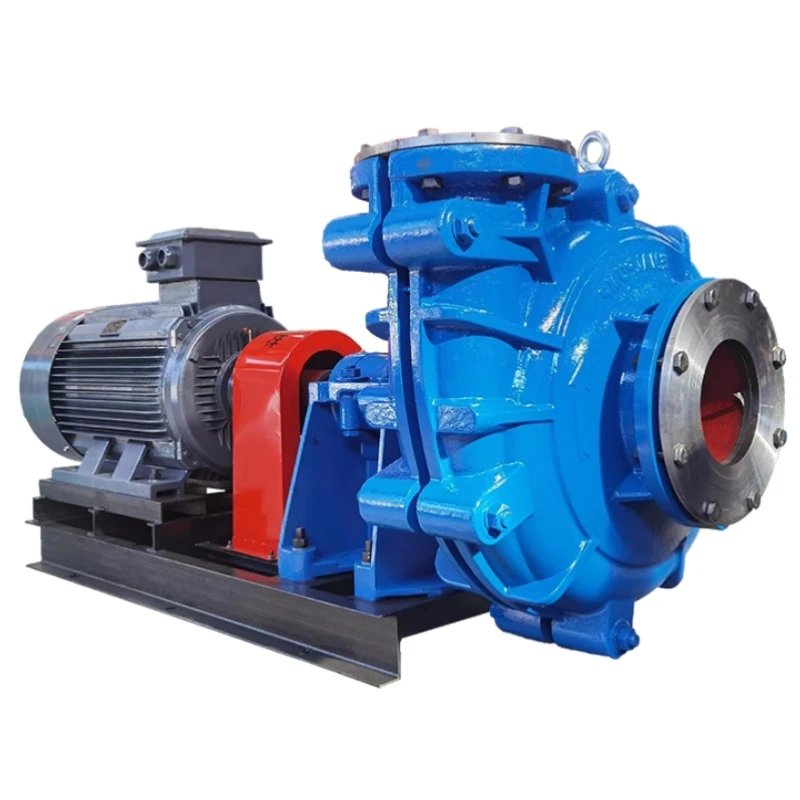
The idb35 slurry pump – a vertical slurry pump – represents a critical component in numerous industrial processes involving the transport of abrasive and corrosive fluids. Positioned within the fluid handling segment of industrial engineering, these pumps are primarily utilized in mining, wastewater treatment, chemical processing, and dredging applications. Unlike centrifugal pumps designed for clean fluids, the idb35 specifically addresses the challenges posed by slurries – mixtures of liquids and solid particles. Core performance characteristics include high head pressure, substantial flow rates, and resistance to wear from abrasive materials. The vertical configuration minimizes footprint and simplifies installation in confined spaces. A key distinguishing feature is the impeller design optimized for handling solids without clogging, alongside robust construction utilizing wear-resistant materials to maximize operational lifespan and minimize maintenance requirements. Understanding the nuances of slurry pump selection, operation, and maintenance is essential for maximizing efficiency and reducing total cost of ownership within these demanding applications.
Material Science & Manufacturing
The idb35 slurry pump's performance and longevity are intrinsically linked to the materials used in its construction and the precision of its manufacturing processes. The pump casing is commonly constructed from high-chrome cast iron (typically 26-28% chromium) due to its exceptional abrasion resistance. This material’s hardness, measured on the Rockwell C scale (HRC 62-68), significantly minimizes erosion caused by solid particles in the slurry. Impellers are also frequently manufactured from high-chrome cast iron, though alternative materials such as ceramic or rubber-lined steel are employed for highly abrasive or corrosive applications. Shaft materials typically include alloy steels (e.g., 4140, 4340) offering high tensile strength and torsional rigidity. Seals are critical and commonly utilize mechanical seals with tungsten carbide faces to provide reliable containment of the slurry. The manufacturing process involves several key steps. Firstly, pattern making and core building are utilized for the casting of the pump casing and impeller. Green sand casting is the prevalent method, though investment casting may be used for complex impeller geometries. Following casting, extensive machining is performed to ensure dimensional accuracy and surface finish. Welding processes, such as shielded metal arc welding (SMAW) or gas tungsten arc welding (GTAW), are employed for joining components. Critical parameters during manufacturing include heat treatment to optimize material properties, non-destructive testing (NDT) like radiographic inspection to detect internal flaws, and precise balancing of the impeller to minimize vibration and ensure smooth operation. Chemical compatibility is also paramount; materials must resist corrosion from the specific slurry being pumped – pH levels, chemical composition, and temperature all influence material selection.
Performance & Engineering
The engineering design of the idb35 slurry pump focuses on maximizing hydraulic efficiency while minimizing wear and ensuring reliable operation under demanding conditions. Force analysis is crucial, encompassing both hydraulic forces exerted by the slurry and mechanical forces generated during pump operation. Computational Fluid Dynamics (CFD) simulations are frequently used to optimize impeller geometry and casing design to reduce turbulence and energy losses. The vertical configuration minimizes the risk of cavitation – the formation of vapor bubbles due to low pressure – which can cause significant damage to the impeller. Pump performance curves, typically illustrating head (pressure) versus flow rate, are generated through rigorous testing. Environmental resistance is addressed through material selection and protective coatings. For example, epoxy coatings are often applied to the pump casing to protect against corrosion in aggressive environments. Compliance requirements vary depending on the application and geographical location. Pumps destined for hazardous environments must comply with standards such as ATEX (Europe) or IECEx (International). Hydraulic efficiency is directly correlated to pump power consumption; higher efficiency translates to lower energy costs. The pump’s Net Positive Suction Head Required (NPSHr) must be carefully matched to the Net Positive Suction Head Available (NPSHa) in the system to prevent cavitation. Bearing design and lubrication systems are critical for ensuring long bearing life and preventing pump failure. Pump selection must consider the specific gravity and viscosity of the slurry, as these factors significantly influence pump performance and power requirements.
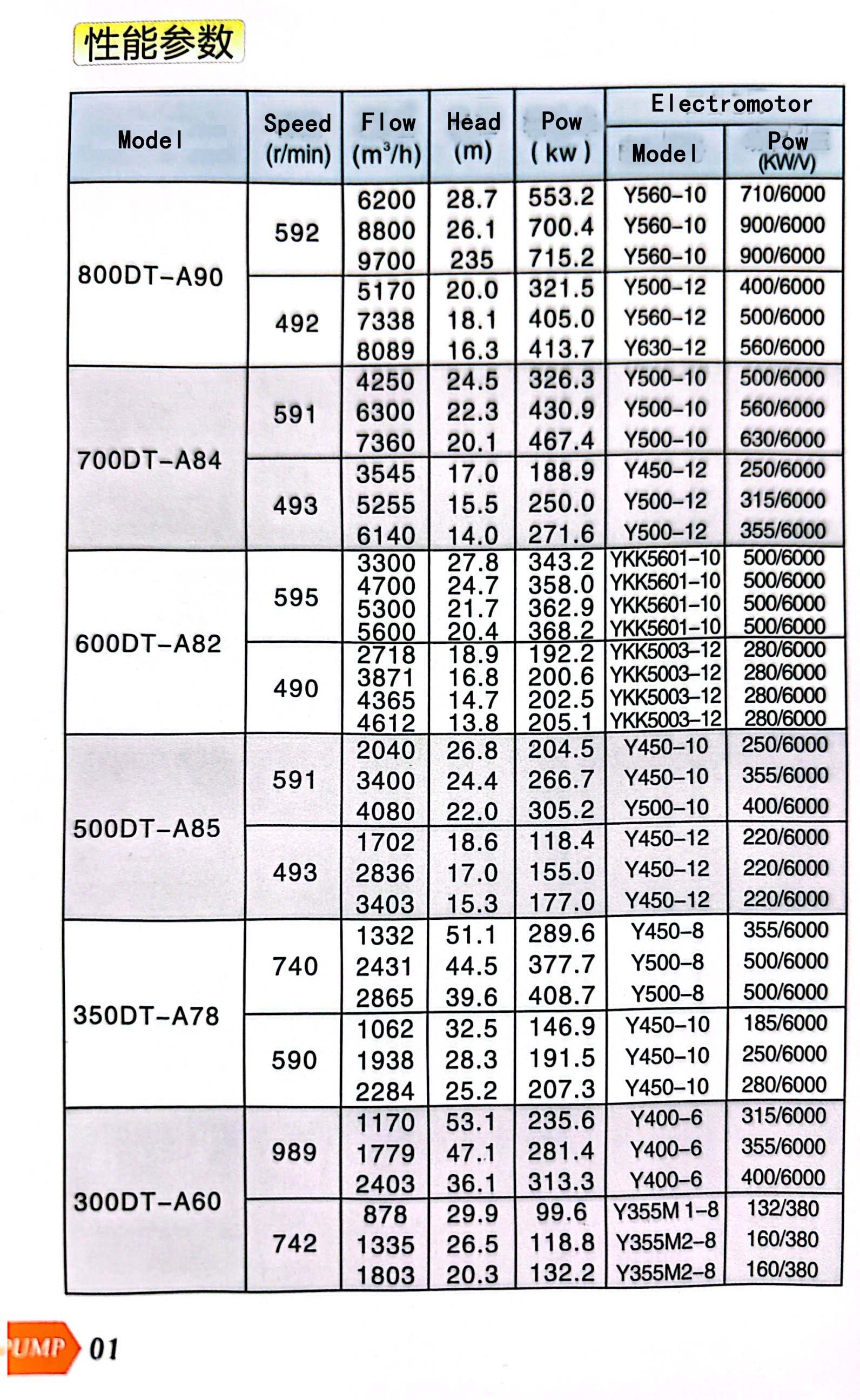
Technical Specifications
| Parameter | IDB35 – Standard Configuration | IDB35 – High Chrome Alloy | IDB35 – Rubber Lined |
|---|---|---|---|
| Maximum Flow Rate (m³/h) | 50 | 50 | 50 |
| Maximum Head (m) | 40 | 45 | 35 |
| Solid Handling Capacity (mm) | 35 | 40 | 50 |
| Pump Speed (RPM) | 500-1500 (variable) | 500-1500 (variable) | 500-1500 (variable) |
| Casing Material | HT200 Cast Iron | High Chrome Cast Iron (26Cr) | Carbon Steel with Rubber Lining |
| Impeller Material | HT200 Cast Iron | High Chrome Cast Iron (26Cr) | Rubber Lined |
Failure Mode & Maintenance
The idb35 slurry pump, while robustly designed, is susceptible to various failure modes depending on operating conditions and maintenance practices. A common failure is impeller wear, particularly in abrasive slurries, leading to reduced pump efficiency and head pressure. This manifests as increased power consumption and decreased flow rate. Corrosion, especially in acidic or alkaline slurries, can lead to casing and impeller degradation, resulting in leakage and eventual pump failure. Mechanical seal failure is another frequent issue, often caused by abrasion, chemical attack, or improper installation. Symptoms include visible leakage around the seal chamber. Bearing failure, typically due to inadequate lubrication, misalignment, or excessive loading, can lead to pump vibration and eventual catastrophic failure. Fatigue cracking in the pump shaft or casing can occur under cyclic loading conditions, particularly in pumps operating with fluctuating flow rates. Delamination of rubber linings (in rubber-lined pumps) can expose the underlying steel to corrosion. Preventive maintenance is crucial. Regular inspection of the impeller and casing for wear is essential, along with monitoring seal performance and bearing temperature. Lubrication schedules must be strictly adhered to, utilizing appropriate lubricants for the operating environment. Alignment checks should be performed periodically to prevent bearing stress. Slurry composition should be monitored to ensure compatibility with pump materials. Scheduled replacement of wear parts – impellers, seals, and liners – based on operating hours or condition monitoring data can significantly extend pump lifespan and reduce unplanned downtime. Proper cleaning and flushing of the pump after use can prevent the buildup of abrasive solids and minimize corrosion.
Industry FAQ
Q: What is the optimal impeller material for handling a slurry containing 70% silica sand and 30% water?
A: For a slurry with 70% silica sand, high-chrome cast iron (26-28% Cr) is the most suitable impeller material. Silica sand is highly abrasive, and the high chromium content provides exceptional wear resistance. While rubber linings offer good abrasion resistance, they may not withstand the impact forces generated by a high concentration of silica sand. Ceramic impellers are also an option but are typically more expensive.
Q: How does the pump’s NPSHr relate to system performance, and what happens if it’s exceeded?
A: Net Positive Suction Head Required (NPSHr) is the minimum pressure required at the pump suction to prevent cavitation. If the Net Positive Suction Head Available (NPSHa) in the system – determined by the fluid level and suction piping configuration – is less than the NPSHr, cavitation will occur. This results in noise, vibration, impeller damage, and a reduction in pump performance.
Q: What are the key considerations when selecting a mechanical seal for a corrosive slurry?
A: Material compatibility is paramount. Tungsten carbide seal faces are generally preferred for abrasive slurries, but for highly corrosive fluids, alternative materials like silicon carbide or ceramic may be necessary. The seal design should also be appropriate for the slurry characteristics. Double mechanical seals with a barrier fluid are often used for particularly aggressive slurries to provide enhanced protection.
Q: What preventative measures can be taken to minimize bearing failure in a vertically mounted slurry pump?
A: Regular lubrication with a high-quality grease designed for heavy-duty applications is crucial. Ensure proper bearing alignment during installation and periodically check it during operation. Monitor bearing temperature for signs of overheating. Protect bearings from contamination by using appropriate seals and filters. Avoid subjecting the pump to excessive shock loads or vibrations.
Q: How does pump speed affect wear rates and energy consumption?
A: Generally, increasing pump speed increases both wear rates and energy consumption. Higher speeds result in greater impact forces between the slurry particles and the pump components, accelerating wear. Energy consumption increases approximately with the cube of the pump speed. Optimizing pump speed is a trade-off between performance and longevity.
Conclusion
The idb35 vertical slurry pump stands as a critical component in industries demanding reliable fluid transfer of abrasive and corrosive materials. Its effective performance is inextricably linked to a confluence of factors: precise material selection, rigorous manufacturing processes, and astute engineering design principles. Understanding the interplay between slurry composition, pump specifications, and operational parameters is fundamental to maximizing pump longevity and minimizing total cost of ownership.
Future advancements in slurry pump technology will likely focus on further enhancing wear resistance through novel materials and coatings, optimizing impeller designs using advanced CFD modeling, and integrating smart sensors for real-time performance monitoring and predictive maintenance. Careful consideration of these factors will ensure that the idb35 slurry pump – and its future iterations – continue to provide essential services across a broad range of industrial applications.
-
Precision at the Pump: How Better Machining Protects Flow and Uptime
News2026-11-20
-
Why Pump Reliability Begins Before the First Drop of Fluid
News2026-11-20
-
Beyond the Pump: Designing Safer Access Around Critical Water Infrastructure
News2026-11-20
-
Why Pumping Stations Depend on the Infrastructure Beneath the Pumps
News2026-11-20
-
Beyond the Pump Room: How Smarter Loading Protects Industrial Equipment
News2026-11-19
-
When Pumps Stop: Designing More Resilient Power for Critical Pumping Systems
News2026-11-19
-
The Hidden Role of Dust and Gas Monitoring in Reliable Pump Operations
News2026-11-19
-
The Hidden Role of Mineral Compounds in Extending Industrial Pump Lifespan
News2026-10-12
-
Why Pump System Reliability Depends on Precision Hose Assembly Methods
News2026-09-15
-
How Advanced Imaging Films Are Transforming Pump Component Quality Control
News2026-08-25
-
How Advanced Filtration Protects Pump Systems from Premature Wear and Costly Downtime
News2026-08-25
-
How Steel Material Selection Drives Pump Reliability in Heavy-Duty Systems
News2026-08-25
-
Ensuring Pump System Efficiency: The Role of High-Quality Pipe Fittings and Tubing
News2026-08-24
-
Optimizing Fluid Dynamics and Material Consistency in Industrial Processing
News2026-08-18
-
Innovations and Challenges in Hydraulic Systems for Heavy Machinery
News2026-08-13




