English
- Afrikaans
- Albanian
- Amharic
- Arabic
- Armenian
- Azerbaijani
- Basque
- Belarusian
- Bengali
- Bosnian
- Bulgarian
- Catalan
- Cebuano
- Corsican
- Croatian
- Czech
- Danish
- Dutch
- English
- Esperanto
- Estonian
- Finnish
- French
- Frisian
- Galician
- Georgian
- German
- Greek
- Gujarati
- Haitian Creole
- hausa
- hawaiian
- Hebrew
- Hindi
- Miao
- Hungarian
- Icelandic
- igbo
- Indonesian
- irish
- Italian
- Japanese
- Javanese
- Kannada
- kazakh
- Khmer
- Rwandese
- Korean
- Kurdish
- Kyrgyz
- Lao
- Latin
- Latvian
- Lithuanian
- Luxembourgish
- Macedonian
- Malgashi
- Malay
- Malayalam
- Maltese
- Maori
- Marathi
- Mongolian
- Myanmar
- Nepali
- Norwegian
- Norwegian
- Occitan
- Pashto
- Persian
- Polish
- Portuguese
- Punjabi
- Romanian
- Russian
- Samoan
- Scottish Gaelic
- Serbian
- Sesotho
- Shona
- Sindhi
- Sinhala
- Slovak
- Slovenian
- Somali
- Spanish
- Sundanese
- Swahili
- Swedish
- Tagalog
- Tajik
- Tamil
- Tatar
- Telugu
- Thai
- Turkish
- Turkmen
- Ukrainian
- Urdu
- Uighur
- Uzbek
- Vietnamese
- Welsh
- Bantu
- Yiddish
- Yoruba
- Zulu

Telephone: +86 13120555503
Email: frank@cypump.com


Apr . 01, 2024 17:55 Back to list
hydromatic submersible sewage ejector pump Performance and Engineering
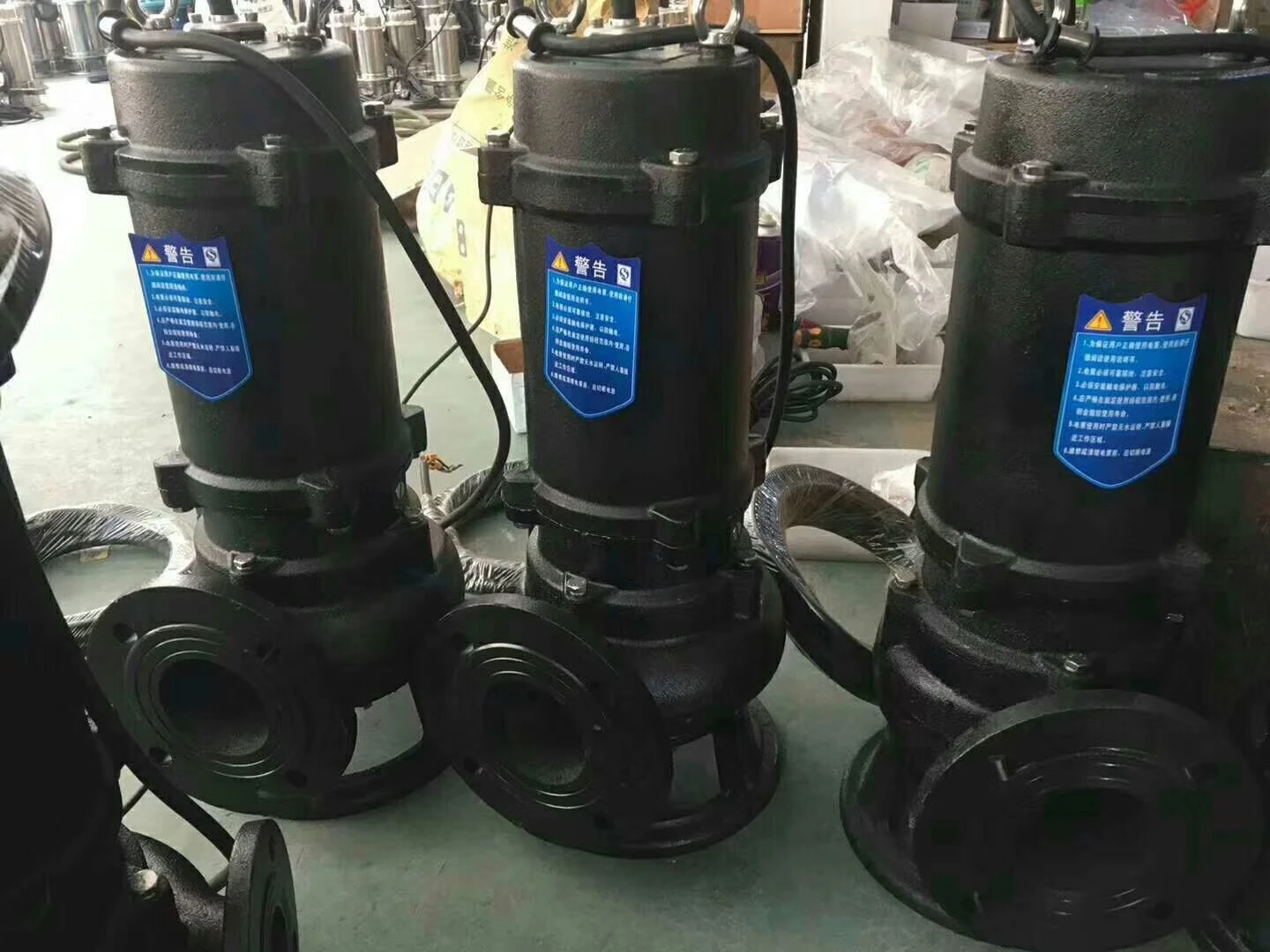
Introduction
Hydromatic submersible sewage ejector pumps are critical components within wastewater management systems, designed for the reliable transfer of sewage and effluent in residential, commercial, and industrial applications. Positioned within the hydraulic transport chain, these pumps overcome gravity challenges by efficiently lifting wastewater from below-grade collection points to a discharge point suitable for gravity flow or further treatment. Core performance characteristics are defined by flow rate (gallons per minute or liters per second), head (vertical lift capability in feet or meters), motor horsepower, and solids handling capacity. A primary industry pain point revolves around pump failure due to abrasive solids, clogging, and corrosion, leading to significant downtime and costly repairs. Addressing these concerns requires a deep understanding of pump construction materials, impeller design, and the characteristics of the wastewater being handled. Proper selection and maintenance are crucial for optimizing lifecycle cost and ensuring consistent performance.
Material Science & Manufacturing
The construction of a hydromatic submersible sewage ejector pump leverages several materials chosen for their specific properties. Pump housings are frequently cast iron (ASTM A48 Class 30) providing robust structural integrity and abrasion resistance. Impellers, responsible for imparting kinetic energy to the fluid, can be manufactured from high-chrome cast iron, stainless steel (typically 304 or 316 for enhanced corrosion resistance), or engineered polymers. Shafts are typically made from 4140 alloy steel, heat-treated for increased tensile strength and wear resistance. Seals are crucial for maintaining watertight integrity and are commonly composed of silicon carbide mechanical seals. Elastomeric components, such as O-rings and diaphragms, utilize materials like nitrile rubber (NBR) or Viton (FKM) depending on the chemical compatibility requirements. Manufacturing processes include sand casting for the housing, investment casting or machining for impellers, and precision machining for shafts and other critical components. Welding processes, often utilizing shielded metal arc welding (SMAW) or gas tungsten arc welding (GTAW), are employed for assembling specific pump components. Parameter control during manufacturing is vital. This includes precise mold design for consistent castings, heat treatment temperature control to achieve optimal material properties, and dimensional accuracy verification through Coordinate Measuring Machines (CMM) to ensure proper fit and function. Failure to maintain tight tolerances can lead to premature wear, reduced efficiency, and increased vibration.
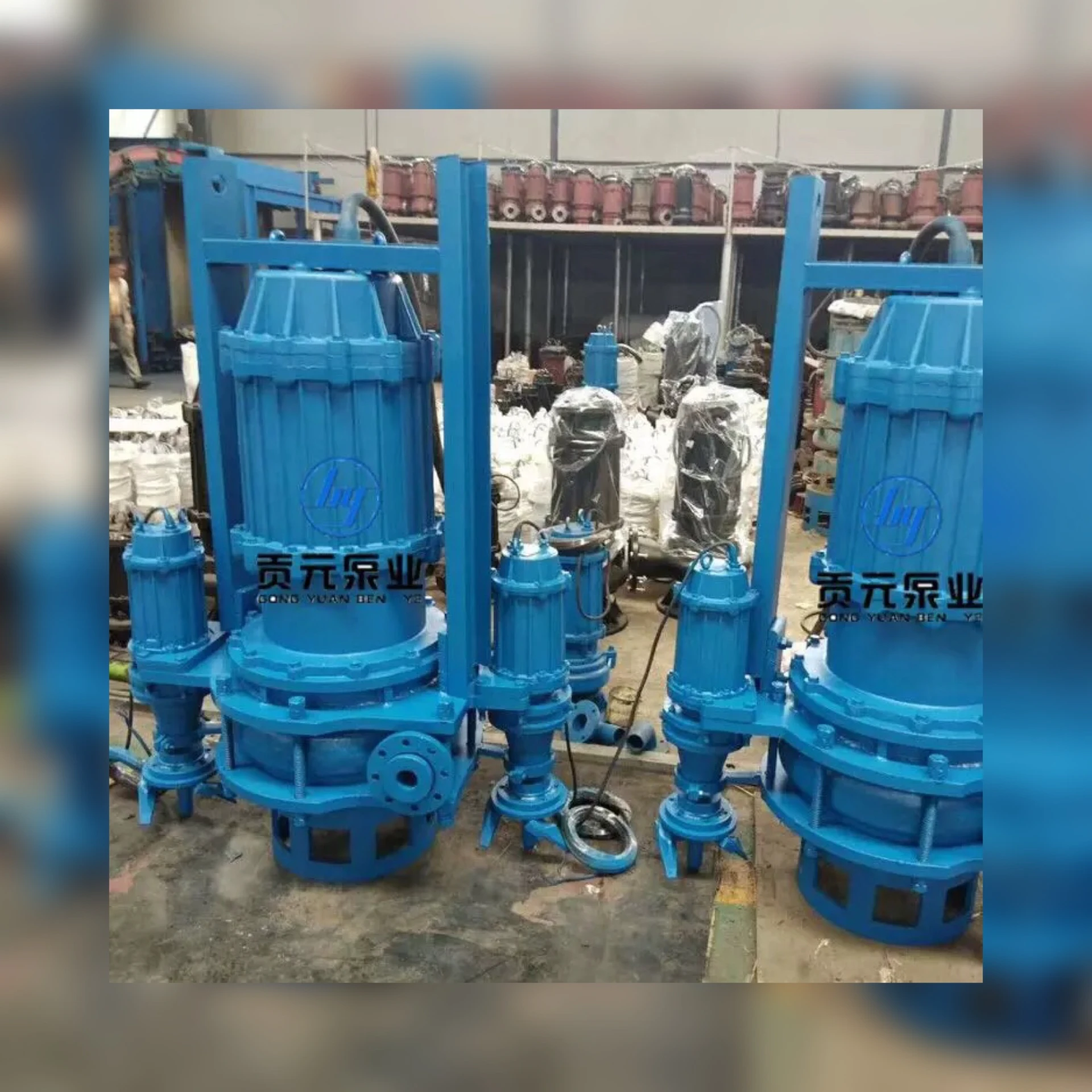
Performance & Engineering
The performance of a hydromatic submersible sewage ejector pump is directly linked to hydraulic design and motor characteristics. Force analysis involves calculating the radial and axial loads imposed on the impeller and shaft due to fluid pressure and solids impact. Finite Element Analysis (FEA) is often used to optimize impeller geometry and shaft design to minimize stress concentration and prevent fatigue failure. Environmental resistance is a key consideration, particularly in corrosive wastewater environments. Materials selection, as discussed earlier, plays a crucial role. Coatings, such as epoxy or polyurethane, are frequently applied to pump housings to provide an additional barrier against corrosion. Pump curves, which illustrate the relationship between flow rate, head, and efficiency, are essential for selecting the appropriate pump for a given application. These curves are generated through rigorous hydraulic testing and are often presented in compliance with Hydraulic Institute standards. Compliance requirements include adherence to National Electrical Manufacturers Association (NEMA) standards for motor performance and safety, as well as relevant local and regional wastewater discharge regulations. Functional implementation requires careful consideration of system head loss, pipe diameter, and the potential for solids buildup. Proper pump sizing prevents cavitation and ensures efficient operation.
Technical Specifications
| Model Number | Horsepower (HP) | Maximum Head (ft) | Maximum Flow Rate (GPM) |
|---|---|---|---|
| HS20S1.5 | 1.5 | 60 | 100 |
| HS30S2 | 2 | 80 | 150 |
| HS40S3 | 3 | 100 | 225 |
| HS50S5 | 5 | 120 | 350 |
| HS60S7.5 | 7.5 | 150 | 500 |
| HS80S10 | 10 | 180 | 700 |
Failure Mode & Maintenance
Common failure modes in hydromatic submersible sewage ejector pumps include impeller wear, seal failure, motor burnout, and bearing failure. Impeller wear is often caused by abrasive solids in the wastewater, leading to reduced pump efficiency and flow rate. Seal failure results in water ingress into the motor housing, potentially causing short circuits and motor failure. Motor burnout can occur due to overheating, caused by insufficient cooling or overload conditions. Bearing failure is often a consequence of inadequate lubrication or excessive radial/axial loads. Failure analysis should include visual inspection for wear, corrosion, and damage, as well as electrical testing to assess motor insulation integrity. Preventative maintenance is crucial for extending pump lifespan. This includes regular inspection of seals and bearings, lubrication according to manufacturer’s recommendations, and cleaning of the impeller to remove accumulated solids. Periodic motor resistance testing can identify developing winding faults. Scheduled replacement of wear components, such as seals and elastomers, based on operational hours or calendar intervals, minimizes the risk of unexpected failures. Proper installation, ensuring adequate clearance around the pump and preventing solids buildup, is also essential for reliable operation. Addressing vibration issues promptly, through balancing or alignment, prevents accelerated wear on bearings and seals.
Industry FAQ
Q: What is the impact of wastewater solids concentration on pump selection?
A: Higher solids concentrations necessitate pumps with larger impeller clearances and more robust impeller designs to prevent clogging and abrasion. Pump capacity should be derated to account for increased head loss due to solids presence. Solids handling capability, expressed as sphere size, should be carefully matched to the expected solids content of the wastewater.
Q: How does the specific gravity of the wastewater affect pump performance?
A: Wastewater with a higher specific gravity (due to dissolved solids or suspended materials) increases the hydraulic load on the pump, reducing flow rate and efficiency. Pump curves are typically based on water (specific gravity of 1.0). Corrections may be necessary for fluids with significantly different specific gravities.
Q: What are the common causes of pump overheating and how can they be prevented?
A: Pump overheating can result from insufficient cooling (due to low wastewater levels or inadequate ventilation), excessive cycling (short-cycling), or motor overload. Prevention involves ensuring proper pump submergence, implementing appropriate pump controls to minimize cycling, and selecting a motor with sufficient horsepower for the application.
Q: What type of seal is recommended for highly abrasive wastewater?
A: Silicon carbide mechanical seals are generally recommended for highly abrasive wastewater due to their superior hardness and wear resistance compared to other seal materials. Double mechanical seals with a barrier fluid are often employed in extremely abrasive applications to provide an extra layer of protection.
Q: How important is proper impeller balancing, and how often should it be performed?
A: Proper impeller balancing is critical for minimizing vibration and extending bearing life. Imbalance causes excessive stress on bearings and seals, leading to premature failure. Impeller balancing should be performed during initial assembly and after any impeller repairs or modifications. Routine vibration analysis can indicate the need for rebalancing.
Conclusion
Hydromatic submersible sewage ejector pumps are complex electromechanical systems demanding careful consideration of material science, hydraulic engineering, and operational parameters. The longevity and reliability of these pumps are intrinsically linked to appropriate selection, informed by a thorough understanding of wastewater characteristics and system requirements. Addressing industry pain points – such as abrasion, corrosion, and clogging – necessitates utilizing robust materials, implementing preventative maintenance programs, and adhering to established industry standards.
Future advancements in pump technology will likely focus on enhanced impeller designs for improved solids handling, the integration of smart sensors for predictive maintenance, and the development of more corrosion-resistant materials. Continuous monitoring of pump performance data, coupled with advanced analytics, will enable proactive identification of potential failures and optimization of operational efficiency. Selecting pumps that conform to stringent environmental regulations and minimizing energy consumption will also remain a key priority.
-
Precision at the Pump: How Better Machining Protects Flow and Uptime
News2026-11-20
-
Why Pump Reliability Begins Before the First Drop of Fluid
News2026-11-20
-
Beyond the Pump: Designing Safer Access Around Critical Water Infrastructure
News2026-11-20
-
Why Pumping Stations Depend on the Infrastructure Beneath the Pumps
News2026-11-20
-
Beyond the Pump Room: How Smarter Loading Protects Industrial Equipment
News2026-11-19
-
When Pumps Stop: Designing More Resilient Power for Critical Pumping Systems
News2026-11-19
-
The Hidden Role of Dust and Gas Monitoring in Reliable Pump Operations
News2026-11-19
-
The Hidden Role of Mineral Compounds in Extending Industrial Pump Lifespan
News2026-10-12
-
Why Pump System Reliability Depends on Precision Hose Assembly Methods
News2026-09-15
-
How Advanced Imaging Films Are Transforming Pump Component Quality Control
News2026-08-25
-
How Advanced Filtration Protects Pump Systems from Premature Wear and Costly Downtime
News2026-08-25
-
How Steel Material Selection Drives Pump Reliability in Heavy-Duty Systems
News2026-08-25
-
Ensuring Pump System Efficiency: The Role of High-Quality Pipe Fittings and Tubing
News2026-08-24
-
Optimizing Fluid Dynamics and Material Consistency in Industrial Processing
News2026-08-18
-
Innovations and Challenges in Hydraulic Systems for Heavy Machinery
News2026-08-13




