English
- Afrikaans
- Albanian
- Amharic
- Arabic
- Armenian
- Azerbaijani
- Basque
- Belarusian
- Bengali
- Bosnian
- Bulgarian
- Catalan
- Cebuano
- Corsican
- Croatian
- Czech
- Danish
- Dutch
- English
- Esperanto
- Estonian
- Finnish
- French
- Frisian
- Galician
- Georgian
- German
- Greek
- Gujarati
- Haitian Creole
- hausa
- hawaiian
- Hebrew
- Hindi
- Miao
- Hungarian
- Icelandic
- igbo
- Indonesian
- irish
- Italian
- Japanese
- Javanese
- Kannada
- kazakh
- Khmer
- Rwandese
- Korean
- Kurdish
- Kyrgyz
- Lao
- Latin
- Latvian
- Lithuanian
- Luxembourgish
- Macedonian
- Malgashi
- Malay
- Malayalam
- Maltese
- Maori
- Marathi
- Mongolian
- Myanmar
- Nepali
- Norwegian
- Norwegian
- Occitan
- Pashto
- Persian
- Polish
- Portuguese
- Punjabi
- Romanian
- Russian
- Samoan
- Scottish Gaelic
- Serbian
- Sesotho
- Shona
- Sindhi
- Sinhala
- Slovak
- Slovenian
- Somali
- Spanish
- Sundanese
- Swahili
- Swedish
- Tagalog
- Tajik
- Tamil
- Tatar
- Telugu
- Thai
- Turkish
- Turkmen
- Ukrainian
- Urdu
- Uighur
- Uzbek
- Vietnamese
- Welsh
- Bantu
- Yiddish
- Yoruba
- Zulu

Telephone: +86 13120555503
Email: frank@cypump.com


Apr . 01, 2024 17:55 Back to list
hydraulic pump for slurry tanker operation Performance Analysis
Introduction
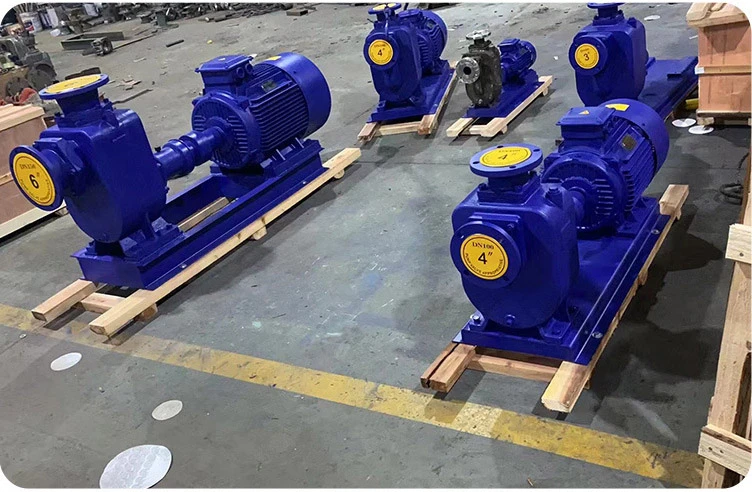
Hydraulic pumps for slurry tanker operation represent a critical component in modern agricultural and industrial fluid handling systems. These pumps are specifically engineered to efficiently transfer viscous, abrasive, and often corrosive slurries – typically composed of manure, sewage, or industrial waste – from collection points to storage facilities or application sites. Unlike centrifugal pumps, which struggle with these fluid types, positive displacement hydraulic pumps provide consistent flow rates regardless of viscosity or pressure variations. Their technical position within the slurry handling chain lies immediately downstream of the slurry source (e.g., lagoon, digester) and upstream of the distribution system (e.g., tanker spreaders, irrigation lines). Core performance characteristics revolve around flow rate (liters per minute or gallons per minute), pressure (bar or PSI), solids handling capability (particle size and concentration), and overall reliability in demanding environments. The industry faces consistent pain points related to pump wear due to abrasive slurry components, sealing failures leading to leakage and environmental contamination, and the high energy consumption associated with maintaining flow against significant resistance.
Material Science & Manufacturing
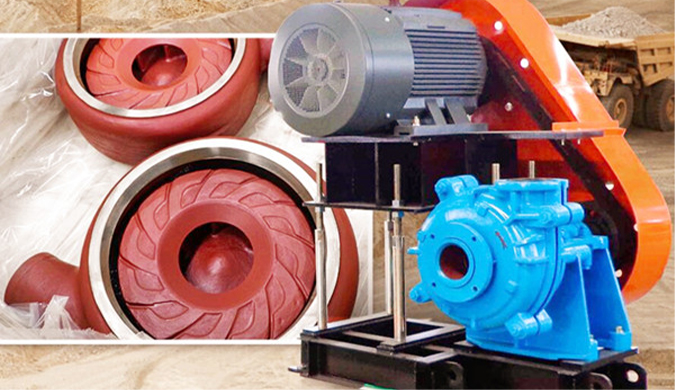
The construction of hydraulic pumps for slurry tankers necessitates materials resistant to both abrasion and chemical attack. Pump housings are frequently manufactured from high-strength cast iron (ASTM A48 Class 30) due to its cost-effectiveness and reasonable wear resistance, although stainless steel (316L, for improved corrosion resistance) or even duplex stainless steels are becoming increasingly common, particularly in applications handling highly corrosive slurries. Impellers and internal components subjected to direct slurry contact are often hardened with tungsten carbide coatings or manufactured entirely from high-chrome cast iron (typically 19-27% chromium content). These materials exhibit exceptional hardness and resistance to erosion. Manufacturing processes typically involve precision casting, followed by machining to tight tolerances. Critical parameters include impeller balance to minimize vibration and bearing clearances to prevent leakage. Sealing elements represent a significant challenge. Mechanical seals, utilizing materials like silicon carbide faces and Viton elastomers, are commonly employed, but are prone to wear. The manufacturing of these seals requires meticulous quality control to ensure proper seating and sealing force. Hydraulic connections are generally manufactured from carbon steel with zinc-nickel plating to prevent corrosion. Welding processes, when used, must conform to AWS D1.1 standards to ensure structural integrity. The selection of O-rings and gaskets must consider chemical compatibility with the slurry composition; EPDM or FFKM are frequently chosen for their broad chemical resistance.
Performance & Engineering
Performance analysis of these pumps centers around hydraulic power, volumetric efficiency, and mechanical efficiency. Hydraulic power (P) is calculated as P = Q ΔP, where Q is the volumetric flow rate and ΔP is the differential pressure. Achieving optimal efficiency requires careful design of impeller geometry and internal flow paths to minimize turbulence and energy losses. Force analysis is crucial, particularly concerning the impeller and shaft assembly. Centrifugal forces generated by the rotating impeller must be counteracted by robust bearing supports. The design must account for both static and dynamic loads, including the weight of the slurry and potential shock loads from solid particles. Environmental resistance is paramount; pumps must operate reliably in outdoor conditions, exposed to temperature fluctuations, rain, and dust. IP65 or higher ingress protection ratings are typically required. Compliance requirements vary depending on the region. In Europe, the Machinery Directive (2006/42/EC) and ATEX Directive (2014/34/EU) may apply, particularly if the pump is used in potentially explosive atmospheres. North American regulations may include ANSI/ASME standards. Functional implementation involves integrating the pump with the tanker’s hydraulic system, including a power unit, control valves, and pressure relief mechanisms. Proper sizing of the hydraulic motor is essential to match the pump’s flow rate and pressure requirements. Cavitation, a common issue with pumps, must be avoided through careful suction lift management and appropriate pump selection.
Technical Specifications
| Parameter | Unit | Typical Range (Light Slurry) | Typical Range (Heavy Slurry) |
|---|---|---|---|
| Flow Rate | m³/h | 10 - 80 | 5 - 50 |
| Maximum Pressure | bar | 10 - 40 | 20 - 60 |
| Solids Handling Capability | mm | Up to 50 | Up to 75 |
| Pump Type | - | Diaphragm, Progressive Cavity | Progressive Cavity, Lobe |
| Power Requirement | kW | 5 - 20 | 15 - 40 |
| Inlet/Outlet Connection | inches | 2 - 4 | 3 - 6 |
Failure Mode & Maintenance
Failure modes in hydraulic pumps for slurry tankers are diverse, stemming from the abrasive and corrosive nature of the fluids they handle. Fatigue cracking in the pump housing and impeller is common, initiated by cyclic loading and exacerbated by stress concentrations. Delamination of protective coatings (e.g., tungsten carbide) can occur, exposing the underlying material to accelerated erosion. Degradation of sealing materials (O-rings, mechanical seals) leads to leakage and reduced pump efficiency. Oxidation of metallic components, particularly in environments with high sulfide content, contributes to corrosion and material loss. A common failure point is the wear of the internal components of progressive cavity pumps, specifically the stator. Maintenance protocols should include regular inspections for wear and corrosion, periodic replacement of seals and wear parts, and lubrication of bearings. Preventive maintenance programs should incorporate slurry analysis to identify abrasive components and adjust pump operating parameters accordingly. In the event of cavitation, immediate shutdown and investigation are required to prevent further damage. Regular monitoring of pump vibration can provide early warning signs of bearing failure or impeller imbalance. For diaphragm pumps, check the diaphragm for tears or punctures. Proper winterization, including draining the pump and protecting it from freezing temperatures, is also critical to prevent damage.
Industry FAQ
Q: What is the primary difference between a diaphragm pump and a progressive cavity pump for slurry applications?
A: Diaphragm pumps are generally more suitable for lower viscosity slurries and applications requiring pulsation-free flow. They excel at handling fluids containing large solids but have lower pressures. Progressive cavity pumps are better suited for high viscosity slurries and higher pressures, offering consistent flow and excellent solids handling. However, they are more susceptible to damage from abrasive particles and require more frequent maintenance of the stator.
Q: How do I determine the appropriate pump size for my slurry tanker?
A: Pump sizing depends on several factors, including the slurry’s viscosity, density, solids concentration, required flow rate, and the total head (vertical lift plus friction losses in the piping system). Consulting pump performance curves and working with a pump supplier to perform a detailed hydraulic calculation is recommended.
Q: What materials should I specify for the pump if the slurry is highly acidic?
A: For highly acidic slurries, stainless steel (316L or higher alloy content) is essential for the pump housing, impeller, and internal components. Sealing materials should be chemically resistant to the specific acid present, with FFKM often being the preferred choice. Avoid carbon steel components unless they are adequately protected with corrosion-resistant coatings.
Q: What are the common causes of premature pump seal failure in slurry applications?
A: Premature seal failure is often caused by abrasive particles scoring the seal faces, improper seal installation, chemical incompatibility between the seal materials and the slurry, or excessive pressure fluctuations. Regular seal inspections and proper lubrication are crucial for extending seal life.
Q: How can I minimize cavitation damage in my hydraulic slurry pump?
A: Minimizing cavitation requires ensuring adequate suction head (avoiding excessive lift), maintaining a consistent slurry supply, and selecting a pump with appropriate Net Positive Suction Head Required (NPSHR) characteristics. Reducing the slurry’s temperature can also help, as colder fluids are less prone to cavitation.
Conclusion
Hydraulic pumps designed for slurry tanker operation are complex systems demanding careful material selection, precise manufacturing, and diligent maintenance. Their performance directly impacts the efficiency and reliability of slurry handling processes, influencing both operational costs and environmental compliance. The industry trend is shifting towards more durable materials like duplex stainless steel and advanced coating technologies to mitigate the effects of abrasion and corrosion, extending pump lifespan and reducing downtime.
Future developments will likely focus on intelligent pump control systems incorporating sensors to monitor slurry properties in real-time and adjust pump parameters accordingly, optimizing efficiency and preventing failures. Further research into advanced sealing technologies and novel materials with enhanced wear resistance will continue to be essential to meeting the evolving demands of this challenging application.
-
Precision at the Pump: How Better Machining Protects Flow and Uptime
News2026-11-20
-
Why Pump Reliability Begins Before the First Drop of Fluid
News2026-11-20
-
Beyond the Pump: Designing Safer Access Around Critical Water Infrastructure
News2026-11-20
-
Why Pumping Stations Depend on the Infrastructure Beneath the Pumps
News2026-11-20
-
Beyond the Pump Room: How Smarter Loading Protects Industrial Equipment
News2026-11-19
-
When Pumps Stop: Designing More Resilient Power for Critical Pumping Systems
News2026-11-19
-
The Hidden Role of Dust and Gas Monitoring in Reliable Pump Operations
News2026-11-19
-
The Hidden Role of Mineral Compounds in Extending Industrial Pump Lifespan
News2026-10-12
-
Why Pump System Reliability Depends on Precision Hose Assembly Methods
News2026-09-15
-
How Advanced Imaging Films Are Transforming Pump Component Quality Control
News2026-08-25
-
How Advanced Filtration Protects Pump Systems from Premature Wear and Costly Downtime
News2026-08-25
-
How Steel Material Selection Drives Pump Reliability in Heavy-Duty Systems
News2026-08-25
-
Ensuring Pump System Efficiency: The Role of High-Quality Pipe Fittings and Tubing
News2026-08-24
-
Optimizing Fluid Dynamics and Material Consistency in Industrial Processing
News2026-08-18
-
Innovations and Challenges in Hydraulic Systems for Heavy Machinery
News2026-08-13




