


Drawbar Eyes are essential for secure towing, but their role in pump system stability is often overlooked. When pumps operate under high pressure, the integrity of connecting components like drawbar eyes directly affects vibration dampening and alignment, reducing wear on seals and bearings. Choosing forged steel over cast alternatives ensures these parts withstand cyclic loads without cracking, extending overall system life.
In the pumping industry, material selection is not just about weight or cost—it defines how a system handles stress, corrosion, and temperature fluctuations. For example, Trailer Coupling components require similar fatigue resistance as pump shafts, making high-grade steel a mutual priority. Operators who specify forged steel for these parts often report fewer breakdowns and lower maintenance intervals, especially in heavy-duty slurry or wastewater applications.
The Hidden Cost of Substandard Steel in Pump Components
Many pump failures stem from micro-cracks in cast steel parts that propagate under cyclical stress. Forged steel, by contrast, aligns grain flow to the component's shape, offering superior toughness. This is critical for impellers, couplings, and even mounting brackets. In the pumping sector, where downtime can cost thousands per hour, investing in traceable, high-strength steel from reliable suppliers becomes a strategic decision.
Why Forged Steel Outperforms in Corrosive Environments
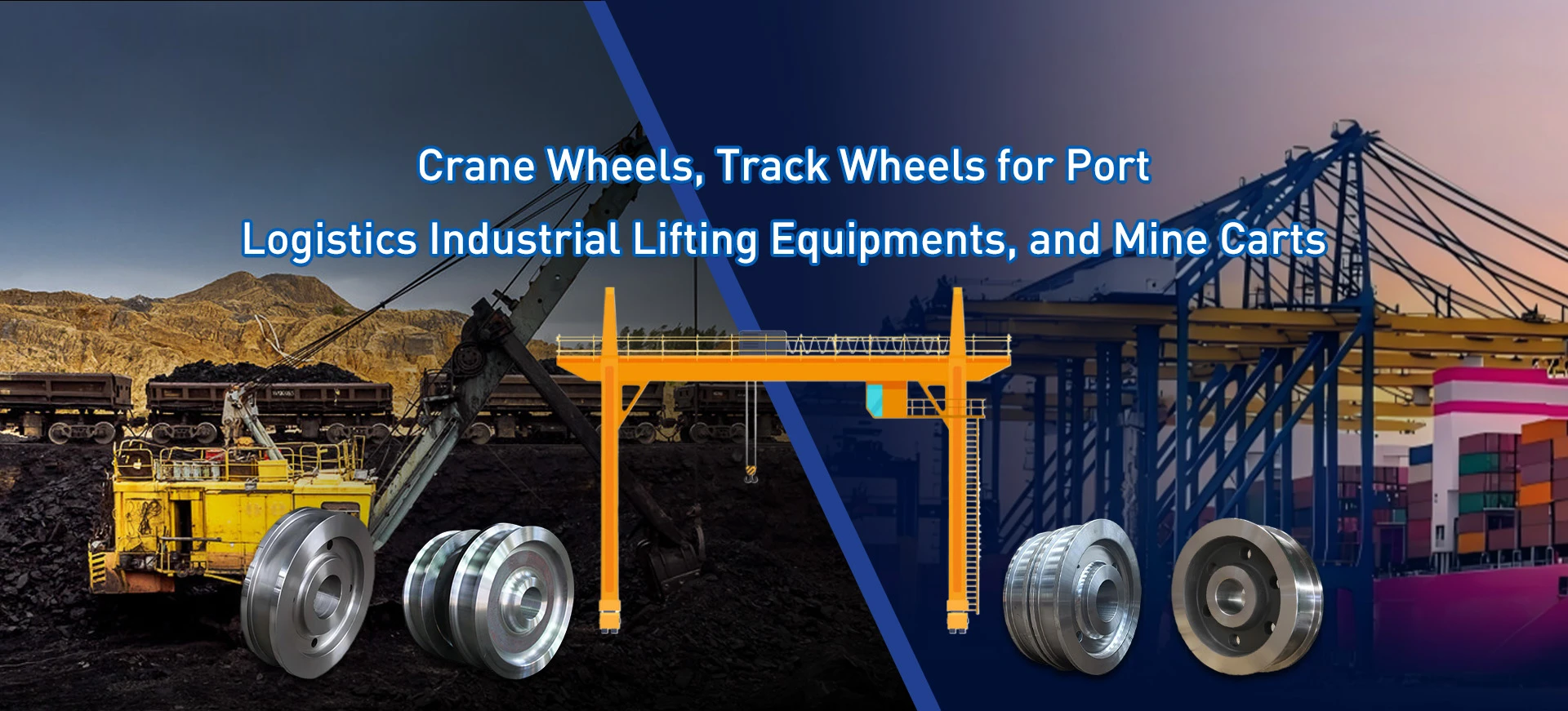
Pumps handling chemicals or seawater demand materials that resist pitting and stress corrosion cracking. Forged steel, when properly alloyed with chromium or molybdenum, offers a dense, non-porous surface that outlasts cast alternatives. A leading manufacturer, Potentia Manufacturing Ltd., based in China, has specialized in forged steel wheels since 1986, applying the same metallurgical principles to produce components that meet international standards. Their factories in competitive casting regions allow them to offer cost-effective solutions without compromising quality, ensuring that every steel joint—whether in a pump mount or a drawbar eye—delivers consistent performance.
Practical Steps for Engineers to Specify Better Steel
When sourcing steel for pump systems, verify the material certificate and test results for yield strength and impact toughness. For critical connections like trailer couplings, request forged rather than cast versions. Also, consider the supplier's communication capability—Potentia's bilingual customer managers, with backgrounds in both engineering and trade, simplify specification and quality control across borders. This reduces delays and ensures that the steel you receive matches the design intent.
In summary, the longevity of pump systems hinges on the steel used in every link—from the drawbar eye to the coupling. By prioritizing forged steel from experienced manufacturers, operators can achieve lower total cost of ownership and higher uptime. The next time you evaluate a pump upgrade, remember that the material hidden inside the component often makes the difference between a reliable asset and a recurring repair.




