English
- Afrikaans
- Albanian
- Amharic
- Arabic
- Armenian
- Azerbaijani
- Basque
- Belarusian
- Bengali
- Bosnian
- Bulgarian
- Catalan
- Cebuano
- Corsican
- Croatian
- Czech
- Danish
- Dutch
- English
- Esperanto
- Estonian
- Finnish
- French
- Frisian
- Galician
- Georgian
- German
- Greek
- Gujarati
- Haitian Creole
- hausa
- hawaiian
- Hebrew
- Hindi
- Miao
- Hungarian
- Icelandic
- igbo
- Indonesian
- irish
- Italian
- Japanese
- Javanese
- Kannada
- kazakh
- Khmer
- Rwandese
- Korean
- Kurdish
- Kyrgyz
- Lao
- Latin
- Latvian
- Lithuanian
- Luxembourgish
- Macedonian
- Malgashi
- Malay
- Malayalam
- Maltese
- Maori
- Marathi
- Mongolian
- Myanmar
- Nepali
- Norwegian
- Norwegian
- Occitan
- Pashto
- Persian
- Polish
- Portuguese
- Punjabi
- Romanian
- Russian
- Samoan
- Scottish Gaelic
- Serbian
- Sesotho
- Shona
- Sindhi
- Sinhala
- Slovak
- Slovenian
- Somali
- Spanish
- Sundanese
- Swahili
- Swedish
- Tagalog
- Tajik
- Tamil
- Tatar
- Telugu
- Thai
- Turkish
- Turkmen
- Ukrainian
- Urdu
- Uighur
- Uzbek
- Vietnamese
- Welsh
- Bantu
- Yiddish
- Yoruba
- Zulu

Telephone: +86 13120555503
Email: frank@cypump.com


Apr . 01, 2024 17:55 Back to list
hot sale vertical submersible sewage pump Performance Engineering
Introduction
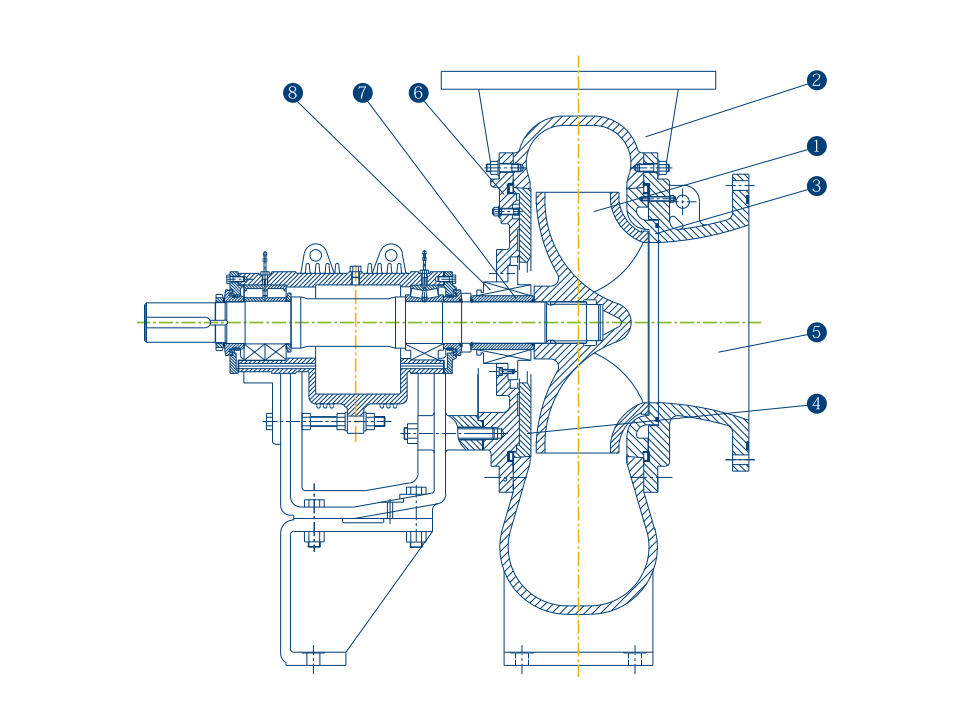
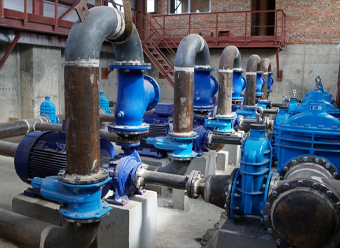
Vertical submersible sewage pumps represent a critical component in wastewater treatment and conveyance systems globally. These pumps are designed for efficient and reliable removal of solids-laden wastewater, offering a robust alternative to traditional surface-mounted pump installations. Their fully submersible design eliminates the need for priming, reduces noise pollution, and minimizes the risk of cavitation. Within the broader pump industry, vertical submersible sewage pumps occupy a specialized niche, addressing the unique challenges presented by abrasive and corrosive wastewater environments. Core performance characteristics revolve around hydraulic efficiency, solids handling capability, motor protection, and overall longevity in demanding submerged conditions. The increasing urbanization and stringent environmental regulations are driving demand for these pumps, necessitating advancements in material science and pump design for improved reliability and operational efficiency.
Material Science & Manufacturing
The construction of a vertical submersible sewage pump necessitates a careful selection of materials to withstand the harsh operating environment. Pump casings are typically manufactured from ductile iron (ASTM A536-83), chosen for its high tensile strength, ductility, and corrosion resistance, particularly when coupled with epoxy or polyurethane coatings for enhanced protection against chemical attack. Impellers, often exposed to significant abrasive wear, are commonly fabricated from high-chrome cast iron (ASTM A532 Grade III), offering exceptional hardness and erosion resistance. Shafts are generally constructed from stainless steel (AISI 4140 or equivalent), providing high torsional strength and resistance to corrosion. Seals utilize materials like silicon carbide and Viton (fluoroelastomer) to provide effective sealing against wastewater ingress while resisting chemical degradation.
Manufacturing processes involve several critical stages. Casing production employs sand casting followed by rigorous quality control checks for porosity and dimensional accuracy. Impellers are created through investment casting, enabling complex geometries optimized for hydraulic performance. Shaft machining requires precise tolerances to ensure concentricity and minimize vibration. The pump assembly process is highly automated, integrating the mechanical seal, bearings, and motor. Motor windings are typically vacuum-impregnated with epoxy resin to provide electrical insulation and prevent moisture ingress. Final testing includes hydrostatic pressure testing, no-load performance testing, and dielectric strength testing to verify operational integrity. Parameter control is vital: sand moisture content, casting temperature, impeller balancing, and seal compression all impact long-term reliability.
Performance & Engineering
The performance of a vertical submersible sewage pump is dictated by a complex interplay of hydraulic forces and mechanical considerations. Force analysis centers around impeller design, aiming to maximize hydraulic efficiency while minimizing radial thrust loads on the bearings. Computational Fluid Dynamics (CFD) modeling is extensively used to optimize impeller geometry and volute design for specific flow rates and head requirements. Environmental resistance is paramount; the pump must withstand continuous submersion in corrosive wastewater, varying temperatures, and potential solids accumulation. Motor cooling is achieved through oil-filled housings, allowing heat dissipation and lubrication of bearings.
Compliance requirements are stringent, varying by region. Pumps intended for potable water applications must comply with NSF/ANSI 61 standards regarding lead content and material leachability. Electrical safety is governed by IEC 60335-1 and UL 508A standards, ensuring proper grounding and insulation to prevent electrical shock. Performance standards are often defined by Hydraulic Institute standards (HI) which establish guidelines for pump efficiency, head-capacity curves, and noise levels. Furthermore, the pump’s mechanical design must address fatigue loading due to cyclic operation, and corrosion prevention measures, such as sacrificial anodes or cathodic protection, may be necessary in particularly aggressive environments. Proper selection of cable type and termination is critical to prevent water ingress and electrical failure.
Technical Specifications
| Parameter | Unit | Typical Range | Industry Standard |
|---|---|---|---|
| Flow Rate | m³/h | 10 - 1000 | HI 1.6 |
| Total Dynamic Head | m | 5 - 80 | ISO 9906 |
| Motor Power | kW | 0.75 - 300 | IEC 60034-1 |
| Maximum Solids Handling | mm | Up to 75 | ASTM D3352 |
| Impeller Material | - | High-Chrome Cast Iron | ASTM A532 Grade III |
| Casing Material | - | Ductile Iron | ASTM A536-83 |
Failure Mode & Maintenance
Vertical submersible sewage pumps are susceptible to several failure modes. Fatigue cracking in the impeller or casing can occur due to cyclic stress, particularly with pumps handling abrasive solids. Delamination of the epoxy or polyurethane coating on the casing exposes the underlying iron to corrosion. Bearing failure is a common issue, often resulting from inadequate lubrication, solids ingress, or excessive radial loads. Seal failure leads to water ingress, compromising the motor and causing electrical short circuits. Oxidation of electrical connections can increase resistance and lead to overheating.
Preventative maintenance is crucial. Regular inspection of the pump for signs of wear, corrosion, and leakage is essential. Bearing lubrication should be performed according to manufacturer’s recommendations. The mechanical seal should be replaced periodically, based on operating hours and wastewater composition. Impeller and casing should be inspected for wear and repaired or replaced as needed. Electrical connections should be checked for tightness and corrosion. Routine testing of the pump’s electrical insulation resistance is recommended to detect early signs of motor winding degradation. In case of pump failure, a thorough failure analysis should be conducted to identify the root cause and prevent recurrence. This analysis may include visual inspection, non-destructive testing (NDT) methods like ultrasonic testing, and material analysis.
Industry FAQ
Q: What is the primary advantage of a vertical submersible pump over a traditional surface-mounted sewage pump?
A: The primary advantage lies in the elimination of priming requirements and reduced noise levels. Submersible pumps are self-priming as they are always submerged in the fluid, and their submerged operation dampens noise significantly. Furthermore, the enclosed design minimizes the risk of cavitation and eliminates the need for complex suction piping.
Q: How does the solids handling capability of a pump affect its overall lifespan?
A: A pump with inadequate solids handling capability will experience accelerated wear on the impeller and casing, leading to premature failure. The impeller material and design are critical factors; high-chrome cast iron impellers are significantly more resistant to abrasion than standard cast iron. Regular inspection and replacement of worn components are essential for maintaining optimal performance and extending the pump’s lifespan.
Q: What are the key considerations when selecting a motor for a submersible sewage pump?
A: Key considerations include the motor’s power rating, efficiency, and insulation class. The motor must be adequately sized to handle the pump’s hydraulic load. High-efficiency motors minimize energy consumption. The insulation class (e.g., Class H) must be appropriate for the operating temperature and humidity. The motor windings must be vacuum-impregnated to prevent moisture ingress and electrical failure.
Q: What type of maintenance schedule is recommended for a vertical submersible sewage pump in a municipal wastewater treatment plant?
A: A recommended schedule includes monthly visual inspections for leaks and unusual noise, quarterly bearing lubrication, annual seal replacement, and bi-annual electrical connection checks. Regular monitoring of pump performance data (flow rate, head, power consumption) can help identify potential problems early on. A comprehensive failure analysis should be performed after any major component failure.
Q: How do different wastewater compositions affect the corrosion rate of pump materials?
A: Wastewater composition significantly impacts corrosion rates. High sulfide content promotes microbiologically influenced corrosion (MIC), while high chloride concentrations accelerate pitting corrosion. Pump materials should be selected based on the specific characteristics of the wastewater. Epoxy or polyurethane coatings can provide a barrier against chemical attack, and sacrificial anodes can be used to protect the pump from corrosion in aggressive environments.
Conclusion
Vertical submersible sewage pumps are indispensable components in modern wastewater management systems. Their robust design, coupled with advancements in material science and manufacturing processes, ensures reliable and efficient operation in challenging environments. Understanding the underlying principles of hydraulic performance, material compatibility, and potential failure modes is critical for selecting the appropriate pump for a specific application and implementing a preventative maintenance program that maximizes longevity and minimizes downtime.
Future development in this field will likely focus on improving pump efficiency through advanced impeller designs and variable frequency drives (VFDs), enhancing corrosion resistance through novel coating materials, and integrating smart sensors for predictive maintenance and remote monitoring. Addressing the challenges of abrasive wastewater and corrosive environments remains paramount, driving innovation in pump technology and ensuring sustainable wastewater management practices.
-
Precision at the Pump: How Better Machining Protects Flow and Uptime
News2026-11-20
-
Why Pump Reliability Begins Before the First Drop of Fluid
News2026-11-20
-
Beyond the Pump: Designing Safer Access Around Critical Water Infrastructure
News2026-11-20
-
Why Pumping Stations Depend on the Infrastructure Beneath the Pumps
News2026-11-20
-
Beyond the Pump Room: How Smarter Loading Protects Industrial Equipment
News2026-11-19
-
When Pumps Stop: Designing More Resilient Power for Critical Pumping Systems
News2026-11-19
-
The Hidden Role of Dust and Gas Monitoring in Reliable Pump Operations
News2026-11-19
-
The Hidden Role of Mineral Compounds in Extending Industrial Pump Lifespan
News2026-10-12
-
Why Pump System Reliability Depends on Precision Hose Assembly Methods
News2026-09-15
-
How Advanced Imaging Films Are Transforming Pump Component Quality Control
News2026-08-25
-
How Advanced Filtration Protects Pump Systems from Premature Wear and Costly Downtime
News2026-08-25
-
How Steel Material Selection Drives Pump Reliability in Heavy-Duty Systems
News2026-08-25
-
Ensuring Pump System Efficiency: The Role of High-Quality Pipe Fittings and Tubing
News2026-08-24
-
Optimizing Fluid Dynamics and Material Consistency in Industrial Processing
News2026-08-18
-
Innovations and Challenges in Hydraulic Systems for Heavy Machinery
News2026-08-13




