English
- Afrikaans
- Albanian
- Amharic
- Arabic
- Armenian
- Azerbaijani
- Basque
- Belarusian
- Bengali
- Bosnian
- Bulgarian
- Catalan
- Cebuano
- Corsican
- Croatian
- Czech
- Danish
- Dutch
- English
- Esperanto
- Estonian
- Finnish
- French
- Frisian
- Galician
- Georgian
- German
- Greek
- Gujarati
- Haitian Creole
- hausa
- hawaiian
- Hebrew
- Hindi
- Miao
- Hungarian
- Icelandic
- igbo
- Indonesian
- irish
- Italian
- Japanese
- Javanese
- Kannada
- kazakh
- Khmer
- Rwandese
- Korean
- Kurdish
- Kyrgyz
- Lao
- Latin
- Latvian
- Lithuanian
- Luxembourgish
- Macedonian
- Malgashi
- Malay
- Malayalam
- Maltese
- Maori
- Marathi
- Mongolian
- Myanmar
- Nepali
- Norwegian
- Norwegian
- Occitan
- Pashto
- Persian
- Polish
- Portuguese
- Punjabi
- Romanian
- Russian
- Samoan
- Scottish Gaelic
- Serbian
- Sesotho
- Shona
- Sindhi
- Sinhala
- Slovak
- Slovenian
- Somali
- Spanish
- Sundanese
- Swahili
- Swedish
- Tagalog
- Tajik
- Tamil
- Tatar
- Telugu
- Thai
- Turkish
- Turkmen
- Ukrainian
- Urdu
- Uighur
- Uzbek
- Vietnamese
- Welsh
- Bantu
- Yiddish
- Yoruba
- Zulu

Telephone: +86 13120555503
Email: frank@cypump.com


Apr . 01, 2024 17:55 Back to list
hot sale submersible sewage pumps Material Science Manufacturing
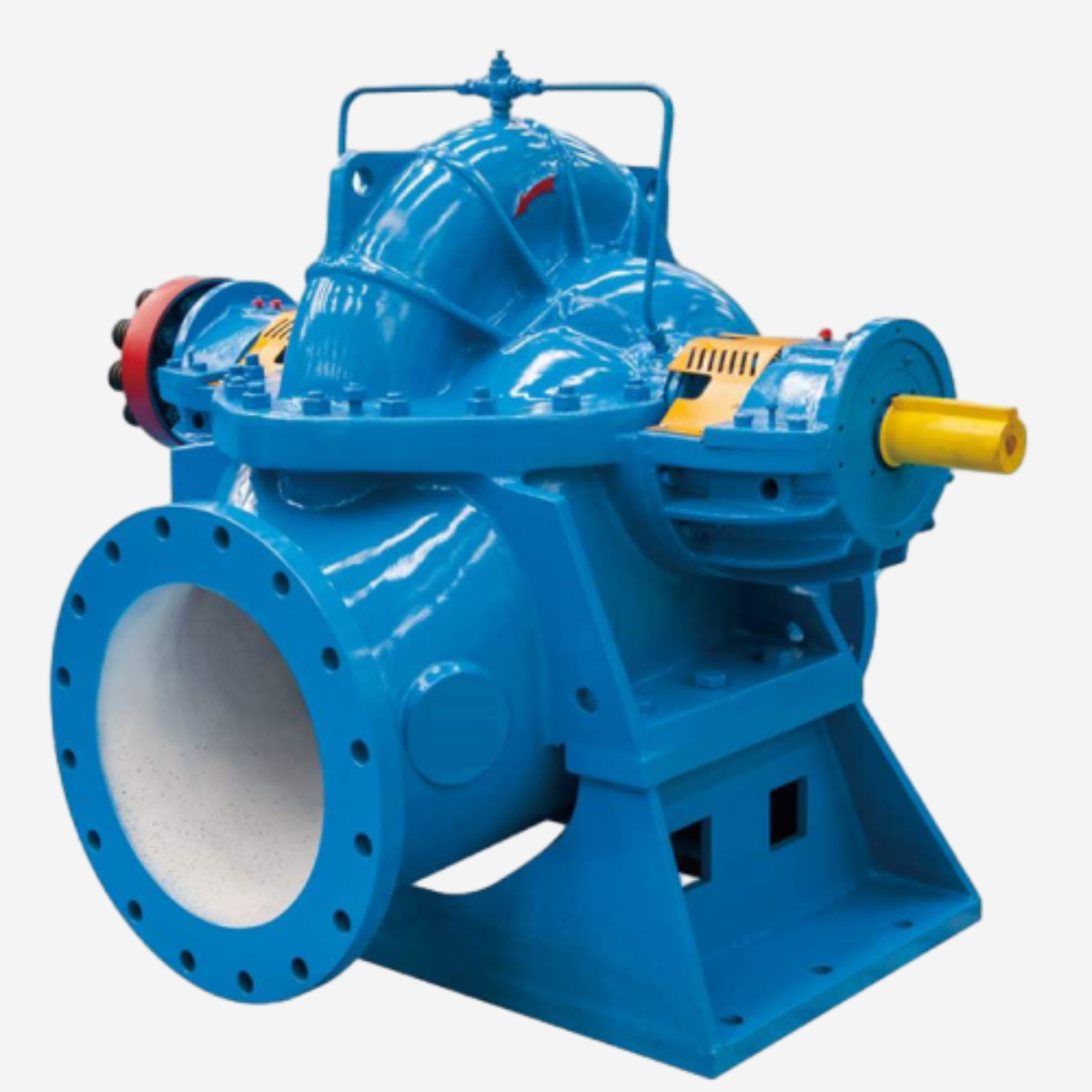
Introduction
Submersible sewage pumps are centrifugal pumps specifically designed for the efficient and reliable transfer of wastewater and solids-laden fluids. Positioned within the municipal and industrial wastewater treatment chain, these pumps offer a critical solution for sewage collection, treatment plant intake, and effluent discharge. Unlike traditional surface-mounted pumps, submersible designs are fully immersed in the fluid being pumped, eliminating the need for priming and significantly reducing noise levels. Core performance characteristics center around hydraulic efficiency, solids handling capability, abrasion resistance, and long-term operational reliability in harsh environments. These pumps are vital infrastructure components contributing to public health and environmental protection by ensuring the effective management of wastewater streams. The key challenges in this sector involve optimizing pump efficiency to reduce energy consumption, minimizing maintenance downtime, and mitigating corrosion due to the aggressive nature of sewage fluids.
Material Science & Manufacturing
The construction of submersible sewage pumps necessitates a careful selection of materials capable of withstanding constant immersion in corrosive fluids and abrasive solids. Pump casings are typically manufactured from grey iron (ASTM A48 Class 30), ductile iron (ASTM A536 65-45-12), or stainless steel (304/316 – ASTM A240). Grey iron provides cost-effectiveness and good damping characteristics, but is susceptible to corrosion. Ductile iron offers improved strength and ductility, enhancing impact resistance. Stainless steel delivers superior corrosion resistance, crucial for aggressive sewage compositions, but at a higher cost. Impellers, which are subject to significant wear, are commonly constructed from high-chrome cast iron (ASTM A532 Type I Class 30) for exceptional abrasion resistance, or stainless steel for enhanced corrosion resistance. Shafts utilize high-strength alloy steel (4140 or 4340 – ASTM A297) heat-treated to achieve optimal tensile strength and fatigue resistance. Seals are vital components; silicon carbide (SiC) vs. silicon carbide mechanical seals are preferred for their superior wear resistance and chemical inertness, minimizing leakage. Manufacturing processes involve sand casting for the pump casing and impeller, followed by machining for precise tolerances. Welding, performed according to AWS D1.1 standards, is utilized for assembling certain components. Critical parameters during manufacturing include dimensional accuracy of the impeller to maximize hydraulic efficiency, surface finish of the casing to minimize friction losses, and precise alignment of the shaft and impeller to prevent premature bearing failure. Quality control utilizes non-destructive testing (NDT) methods such as radiographic inspection and ultrasonic testing to verify weld integrity and material soundness.
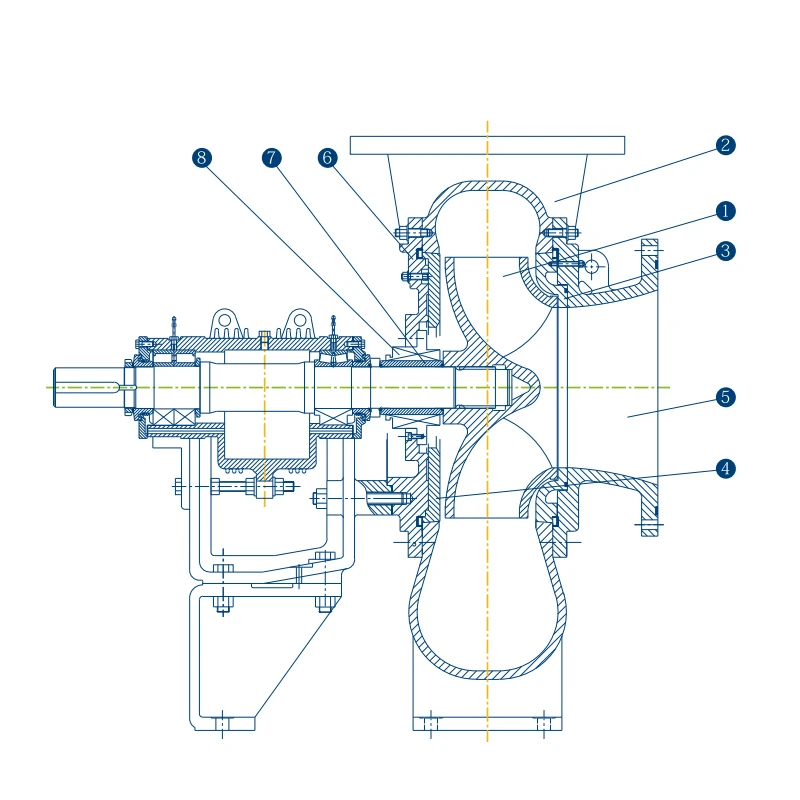
Performance & Engineering
The performance of submersible sewage pumps is heavily reliant on hydraulic design and motor characteristics. Force analysis considers both static and dynamic loads, including the weight of the pump, hydrostatic pressure, and the force exerted by the fluid flow. The pump’s hydraulic power is determined by the flow rate (Q) and head (H), adhering to the affinity laws for centrifugal pumps. Environmental resistance is paramount; pumps must withstand prolonged immersion, temperature fluctuations, and exposure to corrosive substances. Motor selection involves considerations for submersible operation, typically utilizing a squirrel-cage induction motor encapsulated in a watertight housing. Motor insulation class (typically Class H - 180°C) is critical for preventing electrical failure in humid environments. Compliance requirements vary by region but commonly include CE marking (European Conformity), UL listing (Underwriters Laboratories – North America), and adherence to local wastewater discharge regulations. Functional implementation involves a robust mechanical design to handle solids without clogging. Impeller design—often vortex or recessed—is optimized for solids handling. The pump curve, a graphical representation of head vs. flow rate, is a key engineering tool used to select the appropriate pump for a specific application. Bearing selection (typically deep-groove ball bearings or tapered roller bearings) accounts for radial and axial loads, utilizing lubrication systems to minimize friction and wear.
Technical Specifications
| Parameter | Unit | Typical Value (Small Pump) | Typical Value (Large Pump) |
|---|---|---|---|
| Flow Rate | m³/h | 5-20 | 100-500 |
| Total Head | m | 10-30 | 50-100 |
| Motor Power | kW | 0.75-3 | 15-75 |
| Solids Handling Capacity | mm | 25-50 | 75-150 |
| Impeller Type | - | Vortex/Recessed | Vortex/Recessed |
| Casing Material | - | Ductile Iron | Stainless Steel |
Failure Mode & Maintenance
Submersible sewage pumps are susceptible to several failure modes. Fatigue cracking in the pump casing can occur due to cyclic pressure loads, particularly in areas with stress concentrations. Impeller wear, caused by abrasive solids, leads to reduced hydraulic efficiency and eventual failure. Seal failure results in leakage and potential motor damage. Bearing failure, often due to insufficient lubrication or contamination, causes increased vibration and noise. Motor winding failure stems from insulation breakdown due to moisture ingress or overheating. Oxidation and corrosion of metallic components reduce structural integrity. Regular maintenance is crucial. This includes visual inspection for corrosion and wear, lubrication of bearings according to manufacturer's recommendations (typically using lithium-based greases), seal replacement on a scheduled basis, and monitoring of motor current and temperature. Failure analysis techniques, such as metallographic examination and non-destructive testing, are employed to determine the root cause of failures. Preventive maintenance programs, incorporating regular inspections and component replacements, significantly extend the pump's service life and minimize unplanned downtime. For example, periodic measurement of bearing vibration can indicate impending bearing failure, allowing for proactive replacement before catastrophic damage occurs.
Industry FAQ
Q: What is the optimal impeller type for handling highly abrasive sewage sludge?
A: For highly abrasive sewage sludge, a recessed impeller is generally preferred. Recessed impellers offer a larger passage for solids, reducing the risk of clogging and minimizing wear on the impeller vanes. While vortex impellers also handle solids well, they typically have lower hydraulic efficiency than recessed impellers. Material selection – specifically high-chrome cast iron – is equally crucial for maximizing abrasion resistance.
Q: How does the choice of sealing material impact pump longevity in corrosive environments?
A: The sealing material is critical. While elastomer seals (like Buna-N) are cost-effective, they degrade rapidly in contact with aggressive chemicals found in sewage. Silicon carbide (SiC) versus silicon carbide mechanical seals offer superior chemical resistance and wear characteristics, substantially extending pump longevity, even in highly corrosive environments. Double mechanical seals with an oil barrier are recommended for extremely demanding applications.
Q: What are the key considerations for motor protection in a submersible pump application?
A: Motor protection revolves around preventing water ingress and managing heat buildup. The motor must be fully encapsulated in a watertight housing. Utilizing Class H insulation (180°C) provides a higher temperature tolerance. Thermal overload protection, typically through embedded thermal sensors, automatically shuts off the motor in the event of overheating. Proper grounding is essential to prevent electrical shock hazards.
Q: What are the implications of improper pump sizing for wastewater treatment plants?
A: Improper pump sizing can lead to significant operational inefficiencies. An undersized pump will struggle to meet peak flow demands, leading to system backups and potential overflows. An oversized pump operates inefficiently at lower flows, consuming excessive energy and increasing wear and tear. Careful hydraulic analysis, considering flow rate, head requirements, and solids content, is essential for accurate pump selection.
Q: What preventative maintenance procedures are recommended to extend pump life?
A: Key preventative maintenance includes regular inspection of seals, bearings, and casing for wear or corrosion. Lubrication of bearings with the manufacturer’s recommended grease is crucial. Monitoring motor current and temperature helps identify potential electrical issues. Periodic flushing of the pump casing removes accumulated debris. Maintaining accurate records of maintenance activities facilitates informed decision-making.
Conclusion
Submersible sewage pumps represent a cornerstone technology in modern wastewater management. Their robust design, coupled with advancements in material science and hydraulic engineering, ensures reliable performance in challenging environments. Proper material selection, particularly corrosion-resistant alloys and abrasion-resistant impellers, is paramount for long-term durability. Effective preventative maintenance, including regular inspections, seal replacements, and bearing lubrication, is essential for maximizing operational lifespan and minimizing downtime.
Future developments in this field will likely focus on enhancing pump efficiency through advanced impeller designs and variable frequency drives (VFDs). Smart pump technology, incorporating real-time monitoring and predictive maintenance capabilities, will further optimize performance and reduce operational costs. Continued adherence to stringent industry standards and regulations is crucial for ensuring the safe and effective management of wastewater resources.
-
Precision at the Pump: How Better Machining Protects Flow and Uptime
News2026-11-20
-
Why Pump Reliability Begins Before the First Drop of Fluid
News2026-11-20
-
Beyond the Pump: Designing Safer Access Around Critical Water Infrastructure
News2026-11-20
-
Why Pumping Stations Depend on the Infrastructure Beneath the Pumps
News2026-11-20
-
Beyond the Pump Room: How Smarter Loading Protects Industrial Equipment
News2026-11-19
-
When Pumps Stop: Designing More Resilient Power for Critical Pumping Systems
News2026-11-19
-
The Hidden Role of Dust and Gas Monitoring in Reliable Pump Operations
News2026-11-19
-
The Hidden Role of Mineral Compounds in Extending Industrial Pump Lifespan
News2026-10-12
-
Why Pump System Reliability Depends on Precision Hose Assembly Methods
News2026-09-15
-
How Advanced Imaging Films Are Transforming Pump Component Quality Control
News2026-08-25
-
How Advanced Filtration Protects Pump Systems from Premature Wear and Costly Downtime
News2026-08-25
-
How Steel Material Selection Drives Pump Reliability in Heavy-Duty Systems
News2026-08-25
-
Ensuring Pump System Efficiency: The Role of High-Quality Pipe Fittings and Tubing
News2026-08-24
-
Optimizing Fluid Dynamics and Material Consistency in Industrial Processing
News2026-08-18
-
Innovations and Challenges in Hydraulic Systems for Heavy Machinery
News2026-08-13




