English
- Afrikaans
- Albanian
- Amharic
- Arabic
- Armenian
- Azerbaijani
- Basque
- Belarusian
- Bengali
- Bosnian
- Bulgarian
- Catalan
- Cebuano
- Corsican
- Croatian
- Czech
- Danish
- Dutch
- English
- Esperanto
- Estonian
- Finnish
- French
- Frisian
- Galician
- Georgian
- German
- Greek
- Gujarati
- Haitian Creole
- hausa
- hawaiian
- Hebrew
- Hindi
- Miao
- Hungarian
- Icelandic
- igbo
- Indonesian
- irish
- Italian
- Japanese
- Javanese
- Kannada
- kazakh
- Khmer
- Rwandese
- Korean
- Kurdish
- Kyrgyz
- Lao
- Latin
- Latvian
- Lithuanian
- Luxembourgish
- Macedonian
- Malgashi
- Malay
- Malayalam
- Maltese
- Maori
- Marathi
- Mongolian
- Myanmar
- Nepali
- Norwegian
- Norwegian
- Occitan
- Pashto
- Persian
- Polish
- Portuguese
- Punjabi
- Romanian
- Russian
- Samoan
- Scottish Gaelic
- Serbian
- Sesotho
- Shona
- Sindhi
- Sinhala
- Slovak
- Slovenian
- Somali
- Spanish
- Sundanese
- Swahili
- Swedish
- Tagalog
- Tajik
- Tamil
- Tatar
- Telugu
- Thai
- Turkish
- Turkmen
- Ukrainian
- Urdu
- Uighur
- Uzbek
- Vietnamese
- Welsh
- Bantu
- Yiddish
- Yoruba
- Zulu

Telephone: +86 13120555503
Email: frank@cypump.com


Apr . 01, 2024 17:55 Back to list
hot sale submersible sewage pump Performance Analysis
Introduction
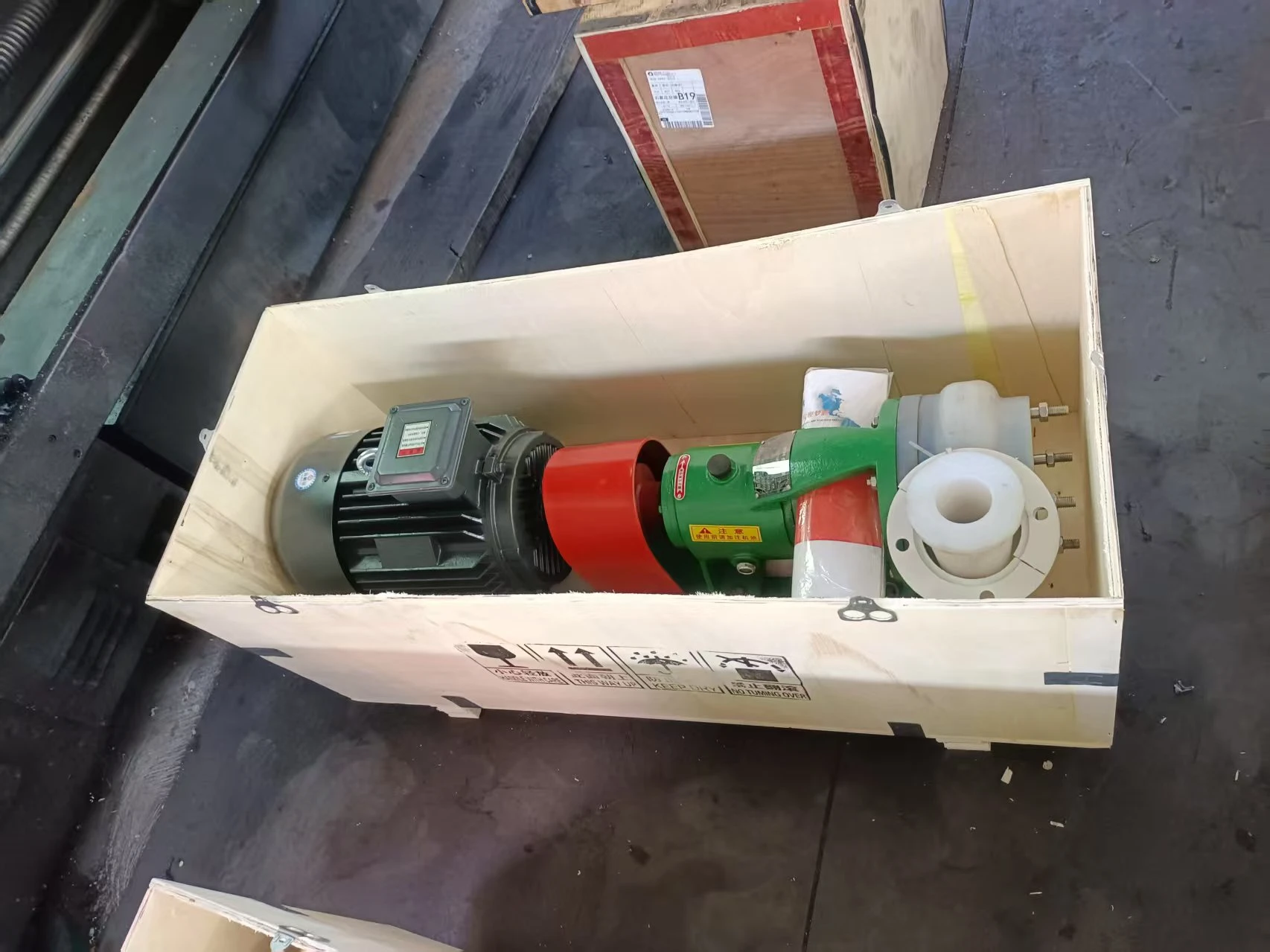
Submersible sewage pumps are centrifugal pumps designed for efficient removal of wastewater, solids, and sludge. Positioned within the municipal and industrial wastewater treatment chains, these pumps are critical for preventing blockages, maintaining system flow, and ensuring environmental compliance. Their key performance indicators revolve around hydraulic efficiency, solids handling capacity, motor protection, and long-term reliability in corrosive environments. Unlike surface-mounted pumps, submersible designs eliminate the need for priming and offer improved suction lift, directly addressing common operational challenges in wastewater management. The industry faces challenges in abrasive wear, clogging from rag and debris, and the need for energy-efficient operation, pushing manufacturers toward advanced impeller designs, robust sealing systems, and intelligent control algorithms. This guide provides an in-depth technical overview of submersible sewage pump technology, covering material science, manufacturing processes, performance characteristics, failure modes, and relevant industry standards.
Material Science & Manufacturing
The construction of a submersible sewage pump demands materials resistant to corrosion, abrasion, and impact. Pump casings are commonly manufactured from cast iron (ASTM A48 Class 30) due to its cost-effectiveness and machinability, often coated with epoxy or other protective coatings for enhanced durability in aggressive fluids. Impellers are frequently constructed from high-chrome cast iron (ASTM A532 Grade 1A) or stainless steel (304/316 – ASTM A743) to resist abrasive wear from solids. Shafts utilize alloy steels (4140 – ASTM A276) heat-treated for high tensile strength and fatigue resistance. Sealing systems, a critical component, employ mechanical seals with faces made from silicon carbide or tungsten carbide, paired with elastomers like Viton (fluoroelastomer) or EPDM (ethylene propylene diene monomer) for chemical compatibility and sealing performance.
Manufacturing processes involve several key steps. Casing production uses sand casting, followed by surface preparation and coating application. Impeller manufacturing incorporates investment casting or sand casting, with precision machining for accurate hydraulic profiles. Shafts undergo machining, heat treatment, and grinding to achieve dimensional accuracy and surface finish. The assembly process is critical, demanding precise alignment of the shaft, impeller, and seal. Welding processes (SMAW or GTAW – AWS D1.1) are employed for certain components, requiring qualified welders and stringent quality control. Motor encapsulation, often involving epoxy resin, is crucial for electrical insulation and corrosion protection. Parameter control during manufacturing focuses on dimensional tolerances, material composition verification through spectroscopic analysis, and non-destructive testing (NDT) such as radiographic inspection (ASTM E94) and ultrasonic testing (ASTM E797) to identify defects.
Performance & Engineering
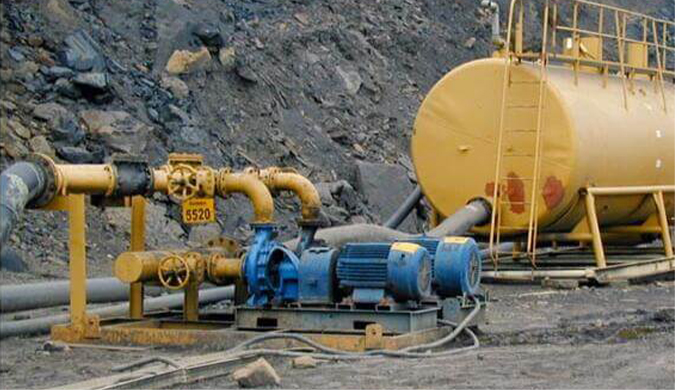
Submersible sewage pump performance is governed by hydraulic principles, fluid dynamics, and mechanical engineering considerations. Force analysis focuses on impeller loading, shaft torsion, and bearing stresses. The pump’s head-capacity curve, derived from affinity laws, defines the relationship between flow rate and discharge pressure. Environmental resistance is paramount; pumps must withstand immersion in corrosive wastewater, fluctuating temperatures, and potential exposure to hazardous gases. Compliance requirements encompass stringent regulations regarding discharge limits, noise levels (ISO 3744), and electrical safety (IEC 60335-2-40).
Functional implementation relies on the pump's ability to macerate solids, preventing clogging and ensuring continuous operation. Impeller design – radial, axial, or mixed flow – impacts solids handling capability and efficiency. Motor selection considers power requirements, voltage compatibility, and the need for thermal overload protection (IEC 60034-1). Pump control systems, incorporating variable frequency drives (VFDs), enable optimization of energy consumption and flow rate based on real-time demand. The pump’s NPSH (Net Positive Suction Head) requirement must be carefully calculated and verified to prevent cavitation, a phenomenon that can cause impeller damage and reduce pump performance. Pump selection also necessitates consideration of the pumped fluid's specific gravity, viscosity, and solids content to ensure optimal performance and prevent premature failure.
Technical Specifications
| Parameter | Unit | Typical Value (Small Pump) | Typical Value (Large Pump) |
|---|---|---|---|
| Flow Rate | m³/h | 5 – 20 | 100 – 500 |
| Total Head | m | 10 – 30 | 50 – 120 |
| Motor Power | kW | 0.75 – 2.2 | 7.5 – 55 |
| Solids Handling Capacity | mm | 25 – 50 | 75 – 150 |
| Maximum Submergence | m | 5 – 20 | 30 – 60 |
| Voltage | V | 230/400 | 400/690 |
Failure Mode & Maintenance
Common failure modes in submersible sewage pumps include impeller wear due to abrasive solids, seal failure leading to water ingress and motor damage, bearing failure caused by inadequate lubrication or overload, and motor winding burnout resulting from overheating or voltage fluctuations. Fatigue cracking in the pump casing can occur due to cyclical loading and corrosion. Delamination of protective coatings exposes the underlying metal to corrosive attack. Oxidation of electrical connections increases resistance and can lead to motor failure.
Preventive maintenance is crucial for extending pump life. Regular inspection of seals, bearings, and impellers is recommended. Lubrication of bearings per manufacturer’s specifications is essential. Monitoring motor current and temperature helps detect potential overheating issues. Periodic cleaning of the pump intake screen prevents clogging. When a pump fails, thorough failure analysis is vital. This involves visual inspection, dimensional measurements, and potentially metallurgical analysis to identify the root cause. Seal replacement requires careful attention to alignment and proper installation techniques. Impeller replacement may necessitate balancing to prevent vibration. Motor rewinding should be performed by qualified technicians. Proper storage of spare parts and adherence to manufacturer's maintenance schedules are critical for minimizing downtime and ensuring reliable operation.
Industry FAQ
Q: What is the impact of fluid viscosity on pump performance?
A: Increased fluid viscosity leads to a reduction in pump flow rate and efficiency. Higher viscosity fluids require more energy to pump, increasing motor load and potentially leading to overheating. Pump selection must account for the fluid's viscosity, and potentially require a larger motor or a different impeller design.
Q: How do you mitigate the risk of cavitation in submersible sewage pumps?
A: Cavitation occurs when the pressure at the pump inlet falls below the vapor pressure of the fluid, forming bubbles that collapse and damage the impeller. Mitigating cavitation involves ensuring adequate NPSH available at the pump inlet, minimizing suction lift, and optimizing pump speed. Proper pump sizing and system design are also critical.
Q: What are the best materials for mechanical seals in highly abrasive wastewater?
A: Silicon carbide or tungsten carbide seal faces are recommended for abrasive wastewater applications. These materials exhibit high hardness and wear resistance. The selection of elastomer (Viton, EPDM) must also consider chemical compatibility with the wastewater composition. Regular seal inspection and replacement are essential.
Q: How does VFD control improve the efficiency of submersible sewage pumps?
A: Variable Frequency Drives (VFDs) allow pump speed to be adjusted to match actual flow requirements, reducing energy consumption. By avoiding operation at full speed when demand is low, VFDs can significantly improve pump efficiency and reduce operating costs. They also provide soft starting, minimizing stress on the motor and pump components.
Q: What are the key considerations for selecting a submersible sewage pump for a specific application?
A: Key considerations include flow rate, total head, solids handling capacity, fluid characteristics (viscosity, specific gravity, solids content), operating environment (temperature, corrosion potential), and compliance requirements. A thorough assessment of these factors is essential for selecting a pump that meets the application’s needs and ensures long-term reliability.
Conclusion
Submersible sewage pumps represent a vital technology in wastewater management, demanding a comprehensive understanding of material science, hydraulic principles, and engineering design. Optimizing pump performance requires careful attention to material selection, manufacturing processes, and maintenance practices. The continuous challenge of handling abrasive solids, corrosive fluids, and varying flow demands drives ongoing innovation in impeller design, sealing technology, and control systems.
Future development will likely focus on increasing energy efficiency through advanced motor technologies and intelligent control algorithms, enhancing solids handling capability with improved impeller geometries, and extending pump life through the use of more durable materials and protective coatings. Adherence to industry standards and rigorous quality control are paramount for ensuring the reliable and sustainable operation of these critical components of wastewater infrastructure.
-
Precision at the Pump: How Better Machining Protects Flow and Uptime
News2026-11-20
-
Why Pump Reliability Begins Before the First Drop of Fluid
News2026-11-20
-
Beyond the Pump: Designing Safer Access Around Critical Water Infrastructure
News2026-11-20
-
Why Pumping Stations Depend on the Infrastructure Beneath the Pumps
News2026-11-20
-
Beyond the Pump Room: How Smarter Loading Protects Industrial Equipment
News2026-11-19
-
When Pumps Stop: Designing More Resilient Power for Critical Pumping Systems
News2026-11-19
-
The Hidden Role of Dust and Gas Monitoring in Reliable Pump Operations
News2026-11-19
-
The Hidden Role of Mineral Compounds in Extending Industrial Pump Lifespan
News2026-10-12
-
Why Pump System Reliability Depends on Precision Hose Assembly Methods
News2026-09-15
-
How Advanced Imaging Films Are Transforming Pump Component Quality Control
News2026-08-25
-
How Advanced Filtration Protects Pump Systems from Premature Wear and Costly Downtime
News2026-08-25
-
How Steel Material Selection Drives Pump Reliability in Heavy-Duty Systems
News2026-08-25
-
Ensuring Pump System Efficiency: The Role of High-Quality Pipe Fittings and Tubing
News2026-08-24
-
Optimizing Fluid Dynamics and Material Consistency in Industrial Processing
News2026-08-18
-
Innovations and Challenges in Hydraulic Systems for Heavy Machinery
News2026-08-13




