English
- Afrikaans
- Albanian
- Amharic
- Arabic
- Armenian
- Azerbaijani
- Basque
- Belarusian
- Bengali
- Bosnian
- Bulgarian
- Catalan
- Cebuano
- Corsican
- Croatian
- Czech
- Danish
- Dutch
- English
- Esperanto
- Estonian
- Finnish
- French
- Frisian
- Galician
- Georgian
- German
- Greek
- Gujarati
- Haitian Creole
- hausa
- hawaiian
- Hebrew
- Hindi
- Miao
- Hungarian
- Icelandic
- igbo
- Indonesian
- irish
- Italian
- Japanese
- Javanese
- Kannada
- kazakh
- Khmer
- Rwandese
- Korean
- Kurdish
- Kyrgyz
- Lao
- Latin
- Latvian
- Lithuanian
- Luxembourgish
- Macedonian
- Malgashi
- Malay
- Malayalam
- Maltese
- Maori
- Marathi
- Mongolian
- Myanmar
- Nepali
- Norwegian
- Norwegian
- Occitan
- Pashto
- Persian
- Polish
- Portuguese
- Punjabi
- Romanian
- Russian
- Samoan
- Scottish Gaelic
- Serbian
- Sesotho
- Shona
- Sindhi
- Sinhala
- Slovak
- Slovenian
- Somali
- Spanish
- Sundanese
- Swahili
- Swedish
- Tagalog
- Tajik
- Tamil
- Tatar
- Telugu
- Thai
- Turkish
- Turkmen
- Ukrainian
- Urdu
- Uighur
- Uzbek
- Vietnamese
- Welsh
- Bantu
- Yiddish
- Yoruba
- Zulu

Telephone: +86 13120555503
Email: frank@cypump.com


Apr . 01, 2024 17:55 Back to list
hot sale submersible mixed flow pumps cypump Performance Analysis
Introduction
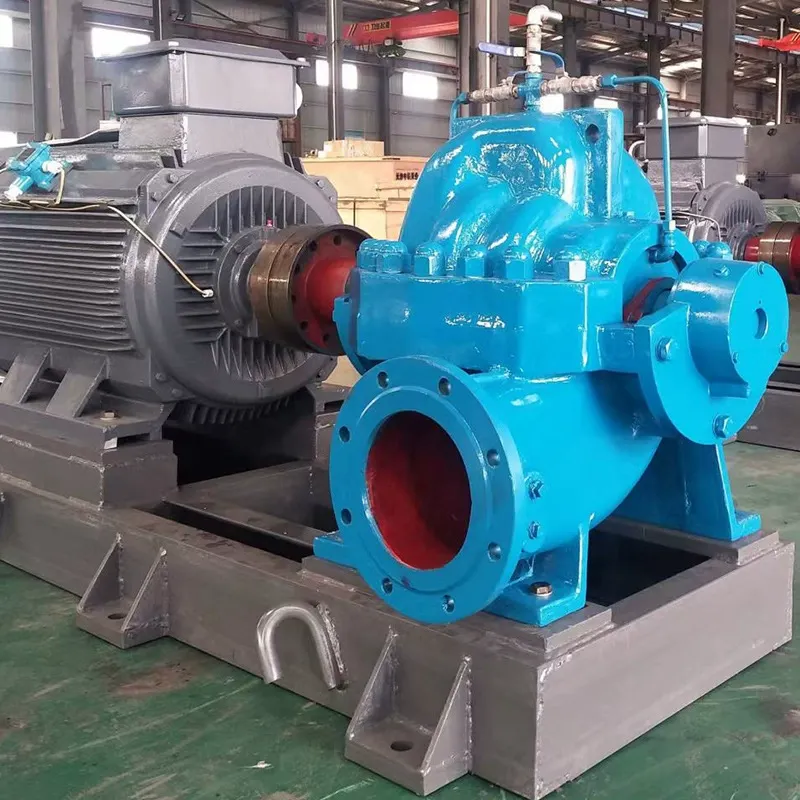
Submersible mixed flow pumps, specifically the CYPump series, represent a critical component in a wide range of fluid handling applications. These pumps are designed for efficient operation when fully submerged in the pumped liquid, providing solutions for drainage, sewage, irrigation, and industrial water transfer. Positioned within the industry chain between motor manufacturers, pump casing foundries, and system integrators, CYPump models distinguish themselves through a blend of high hydraulic efficiency, robust construction, and adaptability to diverse fluid compositions. Core performance characteristics, including flow rate, head, and power consumption, are optimized through a combination of impeller design, diffuser geometry, and motor selection. This guide details the material science, manufacturing processes, performance parameters, potential failure modes, and maintenance protocols associated with CYPump submersible mixed flow pumps, catering to the needs of engineers, procurement professionals, and maintenance personnel.
Material Science & Manufacturing
The performance and longevity of CYPump pumps are directly linked to the material selection and manufacturing precision. Pump casings are typically constructed from cast iron (ASTM A48 Class 30) for its cost-effectiveness and resistance to abrasion, although stainless steel (304 or 316, conforming to ASTM A240) is employed for handling corrosive fluids. Impellers, crucial for generating flow, are commonly manufactured from high-strength bronze (ASTM B148 C92200) or stainless steel, chosen for their resistance to cavitation erosion and corrosion. Shafts utilize high-tensile strength alloy steel (4140, ASTM A297) and undergo heat treatment to enhance fatigue resistance. Seals are manufactured from materials like nitrile rubber (NBR), Viton (FKM), or silicon carbide (SiC) depending on the fluid’s chemical compatibility and temperature range. Manufacturing processes begin with sand casting for the casing, followed by machining to ensure dimensional accuracy. Impellers are produced via investment casting or centrifugal casting for complex geometries. Welding processes, specifically shielded metal arc welding (SMAW) and gas tungsten arc welding (GTAW) – adhering to AWS D1.1 standards – are employed for joining components. Critical parameters controlled during manufacturing include impeller balancing (ISO 1940-1), casing surface finish (Ra < 0.8 μm), and seal concentricity (tolerance < 0.02 mm). Post-manufacturing, pumps undergo hydrostatic testing (per ISO 9906) to verify pressure integrity and performance verification to confirm adherence to specified flow and head curves.
Performance & Engineering
CYPump submersible mixed flow pumps are engineered to maximize hydraulic efficiency while minimizing energy consumption. The pump’s performance is dictated by several key engineering factors. Force analysis focuses on balancing centrifugal forces generated by the impeller with the structural strength of the pump casing and shaft assembly. Finite Element Analysis (FEA) is utilized during the design phase to identify stress concentrations and optimize component geometry. Environmental resistance is paramount; pumps are designed to operate reliably in submerged conditions, resisting hydrostatic pressure and potential ingress of abrasive particles. Electrical components are encapsulated to prevent water damage and corrosion, conforming to IEC 60034-8 standards for submersible motor protection. Compliance requirements include CE marking (for European markets), UL listing (for North American markets), and adherence to relevant regional safety standards. The pump’s functional implementation relies on a precisely engineered impeller and diffuser combination. Mixed flow design provides a compromise between radial and axial flow characteristics, yielding a relatively high head at moderate flow rates. Pump curves (head-flow relationships) are generated through extensive testing to ensure accurate performance prediction. Cavitation prevention is addressed through careful impeller design and ensuring adequate Net Positive Suction Head Available (NPSHa) exceeds Net Positive Suction Head Required (NPSHr) – a critical parameter during system design.
Technical Specifications
| Parameter | CYPump Model CP-65 | CYPump Model CP-110 | CYPump Model CP-185 |
|---|---|---|---|
| Flow Rate (m³/hr) | 65 | 110 | 185 |
| Total Head (m) | 25 | 35 | 45 |
| Motor Power (kW) | 5.5 | 7.5 | 11 |
| Impeller Diameter (mm) | 150 | 200 | 250 |
| Maximum Submergence (m) | 20 | 20 | 20 |
| Solids Handling Capacity (mm) | 50 | 75 | 100 |
Failure Mode & Maintenance
CYPump submersible pumps, while robust, are susceptible to several failure modes. Fatigue cracking in the impeller or casing can occur due to cyclic loading and stress concentration, exacerbated by corrosive environments. Delamination of the pump casing coating (if applicable) leads to accelerated corrosion. Seal failure is a common issue, resulting in water ingress and motor damage; this is often linked to abrasive particles or incompatible fluids. Bearing failure, manifested as increased noise and vibration, is typically caused by inadequate lubrication or contamination. Electrical insulation degradation, leading to short circuits, arises from prolonged submersion and exposure to moisture. Preventive maintenance is crucial. Regular inspection of seals and bearings is recommended (every 6 months). Lubrication schedules should be strictly followed, utilizing appropriate grease types as specified by the manufacturer. Periodic testing of electrical insulation resistance (using a megohmmeter, conforming to IEEE 43) identifies potential insulation breakdown. Analysis of pumped fluid for abrasive content informs the selection of wear-resistant materials and appropriate filter installation. In the event of a failure, thorough failure analysis – including visual inspection, non-destructive testing (NDT), and metallurgical analysis – is essential for determining the root cause and preventing recurrence. Replacement parts should always meet original equipment manufacturer (OEM) specifications.
Industry FAQ
Q: What is the impact of fluid viscosity on the pump’s performance?
A: Increased fluid viscosity reduces pump efficiency and flow rate. The pump curve will shift downwards, meaning a lower flow rate will be achieved at the same head. Careful consideration of the fluid’s viscosity is crucial during pump selection and system design. Adjustments to motor power or impeller design may be necessary for highly viscous fluids.
Q: How does the pump handle solids content in the fluid?
A: CYPump pumps are designed to handle a certain level of solids, as specified in the technical specifications. However, exceeding the recommended solids content or the maximum particle size can lead to impeller abrasion, seal damage, and reduced pump life. Pre-filtration is recommended for fluids with high solids content.
Q: What are the key considerations for selecting the appropriate pump material for corrosive fluids?
A: The fluid’s chemical composition and concentration are primary factors. Stainless steel (316) offers superior corrosion resistance compared to cast iron for most corrosive fluids. For highly aggressive chemicals, specialized materials like Hastelloy or duplex stainless steel may be required. Material compatibility charts should be consulted, and testing with the specific fluid is recommended.
Q: What is the expected lifespan of a CYPump submersible pump under typical operating conditions?
A: The expected lifespan varies depending on operating conditions and maintenance practices. Under normal conditions (clean fluids, proper lubrication, and regular inspections), a CYPump can reliably operate for 5-7 years. However, harsh environments or inadequate maintenance can significantly reduce its lifespan.
Q: What safety features are incorporated into the pump’s design to prevent motor overheating?
A: CYPump pumps incorporate thermal overload protection within the motor winding, which automatically shuts off the pump if the motor temperature exceeds a safe limit. Additionally, the pump’s design ensures adequate heat dissipation through the pump casing and surrounding fluid. Regular monitoring of motor current and temperature is recommended as part of routine maintenance.
Conclusion
CYPump submersible mixed flow pumps represent a robust and reliable solution for a diverse range of fluid handling applications. Their performance is intrinsically linked to the careful selection of materials, precise manufacturing processes, and adherence to stringent quality control standards. Understanding the pump’s operating principles, potential failure modes, and the importance of preventative maintenance is paramount for maximizing its lifespan and ensuring optimal performance.
Future advancements in pump technology will likely focus on enhancing hydraulic efficiency, reducing energy consumption, and incorporating smart monitoring capabilities for predictive maintenance. Continued research into materials science will further extend the pump’s operational life in harsh environments and expand its applicability to increasingly challenging fluid compositions. A holistic approach encompassing design optimization, quality manufacturing, and diligent maintenance remains the cornerstone of long-term reliability.
-
Precision at the Pump: How Better Machining Protects Flow and Uptime
News2026-11-20
-
Why Pump Reliability Begins Before the First Drop of Fluid
News2026-11-20
-
Beyond the Pump: Designing Safer Access Around Critical Water Infrastructure
News2026-11-20
-
Why Pumping Stations Depend on the Infrastructure Beneath the Pumps
News2026-11-20
-
Beyond the Pump Room: How Smarter Loading Protects Industrial Equipment
News2026-11-19
-
When Pumps Stop: Designing More Resilient Power for Critical Pumping Systems
News2026-11-19
-
The Hidden Role of Dust and Gas Monitoring in Reliable Pump Operations
News2026-11-19
-
The Hidden Role of Mineral Compounds in Extending Industrial Pump Lifespan
News2026-10-12
-
Why Pump System Reliability Depends on Precision Hose Assembly Methods
News2026-09-15
-
How Advanced Imaging Films Are Transforming Pump Component Quality Control
News2026-08-25
-
How Advanced Filtration Protects Pump Systems from Premature Wear and Costly Downtime
News2026-08-25
-
How Steel Material Selection Drives Pump Reliability in Heavy-Duty Systems
News2026-08-25
-
Ensuring Pump System Efficiency: The Role of High-Quality Pipe Fittings and Tubing
News2026-08-24
-
Optimizing Fluid Dynamics and Material Consistency in Industrial Processing
News2026-08-18
-
Innovations and Challenges in Hydraulic Systems for Heavy Machinery
News2026-08-13




