English
- Afrikaans
- Albanian
- Amharic
- Arabic
- Armenian
- Azerbaijani
- Basque
- Belarusian
- Bengali
- Bosnian
- Bulgarian
- Catalan
- Cebuano
- Corsican
- Croatian
- Czech
- Danish
- Dutch
- English
- Esperanto
- Estonian
- Finnish
- French
- Frisian
- Galician
- Georgian
- German
- Greek
- Gujarati
- Haitian Creole
- hausa
- hawaiian
- Hebrew
- Hindi
- Miao
- Hungarian
- Icelandic
- igbo
- Indonesian
- irish
- Italian
- Japanese
- Javanese
- Kannada
- kazakh
- Khmer
- Rwandese
- Korean
- Kurdish
- Kyrgyz
- Lao
- Latin
- Latvian
- Lithuanian
- Luxembourgish
- Macedonian
- Malgashi
- Malay
- Malayalam
- Maltese
- Maori
- Marathi
- Mongolian
- Myanmar
- Nepali
- Norwegian
- Norwegian
- Occitan
- Pashto
- Persian
- Polish
- Portuguese
- Punjabi
- Romanian
- Russian
- Samoan
- Scottish Gaelic
- Serbian
- Sesotho
- Shona
- Sindhi
- Sinhala
- Slovak
- Slovenian
- Somali
- Spanish
- Sundanese
- Swahili
- Swedish
- Tagalog
- Tajik
- Tamil
- Tatar
- Telugu
- Thai
- Turkish
- Turkmen
- Ukrainian
- Urdu
- Uighur
- Uzbek
- Vietnamese
- Welsh
- Bantu
- Yiddish
- Yoruba
- Zulu

Telephone: +86 13120555503
Email: frank@cypump.com


Apr . 01, 2024 17:55 Back to list
hot sale submersible mixed flow pump Performance Analysis
Introduction
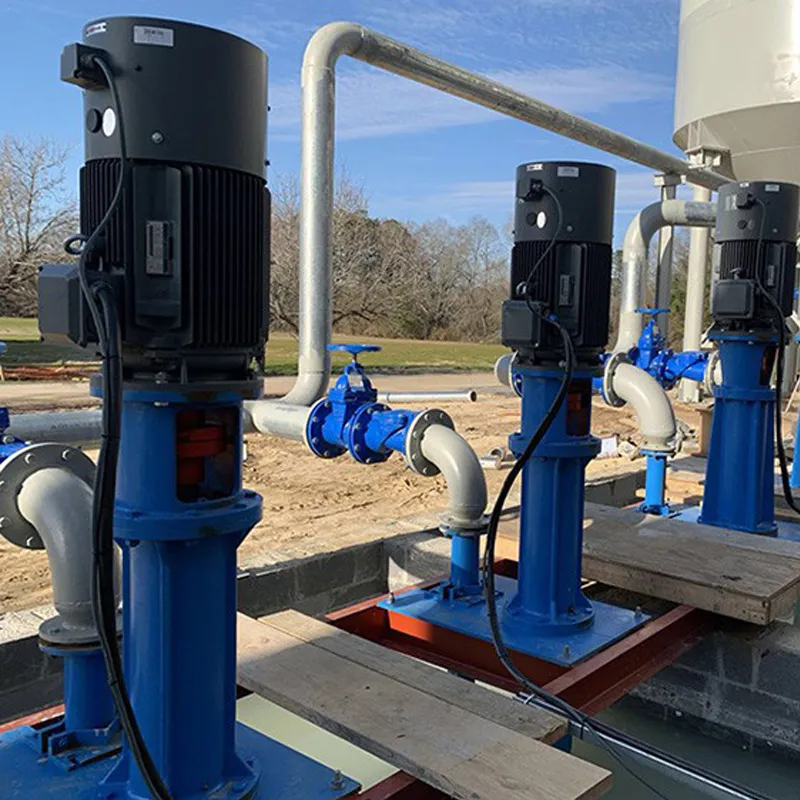
Submersible mixed flow pumps represent a critical component in numerous industrial and municipal water management systems. These pumps, characterized by their impeller design incorporating both axial and radial flow characteristics, are deployed extensively for applications requiring significant flow rates against moderate heads. Unlike purely centrifugal or axial pumps, mixed flow designs offer a balance, providing higher head performance than axial pumps at comparable flow rates and greater flow capacity than radial pumps at similar heads. The "hot sale submersible mixed flow pump" specifically refers to a range of electrically driven pumps designed for complete immersion in the fluid being pumped, eliminating the need for priming and minimizing cavitation risks. Their robust construction and sealed motor design make them particularly suitable for handling liquids containing solids, such as wastewater, sewage, and slurries. This guide provides an in-depth analysis of the material science, manufacturing processes, performance parameters, potential failure modes, and maintenance protocols associated with these essential fluid handling devices. The primary industry pain points addressed are pump efficiency losses due to impeller erosion, motor winding failures in corrosive environments, and the challenge of maintaining reliable operation in demanding submerged conditions.
Material Science & Manufacturing
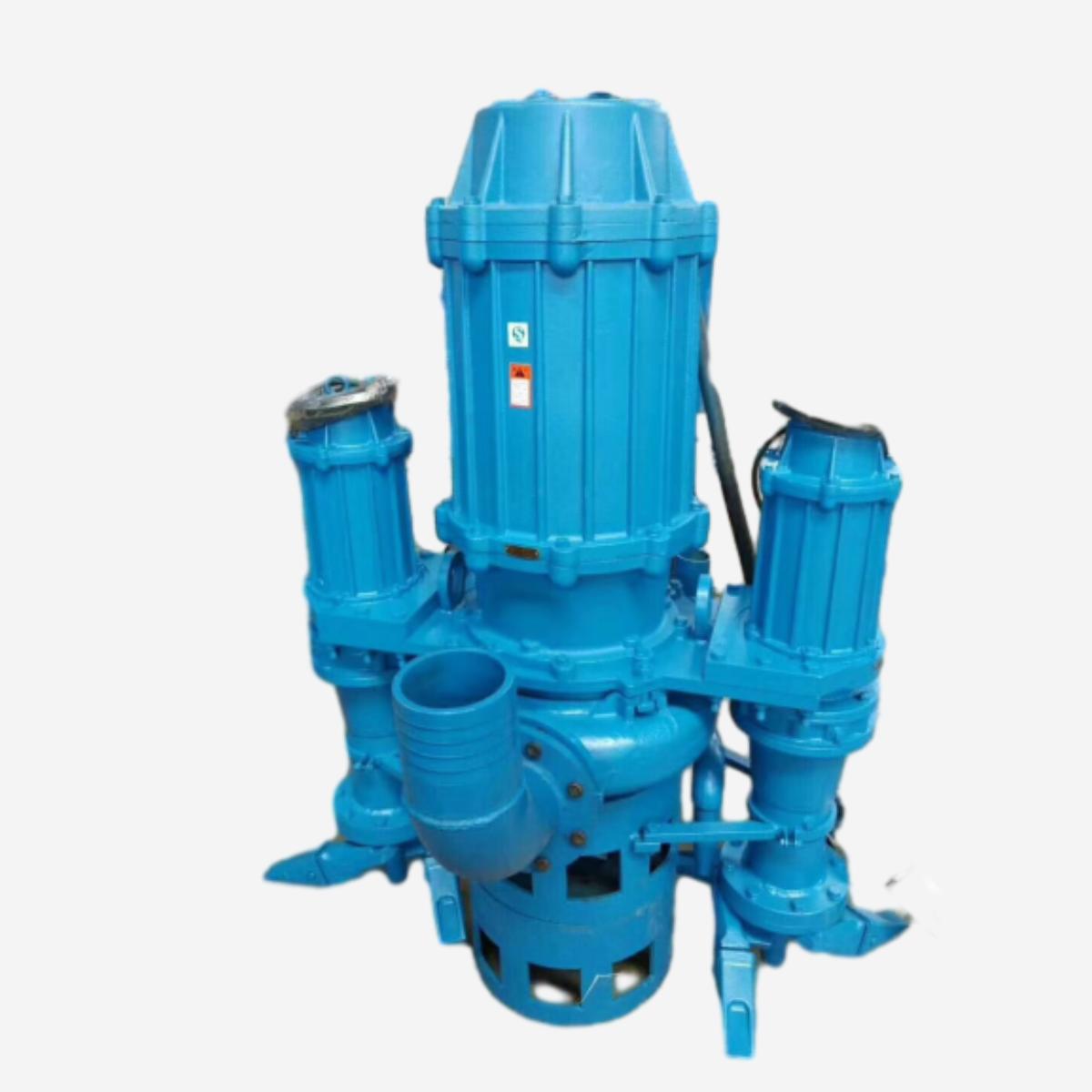
The construction of a submersible mixed flow pump necessitates careful material selection to withstand continuous immersion, potential abrasion, and chemical attack. Pump housings are traditionally manufactured from cast iron (ASTM A48 Class 30), offering good strength and cost-effectiveness. However, for applications involving corrosive fluids, duplex stainless steel (UNS S31803/S32205) or high-chromium cast iron are preferred, providing superior resistance to pitting and crevice corrosion. Impellers are often constructed from high-grade stainless steel (316L or 17-4 PH) due to their excellent erosion resistance and mechanical strength. The pump shaft is typically made from alloy steel (4140 or 4340), heat-treated for increased hardness and fatigue resistance. Seals are crucial components, commonly utilizing silicon carbide (SiC) faces against stainless steel, providing a robust barrier against fluid leakage and maintaining motor protection. The motor housing is typically aluminum alloy (ADC12) for lightweight and effective heat dissipation. Manufacturing processes involve several key steps: casting for the housing, precision machining for the impeller and shaft, investment casting for complex impeller geometries, and welding for joining components. Critical parameter control during manufacturing includes impeller balancing to minimize vibration, shaft alignment to prevent bearing failure, and rigorous quality control of seal materials to ensure long-term reliability. Epoxy coatings are often applied to the exterior surfaces of the pump housing and motor to provide additional corrosion protection.
Performance & Engineering
The performance of a submersible mixed flow pump is governed by several key engineering principles. Force analysis considers hydraulic thrust generated by the impeller, which is counteracted by thrust bearings within the pump. Cavitation, a major concern, arises from pressure drops within the impeller, requiring sufficient Net Positive Suction Head Available (NPSHa) to exceed the Net Positive Suction Head Required (NPSHr) by a safety margin. Pump efficiency is maximized by optimizing impeller blade angles, minimizing hydraulic losses within the volute casing, and reducing friction in the bearings and seals. Environmental resistance is paramount, considering factors such as water temperature, salinity, and the presence of abrasive particles. Submersible pumps must adhere to stringent compliance requirements, including hydraulic efficiency standards (as defined by Hydraulic Institute standards), electrical safety standards (IEC 60335-1), and environmental regulations related to fluid containment. Finite Element Analysis (FEA) is employed during the design phase to optimize impeller geometry and housing strength, ensuring structural integrity under operating pressure. Proper motor sizing is crucial to match pump power requirements to the application’s head and flow rate, avoiding motor overheating and premature failure. Variable Frequency Drives (VFDs) are frequently incorporated to allow for adjustable pump speed, optimizing energy consumption and flow control.
Technical Specifications
| Parameter | Unit | Typical Value (Range) | Testing Standard |
|---|---|---|---|
| Flow Rate | m³/h | 50 – 500 | ISO 9906 |
| Total Head | m | 10 – 60 | ISO 9906 |
| Motor Power | kW | 2.2 – 75 | IEC 60034-1 |
| Impeller Diameter | mm | 150 – 400 | Manufacturer Specification |
| Maximum Solid Handling | mm | Up to 50 | Manufacturer Specification |
| Liquid Temperature | °C | 0 – 40 | Manufacturer Specification |
Failure Mode & Maintenance
Submersible mixed flow pumps are susceptible to several failure modes. Fatigue cracking in the impeller, often initiated by stress concentrations around blade roots, can lead to catastrophic failure. Delamination of the epoxy coating on the housing can expose the underlying metal to corrosion. Degradation of the rubber components in the seals (such as O-rings and lip seals) results in leakage and potential motor damage. Oxidation of the motor windings, accelerated by high temperatures and moisture ingress, causes insulation breakdown and short circuits. Abrasive wear of the impeller and housing, particularly when handling fluids containing solids, reduces pump efficiency and can lead to component failure. Maintenance protocols include regular visual inspections for leaks, corrosion, and coating damage. Bearing lubrication is critical; grease should be replaced according to the manufacturer's recommendations. Periodic testing of the motor windings’ insulation resistance is essential to detect early signs of degradation. Impeller inspection and balancing should be performed annually or as needed, based on operating conditions. Seal replacement is recommended proactively, before complete failure occurs. Proper cleaning of the pump intake screen prevents clogging and maintains optimal flow rates. When replacing components, it’s crucial to use manufacturer-approved parts to ensure compatibility and maintain warranty validity. Vibration analysis can identify early signs of bearing wear or impeller imbalance.
Industry FAQ
Q: What is the impact of fluid viscosity on pump performance?
A: Increased fluid viscosity leads to higher frictional losses within the pump, reducing both flow rate and efficiency. The pump’s head-flow curve will shift downwards, meaning that for a given motor power, the achievable head will be lower. Careful pump selection and potentially increasing the motor power are necessary when handling viscous fluids.
Q: How do I mitigate the risk of cavitation in a submersible pump?
A: Ensure sufficient NPSHa. This involves maintaining adequate liquid level above the pump, minimizing suction line losses (e.g., long pipe runs, sharp bends), and reducing fluid temperature. Regularly inspect the impeller for cavitation damage (pitting and erosion).
Q: What is the best material for a pump handling highly abrasive slurries?
A: High-chromium cast iron or hard-faced stainless steel alloys are preferred for abrasive slurry applications. These materials offer enhanced wear resistance compared to standard stainless steels. Ceramic coatings can also be applied to impeller and housing surfaces to further improve abrasion resistance.
Q: What are the benefits of using a VFD with a submersible pump?
A: VFDs allow for adjustable pump speed, optimizing energy consumption by matching pump output to actual demand. They can also reduce mechanical stress on the pump by minimizing sudden starts and stops. Furthermore, VFDs enable precise flow control and can prevent water hammer.
Q: How often should the pump's seals be replaced?
A: Seal replacement frequency depends on the fluid being pumped, operating conditions, and seal material. As a general guideline, seals should be inspected annually and replaced every 1-3 years, or sooner if leakage is detected. Always use manufacturer-approved seal kits.
Conclusion
Submersible mixed flow pumps represent a versatile and reliable solution for a wide range of fluid handling applications. Understanding the interplay between material science, manufacturing processes, and performance engineering is crucial for selecting the appropriate pump for a given application and ensuring long-term operational efficiency. Proper maintenance, including regular inspections, lubrication, and seal replacement, is essential to prevent premature failure and minimize downtime.
Continued advancements in pump design, such as the development of more abrasion-resistant materials and improved impeller geometries, are focused on enhancing pump efficiency and extending service life. Furthermore, the integration of smart sensors and predictive maintenance technologies promises to optimize pump performance and minimize unscheduled repairs, further solidifying the role of submersible mixed flow pumps in critical infrastructure systems.
-
Precision at the Pump: How Better Machining Protects Flow and Uptime
News2026-11-20
-
Why Pump Reliability Begins Before the First Drop of Fluid
News2026-11-20
-
Beyond the Pump: Designing Safer Access Around Critical Water Infrastructure
News2026-11-20
-
Why Pumping Stations Depend on the Infrastructure Beneath the Pumps
News2026-11-20
-
Beyond the Pump Room: How Smarter Loading Protects Industrial Equipment
News2026-11-19
-
When Pumps Stop: Designing More Resilient Power for Critical Pumping Systems
News2026-11-19
-
The Hidden Role of Dust and Gas Monitoring in Reliable Pump Operations
News2026-11-19
-
The Hidden Role of Mineral Compounds in Extending Industrial Pump Lifespan
News2026-10-12
-
Why Pump System Reliability Depends on Precision Hose Assembly Methods
News2026-09-15
-
How Advanced Imaging Films Are Transforming Pump Component Quality Control
News2026-08-25
-
How Advanced Filtration Protects Pump Systems from Premature Wear and Costly Downtime
News2026-08-25
-
How Steel Material Selection Drives Pump Reliability in Heavy-Duty Systems
News2026-08-25
-
Ensuring Pump System Efficiency: The Role of High-Quality Pipe Fittings and Tubing
News2026-08-24
-
Optimizing Fluid Dynamics and Material Consistency in Industrial Processing
News2026-08-18
-
Innovations and Challenges in Hydraulic Systems for Heavy Machinery
News2026-08-13




