English
- Afrikaans
- Albanian
- Amharic
- Arabic
- Armenian
- Azerbaijani
- Basque
- Belarusian
- Bengali
- Bosnian
- Bulgarian
- Catalan
- Cebuano
- Corsican
- Croatian
- Czech
- Danish
- Dutch
- English
- Esperanto
- Estonian
- Finnish
- French
- Frisian
- Galician
- Georgian
- German
- Greek
- Gujarati
- Haitian Creole
- hausa
- hawaiian
- Hebrew
- Hindi
- Miao
- Hungarian
- Icelandic
- igbo
- Indonesian
- irish
- Italian
- Japanese
- Javanese
- Kannada
- kazakh
- Khmer
- Rwandese
- Korean
- Kurdish
- Kyrgyz
- Lao
- Latin
- Latvian
- Lithuanian
- Luxembourgish
- Macedonian
- Malgashi
- Malay
- Malayalam
- Maltese
- Maori
- Marathi
- Mongolian
- Myanmar
- Nepali
- Norwegian
- Norwegian
- Occitan
- Pashto
- Persian
- Polish
- Portuguese
- Punjabi
- Romanian
- Russian
- Samoan
- Scottish Gaelic
- Serbian
- Sesotho
- Shona
- Sindhi
- Sinhala
- Slovak
- Slovenian
- Somali
- Spanish
- Sundanese
- Swahili
- Swedish
- Tagalog
- Tajik
- Tamil
- Tatar
- Telugu
- Thai
- Turkish
- Turkmen
- Ukrainian
- Urdu
- Uighur
- Uzbek
- Vietnamese
- Welsh
- Bantu
- Yiddish
- Yoruba
- Zulu

Telephone: +86 13120555503
Email: frank@cypump.com


Apr . 01, 2024 17:55 Back to list
hot sale sewage pump submersible Performance Analysis
Introduction
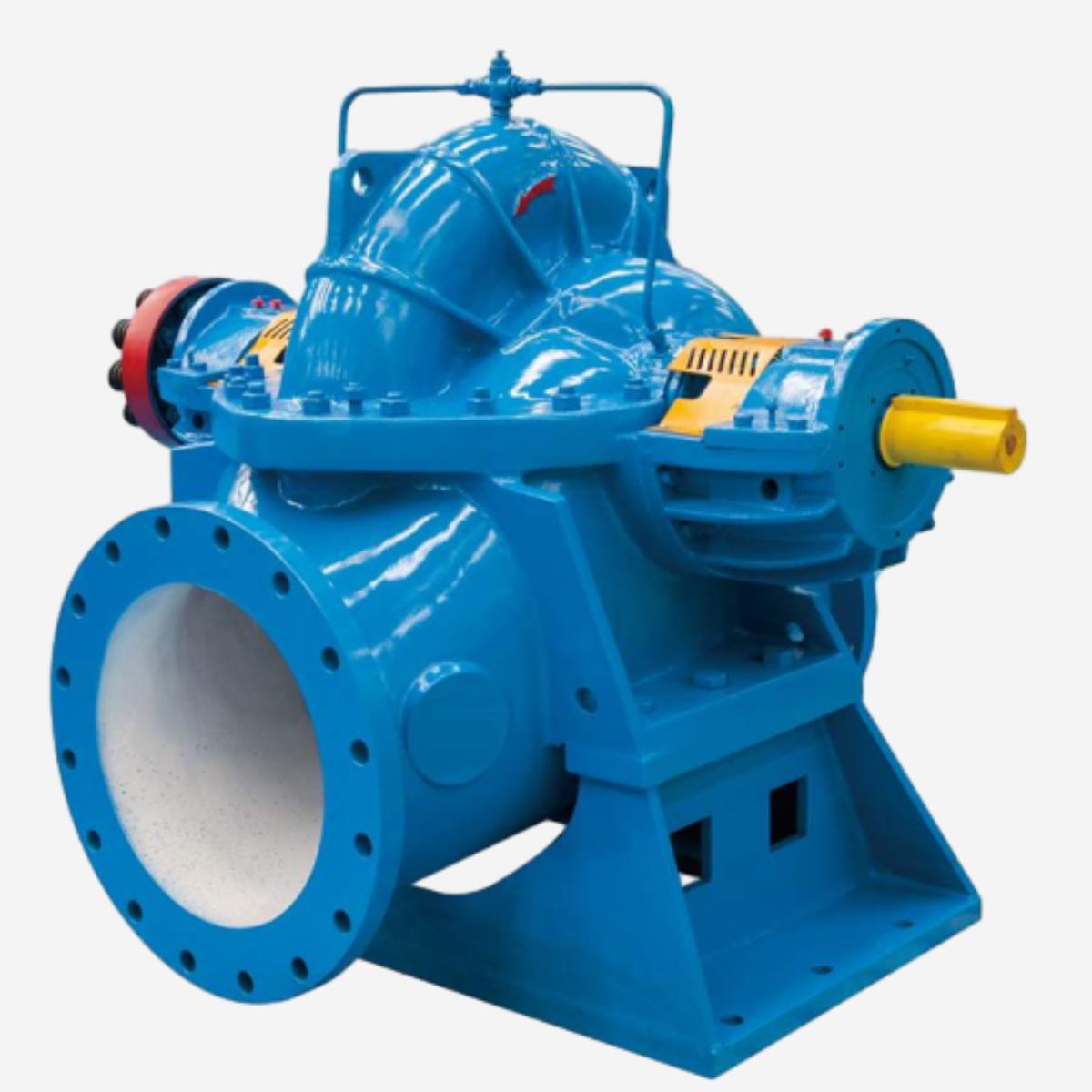
Submersible sewage pumps are centrifugal pumps specifically designed for the efficient and reliable removal of wastewater, sewage, and solids-laden fluids. Positioned as a critical component in municipal wastewater treatment plants, industrial effluent management, and flood control systems, these pumps operate while fully submerged in the pumped media. Their design prioritizes handling abrasive solids, preventing clogging, and maintaining consistent performance in challenging environments. The core performance characteristics revolve around flow rate (typically measured in gallons per minute or cubic meters per hour), head (the maximum height the pump can lift the fluid), solids handling capability (expressed in diameter of spherical solids), and power requirements. A key advancement in recent years has been the adoption of non-clog impeller designs and improved sealing mechanisms, addressing prevalent pain points regarding pump downtime and maintenance costs in demanding applications. This guide provides an in-depth technical analysis of these pumps, covering materials, manufacturing, performance, failure modes, and relevant industry standards.
Material Science & Manufacturing
The construction of submersible sewage pumps necessitates robust materials capable of withstanding corrosive fluids, abrasive solids, and continuous submerged operation. Pump housings are predominantly manufactured from cast iron (ASTM A48 Class 30) due to its cost-effectiveness, high tensile strength, and machinability. However, for highly corrosive environments, stainless steel (304 or 316 grades – ASTM A240) or ductile iron (ASTM A536) are preferred. Impellers, crucial for fluid conveyance, are typically manufactured from high-chromium cast iron (e.g., HC-C25) offering exceptional abrasion resistance. Seals are a critical component, utilizing materials like silicon carbide (SiC) against SiC faces for enhanced durability and resistance to wear, particularly in solids-laden fluids. Shafts are commonly constructed from 4140 alloy steel, heat-treated to achieve high tensile strength and torsional resistance.
Manufacturing processes vary depending on component complexity. Cast iron housings are produced via sand casting, followed by precision machining to ensure dimensional accuracy and smooth internal surfaces. Impellers utilize investment casting to create intricate blade geometries optimized for solids handling. Shaft manufacturing involves machining, heat treatment, and grinding to achieve precise tolerances. The assembly process requires rigorous quality control, including hydrostatic testing to verify housing integrity and dynamic balancing to minimize vibration. Seal installation is a critical step, employing specialized tools and techniques to prevent damage and ensure leak-proof operation. Welding, where applicable (e.g., for certain housing configurations), must adhere to AWS D1.1 standards for structural welding.
Performance & Engineering
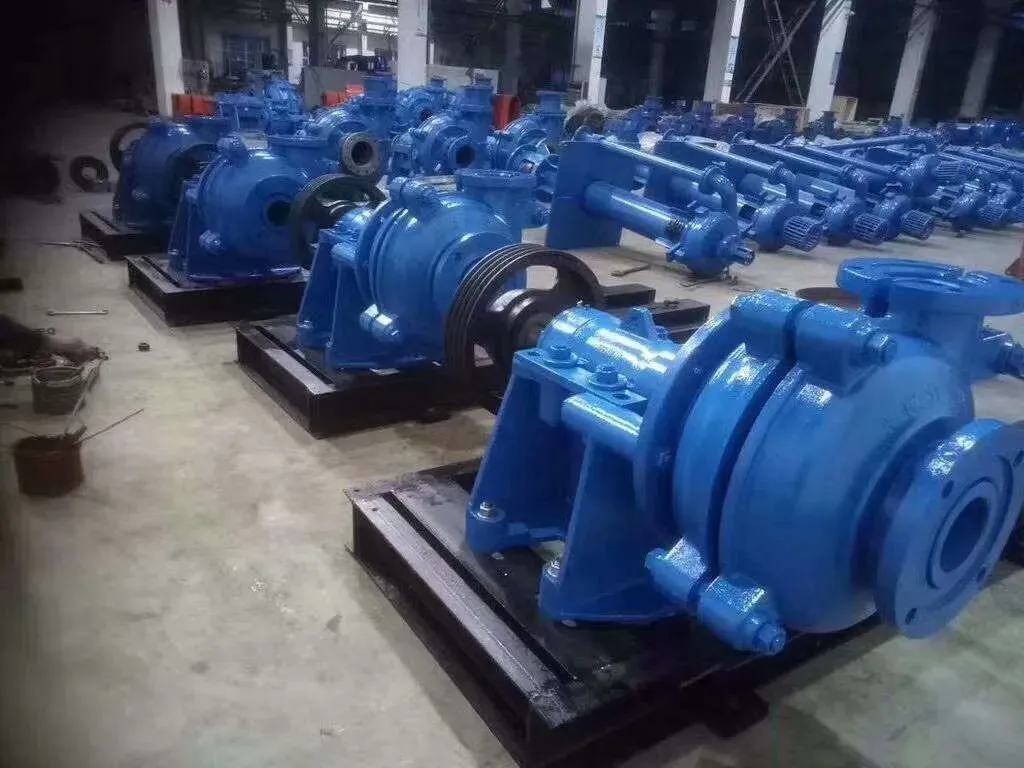
The performance of submersible sewage pumps is heavily influenced by hydraulic design, motor characteristics, and environmental factors. Hydraulic analysis, typically employing Computational Fluid Dynamics (CFD), optimizes impeller geometry and volute design to maximize efficiency and minimize head loss. The impeller's vane angle, number of vanes, and blade thickness are all critical parameters. Motor selection considers the required horsepower (HP) or kilowatt (kW) based on the anticipated flow rate, head, and fluid density. Induction motors are commonly used, encapsulated within a watertight housing and cooled by the surrounding fluid.
Force analysis focuses on the mechanical stresses induced by fluid pressure, impeller weight, and external loads. Finite Element Analysis (FEA) is employed to assess the structural integrity of the pump housing and impeller, identifying potential stress concentrations and optimizing material distribution. Environmental resistance is paramount, especially in corrosive environments. Coatings, such as epoxy or polyurethane, are applied to protect metal surfaces from corrosion. Pump performance is also affected by fluid viscosity and solids concentration; increased viscosity and solids content reduce efficiency and increase power consumption. Compliance requirements vary by region, often dictated by standards related to pump efficiency (e.g., DOE regulations in the US) and wastewater discharge limits (e.g., EPA guidelines).
Technical Specifications
| Parameter | Unit | Typical Value (Small Pump) | Typical Value (Large Pump) |
|---|---|---|---|
| Flow Rate | GPM (Gallons per Minute) | 50-100 | 500-1000 |
| Head | ft (Feet) | 20-40 | 80-150 |
| Solids Handling | in (Inches) | 1-2 | 3-6 |
| Motor Power | HP (Horsepower) | 0.5-1 | 5-10 |
| Voltage | V (Volts) | 120/240 | 460/480 |
| Impeller Material | - | High-Chromium Cast Iron | High-Chromium Cast Iron |
Failure Mode & Maintenance
Submersible sewage pumps are susceptible to several failure modes, primarily related to abrasion, corrosion, and mechanical stress. Fatigue cracking in the impeller is common, particularly in pumps handling highly abrasive fluids. Corrosion, especially pitting corrosion in stainless steel components, can lead to housing failure and fluid leakage. Seal failure is a frequent occurrence, resulting in motor winding contamination and pump burnout. Bearing failure, caused by excessive load or inadequate lubrication, can lead to shaft misalignment and pump vibration. Clogging of the impeller, due to oversized solids or rag accumulation, can significantly reduce pump performance and potentially damage the motor.
Preventive maintenance is crucial for extending pump lifespan and minimizing downtime. Regular inspections should include visual checks for corrosion, leaks, and abnormal vibrations. Seal replacement should be performed periodically, based on operating hours and fluid characteristics. Impeller inspection and repair or replacement should be conducted annually. Lubrication of bearings is critical, following manufacturer's recommendations for grease type and frequency. Periodic cleaning of the pump housing and suction inlet can prevent clogging. Failure analysis, involving metallurgical examination of failed components, can identify root causes and inform future design improvements. Consideration should be given to implementing automated monitoring systems, tracking pump performance metrics (e.g., current draw, vibration levels) to detect early signs of failure.
Industry FAQ
Q: What is the optimal impeller material for handling sewage containing high concentrations of grit and sand?
A: For sewage with high grit and sand content, a high-chromium cast iron impeller (typically with 18-28% chromium) is the most suitable option. The high chromium content significantly increases abrasion resistance, extending the impeller’s lifespan. Consider impellers with hardened coatings for even greater protection.
Q: How does the pump’s motor cooling system function, and what are the consequences of cooling system failure?
A: The motor is cooled primarily through oil submersion and convective heat transfer to the surrounding fluid. The oil circulates within the motor housing, dissipating heat generated by the windings. Cooling system failure, often due to oil leakage or degradation, leads to motor overheating, insulation breakdown, and ultimately, motor burnout.
Q: What are the key considerations when selecting a pump for a variable flow rate application?
A: Variable flow rate applications require pumps with variable frequency drives (VFDs) to adjust motor speed and pump output. Consider the pump's hydraulic efficiency across the entire operating range, as efficiency typically decreases at lower speeds. Ensure the motor and pump are VFD-compatible and appropriately sized for the maximum flow rate.
Q: What is the significance of the pump’s power cable and sealing system in preventing water ingress into the motor?
A: The power cable and sealing system are critical for maintaining the integrity of the motor enclosure. The cable must be specifically designed for submersible applications, with a watertight seal where it enters the motor housing. The sealing system typically consists of multiple layers of gaskets, O-rings, and epoxy resins to prevent water ingress, protecting the motor windings from damage.
Q: What are the common causes of pump vibration, and what diagnostic steps should be taken?
A: Common causes of pump vibration include impeller imbalance, bearing wear, misalignment, and cavitation. Diagnostic steps should include visual inspection for loose components, measurement of vibration levels using a vibration analyzer, and a review of pump operating parameters (e.g., flow rate, head). Addressing the root cause, such as rebalancing the impeller or replacing worn bearings, is crucial for resolving the issue.
Conclusion
Submersible sewage pumps represent a cornerstone of modern wastewater management, requiring careful consideration of material selection, manufacturing processes, and operational parameters. Achieving optimal performance and longevity necessitates a thorough understanding of the hydraulic principles governing pump operation, the material science underpinning component durability, and the potential failure modes that can arise in demanding applications. The advancements in impeller design, sealing technology, and motor cooling systems continually improve pump efficiency and reliability.
Looking ahead, the integration of smart monitoring systems and predictive maintenance strategies will play an increasingly important role in optimizing pump performance and reducing lifecycle costs. Furthermore, the development of more abrasion-resistant materials and environmentally friendly designs will address evolving industry needs and sustainability goals. Properly specified, installed, and maintained, these pumps will continue to provide essential services in municipal and industrial settings for decades to come.
-
Precision at the Pump: How Better Machining Protects Flow and Uptime
News2026-11-20
-
Why Pump Reliability Begins Before the First Drop of Fluid
News2026-11-20
-
Beyond the Pump: Designing Safer Access Around Critical Water Infrastructure
News2026-11-20
-
Why Pumping Stations Depend on the Infrastructure Beneath the Pumps
News2026-11-20
-
Beyond the Pump Room: How Smarter Loading Protects Industrial Equipment
News2026-11-19
-
When Pumps Stop: Designing More Resilient Power for Critical Pumping Systems
News2026-11-19
-
The Hidden Role of Dust and Gas Monitoring in Reliable Pump Operations
News2026-11-19
-
The Hidden Role of Mineral Compounds in Extending Industrial Pump Lifespan
News2026-10-12
-
Why Pump System Reliability Depends on Precision Hose Assembly Methods
News2026-09-15
-
How Advanced Imaging Films Are Transforming Pump Component Quality Control
News2026-08-25
-
How Advanced Filtration Protects Pump Systems from Premature Wear and Costly Downtime
News2026-08-25
-
How Steel Material Selection Drives Pump Reliability in Heavy-Duty Systems
News2026-08-25
-
Ensuring Pump System Efficiency: The Role of High-Quality Pipe Fittings and Tubing
News2026-08-24
-
Optimizing Fluid Dynamics and Material Consistency in Industrial Processing
News2026-08-18
-
Innovations and Challenges in Hydraulic Systems for Heavy Machinery
News2026-08-13




