English
- Afrikaans
- Albanian
- Amharic
- Arabic
- Armenian
- Azerbaijani
- Basque
- Belarusian
- Bengali
- Bosnian
- Bulgarian
- Catalan
- Cebuano
- Corsican
- Croatian
- Czech
- Danish
- Dutch
- English
- Esperanto
- Estonian
- Finnish
- French
- Frisian
- Galician
- Georgian
- German
- Greek
- Gujarati
- Haitian Creole
- hausa
- hawaiian
- Hebrew
- Hindi
- Miao
- Hungarian
- Icelandic
- igbo
- Indonesian
- irish
- Italian
- Japanese
- Javanese
- Kannada
- kazakh
- Khmer
- Rwandese
- Korean
- Kurdish
- Kyrgyz
- Lao
- Latin
- Latvian
- Lithuanian
- Luxembourgish
- Macedonian
- Malgashi
- Malay
- Malayalam
- Maltese
- Maori
- Marathi
- Mongolian
- Myanmar
- Nepali
- Norwegian
- Norwegian
- Occitan
- Pashto
- Persian
- Polish
- Portuguese
- Punjabi
- Romanian
- Russian
- Samoan
- Scottish Gaelic
- Serbian
- Sesotho
- Shona
- Sindhi
- Sinhala
- Slovak
- Slovenian
- Somali
- Spanish
- Sundanese
- Swahili
- Swedish
- Tagalog
- Tajik
- Tamil
- Tatar
- Telugu
- Thai
- Turkish
- Turkmen
- Ukrainian
- Urdu
- Uighur
- Uzbek
- Vietnamese
- Welsh
- Bantu
- Yiddish
- Yoruba
- Zulu

Telephone: +86 13120555503
Email: frank@cypump.com


Apr . 01, 2024 17:55 Back to list
hot sale pipeline pump centrifugal pump Performance Analysis
Introduction
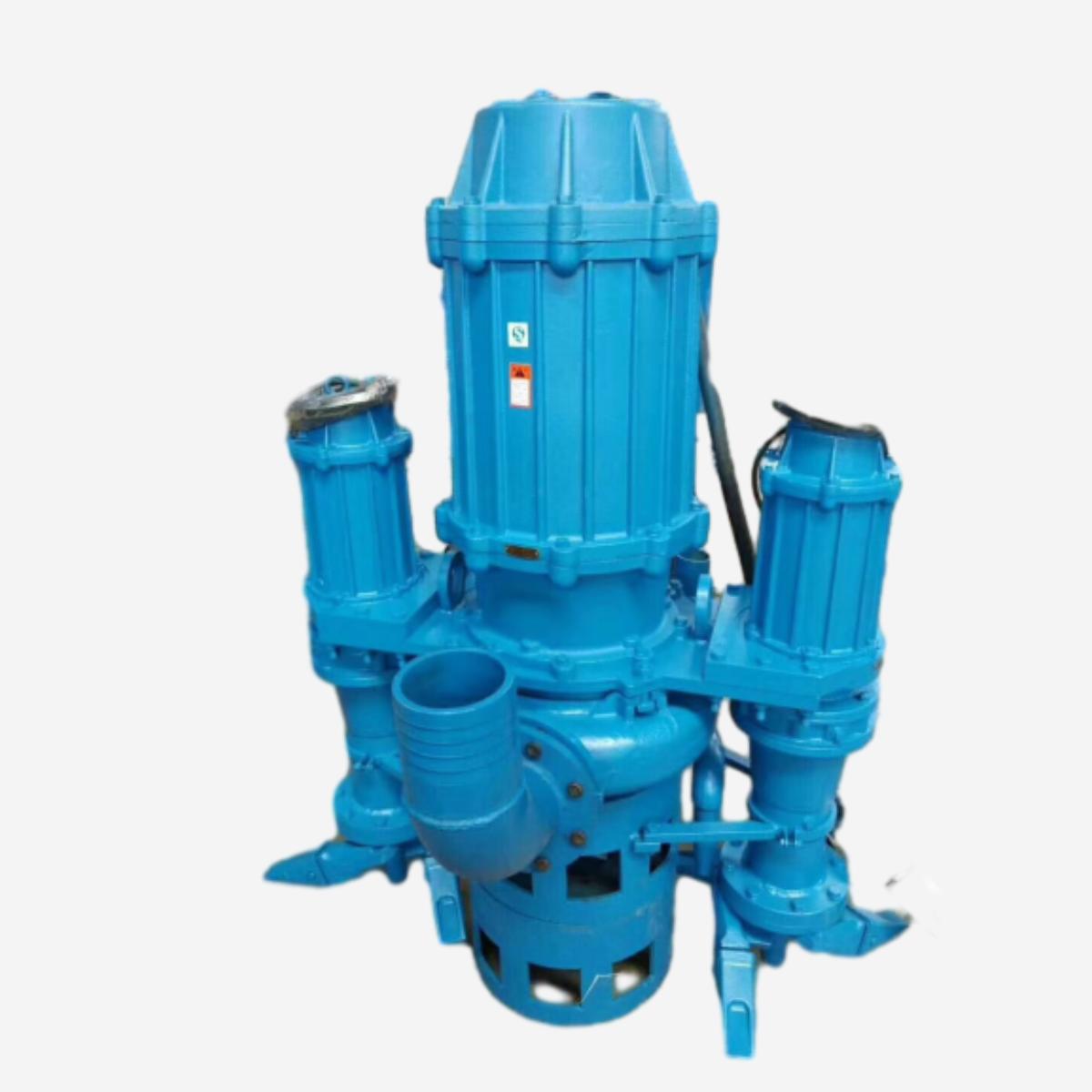
Pipeline centrifugal pumps are a critical component in fluid transfer systems across numerous industries including oil & gas, water/wastewater treatment, chemical processing, and mining. These pumps, characterized by their horizontal or vertical configuration and reliance on centrifugal force to impart energy to a fluid, are designed for high-volume, relatively low-head applications. Their primary function is to efficiently move liquids through pipelines, offering a cost-effective and reliable solution compared to positive displacement pumps in many scenarios. This guide provides an in-depth technical analysis of pipeline centrifugal pumps, covering material science, manufacturing processes, performance characteristics, failure modes, and relevant industry standards. A key industry pain point addressed is balancing pump efficiency with long-term reliability and resistance to abrasive or corrosive fluids, particularly in challenging operational environments.
Material Science & Manufacturing
The performance and longevity of a pipeline centrifugal pump are heavily reliant on the materials used in its construction. Pump casings are commonly fabricated from cast iron (ASTM A48 Class 30), ductile iron (ASTM A536 65-45-12), or stainless steel (304, 316 – ASTM A743). The selection depends on the fluid being pumped and the operating environment. Cast iron provides cost-effectiveness for clean water applications, while ductile iron offers enhanced strength and impact resistance. Stainless steel is crucial for corrosive fluids, offering superior chemical resistance. Impellers, the rotating component that imparts energy to the fluid, are often manufactured from cast iron, bronze (ASTM B584), or stainless steel. High-alloy stainless steels (e.g., duplex stainless steels) may be employed for highly corrosive or abrasive services. Shafts are generally constructed from carbon steel (ASTM A108) or alloy steel, heat-treated to achieve high tensile strength and fatigue resistance. Seals are typically comprised of elastomers (e.g., Viton, EPDM) and ceramic materials, ensuring fluid containment and preventing leakage.
Manufacturing processes vary depending on the component. Casings are typically produced using sand casting, ensuring dimensional accuracy and surface finish. Impellers can be manufactured using investment casting for complex geometries or sand casting for simpler designs. Balancing of the impeller is crucial – dynamic balancing (ISO 1940-1) minimizes vibration and extends bearing life. Shafts are machined to precise tolerances, with keyways or splines for impeller attachment. Welding processes (SMAW, GMAW – AWS D1.1) are utilized for joining components, requiring strict adherence to welding procedures and non-destructive testing (NDT) such as radiography (ASTM E94) and ultrasonic testing (ASTM E797) to ensure weld integrity. Surface treatments, such as epoxy coatings or thermal spray coatings, are applied to casings and impellers to enhance corrosion resistance and abrasive wear protection.
Performance & Engineering
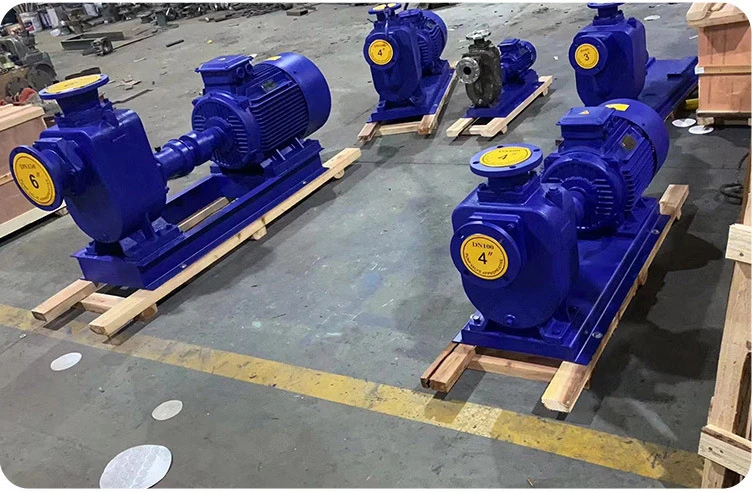
Pipeline centrifugal pump performance is characterized by its head-capacity curve, efficiency curve, and net positive suction head required (NPSHr). The head (expressed in meters or feet) represents the maximum height the pump can lift the fluid. Capacity (expressed in m³/hr or GPM) defines the volume of fluid delivered. Efficiency is the ratio of hydraulic power output to shaft power input. NPSHr is a critical parameter, representing the minimum absolute pressure required at the pump suction to prevent cavitation. Cavitation (the formation and collapse of vapor bubbles) can cause significant damage to the impeller and reduce pump performance. Pump selection must ensure that the available NPSH (NPSHa) at the installation site exceeds the NPSHr.
Force analysis during pump operation considers hydrodynamic forces acting on the impeller, radial and axial thrusts on the shaft, and vibrational forces. Bearing selection (SKF, NSK – ISO 281) is based on these forces and operating speed. Pipe stresses due to thermal expansion and contraction must also be considered in the system design (ASME B31.3). Environmental resistance is paramount, especially in outdoor installations. Pumps are often equipped with protective enclosures (IP55 or higher – IEC 60529) to guard against dust and water ingress. Compliance requirements vary by region, including adherence to hydraulic efficiency standards (EU EcoDesign Directive) and safety regulations (ATEX Directive for potentially explosive atmospheres).
Technical Specifications
| Parameter | Unit | Typical Range | Material |
|---|---|---|---|
| Flow Rate | m³/hr | 10 – 500 | Dependent on application |
| Head | m | 10 – 100 | Dependent on application |
| Pump Speed | RPM | 1450 – 3600 | Dependent on motor |
| Power | kW | 0.75 – 200 | Dependent on application |
| Suction Pressure | bar | -0.05 – 0.5 | Dependent on application |
| Discharge Pressure | bar | 0.5 – 10 | Dependent on application |
Failure Mode & Maintenance
Common failure modes in pipeline centrifugal pumps include impeller wear (due to erosion or corrosion), seal failure (leading to leakage), bearing failure (due to fatigue or lubrication issues), and cavitation damage. Impeller wear can be mitigated through material selection (hardened alloys) and the use of wear rings. Seal failures often result from improper installation, abrasive particles in the fluid, or incompatibility of seal materials with the pumped fluid. Bearing failures can be prevented with proper lubrication (ISO 3448) and regular vibration monitoring. Cavitation, as previously discussed, requires careful system design to ensure adequate NPSHa. Fatigue cracking in the pump casing or impeller can occur under cyclic loading. Regular non-destructive testing (NDT) is crucial for detecting cracks before they propagate to catastrophic failure.
Preventative maintenance is essential for maximizing pump life. This includes regular visual inspections, lubrication of bearings, seal inspection and replacement, vibration analysis, and performance monitoring. Pump alignment (ISO 10816) is critical to minimize vibration and bearing wear. Routine cleaning of strainers and filters prevents clogging and maintains optimal flow rates. For pumps handling abrasive fluids, periodic inspection and replacement of wear parts (impellers, wear rings) are necessary. In the event of a pump failure, a root cause analysis should be conducted to identify the underlying issue and prevent recurrence.
Industry FAQ
Q: What is the impact of fluid viscosity on pump performance?
A: Increased fluid viscosity reduces pump capacity and efficiency. Higher viscosity increases frictional losses within the pump and requires more power to achieve the same flow rate and head. Pump curves are typically based on water viscosity; performance must be derated for higher viscosity fluids using correction factors.
Q: How do you select the appropriate pump material for a corrosive fluid?
A: Material selection depends on the type and concentration of the corrosive agent. Stainless steels (316, duplex) are commonly used for many corrosive fluids, but specialized alloys (e.g., Hastelloy, Alloy 20) may be necessary for highly aggressive environments. Chemical compatibility charts and corrosion testing are crucial for determining the optimal material.
Q: What are the advantages of using a vertical turbine pump over a horizontal centrifugal pump in a pipeline application?
A: Vertical turbine pumps are often preferred when the suction source is submerged (e.g., a well or sump). They require less space and can eliminate the need for priming. However, they are generally more complex to maintain than horizontal pumps.
Q: How does impeller trim affect pump performance?
A: Trimming the impeller reduces both the head and flow rate of the pump. It's a cost-effective way to fine-tune pump performance to match system requirements, but it reduces pump efficiency. Trimming should be performed by qualified personnel and documented carefully.
Q: What are the key considerations for minimizing cavitation?
A: Ensuring adequate NPSHa is the primary consideration. This can be achieved by lowering the pump, increasing suction pipe diameter, reducing suction pipe length, cooling the fluid, or increasing the pressure in the suction vessel.
Conclusion
Pipeline centrifugal pumps represent a versatile and widely employed solution for fluid transfer applications. Their design, material selection, and operational parameters demand careful consideration to ensure optimal performance, reliability, and longevity. Understanding the interplay between hydraulic principles, material science, and industry standards is paramount for successful pump selection and implementation. Addressing the core industry pain points of corrosion, abrasion, and cavitation through proactive maintenance and appropriate engineering practices are crucial for minimizing downtime and maximizing return on investment.
Looking forward, advancements in pump technology, such as the development of more efficient impeller designs, improved sealing materials, and intelligent monitoring systems, will continue to enhance the performance and reliability of pipeline centrifugal pumps. Embracing these innovations and adhering to best practices in design, manufacturing, and maintenance will be key to meeting the evolving demands of various industries.
-
Comprehensive Guide to Waterproof ORings for Optimal Sealing Solutions
News2026-06-09
-
septic system sump pump Performance Analysis
News2026-06-26
-
septic pump company Performance Analysis
News2026-06-26
-
pumps water treatment Performance Analysis
News2026-06-26
-
pumps for septic tanks Material Science and Manufacturing
News2026-06-26
-
pump for septic system Material Science Manufacturing
News2026-06-26
-
heavy duty submersible pump Performance Analysis
News2026-06-25
-
best submersible pump for septic tank Performance Analysis
News2026-06-25
-
basement sewer ejector pump Performance Analysis
News2026-06-25
-
basement pumps ejector pumps Performance Analysis
News2026-06-25
-
basement lift pump Performance and Engineering
News2026-06-25
-
basement bathroom pump systems Performance Analysis
News2026-06-24
-
basement bathroom ejector pump system Performance Engineering
News2026-06-24
-
2 hp sewage pump Performance Engineering
News2026-06-24
-
1 hp septic pump Performance Engineering
News2026-06-24




