English
- Afrikaans
- Albanian
- Amharic
- Arabic
- Armenian
- Azerbaijani
- Basque
- Belarusian
- Bengali
- Bosnian
- Bulgarian
- Catalan
- Cebuano
- Corsican
- Croatian
- Czech
- Danish
- Dutch
- English
- Esperanto
- Estonian
- Finnish
- French
- Frisian
- Galician
- Georgian
- German
- Greek
- Gujarati
- Haitian Creole
- hausa
- hawaiian
- Hebrew
- Hindi
- Miao
- Hungarian
- Icelandic
- igbo
- Indonesian
- irish
- Italian
- Japanese
- Javanese
- Kannada
- kazakh
- Khmer
- Rwandese
- Korean
- Kurdish
- Kyrgyz
- Lao
- Latin
- Latvian
- Lithuanian
- Luxembourgish
- Macedonian
- Malgashi
- Malay
- Malayalam
- Maltese
- Maori
- Marathi
- Mongolian
- Myanmar
- Nepali
- Norwegian
- Norwegian
- Occitan
- Pashto
- Persian
- Polish
- Portuguese
- Punjabi
- Romanian
- Russian
- Samoan
- Scottish Gaelic
- Serbian
- Sesotho
- Shona
- Sindhi
- Sinhala
- Slovak
- Slovenian
- Somali
- Spanish
- Sundanese
- Swahili
- Swedish
- Tagalog
- Tajik
- Tamil
- Tatar
- Telugu
- Thai
- Turkish
- Turkmen
- Ukrainian
- Urdu
- Uighur
- Uzbek
- Vietnamese
- Welsh
- Bantu
- Yiddish
- Yoruba
- Zulu

Telephone: +86 13120555503
Email: frank@cypump.com


Apr . 01, 2024 17:55 Back to list
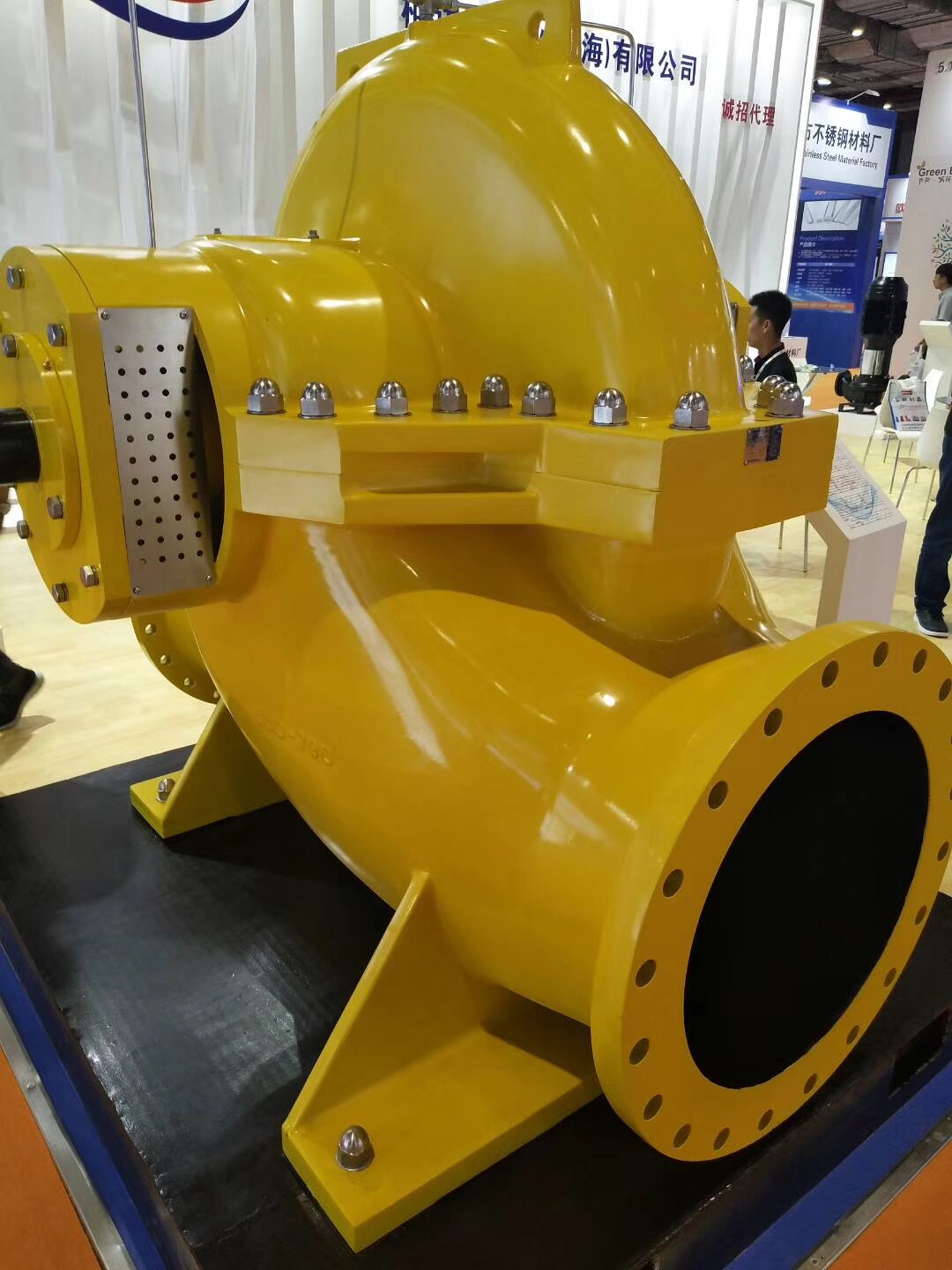
hot sale industrial centrifugal pump pipeline system Performance Analysis
Introduction
Industrial centrifugal pump pipeline systems represent a critical component in numerous industrial processes, responsible for the efficient and reliable transfer of fluids. These systems are broadly utilized across sectors including petrochemical, water treatment, power generation, and mining. The core function lies in converting rotational kinetic energy to hydrodynamic energy of the fluid, enabling its movement from one location to another. Performance is characterized by flow rate, head (pressure developed), and efficiency – key factors impacting operational cost and process control. The selection and proper implementation of a centrifugal pump pipeline system requires a thorough understanding of fluid dynamics, material compatibility, and adherence to rigorous safety and regulatory standards. This guide provides an in-depth technical overview of these systems, encompassing material science, manufacturing processes, performance characteristics, failure modes, and relevant industry standards.
Material Science & Manufacturing
Centrifugal pump pipelines typically employ materials selected based on fluid compatibility, pressure rating, and temperature range. Common materials include carbon steel (ASTM A53 Grade B), stainless steel (304/316 – ASTM A370), ductile iron (ASTM A536), and engineered plastics like HDPE or PVC for lower-pressure applications. The pump casing itself is often manufactured via investment casting or sand casting for complex geometries, followed by machining to precise tolerances. Impellers are commonly produced via lost-wax casting, ensuring accurate blade profiles for optimal hydrodynamic performance. Pipeline components like flanges, elbows, and tees are often fabricated from forged steel and welded using shielded metal arc welding (SMAW) or gas tungsten arc welding (GTAW) – processes requiring stringent quality control to prevent defects like porosity and cracking. The welding process parameters, including amperage, voltage, and travel speed, must be carefully controlled based on the material type and thickness to achieve acceptable weld strength and ductility. Non-destructive testing (NDT) methods, such as radiographic testing (RT) and ultrasonic testing (UT), are employed to verify weld integrity. For plastic pipelines, rotational molding or extrusion are common manufacturing techniques. Material certifications verifying chemical composition and mechanical properties are essential for traceability and compliance.

Performance & Engineering
Centrifugal pump performance is fundamentally governed by the affinity laws, relating flow rate, head, and power consumption to impeller speed. A critical engineering consideration is Net Positive Suction Head Required (NPSHr), which dictates the minimum absolute pressure at the pump suction to prevent cavitation – the formation of vapor bubbles that can erode impeller surfaces and significantly reduce pump efficiency. Cavitation is influenced by fluid temperature, vapor pressure, and suction line losses. Pipeline design must account for frictional head loss, calculated using the Darcy-Weisbach equation, which considers pipe diameter, length, fluid viscosity, and pipe roughness. Proper pipe sizing minimizes energy loss and ensures adequate flow velocity. Stress analysis, employing finite element analysis (FEA), is crucial for pipeline components, particularly at points of high stress concentration such as welds and flange connections. This analysis verifies structural integrity under operating pressure and temperature. Pump selection must align with system requirements, considering both steady-state and transient operating conditions. Variable Frequency Drives (VFDs) are often employed to modulate pump speed and flow rate, improving energy efficiency and process control. Compliance with API 610 (Centrifugal Pumps) and ANSI/ASME B31.3 (Process Piping) is paramount, ensuring safe and reliable operation.
Technical Specifications
| Parameter | Unit | Typical Range (Industrial Centrifugal Pump) | Industry Standard/Testing Method |
|---|---|---|---|
| Flow Rate | m³/h | 5 – 2000 | ISO 9906:2012 |
| Head (Pressure) | m | 10 – 200 | ISO 9906:2012 |
| Power Consumption | kW | 1 – 500 | IEC 60034-1 |
| Suction Pressure | bar | -0.5 – 10 | API 610 |
| Discharge Pressure | bar | 5 – 40 | API 610 |
| Fluid Temperature | °C | -40 – 200 | Material Specific – ASTM Standards |
Failure Mode & Maintenance
Common failure modes in centrifugal pump pipeline systems include impeller erosion due to abrasive particles in the fluid, cavitation damage, bearing failure, seal leakage, and pipeline corrosion. Impeller erosion can be mitigated through material selection (e.g., hardened alloys) and filtration systems. Cavitation is addressed by maintaining adequate NPSH and optimizing pump speed. Bearing failure often results from inadequate lubrication or contamination and necessitates regular grease replenishment and oil analysis. Seal leakage is typically caused by seal wear or misalignment and requires periodic seal replacement and alignment checks. Corrosion, particularly in pipelines handling corrosive fluids, can lead to material degradation and eventual failure. Regular inspection using visual inspection (VT), ultrasonic thickness testing (UTT), and radiographic testing (RT) is crucial for detecting corrosion. Preventive maintenance programs should include routine vibration analysis, temperature monitoring, and lubrication schedules. Scheduled pump overhauls, typically every 3-5 years, involve complete disassembly, inspection, and replacement of worn components. Pipeline integrity assessments, including hydrostatic testing, are also essential for ensuring long-term reliability.
Industry FAQ
Q: What are the primary considerations when selecting a pipeline material for a system transporting highly corrosive chemicals?
A: The primary consideration is chemical compatibility. You must consult a chemical resistance chart to determine materials that will not degrade upon exposure to the specific chemical. Stainless steel alloys (316, duplex stainless steel), PTFE-lined pipes, or fluoropolymer materials (PVDF) are often selected. Factors like temperature and pressure also influence material selection, as corrosion rates generally increase with temperature. Furthermore, consider the potential for galvanic corrosion if dissimilar metals are used in the system.
Q: How does fluid viscosity affect pump performance and what adjustments are necessary?
A: Higher fluid viscosity increases frictional losses within the pump and pipeline, reducing flow rate and increasing power consumption. The pump curve will shift downwards. Adjustments may include selecting a pump with a higher power rating or impeller diameter. Consider using a pump specifically designed for viscous fluids, such as a positive displacement pump if viscosity is exceptionally high. Increasing pipe diameter can also help reduce frictional losses.
Q: What are the critical steps in performing a hydrostatic test on a newly installed pipeline?
A: A hydrostatic test involves pressurizing the pipeline with a test fluid (typically water) to a pressure exceeding the operating pressure, usually 1.5 times the maximum operating pressure. Critical steps include ensuring all connections are properly tightened, isolating the pipeline section being tested, slowly increasing the pressure while monitoring for leaks, maintaining the test pressure for a specified duration (typically 24 hours), and carefully depressurizing the system. Detailed documentation of the test pressure, duration, and any observed leaks is essential.
Q: What are the typical causes of pump vibration and how can they be diagnosed?
A: Pump vibration can stem from several sources, including imbalance (impeller imbalance, misalignment), bearing wear, cavitation, and resonance. Diagnosis typically involves vibration analysis using specialized instruments to identify the frequency and amplitude of the vibrations. Misalignment can be detected with laser alignment tools. Cavitation often presents as a high-frequency vibration. Bearing wear manifests as increased vibration levels correlated to the bearing frequencies.
Q: How does the NPSH available (NPSHa) relate to the NPSH required (NPSHr) and what are the consequences of inadequate NPSHa?
A: NPSHa must always exceed NPSHr by a sufficient margin (typically 0.5 – 1 meter) to prevent cavitation. NPSHr is a pump characteristic, while NPSHa is a system property. If NPSHa is insufficient, cavitation occurs, leading to impeller erosion, reduced pump efficiency, and potential damage to the pump. Increasing suction pressure, reducing suction line losses, or lowering pump elevation can improve NPSHa.
Conclusion
The effective design, implementation, and maintenance of industrial centrifugal pump pipeline systems demand a comprehensive understanding of fluid mechanics, material science, and engineering principles. Selecting appropriate materials, conducting thorough stress analysis, and adhering to stringent industry standards like API 610 and ANSI/ASME B31.3 are crucial for ensuring long-term reliability and safety. Addressing potential failure modes through proactive maintenance programs, including vibration analysis, corrosion monitoring, and scheduled overhauls, is paramount for minimizing downtime and operational costs.
Future advancements in centrifugal pump technology are likely to focus on improved impeller designs for increased efficiency, the integration of smart sensors for predictive maintenance, and the development of new materials with enhanced corrosion resistance. Furthermore, the increasing emphasis on sustainability will drive the adoption of energy-efficient pump systems and optimization strategies to minimize energy consumption and environmental impact. Continuous monitoring of pump performance and data analysis will be key to optimizing system performance and extending equipment lifespan.
-
Precision at the Pump: How Better Machining Protects Flow and Uptime
News2026-11-20
-
Why Pump Reliability Begins Before the First Drop of Fluid
News2026-11-20
-
Beyond the Pump: Designing Safer Access Around Critical Water Infrastructure
News2026-11-20
-
Why Pumping Stations Depend on the Infrastructure Beneath the Pumps
News2026-11-20
-
Beyond the Pump Room: How Smarter Loading Protects Industrial Equipment
News2026-11-19
-
When Pumps Stop: Designing More Resilient Power for Critical Pumping Systems
News2026-11-19
-
The Hidden Role of Dust and Gas Monitoring in Reliable Pump Operations
News2026-11-19
-
The Hidden Role of Mineral Compounds in Extending Industrial Pump Lifespan
News2026-10-12
-
Why Pump System Reliability Depends on Precision Hose Assembly Methods
News2026-09-15
-
How Advanced Imaging Films Are Transforming Pump Component Quality Control
News2026-08-25
-
How Advanced Filtration Protects Pump Systems from Premature Wear and Costly Downtime
News2026-08-25
-
How Steel Material Selection Drives Pump Reliability in Heavy-Duty Systems
News2026-08-25
-
Ensuring Pump System Efficiency: The Role of High-Quality Pipe Fittings and Tubing
News2026-08-24
-
Optimizing Fluid Dynamics and Material Consistency in Industrial Processing
News2026-08-18
-
Innovations and Challenges in Hydraulic Systems for Heavy Machinery
News2026-08-13




