English
- Afrikaans
- Albanian
- Amharic
- Arabic
- Armenian
- Azerbaijani
- Basque
- Belarusian
- Bengali
- Bosnian
- Bulgarian
- Catalan
- Cebuano
- Corsican
- Croatian
- Czech
- Danish
- Dutch
- English
- Esperanto
- Estonian
- Finnish
- French
- Frisian
- Galician
- Georgian
- German
- Greek
- Gujarati
- Haitian Creole
- hausa
- hawaiian
- Hebrew
- Hindi
- Miao
- Hungarian
- Icelandic
- igbo
- Indonesian
- irish
- Italian
- Japanese
- Javanese
- Kannada
- kazakh
- Khmer
- Rwandese
- Korean
- Kurdish
- Kyrgyz
- Lao
- Latin
- Latvian
- Lithuanian
- Luxembourgish
- Macedonian
- Malgashi
- Malay
- Malayalam
- Maltese
- Maori
- Marathi
- Mongolian
- Myanmar
- Nepali
- Norwegian
- Norwegian
- Occitan
- Pashto
- Persian
- Polish
- Portuguese
- Punjabi
- Romanian
- Russian
- Samoan
- Scottish Gaelic
- Serbian
- Sesotho
- Shona
- Sindhi
- Sinhala
- Slovak
- Slovenian
- Somali
- Spanish
- Sundanese
- Swahili
- Swedish
- Tagalog
- Tajik
- Tamil
- Tatar
- Telugu
- Thai
- Turkish
- Turkmen
- Ukrainian
- Urdu
- Uighur
- Uzbek
- Vietnamese
- Welsh
- Bantu
- Yiddish
- Yoruba
- Zulu

Telephone: +86 13120555503
Email: frank@cypump.com


Apr . 01, 2024 17:55 Back to list
hot sale double suction water pumps Performance Analysis
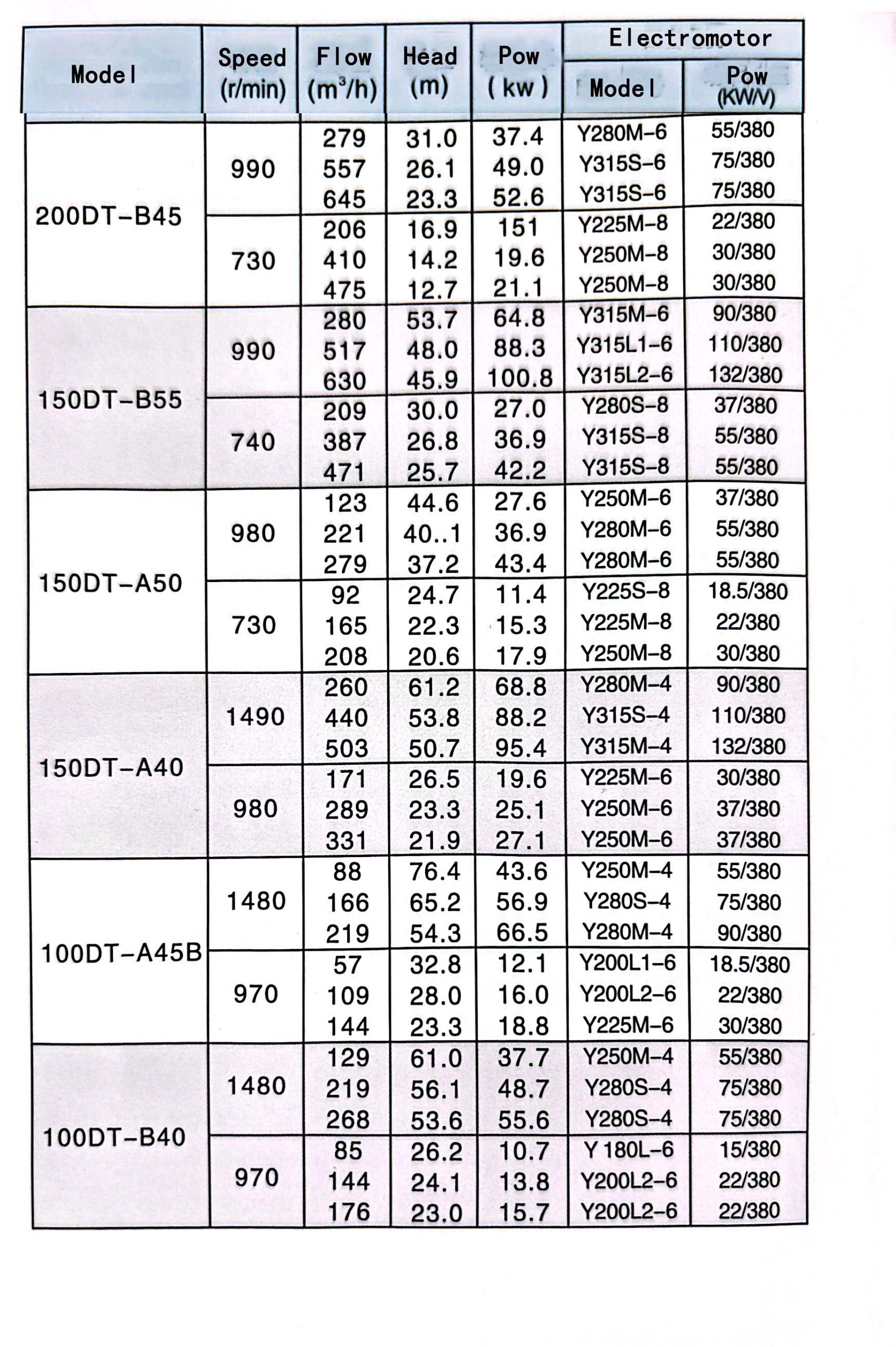
Introduction
Double suction water pumps represent a critical component in numerous industrial fluid handling systems, finding widespread application in water supply, drainage, irrigation, and process cooling. Positioned within the industry chain as a prime mover converting rotational energy into hydraulic energy, these pumps offer significant advantages over single-suction designs, notably increased flow rates and reduced Net Positive Suction Head Required (NPSHr). This guide provides a comprehensive technical overview of double suction centrifugal pumps, covering material science, manufacturing processes, performance characteristics, failure modes, and relevant industry standards. Core performance centers around delivering high volumetric flow while maintaining acceptable levels of hydraulic efficiency, cavitation resistance, and operational reliability. A key pain point for end-users involves selecting pumps suited to specific fluid characteristics (viscosity, solids content, corrosivity) and operational demands (flow rate, head pressure, duty cycle), necessitating a detailed understanding of pump construction and performance parameters.
Material Science & Manufacturing
The primary materials used in the construction of double suction water pumps are cast iron, stainless steel (304, 316, duplex), and, in specialized applications, bronze or polymeric composites. Cast iron (ASTM A48 Class 30) provides a cost-effective solution for freshwater applications due to its machinability and damping characteristics. However, its susceptibility to corrosion necessitates protective coatings (epoxy, fusion-bonded epoxy) or the use of corrosion-resistant alloys for more aggressive fluids. Stainless steel offers superior corrosion resistance, making it ideal for handling saltwater, chemical solutions, and wastewater. Duplex stainless steels (UNS S31803/S32205) provide enhanced strength and resistance to pitting and crevice corrosion. Manufacturing typically involves several key processes. The pump casing is produced via sand casting or investment casting, requiring precise mold design and control of solidification rates to minimize porosity and ensure dimensional accuracy. Impellers are typically manufactured using centrifugal casting or machining from solid bar stock. Shafts are forged from high-strength alloy steel (e.g., 4140) and undergo heat treatment to achieve optimal tensile strength and fatigue resistance. Critical parameters include impeller balancing (to minimize vibration), surface finish of flow passages (to maximize hydraulic efficiency), and proper alignment of rotating components (to extend bearing life). Welding, when employed, must adhere to stringent quality control procedures (AWS D1.1) to ensure structural integrity and prevent weld defects (porosity, cracking, undercut).
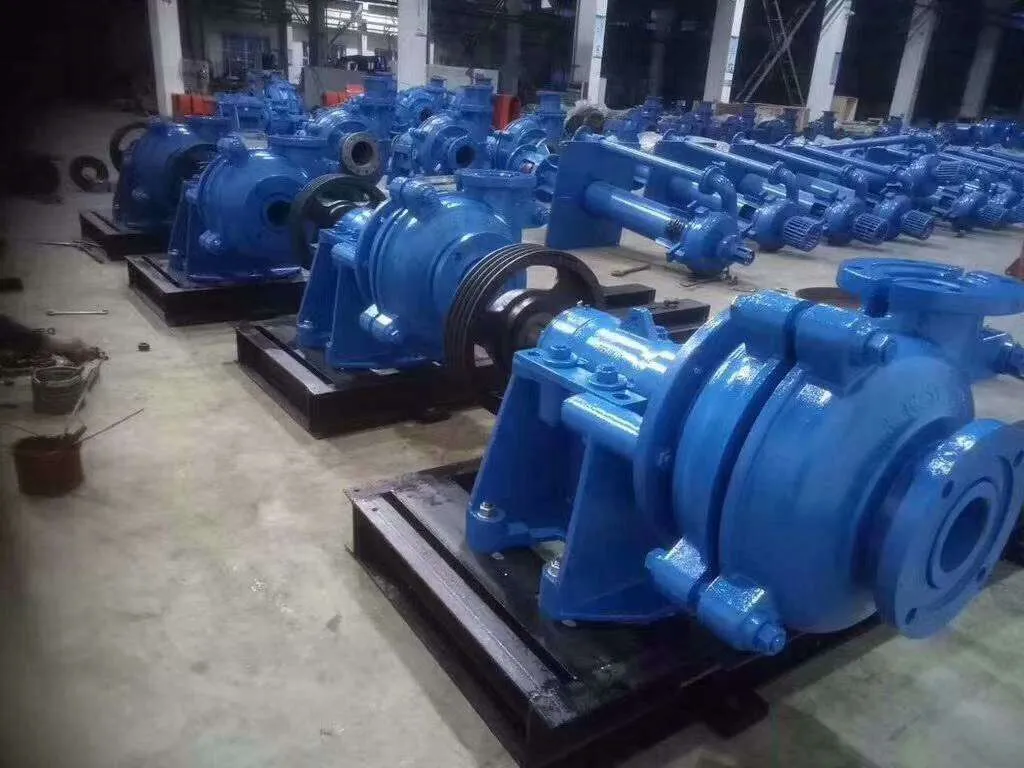
Performance & Engineering
The performance of a double suction water pump is dictated by several key engineering principles. Hydraulic design focuses on optimizing impeller geometry (blade angle, number of blades, impeller diameter) to maximize head and efficiency. Force analysis considers centrifugal forces generated by the impeller, hydrostatic forces acting on the casing, and external loads imposed by the piping system. Cavitation, a critical concern, occurs when the absolute pressure at the impeller inlet falls below the vapor pressure of the fluid, forming vapor bubbles that collapse violently, causing erosion and noise. Minimizing cavitation requires careful selection of the pump's NPSHr and ensuring adequate system NPSHa (Net Positive Suction Head Available). Environmental resistance encompasses considerations for temperature extremes, humidity, and exposure to corrosive atmospheres. Pump selection must align with API 610 standards for centrifugal pumps, which define requirements for mechanical design, materials, testing, and performance. Bearing design is crucial for pump longevity; typically, deep groove ball bearings or cylindrical roller bearings are employed, lubricated with grease or oil, and sized to handle radial and axial loads. Shaft deflection must be minimized to prevent seal failures and bearing wear. Furthermore, understanding the pump curve – a graphical representation of head vs. flow rate – is essential for selecting a pump that operates efficiently within the desired operating range. Dynamic balancing of the impeller and shaft assembly is paramount to minimize vibration and extend mechanical seal life.
Technical Specifications
| Parameter | Unit | Typical Value (Example) | Standard/Reference |
|---|---|---|---|
| Flow Rate | m³/h | 50 - 1000 | ISO 9906 |
| Head | m | 10 - 150 | DIN EN ISO 5003 |
| Power | kW | 5.5 - 200 | IEC 60034 |
| Suction Flange Diameter | mm | 100 - 400 | ANSI/ASME B16.5 |
| Discharge Flange Diameter | mm | 100 - 400 | ANSI/ASME B16.5 |
| Operating Temperature | °C | -10 to 80 | ASTM D891 |
Failure Mode & Maintenance
Double suction water pumps are susceptible to several failure modes. Fatigue cracking in the impeller, particularly around the blade roots, can occur due to cyclic loading. Delamination of casing coatings can lead to corrosion and erosion. Mechanical seal failures, often caused by misalignment, abrasive particles, or dry running, result in leakage and reduced pump efficiency. Bearing failures, typically stemming from inadequate lubrication, overload, or contamination, generate noise and vibration. Cavitation erosion damages impeller vanes and casing surfaces. Oxidation and corrosion degrade pump components, especially in harsh environments. Preventive maintenance is critical for extending pump life. Regular inspection of seals, bearings, and impeller for wear and damage is essential. Lubrication schedules should be strictly adhered to. Vibration analysis can detect early signs of imbalance or bearing deterioration. Periodic cleaning of strainers and filters prevents blockage and ensures adequate flow. When replacing components, using OEM-specified parts is crucial to maintain performance and reliability. For impeller failures, non-destructive testing methods like dye penetrant inspection or ultrasonic testing can identify cracks before catastrophic failure. Regular monitoring of pump performance parameters (flow rate, head, power consumption) can reveal deviations indicative of developing problems.
Industry FAQ
Q: What is the primary advantage of a double suction pump over a single suction pump for large flow rate applications?
A: The primary advantage is increased flow capacity for a given pump size and speed. The double suction design effectively doubles the inlet area, reducing flow velocity and minimizing energy losses, leading to higher flow rates and potentially increased efficiency.
Q: How does the fluid viscosity affect the performance of a double suction pump?
A: Increased fluid viscosity leads to higher frictional losses within the pump, reducing both head and efficiency. Higher viscosity fluids also require more power to pump. Pump curves are typically generated with water; adjustments must be made when handling viscous fluids.
Q: What are the critical considerations when selecting a material for a double suction pump handling corrosive fluids?
A: Material selection must prioritize corrosion resistance. Stainless steel alloys (316, duplex) or specialized polymers are often necessary. The specific fluid composition, concentration, temperature, and operating pressure must be considered to determine the appropriate material.
Q: What is NPSHr, and why is it important in the context of double suction pump operation?
A: NPSHr (Net Positive Suction Head Required) is the minimum absolute pressure required at the pump inlet to prevent cavitation. Ensuring the system’s NPSHa (Net Positive Suction Head Available) is greater than the pump's NPSHr is crucial for reliable operation and preventing damage.
Q: What type of maintenance schedule is recommended for a double suction pump in continuous operation?
A: A comprehensive maintenance schedule should include daily visual inspections, weekly vibration analysis, monthly lubrication checks, and annual component inspections (seals, bearings, impeller). Oil analysis can also provide early warnings of wear and contamination.
Conclusion
Double suction water pumps are essential components in a wide range of industrial applications, providing high flow rates and reliable performance. Their selection and operation demand a thorough understanding of material science, hydraulic principles, and potential failure modes. By carefully considering fluid properties, operating conditions, and adherence to relevant industry standards (like those outlined below), users can maximize pump efficiency, minimize downtime, and ensure long-term operational reliability.
Future developments in double suction pump technology are likely to focus on enhanced hydraulic designs for improved efficiency, the integration of smart sensors for predictive maintenance, and the adoption of advanced materials for increased corrosion resistance and durability. Implementing condition monitoring systems and leveraging data analytics will allow for optimized maintenance schedules and minimized lifecycle costs, cementing the role of these pumps in critical industrial infrastructure.
-
Comprehensive Guide to Waterproof ORings for Optimal Sealing Solutions
News2026-06-09
-
best sewage ejector pump Performance Engineering
News2026-06-11
-
aerobic septic system pump Performance Analysis
News2026-06-11
-
Sumergible Pump Performance Analysis
News2026-06-11
-
ejector pump for basement Performance Engineering
News2026-06-11
-
sewer lift pump Performance Engineering
News2026-06-11
-
Septic Pump Replacement Performance Analysis
News2026-06-10
-
Septic Pump Price Performance Analysis
News2026-06-10
-
pumps for septic systems Material Science Manufacturing
News2026-06-10
-
ejector pumps for basement bathrooms Performance Analysis
News2026-06-10
-
Ejector Pump Cost Analysis
News2026-06-10
-
drainage pumps Performance and Engineering
News2026-06-09
-
basement bathroom ejector pump Material Science
News2026-06-09
-
Sewer Ejector Pump Cost Performance Analysis
News2026-06-09
-
Septic Tank Pump Replacement Performance Analysis
News2026-06-09




