English
- Afrikaans
- Albanian
- Amharic
- Arabic
- Armenian
- Azerbaijani
- Basque
- Belarusian
- Bengali
- Bosnian
- Bulgarian
- Catalan
- Cebuano
- Corsican
- Croatian
- Czech
- Danish
- Dutch
- English
- Esperanto
- Estonian
- Finnish
- French
- Frisian
- Galician
- Georgian
- German
- Greek
- Gujarati
- Haitian Creole
- hausa
- hawaiian
- Hebrew
- Hindi
- Miao
- Hungarian
- Icelandic
- igbo
- Indonesian
- irish
- Italian
- Japanese
- Javanese
- Kannada
- kazakh
- Khmer
- Rwandese
- Korean
- Kurdish
- Kyrgyz
- Lao
- Latin
- Latvian
- Lithuanian
- Luxembourgish
- Macedonian
- Malgashi
- Malay
- Malayalam
- Maltese
- Maori
- Marathi
- Mongolian
- Myanmar
- Nepali
- Norwegian
- Norwegian
- Occitan
- Pashto
- Persian
- Polish
- Portuguese
- Punjabi
- Romanian
- Russian
- Samoan
- Scottish Gaelic
- Serbian
- Sesotho
- Shona
- Sindhi
- Sinhala
- Slovak
- Slovenian
- Somali
- Spanish
- Sundanese
- Swahili
- Swedish
- Tagalog
- Tajik
- Tamil
- Tatar
- Telugu
- Thai
- Turkish
- Turkmen
- Ukrainian
- Urdu
- Uighur
- Uzbek
- Vietnamese
- Welsh
- Bantu
- Yiddish
- Yoruba
- Zulu

Telephone: +86 13120555503
Email: frank@cypump.com


Apr . 01, 2024 17:55 Back to list
hot sale double suction split pump Technical Analysis and Manufacturing Specifications
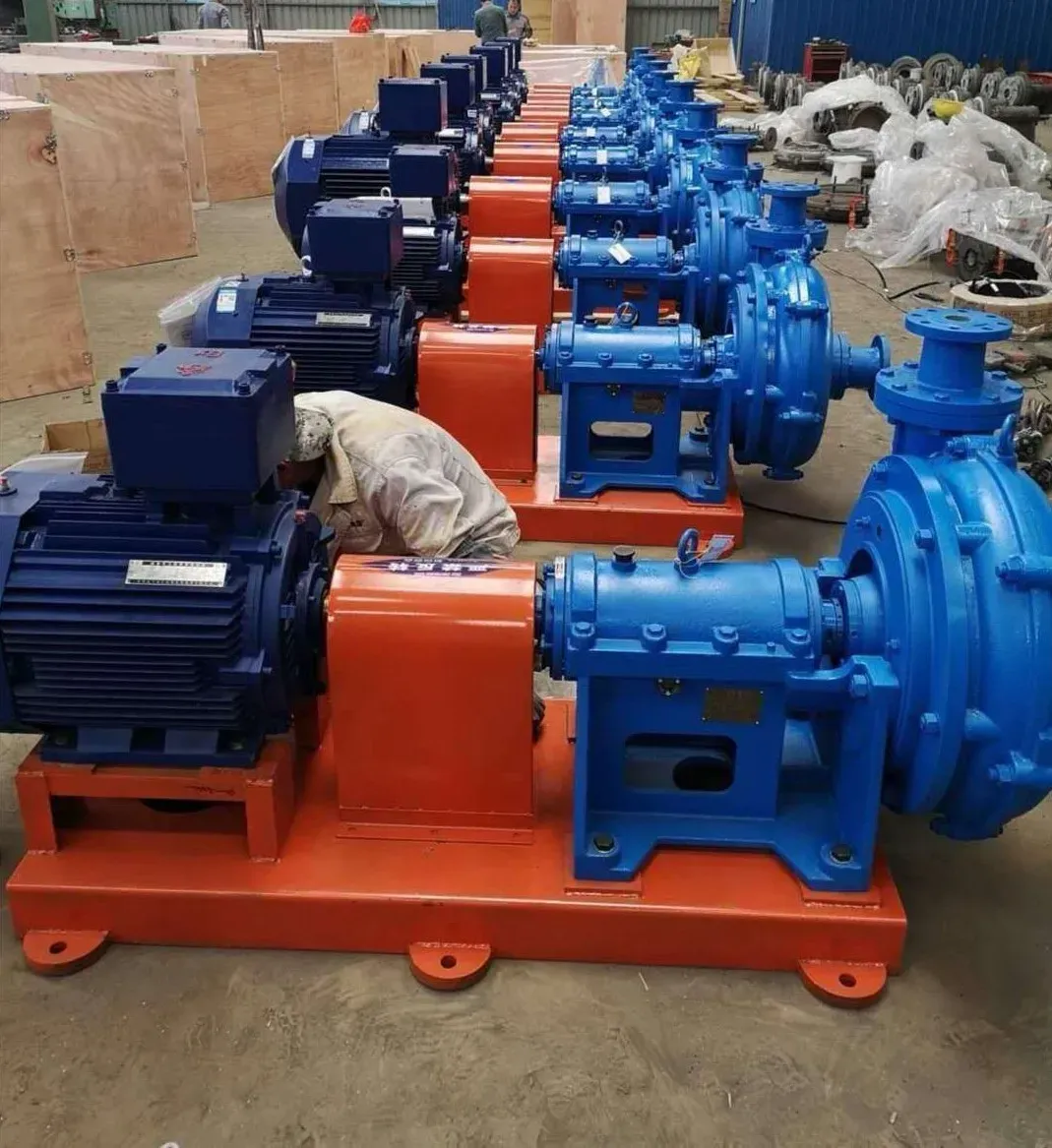
Introduction
Double suction split case pumps represent a critical component in numerous industrial fluid transfer applications, particularly within water treatment, power generation, and large-scale irrigation systems. Distinguished by their horizontally split casing design and impellers with suction inlets on both sides, these pumps offer substantial flow rates with moderate head pressures. Their design facilitates ease of maintenance, reducing downtime and associated costs. This guide provides an in-depth technical analysis of double suction split case pumps, encompassing material science, manufacturing processes, performance characteristics, failure modes, and relevant industry standards. The core performance characteristics revolve around high volumetric efficiency and low net positive suction head (NPSH) requirements, making them suitable for handling clean or slightly contaminated fluids. A key pain point in the industry is maintaining consistent performance over extended operational periods, often compromised by impeller erosion, seal failures, and casing distortion due to thermal stress.
Material Science & Manufacturing
The primary materials utilized in double suction split case pump construction are cast iron (ASTM A48 Class 30), ductile iron (ASTM A536 65-45-12), and stainless steel (304/316). Cast iron, commonly used for pump casings, provides good machinability and vibration damping properties, though it exhibits lower tensile strength and corrosion resistance. Ductile iron offers improved strength and ductility compared to cast iron, making it suitable for components subject to higher stresses. Stainless steel is employed for impellers and shafts, offering exceptional corrosion resistance, particularly when handling aggressive fluids. Manufacturing processes begin with sand casting for the casing components. Precise machining is then performed on critical surfaces (impeller mounting flanges, bearing bores) to ensure dimensional accuracy and smooth finishes. Impellers are typically manufactured using investment casting or centrifugal casting, followed by static or dynamic balancing to minimize vibration. Shaft sleeves are hardened and ground to provide a wear-resistant surface for mechanical seals. Key parameter control during manufacturing focuses on maintaining tight tolerances on impeller clearances, concentricity of shaft and casing, and surface roughness of sealing surfaces. Welding processes, if used for repairs or fabrication, must adhere to AWS D1.1 standards to ensure structural integrity and prevent weld defects like porosity and cracking. Chemical compatibility of materials with the pumped fluid is a critical consideration to prevent corrosion and erosion, evaluated using ASTM G31 standards.
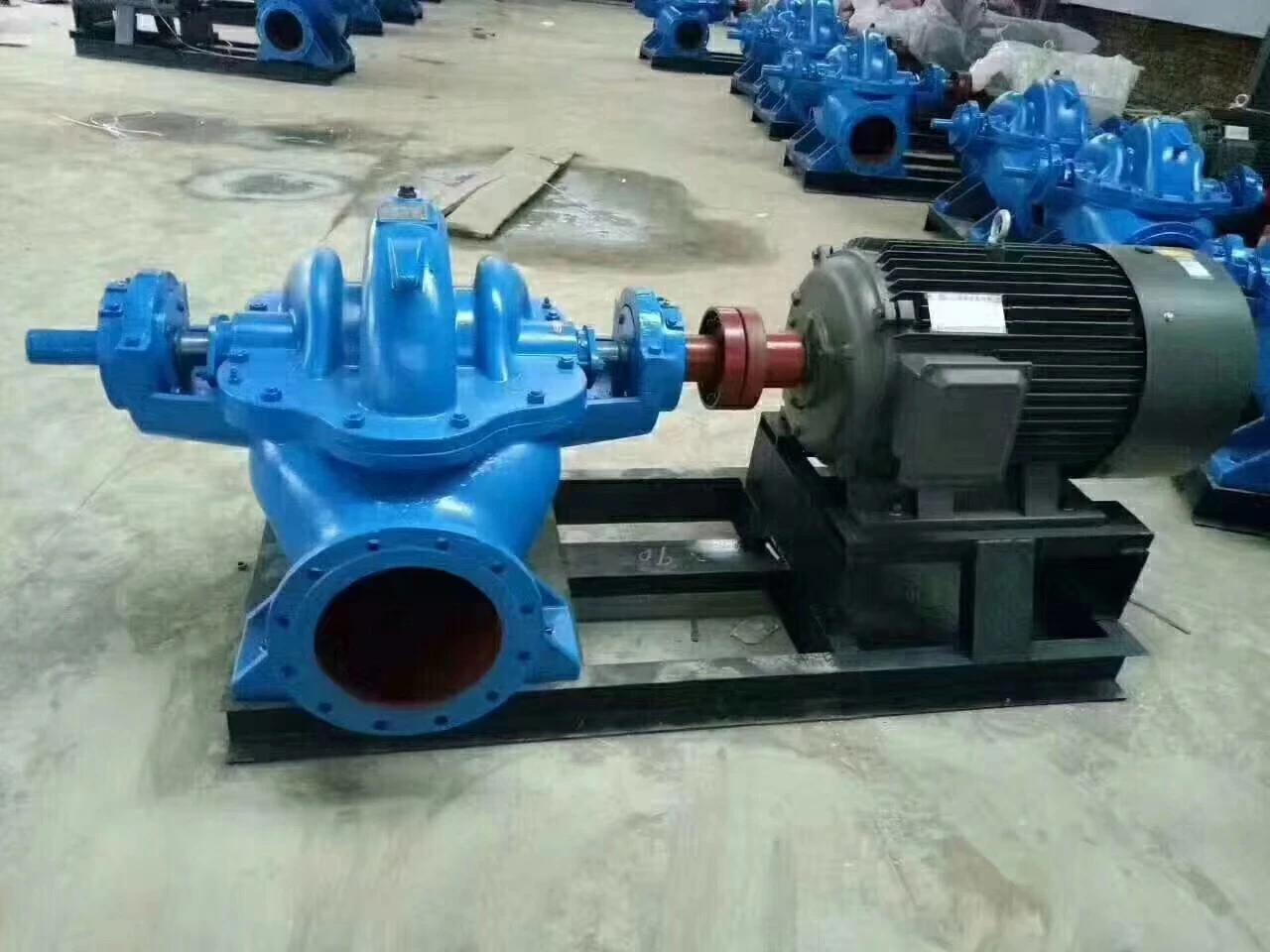
Performance & Engineering
Performance analysis of double suction split case pumps centers around the affinity laws governing pump behavior—flow rate, head, and power are interrelated. Force analysis considers hydrodynamic forces acting on the impeller, radial loads on the shaft from fluid pressure, and thrust loads from impeller imbalance. Casing design must account for these forces to prevent distortion and ensure structural integrity, typically validated through Finite Element Analysis (FEA). Environmental resistance is crucial, particularly regarding temperature fluctuations and exposure to corrosive atmospheres. Materials selection and protective coatings (epoxy, polyurethane) mitigate corrosion. Compliance requirements include adherence to Hydraulic Institute (HI) standards, specifically HI 1.6 for pump performance testing and HI 1.1 for pump classification. Functional implementation requires careful consideration of the pump’s Net Positive Suction Head Required (NPSHr) and ensuring the available NPSH (NPSHa) in the system exceeds NPSHr by a sufficient margin (typically 0.5-1 meter) to prevent cavitation. Cavitation, the formation and collapse of vapor bubbles, leads to impeller erosion and reduced pump efficiency. Pump curves, generated according to ISO 9906, illustrate the relationship between flow rate, head, efficiency, and power consumption, providing essential data for system design and pump selection. Bearing lubrication and cooling are critical for extending pump life and preventing bearing failure, governed by ISO 28719 standards.
Technical Specifications
| Parameter | Unit | Typical Value (Range) | Testing Standard |
|---|---|---|---|
| Flow Rate | m³/h | 50 - 2000 | ISO 9906 |
| Head | m | 10 - 150 | ISO 9906 |
| Power | kW | 5.5 - 300 | IEC 60034-1 |
| Suction Pressure | bar | -0.1 to 10 | Manufacturer’s Specification |
| Discharge Pressure | bar | Up to 25 | Manufacturer’s Specification |
| Operating Temperature | °C | -20 to 120 | Manufacturer’s Specification |
Failure Mode & Maintenance
Common failure modes in double suction split case pumps include impeller erosion due to abrasive particles, seal failures resulting in leakage, bearing failures due to inadequate lubrication or contamination, and casing distortion caused by thermal stress or hydraulic shock. Impeller erosion is typically manifested as leading-edge wear and can be mitigated by using hardened impeller materials or coatings. Seal failures are often attributed to misalignment, excessive wear, or incompatibility with the pumped fluid. Regular inspection and replacement of seals are crucial. Bearing failures can result from insufficient lubrication, contamination, or overload. Monitoring bearing temperature and vibration levels is recommended. Casing distortion can lead to misalignment and increased vibration, requiring realignment or, in severe cases, casing replacement. Preventative maintenance includes regular lubrication of bearings, inspection and replacement of seals, monitoring vibration levels, and ensuring proper alignment. Failure analysis, employing techniques like metallographic examination and non-destructive testing (NDT – ISO 9712), helps identify the root cause of failures and implement corrective actions. Proper storage of spare parts is vital, protecting them from corrosion and contamination (ISO 9001 standards for quality management apply to parts handling).
Industry FAQ
Q: What is the impact of fluid viscosity on pump performance?
A: Increased fluid viscosity leads to reduced pump flow rate and increased power consumption. The affinity laws dictate a non-linear relationship; doubling the viscosity typically reduces flow by approximately 20-30%. Pump selection must account for the viscosity of the fluid being pumped to ensure efficient operation and prevent motor overload.
Q: How do I determine the required NPSH for a given application?
A: NPSH Required (NPSHr) is a pump characteristic determined by the manufacturer. Net Positive Suction Head Available (NPSHa) is calculated based on the system’s static suction head, vapor pressure of the fluid, and suction line losses. NPSHa must always exceed NPSHr by a sufficient margin to avoid cavitation. Detailed calculations are outlined in the Hydraulic Institute Standards.
Q: What are the best materials for handling corrosive fluids?
A: For handling highly corrosive fluids, stainless steel alloys (316, duplex stainless steel) and specialized polymers (PVDF, PTFE) are recommended. The specific material selection depends on the type and concentration of the corrosive agent. Chemical compatibility charts (ASTM G31) should be consulted.
Q: What maintenance procedures are critical for extending pump life?
A: Critical maintenance procedures include regular bearing lubrication, seal inspection and replacement, alignment checks, vibration analysis, and monitoring of motor current. Establishing a preventative maintenance schedule based on operating hours and fluid conditions is essential.
Q: What are the implications of operating a pump outside its BEP (Best Efficiency Point)?
A: Operating a pump significantly outside its BEP results in reduced efficiency, increased power consumption, and increased vibration. This can lead to premature wear and failure. System design should prioritize operating the pump as close to its BEP as possible.
Conclusion
Double suction split case pumps remain a cornerstone of industrial fluid handling, offering a balance of high flow capacity, moderate head, and maintainability. Understanding the material science principles governing their construction, the intricate manufacturing processes that ensure precision, and the engineering considerations surrounding performance and compliance is crucial for optimal operation and longevity.
Effective maintenance practices, proactive failure analysis, and adherence to industry standards are paramount in minimizing downtime and maximizing return on investment. Future advancements will likely focus on optimizing impeller designs for improved efficiency, incorporating advanced materials for enhanced corrosion resistance, and integrating smart sensor technologies for predictive maintenance.
-
Comprehensive Guide to Waterproof ORings for Optimal Sealing Solutions
News2026-06-09
-
Septic Pump Replacement Performance Analysis
News2026-06-10
-
Septic Pump Price Performance Analysis
News2026-06-10
-
pumps for septic systems Material Science Manufacturing
News2026-06-10
-
ejector pumps for basement bathrooms Performance Analysis
News2026-06-10
-
Ejector Pump Cost Analysis
News2026-06-10
-
drainage pumps Performance and Engineering
News2026-06-09
-
basement bathroom ejector pump Material Science
News2026-06-09
-
Sewer Ejector Pump Cost Performance Analysis
News2026-06-09
-
Septic Tank Pump Replacement Performance Analysis
News2026-06-09
-
septic sump pump Performance and Engineering
News2026-06-09
-
Septic Pump System Performance Analysis
News2026-06-08
-
pump for septic Material Science
News2026-06-08
-
basement sewer pump Performance Analysis
News2026-06-08
-
submerged pump Performance Engineering
News2026-06-08




