English
- Afrikaans
- Albanian
- Amharic
- Arabic
- Armenian
- Azerbaijani
- Basque
- Belarusian
- Bengali
- Bosnian
- Bulgarian
- Catalan
- Cebuano
- Corsican
- Croatian
- Czech
- Danish
- Dutch
- English
- Esperanto
- Estonian
- Finnish
- French
- Frisian
- Galician
- Georgian
- German
- Greek
- Gujarati
- Haitian Creole
- hausa
- hawaiian
- Hebrew
- Hindi
- Miao
- Hungarian
- Icelandic
- igbo
- Indonesian
- irish
- Italian
- Japanese
- Javanese
- Kannada
- kazakh
- Khmer
- Rwandese
- Korean
- Kurdish
- Kyrgyz
- Lao
- Latin
- Latvian
- Lithuanian
- Luxembourgish
- Macedonian
- Malgashi
- Malay
- Malayalam
- Maltese
- Maori
- Marathi
- Mongolian
- Myanmar
- Nepali
- Norwegian
- Norwegian
- Occitan
- Pashto
- Persian
- Polish
- Portuguese
- Punjabi
- Romanian
- Russian
- Samoan
- Scottish Gaelic
- Serbian
- Sesotho
- Shona
- Sindhi
- Sinhala
- Slovak
- Slovenian
- Somali
- Spanish
- Sundanese
- Swahili
- Swedish
- Tagalog
- Tajik
- Tamil
- Tatar
- Telugu
- Thai
- Turkish
- Turkmen
- Ukrainian
- Urdu
- Uighur
- Uzbek
- Vietnamese
- Welsh
- Bantu
- Yiddish
- Yoruba
- Zulu

Telephone: +86 13120555503
Email: frank@cypump.com


Apr . 01, 2024 17:55 Back to list
hot sale double suction split case pump Performance Analysis
Introduction
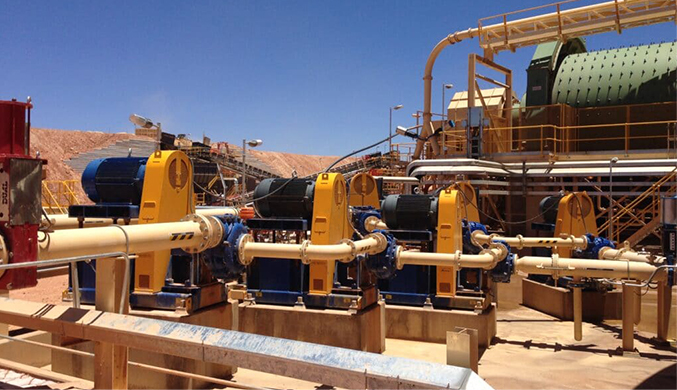
The double suction split case pump is a centrifugal pump design widely utilized in industrial water supply, HVAC systems, fire suppression, and various process fluid transfer applications. Its ‘split case’ construction – horizontally divided casing – allows for ease of inspection and maintenance without disturbing piping. Distinguishing itself from end-suction pumps, the double suction configuration, featuring impellers drawing fluid from both sides, significantly increases flow capacity and reduces axial thrust, resulting in enhanced hydraulic performance and operational stability. A core position within the fluid transfer industry chain, it bridges the gap between power sources and process requirements, offering a versatile solution for large volume fluid management. Core performance characteristics include high flow rates, relatively low head pressure capabilities, and robust construction suitable for continuous operation. Addressing a key industry pain point - minimizing downtime – the split case design offers unparalleled accessibility for routine maintenance and component replacement, reducing operational costs.
Material Science & Manufacturing
The core components of a double suction split case pump demand specific material selection for optimal performance and longevity. Pump casings are frequently constructed from cast iron (ASTM A126 Class 30 or equivalent), offering a balance of strength, cost-effectiveness, and machinability. However, for corrosive fluid handling, materials like stainless steel (304, 316 – ASTM A743 CA15) or ductile iron with epoxy coatings are preferred. Impellers, critical for energy transfer, are commonly made from cast iron, bronze (ASTM B584), or stainless steel, with bronze offering superior corrosion resistance in certain applications. Shafts require high tensile strength and fatigue resistance, typically utilizing alloy steels (4140, 4340 – ASTM A276) and undergoing hardening and tempering processes. Seals employ elastomers like Viton, EPDM, or PTFE (Teflon), selected based on fluid compatibility and temperature ranges.
Manufacturing typically involves several key steps. Casing production utilizes sand casting, followed by rigorous quality control including non-destructive testing (NDT) such as radiographic inspection to identify internal flaws. Impeller casting utilizes similar methods but necessitates precise balancing to minimize vibration. Shaft machining demands high precision tolerances to ensure concentricity and minimize runout. The split case mating surfaces are meticulously machined to guarantee a leak-proof seal when bolted together. Critical parameters include casing wall thickness (determined by pressure rating), impeller blade angles (impacts head and flow), shaft straightness (affects bearing life), and surface finish (reduces friction and improves sealing). Welding, if employed (for certain component repairs or fabrication), must adhere to AWS D1.1 standards. Post-manufacturing, pumps undergo hydrostatic testing to verify casing integrity and performance testing to validate flow rate, head, and efficiency according to Hydraulic Institute standards.
Performance & Engineering
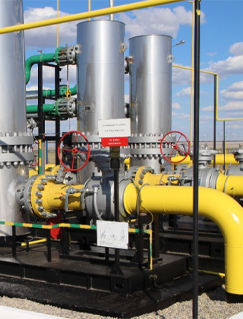
The performance of a double suction split case pump is governed by fundamental hydraulic principles. Force analysis centers on balancing radial and axial thrust loads. The double suction design minimizes axial thrust by distributing the hydraulic force across two impeller inlets. However, radial loads, caused by imbalances in pressure distribution, are addressed through robust bearing design – typically utilizing heavy-duty ball or roller bearings. Environmental resistance is critical, particularly in outdoor installations. Casings are often coated with epoxy or polyurethane to protect against corrosion and UV degradation. Shaft seals are engineered to prevent fluid leakage and ingress of contaminants. Cavitation, a primary performance limiter, is prevented through proper Net Positive Suction Head Available (NPSHa) calculations and impeller design.
Compliance requirements vary by region. North American standards include Hydraulic Institute (HI) standards for pump performance and testing. European standards are governed by EN 733. Safety regulations, such as those outlined by OSHA (US) and equivalent bodies internationally, dictate safety guards and interlocks to protect personnel. Pump curves, generated through rigorous testing, are essential for selecting the appropriate pump size for a given application. Understanding the system head curve, representing the resistance to flow within the piping system, is crucial for optimal pump operation and efficiency. Variable Frequency Drives (VFDs) are increasingly employed to modulate pump speed and flow rate, further optimizing energy consumption and extending pump life.
Technical Specifications
| Parameter | Unit | Typical Value (Range) | Notes |
|---|---|---|---|
| Flow Rate | m³/h | 50 - 2500 | Dependent on impeller diameter and speed |
| Head | m | 10 - 150 | Specific to pump model and impeller design |
| Pump Speed | RPM | 1450 - 3600 | Typically 50Hz or 60Hz operation |
| Casing Material | - | Cast Iron, Ductile Iron, Stainless Steel | Based on fluid compatibility |
| Impeller Material | - | Cast Iron, Bronze, Stainless Steel | Impacts corrosion resistance and efficiency |
| Seal Material | - | Viton, EPDM, PTFE | Determined by fluid temperature and chemical properties |
Failure Mode & Maintenance
Double suction split case pumps, while robust, are susceptible to several failure modes. Fatigue cracking in the casing, particularly around the volute, can occur due to cyclic pressure fluctuations and stress concentrations. Impeller cavitation erosion leads to material loss and reduced pump efficiency, often appearing as pitting on the blade surfaces. Bearing failure, manifested by excessive noise and vibration, is commonly caused by inadequate lubrication, misalignment, or contamination. Seal failures result in leakage and can be attributed to worn seals, shaft misalignment, or abrasive fluids. Shaft corrosion, particularly in seawater applications, compromises shaft integrity and can lead to catastrophic failure.
Preventative maintenance is crucial. Regular vibration analysis identifies bearing issues early on. Lubrication schedules must be strictly adhered to, utilizing the manufacturer-recommended lubricants. Periodic inspection of seals and replacement as needed prevents leakage. Monitoring NPSHa ensures cavitation is avoided. Casing inspections using NDT methods detect cracks before they propagate. Maintaining proper alignment between the pump and motor minimizes stress on bearings and seals. For repairs, casing welding must be performed by certified welders adhering to AWS D1.1 standards. Impeller balancing is essential after any repair or modification. Routine flushing of the pump system removes debris and prevents clogging. A comprehensive maintenance log, detailing all inspections and repairs, facilitates proactive maintenance and extends pump lifespan.
Industry FAQ
Q: What are the key advantages of a split case pump over an end-suction pump for high-volume applications?
A: Split case pumps excel in high-volume applications due to their double suction design, which significantly increases flow capacity. The split case construction also facilitates easier maintenance and reduces downtime, a critical factor in continuous process operations. Additionally, the double suction configuration minimizes axial thrust, leading to improved bearing life and overall pump stability compared to end-suction pumps of similar capacity.
Q: What material selection considerations are paramount when handling corrosive fluids?
A: When handling corrosive fluids, the choice of casing, impeller, and seal materials is crucial. Stainless steel (316 in particular) offers excellent corrosion resistance, but can be expensive. Ductile iron with epoxy coatings provides a cost-effective alternative for mildly corrosive fluids. The seal material must be chemically compatible with the fluid; Viton and PTFE are often preferred for their broad chemical resistance. Careful consideration of the fluid’s pH, temperature, and specific chemical composition is essential.
Q: How do I determine the appropriate Net Positive Suction Head Available (NPSHa) for a given application?
A: NPSHa calculation requires a thorough understanding of the system layout and fluid properties. It involves determining the absolute pressure at the pump suction, subtracting the vapor pressure of the fluid at the operating temperature, and accounting for friction losses in the suction piping. The calculated NPSHa must exceed the pump’s required NPSH (NPSHr), as specified by the manufacturer, to prevent cavitation. Incorrect NPSHa calculation is a frequent cause of pump performance issues.
Q: What are the common causes of pump vibration and how can they be addressed?
A: Common causes of pump vibration include impeller imbalance, misalignment between the pump and motor, bearing failure, cavitation, and resonance within the piping system. Addressing vibration requires a systematic approach: impeller balancing, laser alignment of the pump and motor, bearing inspection and replacement, ensuring adequate NPSHa, and identifying and mitigating any resonant frequencies in the piping. Regular vibration analysis is a proactive measure for detecting and diagnosing vibration issues.
Q: What are the benefits of using a Variable Frequency Drive (VFD) with a double suction split case pump?
A: Utilizing a VFD allows for precise control of pump speed and flow rate, resulting in significant energy savings, particularly in applications with varying flow demands. Reduced mechanical stress on the pump components, extending their lifespan. It also allows for soft starting and stopping, minimizing water hammer and reducing stress on the piping system. VFDs enable optimization of pump performance for varying system conditions.
Conclusion
The double suction split case pump remains a cornerstone of industrial fluid handling due to its robust design, high flow capabilities, and ease of maintenance. Understanding the material science behind its construction, the intricacies of its manufacturing process, and the principles governing its performance are crucial for selecting the optimal pump for a specific application and ensuring its long-term reliability. Addressing potential failure modes through proactive maintenance and adhering to relevant industry standards are paramount for minimizing downtime and maximizing return on investment.
As industrial processes evolve and demands for energy efficiency increase, the integration of advanced technologies like VFDs and predictive maintenance techniques will further enhance the performance and sustainability of double suction split case pumps. Continuous monitoring of key parameters and leveraging data analytics will enable optimized operation and predictive failure analysis, solidifying their position as a vital component within modern industrial infrastructure.
-
Comprehensive Guide to Waterproof ORings for Optimal Sealing Solutions
News2026-06-09
-
Septic Pump Replacement Performance Analysis
News2026-06-10
-
Septic Pump Price Performance Analysis
News2026-06-10
-
pumps for septic systems Material Science Manufacturing
News2026-06-10
-
ejector pumps for basement bathrooms Performance Analysis
News2026-06-10
-
Ejector Pump Cost Analysis
News2026-06-10
-
drainage pumps Performance and Engineering
News2026-06-09
-
basement bathroom ejector pump Material Science
News2026-06-09
-
Sewer Ejector Pump Cost Performance Analysis
News2026-06-09
-
Septic Tank Pump Replacement Performance Analysis
News2026-06-09
-
septic sump pump Performance and Engineering
News2026-06-09
-
Septic Pump System Performance Analysis
News2026-06-08
-
pump for septic Material Science
News2026-06-08
-
basement sewer pump Performance Analysis
News2026-06-08
-
submerged pump Performance Engineering
News2026-06-08




