English
- Afrikaans
- Albanian
- Amharic
- Arabic
- Armenian
- Azerbaijani
- Basque
- Belarusian
- Bengali
- Bosnian
- Bulgarian
- Catalan
- Cebuano
- Corsican
- Croatian
- Czech
- Danish
- Dutch
- English
- Esperanto
- Estonian
- Finnish
- French
- Frisian
- Galician
- Georgian
- German
- Greek
- Gujarati
- Haitian Creole
- hausa
- hawaiian
- Hebrew
- Hindi
- Miao
- Hungarian
- Icelandic
- igbo
- Indonesian
- irish
- Italian
- Japanese
- Javanese
- Kannada
- kazakh
- Khmer
- Rwandese
- Korean
- Kurdish
- Kyrgyz
- Lao
- Latin
- Latvian
- Lithuanian
- Luxembourgish
- Macedonian
- Malgashi
- Malay
- Malayalam
- Maltese
- Maori
- Marathi
- Mongolian
- Myanmar
- Nepali
- Norwegian
- Norwegian
- Occitan
- Pashto
- Persian
- Polish
- Portuguese
- Punjabi
- Romanian
- Russian
- Samoan
- Scottish Gaelic
- Serbian
- Sesotho
- Shona
- Sindhi
- Sinhala
- Slovak
- Slovenian
- Somali
- Spanish
- Sundanese
- Swahili
- Swedish
- Tagalog
- Tajik
- Tamil
- Tatar
- Telugu
- Thai
- Turkish
- Turkmen
- Ukrainian
- Urdu
- Uighur
- Uzbek
- Vietnamese
- Welsh
- Bantu
- Yiddish
- Yoruba
- Zulu

Telephone: +86 13120555503
Email: frank@cypump.com


Apr . 01, 2024 17:55 Back to list
hot sale clean water double suction pump Performance Analysis
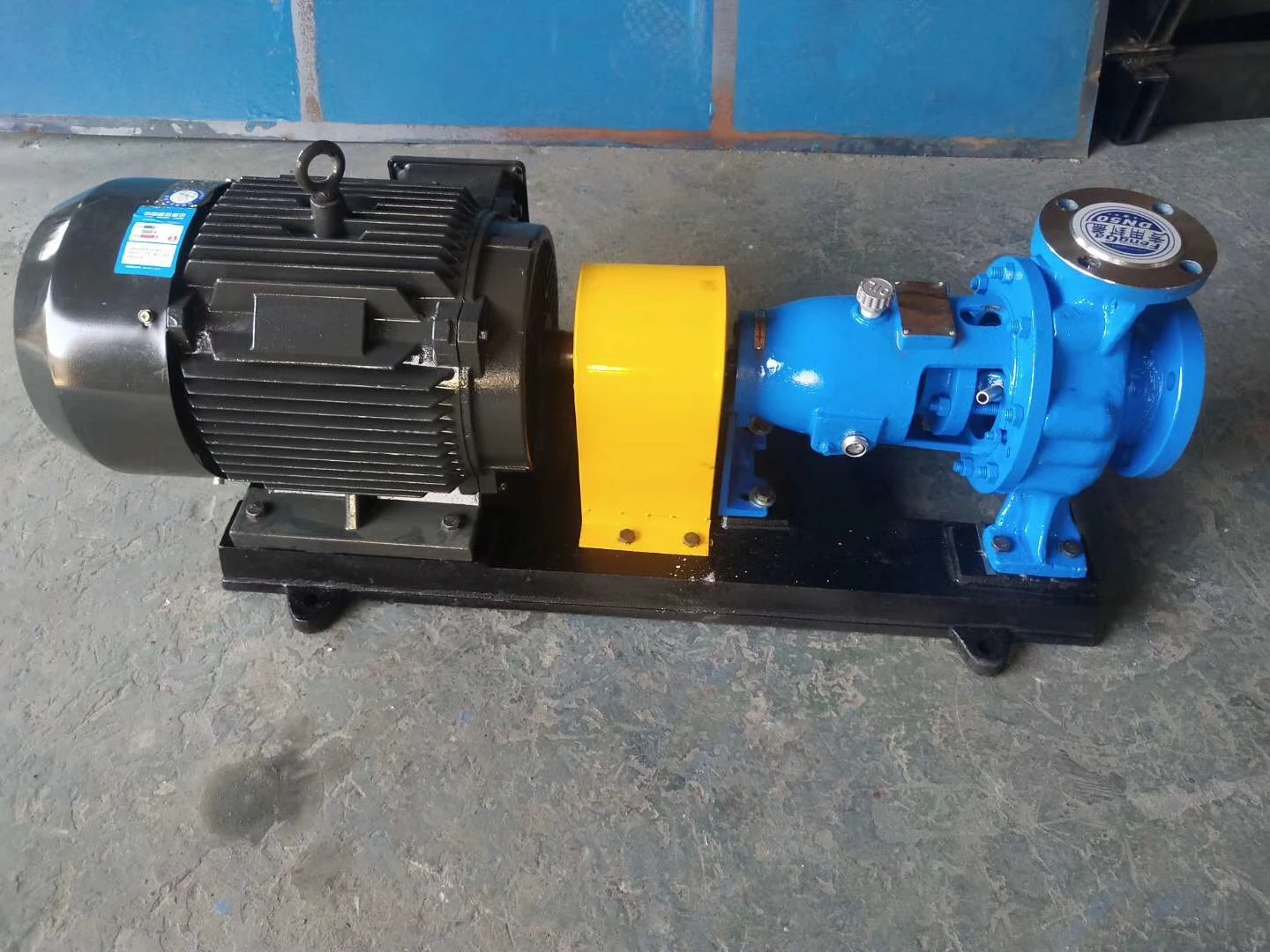
Introduction
The clean water double suction pump is a centrifugal pump designed for transferring clean water or other liquids similar to water in physical and chemical properties. Its defining characteristic is the double-suction impeller, which reduces axial thrust and allows for higher flow rates compared to single-suction pumps. Positioned within the industrial chain, these pumps serve as critical components in water supply systems, irrigation, fire suppression, power plant cooling, and various industrial processes. Core performance metrics center on volumetric flow rate (m³/h), total head (m), efficiency (%), and Net Positive Suction Head Required (NPSHr). A key industry pain point is balancing pump efficiency with minimizing life-cycle costs, including energy consumption, maintenance, and potential downtime. Selecting the correct pump material for compatibility with the fluid being transferred and the operating environment is also paramount to prevent corrosion and ensure longevity.
Material Science & Manufacturing
The primary materials used in clean water double suction pump construction are cast iron (typically ASTM A48 Class 30 or equivalent), stainless steel (304, 316, or duplex stainless steel depending on fluid compatibility), and engineered plastics for certain components like impellers or wear rings. Cast iron provides cost-effectiveness and good hydraulic properties, but its susceptibility to corrosion necessitates protective coatings (epoxy, fusion-bonded epoxy). Stainless steel offers superior corrosion resistance but at a higher cost. Manufacturing typically involves several stages: pattern making for the casing, sand casting, machining (for impeller and casing), welding (for certain casing designs), and assembly. Key parameter control focuses on impeller balancing to minimize vibration, dimensional accuracy of casing volutes to maximize efficiency, and surface finish of internal components to reduce frictional losses. Shaft material selection (often 4140 alloy steel, heat treated) is crucial for fatigue resistance. The impeller’s hydrofoil design is refined via computational fluid dynamics (CFD) analysis to optimize flow characteristics and minimize cavitation. Welding processes, when utilized, require strict adherence to ASME Boiler and Pressure Vessel Code Section IX for qualification of welding procedures and welders.
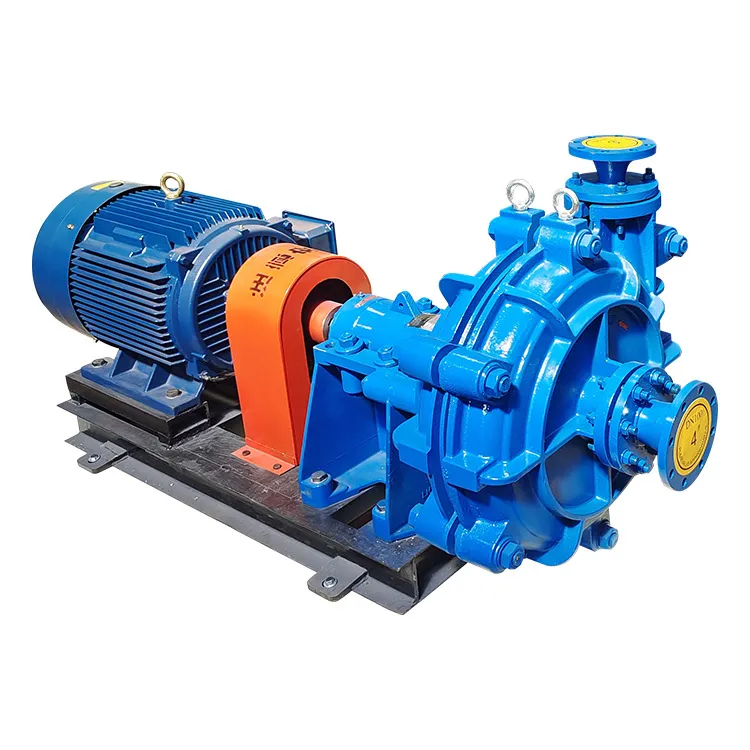
Performance & Engineering
Performance analysis of a double suction pump centers on understanding the pump curve – a graphical representation of head vs. flow rate at a constant speed. Force analysis involves assessing radial and axial forces exerted on the shaft and bearings. The double-suction design significantly reduces axial thrust compared to single-suction pumps, leading to longer bearing life. Environmental resistance is critical, particularly in corrosive environments. Material selection and coatings are tailored to the specific fluid being pumped (pH, chloride content, temperature). Compliance requirements include adherence to hydraulic institute (HI) standards for pump testing and performance rating, and potentially API 610 for specific industrial applications. NPSHr calculation is essential to prevent cavitation – the formation of vapor bubbles that can damage the impeller and reduce pump performance. Cavitation occurs when the absolute pressure at the impeller inlet falls below the vapor pressure of the liquid. Pump selection must ensure that the Net Positive Suction Head Available (NPSHa) provided by the system exceeds the NPSHr specified by the manufacturer. Proper pipe sizing and minimizing elevation differences between the liquid source and the pump inlet contribute to maximizing NPSHa.
Technical Specifications
| Flow Rate (m³/h) | Head (m) | Power (kW) | Impeller Diameter (mm) |
|---|---|---|---|
| 60-300 | 10-50 | 7.5-55 | 200-400 |
| 100-500 | 20-70 | 15-110 | 300-500 |
| 200-800 | 30-100 | 37-185 | 400-600 |
| 300-1200 | 40-120 | 75-250 | 500-700 |
| 500-2000 | 50-150 | 150-400 | 600-800 |
| 800-3000 | 60-200 | 250-750 | 700-900 |
Failure Mode & Maintenance
Common failure modes in double suction pumps include bearing failure (due to overload, misalignment, or lubrication issues), impeller damage (cavitation erosion, corrosion, or foreign object impact), seal failure (wear, chemical incompatibility, or improper installation), and casing cracking (fatigue, corrosion, or hydraulic shock). Fatigue cracking can occur in the casing or impeller due to cyclical loading. Delamination of coatings can expose the base metal to corrosion. Degradation of elastomers in seals can lead to leakage. Oxidation of pump components can occur in high-temperature applications. Regular maintenance is crucial to prevent these failures. This includes periodic bearing lubrication, vibration analysis, impeller inspection (for signs of erosion or cavitation), seal replacement, and coating repair. Preventive maintenance schedules should be based on operating hours and fluid conditions. When replacing components, it's vital to use manufacturer-approved parts to ensure compatibility and maintain performance. Proper shaft alignment during reassembly is also critical to prevent bearing failure. A thorough flush of the pump and piping system before startup can remove debris and prevent impeller damage.
Industry FAQ
Q: What is the impact of impeller trim on pump efficiency?
A: Impeller trim, altering the impeller diameter to adjust flow rate, inevitably reduces pump efficiency. While it allows matching the pump to a specific system curve, it moves the pump away from its Best Efficiency Point (BEP). The reduction in efficiency is more pronounced with larger trims. A carefully selected pump with a slightly oversized impeller and variable frequency drive (VFD) is often a more efficient solution than significant impeller trimming.
Q: How do you mitigate cavitation damage in a double suction pump?
A: Mitigating cavitation requires ensuring adequate NPSHa. This involves increasing the liquid level in the supply tank, reducing friction losses in the suction piping, lowering the pump elevation relative to the liquid source, and increasing the suction pipe diameter. Regular monitoring of pump noise for cavitation indicators is also essential. Implementing anti-cavitation trim on the impeller can also offer some protection.
Q: What are the considerations for selecting a pump material for seawater applications?
A: Seawater is highly corrosive due to its chloride content. Duplex stainless steel (e.g., 2205) or super austenitic stainless steel (e.g., 6Mo) are typically recommended for seawater applications. Coatings can provide additional protection but require careful selection and application. Sacrificial anodes can also be used to protect less corrosion-resistant materials.
Q: What is the role of a strainer or filter in a pump system?
A: Strainers and filters protect the pump impeller from damage caused by debris in the fluid. Strainers remove large particles, while filters remove smaller particles. Proper sizing of the strainer or filter is crucial to avoid excessive pressure drop. Regular cleaning or replacement of the filter element is essential to maintain flow rate and prevent pump damage.
Q: How does bearing lubrication impact pump life?
A: Proper bearing lubrication is critical for minimizing friction, reducing wear, and dissipating heat. Using the correct type of lubricant (grease or oil) specified by the manufacturer, and adhering to the recommended lubrication schedule, significantly extends bearing life and prevents premature pump failure. Over-lubrication can also be detrimental, leading to excessive heat buildup. Automated lubrication systems can ensure consistent and accurate lubrication.
Conclusion
The clean water double suction pump remains a vital component in numerous industrial applications, delivering reliable fluid transfer. Successful implementation hinges on a thorough understanding of material science, manufacturing processes, and performance engineering principles. Addressing key industry pain points – such as maximizing efficiency, preventing cavitation, and mitigating corrosion – necessitates careful component selection, adherence to industry standards, and a robust preventive maintenance program.
Looking ahead, advancements in pump design, such as optimized impeller geometries and the integration of smart sensors for predictive maintenance, will further enhance pump performance and reliability. Adopting a holistic approach to pump system design, considering the entire system rather than just the pump itself, is crucial for optimizing overall efficiency and minimizing life-cycle costs. Continued research into new materials and coatings will also be essential for extending pump lifespan in increasingly challenging operating environments.
-
Comprehensive Guide to Waterproof ORings for Optimal Sealing Solutions
News2026-06-09
-
Septic Pump Replacement Performance Analysis
News2026-06-10
-
Septic Pump Price Performance Analysis
News2026-06-10
-
pumps for septic systems Material Science Manufacturing
News2026-06-10
-
ejector pumps for basement bathrooms Performance Analysis
News2026-06-10
-
Ejector Pump Cost Analysis
News2026-06-10
-
drainage pumps Performance and Engineering
News2026-06-09
-
basement bathroom ejector pump Material Science
News2026-06-09
-
Sewer Ejector Pump Cost Performance Analysis
News2026-06-09
-
Septic Tank Pump Replacement Performance Analysis
News2026-06-09
-
septic sump pump Performance and Engineering
News2026-06-09
-
Septic Pump System Performance Analysis
News2026-06-08
-
pump for septic Material Science
News2026-06-08
-
basement sewer pump Performance Analysis
News2026-06-08
-
submerged pump Performance Engineering
News2026-06-08




