English
- Afrikaans
- Albanian
- Amharic
- Arabic
- Armenian
- Azerbaijani
- Basque
- Belarusian
- Bengali
- Bosnian
- Bulgarian
- Catalan
- Cebuano
- Corsican
- Croatian
- Czech
- Danish
- Dutch
- English
- Esperanto
- Estonian
- Finnish
- French
- Frisian
- Galician
- Georgian
- German
- Greek
- Gujarati
- Haitian Creole
- hausa
- hawaiian
- Hebrew
- Hindi
- Miao
- Hungarian
- Icelandic
- igbo
- Indonesian
- irish
- Italian
- Japanese
- Javanese
- Kannada
- kazakh
- Khmer
- Rwandese
- Korean
- Kurdish
- Kyrgyz
- Lao
- Latin
- Latvian
- Lithuanian
- Luxembourgish
- Macedonian
- Malgashi
- Malay
- Malayalam
- Maltese
- Maori
- Marathi
- Mongolian
- Myanmar
- Nepali
- Norwegian
- Norwegian
- Occitan
- Pashto
- Persian
- Polish
- Portuguese
- Punjabi
- Romanian
- Russian
- Samoan
- Scottish Gaelic
- Serbian
- Sesotho
- Shona
- Sindhi
- Sinhala
- Slovak
- Slovenian
- Somali
- Spanish
- Sundanese
- Swahili
- Swedish
- Tagalog
- Tajik
- Tamil
- Tatar
- Telugu
- Thai
- Turkish
- Turkmen
- Ukrainian
- Urdu
- Uighur
- Uzbek
- Vietnamese
- Welsh
- Bantu
- Yiddish
- Yoruba
- Zulu

Telephone: +86 13120555503
Email: frank@cypump.com


Apr . 01, 2024 17:55 Back to list
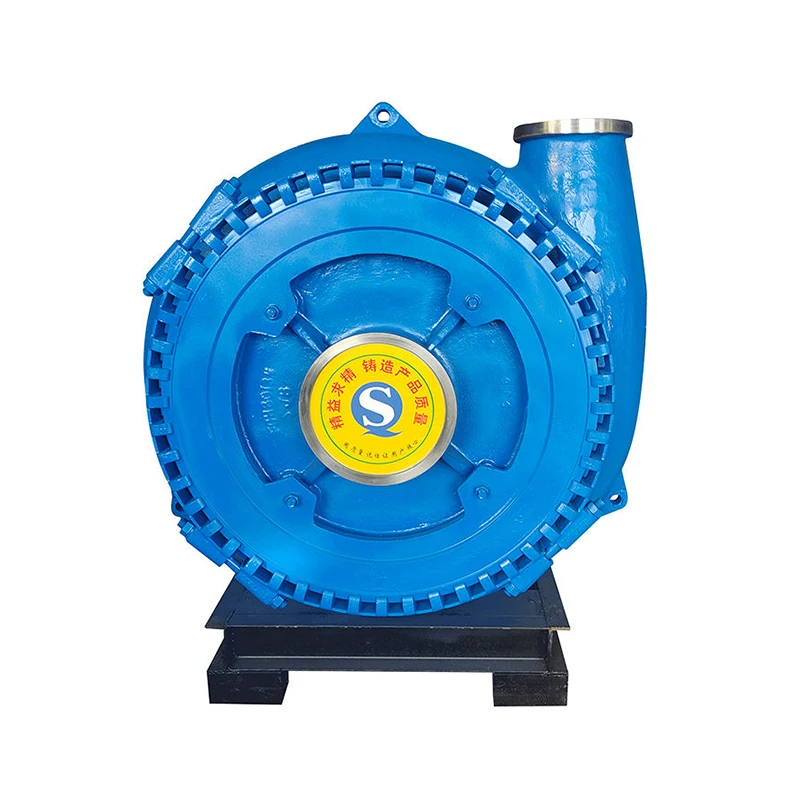
hot sale big capacity double suction pump Performance Analysis
Introduction
Double suction pumps represent a critical component in numerous industrial fluid transfer applications, particularly those demanding high flow rates and efficiency. The hot sale big capacity double suction pump is engineered to move significant volumes of liquid, typically water, but also extending to various other non-corrosive and mildly abrasive fluids. Positioned within the industrial chain between the power source (typically an electric motor) and the process requiring fluid delivery, these pumps are integral to operations in water supply, irrigation, power generation, and large-scale industrial processes. Core performance characteristics include high volumetric flow, relatively low head pressure (compared to centrifugal pumps), and efficient energy transfer, making them suitable for applications where moving large quantities of fluid is paramount. A primary advantage of the double suction design is its balanced hydraulic forces, reducing radial loading on the pump shaft and bearings, which translates to extended service life and reduced vibration. Addressing industry pain points related to reliability, efficiency and minimizing total cost of ownership are key objectives in the development of these pumps.
Material Science & Manufacturing
The construction of a hot sale big capacity double suction pump hinges on careful material selection and precise manufacturing techniques. Pump casings are predominantly constructed from cast iron (ASTM A126 Class 30 or equivalent), offering a balance of cost-effectiveness, machinability, and adequate strength for many applications. For more corrosive environments, materials such as stainless steel (304, 316, or duplex grades conforming to ASTM A743) or specialized alloys are employed. Impellers, the rotating components responsible for fluid acceleration, are commonly manufactured from cast iron, bronze (ASTM B584), or stainless steel. The choice depends on the fluid’s abrasiveness and chemical compatibility. Shafts are typically forged from medium carbon steel (ASTM A108) and undergo heat treatment to achieve optimal tensile strength and ductility. Seals are crucial for preventing leakage and are often comprised of materials like Viton, EPDM, or PTFE, selected based on fluid compatibility and temperature range.
Manufacturing processes begin with patternmaking for the casing and impeller. Sand casting is the dominant method for these components, requiring precise mold creation and careful control of pouring temperature and solidification rates to minimize defects. Impellers undergo balancing procedures to mitigate vibration during operation. Shafts are machined to tight tolerances, ensuring concentricity and smooth bearing surfaces. Welding processes (SMAW, GMAW, or SAW compliant with AWS D1.1) are utilized for certain components, such as the pump volute and supporting structures. Non-destructive testing (NDT) methods like ultrasonic testing (UT) and radiographic testing (RT) are essential for verifying weld integrity and detecting internal flaws. The assembly process demands precision alignment of the shaft, bearings, and impeller to minimize friction and maximize efficiency. Rigorous quality control inspections, including hydrostatic testing and performance testing, are conducted before shipment.
Performance & Engineering
The performance of a double suction pump is governed by fundamental hydraulic principles. Force analysis considers both static and dynamic loads acting on the pump components. Static loads include the weight of the pump and the fluid pressure. Dynamic loads arise from the impeller’s rotation and fluid inertia. These forces are critical in determining bearing life and shaft deflection. Environmental resistance is a significant concern, particularly regarding corrosion and erosion. Pump materials must be selected to withstand the specific chemical composition and temperature of the pumped fluid. Coatings, such as epoxy or polyurethane, can provide additional protection against corrosion. The pump’s net positive suction head required (NPSHr) is a crucial parameter, ensuring sufficient pressure at the impeller inlet to prevent cavitation. Cavitation, the formation and collapse of vapor bubbles, can cause significant damage to the impeller and reduce pump efficiency.
Compliance requirements vary depending on the application and geographical location. For potable water applications, pumps must meet standards like NSF/ANSI 61, ensuring that no harmful contaminants leach into the water. For pumps used in explosive atmospheres, compliance with ATEX or IECEx standards is mandatory. Hydraulic efficiency, typically ranging from 75% to 85% for well-designed pumps, is a key performance indicator. It reflects the proportion of input energy converted into useful hydraulic power. The pump’s characteristic curve, a graphical representation of head, flow, and efficiency, is used to select the optimal pump for a given application. Proper pump system design, including pipe sizing and valve selection, is essential for maximizing performance and minimizing energy consumption. The use of variable frequency drives (VFDs) allows for precise control of pump speed and flow, optimizing performance and reducing energy costs.
Technical Specifications
| Parameter | Unit | Typical Value (Range) | Testing Standard |
|---|---|---|---|
| Flow Rate | m³/h | 50 - 2000 | ISO 9906 |
| Head | m | 10 - 80 | ISO 9906 |
| Pump Speed | RPM | 1450 - 3600 | Manufacturer’s Data Sheet |
| Suction Pressure | MPa | -0.1 to 0.5 | Pump Curve |
| Discharge Pressure | MPa | 0.5 to 2.0 | Pump Curve |
| Fluid Temperature | °C | -20 to 120 | Material Compatibility Chart |
Failure Mode & Maintenance
Double suction pumps, while robust, are susceptible to various failure modes. Fatigue cracking in the pump casing or impeller can occur due to cyclical stress. This is often initiated at stress concentration points, such as around bolt holes or impeller blades. Delamination of coatings, particularly in corrosive environments, exposes the underlying metal to attack. Erosion of the impeller can result from the impact of abrasive particles in the fluid. Oxidation of metallic components can occur, especially at elevated temperatures. Bearing failure is a common issue, often stemming from inadequate lubrication, contamination, or excessive loading. Mechanical seal failure can lead to leakage and reduced pump efficiency, typically caused by wear, chemical incompatibility, or improper installation.
Preventative maintenance is crucial for extending pump life. Regular inspection of bearings for wear and lubrication levels is essential. Periodic monitoring of vibration levels can detect early signs of imbalance or misalignment. Visual inspection of the pump casing and impeller for corrosion, erosion, and cracks should be conducted routinely. Seal replacement should be performed on a scheduled basis, based on operating conditions and fluid compatibility. Proper alignment of the pump and motor is critical for reducing stress on the bearings and seals. Regular cleaning of the pump suction strainer prevents the ingress of debris. Fluid analysis can identify potential corrosion or erosion issues. In case of cavitation damage, the system’s NPSH should be reviewed and corrected. Bearing lubrication schedules should adhere to manufacturer’s recommendations.
Industry FAQ
Q: What is the impact of fluid viscosity on pump performance?
A: Increased fluid viscosity leads to reduced pump efficiency and flow rate. The higher resistance to flow requires greater power input to achieve the same head. Pump curves are typically based on water viscosity; corrections must be applied for fluids with significantly different viscosities.
Q: How do you select the appropriate impeller material for a specific application?
A: Impeller material selection depends on the fluid's chemical composition, abrasiveness, and temperature. Stainless steel is preferred for corrosive fluids, while hardened alloys are used for abrasive slurries. Consider the fluid’s pH and potential for galvanic corrosion.
Q: What are the common causes of pump cavitation and how can it be prevented?
A: Cavitation is caused by insufficient NPSH. Preventative measures include increasing the suction pressure, reducing the fluid temperature, decreasing the pump speed, and optimizing the suction piping layout. Proper strainer maintenance is also vital.
Q: How does the pump’s operating point affect its efficiency and lifespan?
A: Operating a pump far from its best efficiency point (BEP) reduces efficiency and increases wear. Selecting a pump with a characteristic curve that closely matches the system’s requirements is crucial. Utilizing variable frequency drives (VFDs) can help maintain operation near the BEP.
Q: What are the critical considerations for long-term pump storage?
A: Pumps should be stored in a dry, climate-controlled environment. Rotating components should be lubricated to prevent corrosion. Seals should be protected from dust and debris. Regular inspection and rotation of the shaft can prevent bearing seizure. Follow the manufacturer’s specific storage recommendations.
Conclusion
The hot sale big capacity double suction pump remains a cornerstone of industrial fluid handling, providing reliable and efficient operation across diverse applications. Understanding the intricacies of its material science, manufacturing processes, and performance characteristics is paramount for engineers and procurement managers alike. Optimizing pump selection, adhering to rigorous maintenance protocols, and considering the potential failure modes detailed herein are key to maximizing operational lifespan and minimizing total cost of ownership.
Looking ahead, advancements in pump technology will focus on enhancing efficiency, reducing energy consumption, and improving reliability. The integration of smart sensors and predictive maintenance algorithms will enable proactive monitoring and fault detection, further extending pump life and minimizing downtime. Furthermore, the development of new materials with enhanced corrosion resistance and abrasive wear properties will broaden the application range of these critical components.
-
Comprehensive Guide to Waterproof ORings for Optimal Sealing Solutions
News2026-06-09
-
drainage pumps Performance and Engineering
News2026-06-09
-
basement bathroom ejector pump Material Science
News2026-06-09
-
Sewer Ejector Pump Cost Performance Analysis
News2026-06-09
-
Septic Tank Pump Replacement Performance Analysis
News2026-06-09
-
septic sump pump Performance and Engineering
News2026-06-09
-
Septic Pump System Performance Analysis
News2026-06-08
-
pump for septic Material Science
News2026-06-08
-
basement sewer pump Performance Analysis
News2026-06-08
-
submerged pump Performance Engineering
News2026-06-08
-
Septic System Pumps Performance Analysis
News2026-06-08
-
septic system pump Material Science and Manufacturing
News2026-06-07
-
pump for septic tank Material Science Manufacturing
News2026-06-07
-
submersible sewage pump Material Science
News2026-06-07
-
Sewage Ejector Material Science and Manufacturing
News2026-06-07




