English
- Afrikaans
- Albanian
- Amharic
- Arabic
- Armenian
- Azerbaijani
- Basque
- Belarusian
- Bengali
- Bosnian
- Bulgarian
- Catalan
- Cebuano
- Corsican
- Croatian
- Czech
- Danish
- Dutch
- English
- Esperanto
- Estonian
- Finnish
- French
- Frisian
- Galician
- Georgian
- German
- Greek
- Gujarati
- Haitian Creole
- hausa
- hawaiian
- Hebrew
- Hindi
- Miao
- Hungarian
- Icelandic
- igbo
- Indonesian
- irish
- Italian
- Japanese
- Javanese
- Kannada
- kazakh
- Khmer
- Rwandese
- Korean
- Kurdish
- Kyrgyz
- Lao
- Latin
- Latvian
- Lithuanian
- Luxembourgish
- Macedonian
- Malgashi
- Malay
- Malayalam
- Maltese
- Maori
- Marathi
- Mongolian
- Myanmar
- Nepali
- Norwegian
- Norwegian
- Occitan
- Pashto
- Persian
- Polish
- Portuguese
- Punjabi
- Romanian
- Russian
- Samoan
- Scottish Gaelic
- Serbian
- Sesotho
- Shona
- Sindhi
- Sinhala
- Slovak
- Slovenian
- Somali
- Spanish
- Sundanese
- Swahili
- Swedish
- Tagalog
- Tajik
- Tamil
- Tatar
- Telugu
- Thai
- Turkish
- Turkmen
- Ukrainian
- Urdu
- Uighur
- Uzbek
- Vietnamese
- Welsh
- Bantu
- Yiddish
- Yoruba
- Zulu

Telephone: +86 13120555503
Email: frank@cypump.com


Apr . 01, 2024 17:55 Back to list
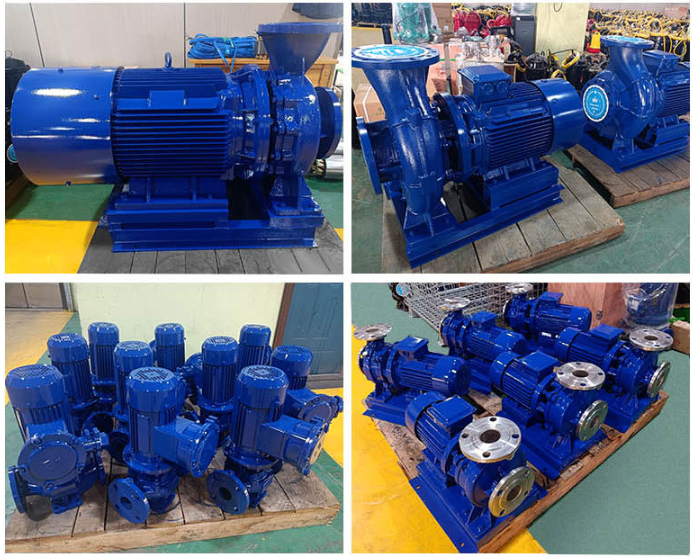
horizontal split case pump Performance Analysis
Introduction
Horizontal split case pumps are a class of centrifugal pumps widely utilized in industrial applications requiring high flow rates and moderate heads. Characterized by their volute casing split along the horizontal centerline, these pumps facilitate ease of inspection and maintenance without disturbing the piping system. Their position within the industry chain falls between the power source (typically an electric motor) and the process requiring fluid transfer, serving diverse sectors including water treatment, power generation, chemical processing, and HVAC systems. Core performance attributes center around achieving efficient hydraulic energy transfer, reliable operation under varied conditions, and adherence to stringent industry safety and environmental standards. A significant industry pain point is managing cavitation and impeller wear, often resulting in reduced efficiency and unscheduled downtime. Understanding the pump's operational limits, material compatibility with the pumped fluid, and proper installation procedures are critical for optimizing performance and lifespan.
Material Science & Manufacturing
The primary materials for horizontal split case pump construction are cast iron (ASTM A48 Class 30 or higher), ductile iron (ASTM A536 65-45-12), and various stainless steel alloys (304, 316, and duplex stainless steels) depending on the fluid handled and the operating environment. Cast iron provides good machinability and vibration damping, but is susceptible to corrosion. Ductile iron offers enhanced strength and impact resistance. Stainless steels are crucial for corrosive or high-purity applications, offering superior resistance to chemical attack. Impellers are typically manufactured using centrifugal casting or investment casting techniques, ensuring precise geometry and smooth surface finish to maximize hydraulic efficiency. Casing components are produced via sand casting followed by extensive quality control procedures. Key manufacturing parameter controls include melt composition verification (spectrometric analysis), dimensional accuracy checks (coordinate measuring machines - CMM), and non-destructive testing (NDT) such as radiographic inspection and ultrasonic testing to detect internal flaws. Shaft materials are often alloy steels, heat-treated for high tensile strength and fatigue resistance. Mechanical seals utilize materials like silicon carbide, tungsten carbide, and fluoropolymers (e.g., PTFE) selected for their chemical resistance and wear characteristics. Welding processes, when employed, follow procedures compliant with ASME Section IX, ensuring weld integrity and quality. The selection of elastomers for O-rings and gaskets is critical; materials like Viton, EPDM, and Kalrez are common choices based on fluid compatibility and temperature ranges.
Performance & Engineering
The performance of a horizontal split case pump is governed by fundamental principles of fluid mechanics. The pump’s head, flow rate, and efficiency are intrinsically linked via the pump affinity laws. Force analysis considers hydraulic forces acting on the impeller and shaft, radial loads from the casing, and axial thrust balanced by bearings. Environmental resistance is paramount; pumps operating in corrosive atmospheres necessitate protective coatings (epoxy, polyurethane) and material selection as previously described. Compliance requirements include adherence to Hydraulic Institute (HI) standards for pump testing and performance rating (HI 1.6, HI 1.5), and potentially API 610 for more demanding applications in the petroleum and petrochemical industries. Functional implementation involves careful consideration of Net Positive Suction Head Required (NPSHr) to prevent cavitation. Cavitation occurs when the absolute pressure at the impeller inlet falls below the vapor pressure of the fluid, forming vapor bubbles that collapse violently, causing noise, vibration, and impeller erosion. Pump curves are generated through standardized testing procedures (ANSI/HI standards) to illustrate the pump’s performance characteristics across a range of flow rates and heads. Bearing selection is crucial, with deep groove ball bearings, angular contact ball bearings, or roller bearings chosen based on load capacity and speed requirements. Proper alignment between the pump and motor is vital to minimize vibration and prolong bearing life, often verified using laser alignment tools.
Technical Specifications
| Parameter | Unit | Typical Value (Small Pump) | Typical Value (Large Pump) |
|---|---|---|---|
| Flow Rate | m³/h | 50-200 | 500-2000 |
| Head | m | 20-50 | 80-150 |
| Power | kW | 1.5-7.5 | 30-150 |
| Suction Pressure | bar | -0.05 to 0.5 | -0.1 to 1.0 |
| Discharge Pressure | bar | 1.0 to 5.0 | 6.0 to 15.0 |
| Operating Temperature | °C | -10 to 80 | -20 to 120 |
Failure Mode & Maintenance
Common failure modes in horizontal split case pumps include impeller erosion (due to abrasive particles or cavitation), bearing failure (resulting from inadequate lubrication, misalignment, or excessive load), mechanical seal leakage (caused by wear, chemical incompatibility, or improper installation), and casing cracking (often attributed to stress corrosion cracking or thermal fatigue). Fatigue cracking can initiate at stress concentration points, such as near impeller blades or casing welds. Delamination of protective coatings can accelerate corrosion. Degradation of elastomers (O-rings, gaskets) leads to leakage. Oxidation of lubricant oil in bearings results in increased friction and wear. Regular maintenance is crucial for preventing these failures. This includes routine visual inspections for leaks or unusual noises, vibration analysis to detect bearing issues, oil analysis to monitor lubricant condition, and periodic impeller cleaning to remove deposits. Mechanical seals should be replaced proactively based on operating hours or when leakage is observed. Bearing lubrication schedules must be strictly adhered to. Casing inspections should include ultrasonic thickness testing to monitor wall thinning due to corrosion. For critical applications, preventative maintenance programs incorporating predictive maintenance techniques (vibration analysis, thermography) can significantly reduce downtime and extend pump life. When performing repairs, it is imperative to use OEM-approved spare parts and follow the manufacturer’s recommended procedures.
Industry FAQ
Q: What are the primary causes of cavitation in horizontal split case pumps and how can they be mitigated?
A: Cavitation arises from insufficient Net Positive Suction Head Available (NPSHa) relative to the pump’s NPSHr. Causes include high suction lift, restricted suction piping, high fluid temperature, or excessive flow rate. Mitigation strategies involve lowering the fluid temperature, reducing suction lift, increasing suction pipe diameter, minimizing piping losses, and operating the pump within its recommended flow range.
Q: How does fluid viscosity affect the performance curve of a horizontal split case pump?
A: Increasing fluid viscosity generally decreases the pump’s head and efficiency, while increasing power consumption. The pump curve shifts downwards and to the left. Pumps are typically rated for water-like fluids; significant deviations in viscosity require derating the pump and potentially selecting a different pump type.
Q: What material selection considerations are crucial when pumping corrosive fluids?
A: Material selection must prioritize chemical compatibility. Stainless steel alloys (316, duplex) are often necessary for strong acids or bases. Polymer linings (e.g., PTFE, PFA) can provide additional protection. Gasket and seal materials must also be resistant to the specific fluid being pumped. Consulting a chemical compatibility chart is essential.
Q: What are the best practices for aligning a horizontal split case pump and its driver (motor)?
A: Precise alignment is critical. Laser alignment tools are recommended to ensure concentricity and parallelism between the pump and motor shafts. Misalignment leads to excessive bearing wear, vibration, and reduced pump life. Regularly check alignment after initial installation and during maintenance.
Q: How do I interpret a pump performance curve and select the appropriate pump size for my application?
A: The pump curve illustrates the relationship between flow rate, head, efficiency, and power. Determine the required flow rate and total dynamic head (TDH) for your system. Select a pump whose curve intersects your operating point within the pump’s recommended efficiency range. Consider system curve analysis to predict pump operation under varying conditions.
Conclusion
Horizontal split case pumps represent a robust and reliable solution for a wide range of industrial fluid transfer applications. Their inherent design features – particularly the split casing – provide significant advantages regarding maintainability and inspection. The proper selection of materials, adherence to stringent manufacturing controls, and implementation of preventative maintenance programs are paramount for ensuring optimal performance, extending operational lifespan, and minimizing total cost of ownership.
Future trends in horizontal split case pump technology are likely to focus on enhanced hydraulic efficiency through advanced impeller designs, integration of smart sensors for condition monitoring and predictive maintenance, and development of materials with superior corrosion resistance and wear characteristics. Continued refinement of manufacturing processes, coupled with adherence to evolving industry standards, will further solidify the position of these pumps as critical components in diverse industrial processes.
-
Effluent vs Sump Pump Performance Analysis
News2026-05-22
-
effluent septic pump Performance Engineering
News2026-05-22
-
best sewer pumps Performance Engineering
News2026-05-22
-
best sewer pump Performance Analysis
News2026-05-22
-
best sewage pumps Performance Engineering
News2026-05-22
-
basement bathroom sewage pump Material Science Manufacturing
News2026-05-21
-
wastewater treatment plant pumps Material Science Manufacturing
News2026-05-21
-
waste water pump for basement Material Science Manufacturing
News2026-05-21
-
sump pump sewage Performance Analysis
News2026-05-21
-
sump pump for sewage Material Science and Manufacturing
News2026-05-21
-
sump pump for septic systems Material Science Manufacturing
News2026-05-20
-
sump pump and ejector pump Material Science Manufacturing
News2026-05-20
-
sewage treatment plant pumps Performance Analysis
News2026-05-20
-
sewage tank pump Material Science and Manufacturing
News2026-05-20
-
sewage pump for septic tank Performance Analysis
News2026-05-20




