English
- Afrikaans
- Albanian
- Amharic
- Arabic
- Armenian
- Azerbaijani
- Basque
- Belarusian
- Bengali
- Bosnian
- Bulgarian
- Catalan
- Cebuano
- Corsican
- Croatian
- Czech
- Danish
- Dutch
- English
- Esperanto
- Estonian
- Finnish
- French
- Frisian
- Galician
- Georgian
- German
- Greek
- Gujarati
- Haitian Creole
- hausa
- hawaiian
- Hebrew
- Hindi
- Miao
- Hungarian
- Icelandic
- igbo
- Indonesian
- irish
- Italian
- Japanese
- Javanese
- Kannada
- kazakh
- Khmer
- Rwandese
- Korean
- Kurdish
- Kyrgyz
- Lao
- Latin
- Latvian
- Lithuanian
- Luxembourgish
- Macedonian
- Malgashi
- Malay
- Malayalam
- Maltese
- Maori
- Marathi
- Mongolian
- Myanmar
- Nepali
- Norwegian
- Norwegian
- Occitan
- Pashto
- Persian
- Polish
- Portuguese
- Punjabi
- Romanian
- Russian
- Samoan
- Scottish Gaelic
- Serbian
- Sesotho
- Shona
- Sindhi
- Sinhala
- Slovak
- Slovenian
- Somali
- Spanish
- Sundanese
- Swahili
- Swedish
- Tagalog
- Tajik
- Tamil
- Tatar
- Telugu
- Thai
- Turkish
- Turkmen
- Ukrainian
- Urdu
- Uighur
- Uzbek
- Vietnamese
- Welsh
- Bantu
- Yiddish
- Yoruba
- Zulu

Telephone: +86 13120555503
Email: frank@cypump.com


Apr . 01, 2024 17:55 Back to list
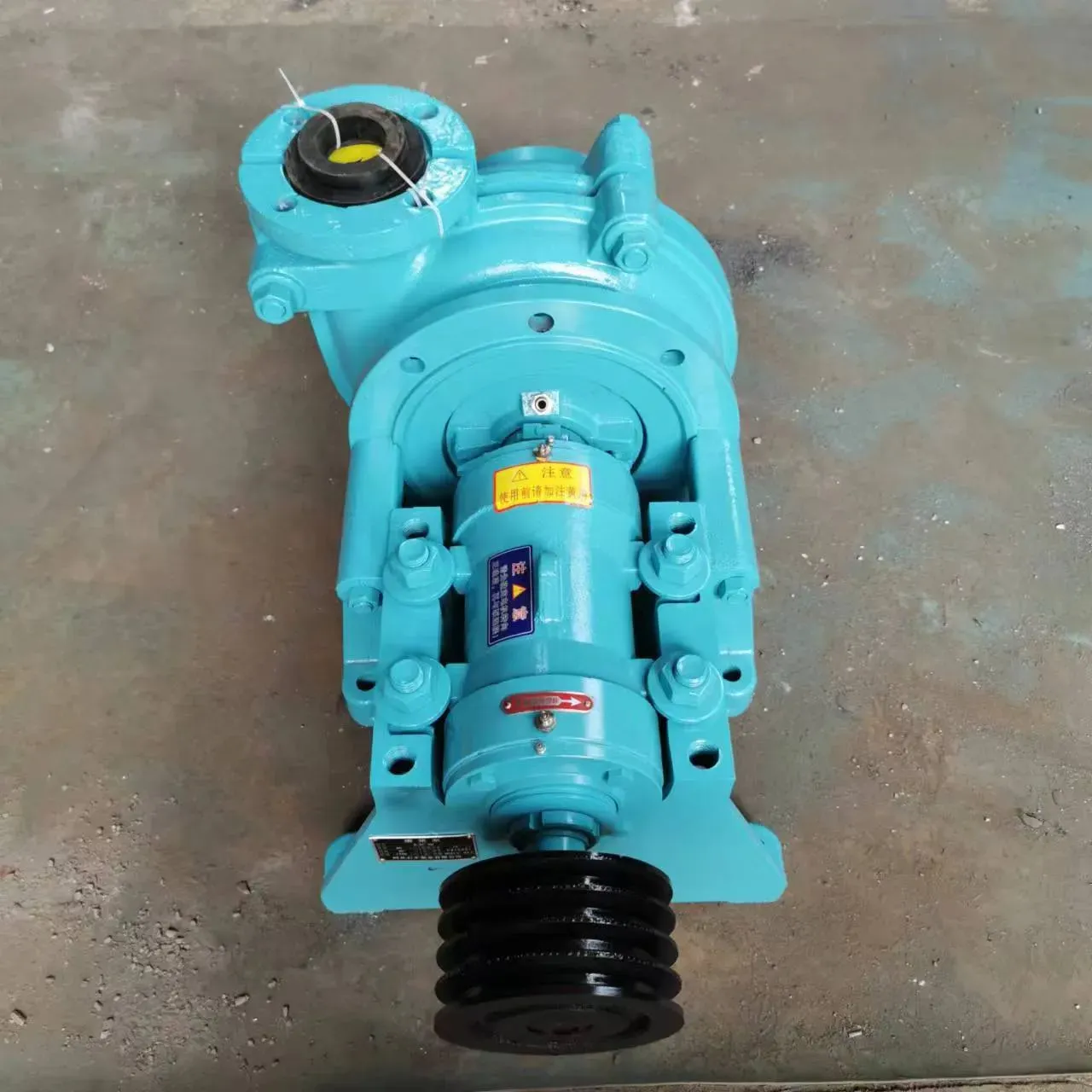
horizontal split case double suction centrifugal pump Performance Analysis
Introduction
The horizontal split case double suction centrifugal pump is a dynamic machine designed to impart kinetic energy to fluids, increasing their pressure and enabling transport. Positioned within the industry chain as a crucial component of fluid handling systems, it serves diverse applications including water supply, irrigation, power plant cooling, and industrial process fluid transfer. Unlike vertical turbine or submersible pumps, the split case design allows for internal component access without disturbing the piping, simplifying maintenance. The double suction impeller configuration balances radial thrust, leading to reduced bearing loads and improved reliability compared to single-suction designs. Core performance characteristics center around achieving high flow rates at moderate heads, with efficiency governed by impeller geometry, surface finish, and internal clearances. A key industry pain point is balancing pump efficiency with minimizing Total Cost of Ownership (TCO), including energy consumption, maintenance frequency, and potential downtime. Effective selection hinges on accurately matching pump performance curves to system requirements, considering fluid properties, and anticipating potential operational challenges like cavitation or solids handling.
Material Science & Manufacturing
The construction of a horizontal split case double suction centrifugal pump necessitates careful material selection based on fluid compatibility and operational stresses. Common materials include cast iron (ASTM A48 Class 30 for casings, offering good machinability and corrosion resistance in non-aggressive fluids), ductile iron (ASTM A536 65-45-12 for improved strength and ductility), and stainless steel (304/316 for corrosive environments). Impellers are frequently constructed from bronze (C83600) or stainless steel, selected for their resistance to erosion and cavitation. Shafts typically employ alloy steel (4140, heat-treated) to withstand torsional and bending stresses. Manufacturing processes begin with pattern making for the casing, followed by sand casting. Critical dimensions on the casing are machined to ensure proper alignment and sealing surfaces. Impellers are produced via investment casting or centrifugal casting to achieve precise geometry and minimize surface imperfections. Shaft manufacturing involves forging, turning, and polishing. Key parameter control during manufacturing includes maintaining tight tolerances on impeller blade angles, casing volute dimensions, and shaft runout. Proper heat treatment of steel components is essential to achieve desired hardness and ductility. The coupling between the pump and driver (typically an electric motor) requires precise alignment, often verified using laser alignment tools, to prevent premature bearing failure and vibration.
Performance & Engineering
Performance analysis of horizontal split case double suction centrifugal pumps revolves around the principles of fluid dynamics and mechanical engineering. Force analysis considers hydraulic forces exerted by the fluid on the impeller and casing, as well as radial and axial thrusts generated by the impeller’s pressure distribution. Double suction designs are engineered to minimize net axial thrust, improving bearing life. The pump’s head-capacity curve, efficiency curve, and power curve are critical performance parameters determined through hydraulic testing according to standards like ANSI/HI 1.6. Environmental resistance is addressed through material selection and sealing system design. Pumps operating in corrosive environments utilize materials like stainless steel and specialized elastomers for seals. Compliance requirements vary by region and application, encompassing standards for energy efficiency (e.g., DOE pump efficiency standards in the US), safety (e.g., ATEX certification for hazardous locations), and environmental protection. Functional implementation necessitates proper piping design to minimize head losses and avoid cavitation. Net Positive Suction Head Required (NPSHr) is a critical parameter, requiring careful calculation and verification to prevent impeller damage. Vibration analysis is crucial for monitoring pump health and detecting potential issues like misalignment or bearing wear. Pump selection considers specific gravity of the fluid, viscosity, temperature, and presence of solids.
Technical Specifications
| Parameter | Unit | Typical Range | Tolerance |
|---|---|---|---|
| Flow Rate | m³/h | 50-3000 | ±5% |
| Head | m | 10-150 | ±5% |
| Pump Speed | rpm | 1450-3600 | ±2% |
| Suction Pressure | MPa | -0.1 to 0.5 | ±0.02 |
| Discharge Pressure | MPa | 0.5 to 2.0 | ±0.02 |
| Fluid Temperature | °C | -20 to 120 | ±2 |
Failure Mode & Maintenance
Horizontal split case double suction centrifugal pumps are susceptible to several failure modes. Cavitation, caused by insufficient NPSH, leads to impeller erosion and reduced performance. Fatigue cracking can occur in the casing or impeller due to cyclic stresses. Shaft deflection, often a result of misalignment, causes bearing wear and vibration. Seal failure results in leakage and potential contamination. Bearing failure manifests as increased noise, vibration, and overheating. Corrosion and erosion degrade internal components, reducing efficiency and lifespan. Delamination of impeller coatings or casing linings can lead to performance decline. Maintenance strategies include regular vibration analysis, oil analysis of bearings, seal inspections, and impeller balancing. Preventative maintenance schedules should incorporate periodic disassembly for inspection and replacement of worn components. Proper lubrication is critical for bearing life. Alignment checks should be performed after any maintenance activity. Cavitation can be mitigated by adjusting operating conditions or increasing NPSH. Corrosion can be addressed through material selection and protective coatings. Root Cause Failure Analysis (RCFA) is recommended for recurring failures to identify underlying issues and implement corrective actions. Regular monitoring of pump performance parameters (flow, head, pressure, power) helps detect deviations from baseline and predict potential failures.
Industry FAQ
Q: What is the impact of fluid viscosity on pump performance?
A: Increased fluid viscosity results in a reduction in pump capacity and efficiency. Higher viscosity fluids require more power to pump and can lead to increased internal friction losses. Pump curves are typically based on water; corrections are needed for viscous fluids, often utilizing viscosity correction factors. A pump selected for water may be undersized for a viscous fluid application.
Q: How do I determine the appropriate NPSHr for my application?
A: NPSHr is a pump-specific parameter provided by the manufacturer. It represents the minimum pressure required at the pump suction to prevent cavitation. You must calculate the Net Positive Suction Head Available (NPSHa) in your system, considering suction lift, fluid vapor pressure, and frictional losses. NPSHa must always exceed NPSHr by a sufficient margin (typically 0.5-1.0 meter) to ensure stable operation.
Q: What are the benefits of using a variable frequency drive (VFD) with this pump?
A: A VFD allows for precise control of pump speed, enabling optimization of flow rate and energy consumption. It can reduce energy costs by matching pump output to actual demand, minimizing throttling losses. VFDs also provide soft starting and stopping, reducing stress on the pump and motor. However, harmonic distortion introduced by VFDs requires mitigation strategies.
Q: What are the common causes of bearing failure in these pumps?
A: Common causes include misalignment, improper lubrication, contamination, excessive loads (radial or axial), and vibration. Regular oil analysis can detect early signs of bearing wear. Proper shaft alignment during installation and after maintenance is crucial. Selecting the correct bearing type for the application and operating conditions is also vital.
Q: How does impeller trim affect pump performance?
A: Impeller trim reduces the pump’s head and flow rate. It's a cost-effective method for fine-tuning pump performance to match system requirements. However, trimming the impeller significantly alters its hydraulic profile and can reduce efficiency. Manufacturers provide performance curves for various trim levels. Excessive trimming can lead to cavitation and increased vibration.
Conclusion
The horizontal split case double suction centrifugal pump remains a foundational technology for fluid transfer across diverse industrial sectors. Successful implementation necessitates a thorough understanding of material science, hydraulic principles, and operational parameters. Precise manufacturing, diligent maintenance, and adherence to industry standards are critical for maximizing pump lifespan, minimizing downtime, and optimizing overall system efficiency.
Future trends point towards advancements in pump design incorporating computational fluid dynamics (CFD) for improved hydraulic performance, smart sensors for predictive maintenance, and the integration of IoT technologies for remote monitoring and control. Continued innovation in materials and sealing technologies will further enhance reliability and reduce environmental impact, solidifying the pump’s position as a vital component of modern industrial infrastructure.
-
Comprehensive Guide to Waterproof ORings for Optimal Sealing Solutions
News2026-06-09
-
Septic Pump System Performance Analysis
News2026-06-08
-
pump for septic Material Science
News2026-06-08
-
basement sewer pump Performance Analysis
News2026-06-08
-
submerged pump Performance Engineering
News2026-06-08
-
Septic System Pumps Performance Analysis
News2026-06-08
-
septic system pump Material Science and Manufacturing
News2026-06-07
-
pump for septic tank Material Science Manufacturing
News2026-06-07
-
submersible sewage pump Material Science
News2026-06-07
-
Sewage Ejector Material Science and Manufacturing
News2026-06-07
-
Ejection Pump Material Science
News2026-06-07
-
pump submersible Performance Analysis
News2026-06-06
-
ejector pumps Performance Engineering
News2026-06-06
-
basement ejector pump Material Science Manufacturing
News2026-06-06
-
Septic Tanks Pumping Performance Analysis
News2026-06-06




