English
- Afrikaans
- Albanian
- Amharic
- Arabic
- Armenian
- Azerbaijani
- Basque
- Belarusian
- Bengali
- Bosnian
- Bulgarian
- Catalan
- Cebuano
- Corsican
- Croatian
- Czech
- Danish
- Dutch
- English
- Esperanto
- Estonian
- Finnish
- French
- Frisian
- Galician
- Georgian
- German
- Greek
- Gujarati
- Haitian Creole
- hausa
- hawaiian
- Hebrew
- Hindi
- Miao
- Hungarian
- Icelandic
- igbo
- Indonesian
- irish
- Italian
- Japanese
- Javanese
- Kannada
- kazakh
- Khmer
- Rwandese
- Korean
- Kurdish
- Kyrgyz
- Lao
- Latin
- Latvian
- Lithuanian
- Luxembourgish
- Macedonian
- Malgashi
- Malay
- Malayalam
- Maltese
- Maori
- Marathi
- Mongolian
- Myanmar
- Nepali
- Norwegian
- Norwegian
- Occitan
- Pashto
- Persian
- Polish
- Portuguese
- Punjabi
- Romanian
- Russian
- Samoan
- Scottish Gaelic
- Serbian
- Sesotho
- Shona
- Sindhi
- Sinhala
- Slovak
- Slovenian
- Somali
- Spanish
- Sundanese
- Swahili
- Swedish
- Tagalog
- Tajik
- Tamil
- Tatar
- Telugu
- Thai
- Turkish
- Turkmen
- Ukrainian
- Urdu
- Uighur
- Uzbek
- Vietnamese
- Welsh
- Bantu
- Yiddish
- Yoruba
- Zulu

Telephone: +86 13120555503
Email: frank@cypump.com


Apr . 01, 2024 17:55 Back to list
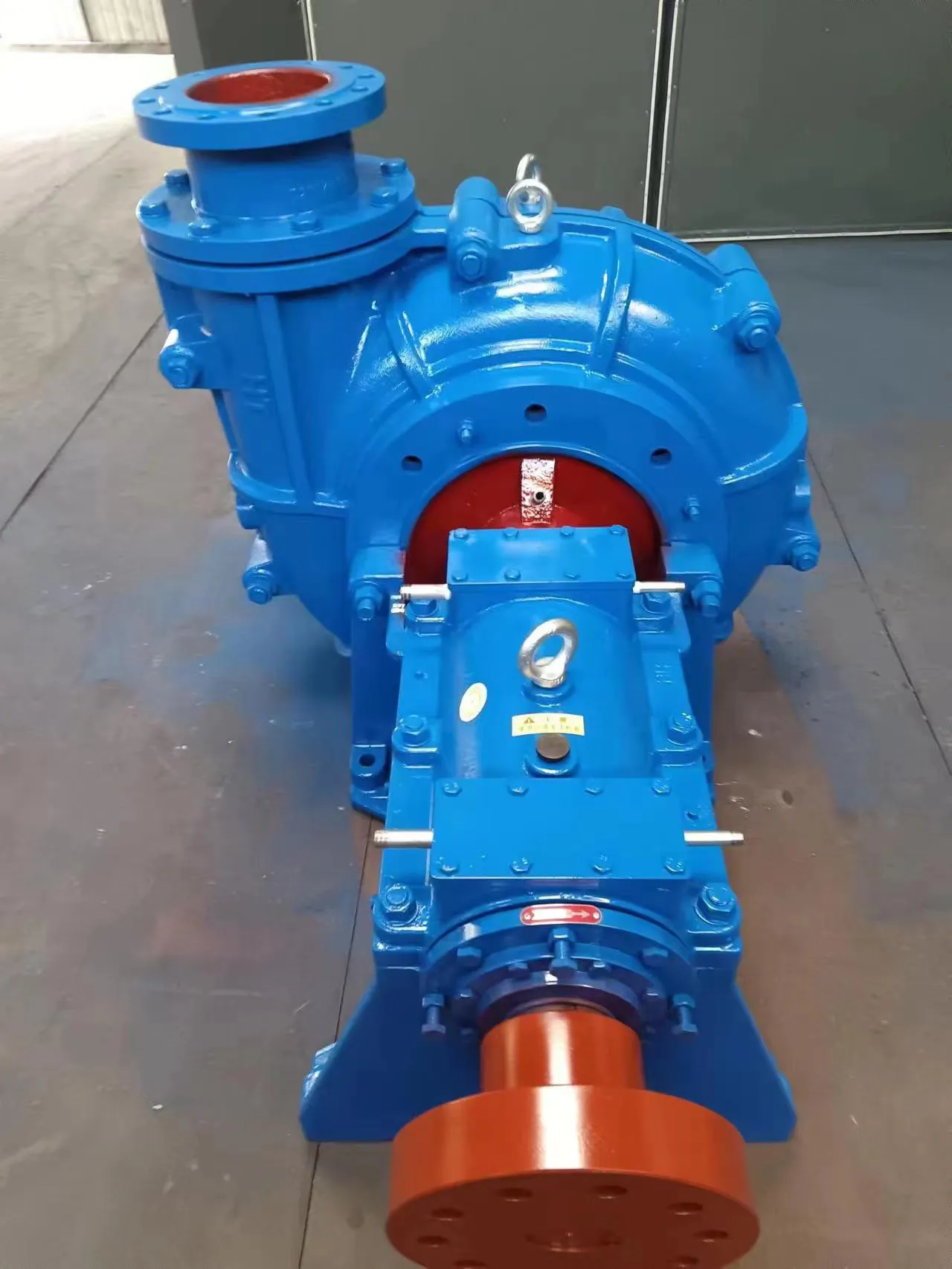
Horizontal Slurry Pumps supplier of oem horizontal pumps for slurries with high quality Performance
Introduction
Horizontal slurry pumps, specifically OEM-supplied units, represent a critical component in numerous industrial processes, including mining, wastewater treatment, chemical processing, and dredging. These pumps are engineered to handle abrasive and erosive fluids – slurries – consisting of solid particles suspended in liquid. Their technical position within the industrial chain is as a core enabling technology; process efficiency and operational longevity are fundamentally dependent on pump performance and reliability. The core performance characteristics defining suitability in these applications are flow rate (m³/hr), head (meters), solids handling capability (particle size and concentration), and abrasion resistance. OEM supply distinguishes these pumps through customization options and integration with larger system designs, often specifying materials and configurations unavailable in standard catalog offerings. A primary industry pain point is premature failure due to material degradation and improper pump selection for specific slurry characteristics, leading to costly downtime and maintenance.
Material Science & Manufacturing
The construction of high-quality horizontal slurry pumps necessitates careful material selection and precise manufacturing processes. Casing materials commonly include high-chrome cast iron (typically 26-30% chromium) for excellent abrasion resistance, although duplex stainless steels (e.g., 2205, 2507) are employed for increased corrosion resistance, particularly in acidic or saline environments. Impellers are frequently constructed from similar materials, with rubber linings or polyurethane coatings sometimes applied to further enhance erosion resistance, particularly in applications with high particle velocities. Shafts are typically forged from alloy steels (e.g., 4140, 4340) and hardened for torsional strength and wear resistance. Seals employ a variety of materials – mechanical seals with tungsten carbide or silicon carbide faces are common, with elastomers like Viton or EPDM used for compatibility with specific slurries. Manufacturing processes include sand casting for casings and impellers, forging for shafts, and precision machining for critical components. Welding procedures (SMAW, GMAW, FCAW) must adhere to strict quality control standards (AWS D1.1) to ensure structural integrity. Critical parameter control during manufacturing includes dimensional accuracy, hardness testing, non-destructive testing (NDT) such as radiography and ultrasonic testing, and hydrostatic pressure testing to verify casing integrity.

Performance & Engineering
The performance of horizontal slurry pumps is governed by fundamental fluid dynamics principles and requires meticulous engineering analysis. Force analysis must account for hydrostatic pressure, dynamic pressure from slurry flow, and mechanical stresses induced by impeller rotation. The pump's hydraulic performance curve – depicting head vs. flow rate – is crucial for proper system design and selection. Environmental resistance is paramount; pumps operating outdoors require robust sealing and corrosion protection. Compliance requirements vary by region, but typically include adherence to ISO 5199 (Slurry pumps – Guidelines for the selection of pumps for abrasive slurries) and relevant safety standards like IEC 60034 (Rotating electrical machines). Impeller design, particularly the vane geometry and number, significantly influences pump efficiency and solids handling capability. Pump staging – employing multiple impellers in series – is often used to achieve higher heads. Net Positive Suction Head Required (NPSHr) is a critical parameter to prevent cavitation, a phenomenon that leads to impeller damage and reduced pump performance. Proper pipework design, minimizing bends and ensuring sufficient suction head, is essential. Variable Frequency Drives (VFDs) are increasingly used to optimize pump performance and reduce energy consumption by adjusting pump speed to match flow requirements.
Technical Specifications
| Parameter | Unit | Typical Range (OEM Supplied) | Notes |
|---|---|---|---|
| Flow Rate | m³/hr | 10 - 1000 | Dependent on impeller diameter and speed. |
| Head | m | 5 - 80 | Influenced by impeller design and pump staging. |
| Solids Handling Size | mm | Up to 100 | Determined by impeller passage width. |
| Slurry Concentration (Wt%) | % | Up to 70 | Higher concentrations require robust impeller and casing designs. |
| Casing Material | - | High-Chrome Iron, Duplex Stainless Steel | Selection based on slurry composition and corrosivity. |
| Impeller Material | - | High-Chrome Iron, Rubber Lined, Polyurethane Coated | Optimized for abrasion and erosion resistance. |
Failure Mode & Maintenance
Horizontal slurry pumps are susceptible to various failure modes. Fatigue cracking in the casing or impeller, induced by cyclic stresses from slurry flow and pressure fluctuations, is common. Erosion, particularly at the impeller vanes and casing volute, is a primary concern when handling abrasive slurries. Corrosion, caused by chemical attack from the slurry, can lead to material degradation and structural weakening. Mechanical seal failure, resulting in leakage, often stems from abrasive particles damaging the seal faces or incompatibility between the seal materials and the slurry composition. Cavitation, as previously mentioned, causes pitting and erosion of the impeller. Delamination of rubber or polyurethane linings can occur due to adhesion failure. Preventive maintenance is crucial. Regular inspections for wear and corrosion, lubrication of bearings, and replacement of worn components are essential. Vibration analysis can detect bearing failures or impeller imbalance. Proper slurry analysis – determining particle size distribution, solids concentration, and chemical composition – is vital for selecting the appropriate pump materials and operating parameters. Monitoring pump performance parameters (flow rate, head, power consumption) can identify performance degradation and potential issues. Implementing a comprehensive maintenance schedule, based on operating hours and slurry characteristics, is paramount for maximizing pump lifespan and minimizing downtime.
Industry FAQ
Q: What is the impact of varying slurry solid particle size distribution on pump selection and expected lifespan?
A: A wider particle size distribution, with a significant proportion of larger particles, will dramatically increase the rate of abrasive wear. This necessitates selecting pumps with larger impeller passages and more abrasion-resistant materials, like high-chrome iron or ceramic linings. Expected lifespan will be significantly reduced compared to handling a narrow particle size distribution. Accurate particle size analysis is critical for appropriate pump selection.
Q: How do different slurry viscosities affect pump performance and efficiency?
A: Higher slurry viscosities increase frictional losses within the pump, resulting in reduced flow rate and head, and lower overall efficiency. Pumps handling viscous slurries may require larger motor horsepower and modified impeller designs to maintain adequate performance. The pump's NPSHr will also increase with viscosity, requiring adjustments to the suction system.
Q: What are the key considerations when selecting a mechanical seal for a specific slurry application?
A: Compatibility between the seal face materials (e.g., tungsten carbide, silicon carbide) and the slurry's chemical composition is paramount. Abrasive particles can damage seal faces, so barrier fluids or double mechanical seals may be required for highly abrasive slurries. The slurry's temperature and pressure also influence seal selection. Proper seal flushing is essential to remove abrasive particles and maintain lubrication.
Q: How does the pump speed influence abrasion rates and energy consumption?
A: Higher pump speeds generally lead to increased abrasion rates due to higher particle impact velocities. However, reducing pump speed can also lead to increased turbulence and potentially exacerbate erosion. Optimizing pump speed to balance abrasion resistance and energy consumption requires careful analysis of the slurry characteristics and pump performance curve. VFDs allow for precise speed control.
Q: What are the common causes of cavitation in slurry pumps, and how can it be prevented?
A: Cavitation occurs when the absolute pressure at the pump suction drops below the vapor pressure of the slurry, forming vapor bubbles that collapse violently, damaging the impeller. Common causes include insufficient suction head, high slurry temperature, high pump speed, and restrictions in the suction pipework. Prevention involves ensuring adequate NPSHa (Net Positive Suction Head Available), minimizing suction side pressure losses, and proper pump selection.
Conclusion
The selection, operation, and maintenance of OEM horizontal slurry pumps represent a complex engineering challenge. Successful implementation hinges on a thorough understanding of slurry characteristics, meticulous material selection, precise manufacturing processes, and adherence to relevant industry standards. Addressing the core pain point of premature failure requires a proactive approach to maintenance and a commitment to ongoing performance monitoring.
Continued advancements in materials science, hydraulic modeling, and pump control technologies will further enhance the performance and reliability of these critical industrial components. Focusing on optimizing pump design for specific slurry applications, incorporating predictive maintenance strategies, and utilizing advanced monitoring systems will be key to minimizing downtime and maximizing operational efficiency in the future.
-
Precision at the Pump: How Better Machining Protects Flow and Uptime
News2026-11-20
-
Why Pump Reliability Begins Before the First Drop of Fluid
News2026-11-20
-
Beyond the Pump: Designing Safer Access Around Critical Water Infrastructure
News2026-11-20
-
Why Pumping Stations Depend on the Infrastructure Beneath the Pumps
News2026-11-20
-
Beyond the Pump Room: How Smarter Loading Protects Industrial Equipment
News2026-11-19
-
When Pumps Stop: Designing More Resilient Power for Critical Pumping Systems
News2026-11-19
-
The Hidden Role of Dust and Gas Monitoring in Reliable Pump Operations
News2026-11-19
-
The Hidden Role of Mineral Compounds in Extending Industrial Pump Lifespan
News2026-10-12
-
Why Pump System Reliability Depends on Precision Hose Assembly Methods
News2026-09-15
-
How Advanced Imaging Films Are Transforming Pump Component Quality Control
News2026-08-25
-
How Advanced Filtration Protects Pump Systems from Premature Wear and Costly Downtime
News2026-08-25
-
How Steel Material Selection Drives Pump Reliability in Heavy-Duty Systems
News2026-08-25
-
Ensuring Pump System Efficiency: The Role of High-Quality Pipe Fittings and Tubing
News2026-08-24
-
Optimizing Fluid Dynamics and Material Consistency in Industrial Processing
News2026-08-18
-
Innovations and Challenges in Hydraulic Systems for Heavy Machinery
News2026-08-13




