English
- Afrikaans
- Albanian
- Amharic
- Arabic
- Armenian
- Azerbaijani
- Basque
- Belarusian
- Bengali
- Bosnian
- Bulgarian
- Catalan
- Cebuano
- Corsican
- Croatian
- Czech
- Danish
- Dutch
- English
- Esperanto
- Estonian
- Finnish
- French
- Frisian
- Galician
- Georgian
- German
- Greek
- Gujarati
- Haitian Creole
- hausa
- hawaiian
- Hebrew
- Hindi
- Miao
- Hungarian
- Icelandic
- igbo
- Indonesian
- irish
- Italian
- Japanese
- Javanese
- Kannada
- kazakh
- Khmer
- Rwandese
- Korean
- Kurdish
- Kyrgyz
- Lao
- Latin
- Latvian
- Lithuanian
- Luxembourgish
- Macedonian
- Malgashi
- Malay
- Malayalam
- Maltese
- Maori
- Marathi
- Mongolian
- Myanmar
- Nepali
- Norwegian
- Norwegian
- Occitan
- Pashto
- Persian
- Polish
- Portuguese
- Punjabi
- Romanian
- Russian
- Samoan
- Scottish Gaelic
- Serbian
- Sesotho
- Shona
- Sindhi
- Sinhala
- Slovak
- Slovenian
- Somali
- Spanish
- Sundanese
- Swahili
- Swedish
- Tagalog
- Tajik
- Tamil
- Tatar
- Telugu
- Thai
- Turkish
- Turkmen
- Ukrainian
- Urdu
- Uighur
- Uzbek
- Vietnamese
- Welsh
- Bantu
- Yiddish
- Yoruba
- Zulu

Telephone: +86 13120555503
Email: frank@cypump.com


Apr . 01, 2024 17:55 Back to list
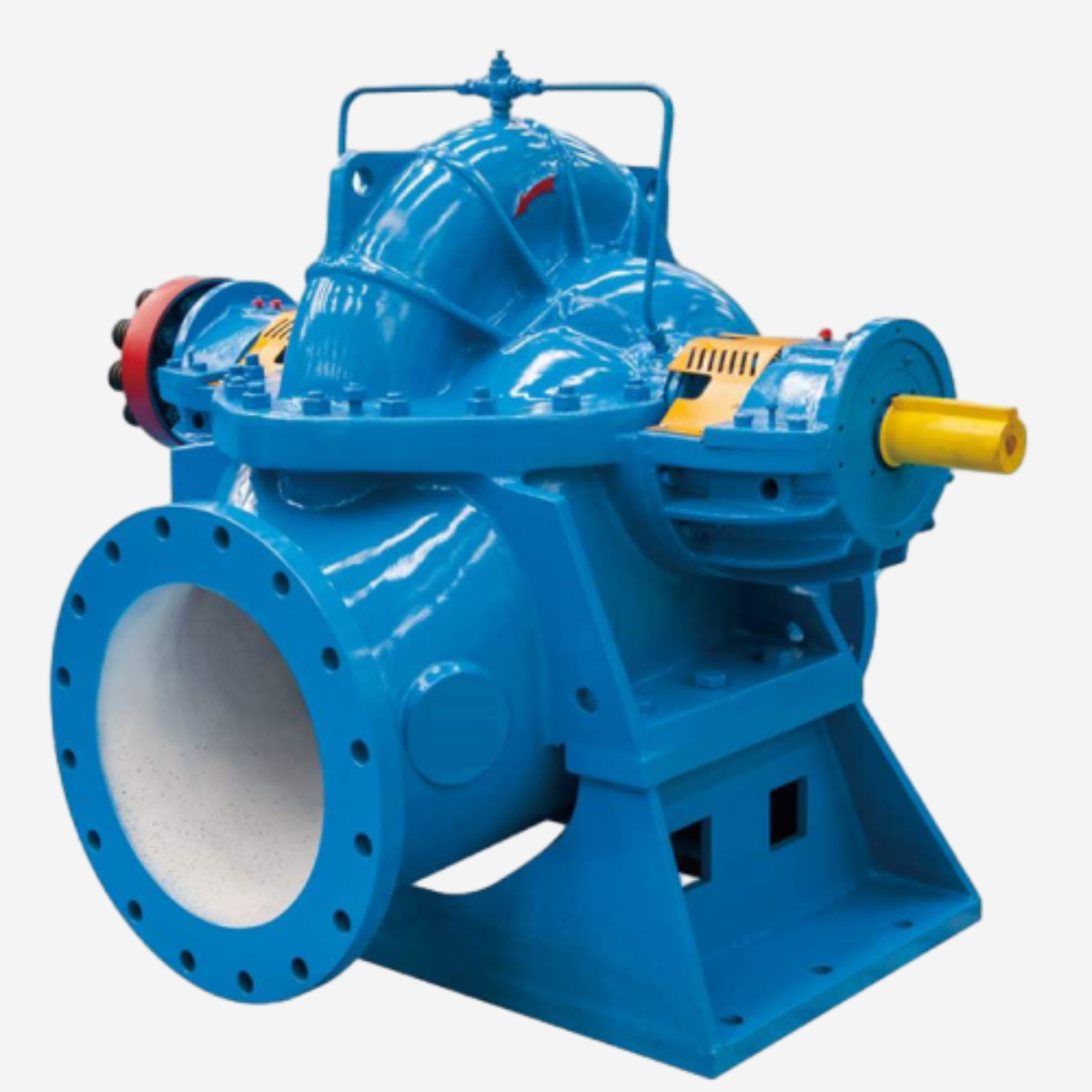
horizontal slurry pumps an overview of x series models
Introduction
Horizontal slurry pumps, specifically the X series models, are critical components in numerous industrial processes involving the transportation of abrasive and corrosive fluids. Positioned within the fluid handling chain, these pumps bridge the gap between processing and discharge, often serving as the final stage in solids handling applications. The X series designation indicates a family of pumps engineered for robust performance in demanding environments, prioritizing wear resistance and operational reliability. Core performance characteristics revolve around volumetric flow rate, differential head, solids handling capacity, and material compatibility. These pumps are vital in industries such as mining, dredging, wastewater treatment, chemical processing, and power generation, where consistent and efficient solids transport is paramount. The increasing demand for efficient and durable slurry handling solutions drives continuous innovation within the X series, focusing on hydraulic efficiency, reduced maintenance intervals, and optimized component lifespan.
Material Science & Manufacturing
The construction of X series horizontal slurry pumps relies heavily on material science to withstand the aggressive nature of slurries. Impellers and casings are commonly constructed from high-chromium cast iron (typically 26-35% chromium content) providing exceptional resistance to abrasive wear. This alloy forms a hard carbide matrix during operation, continuously renewing the wear surface. Shafts are often manufactured from alloy steel, such as 4140 or 4340, heat treated to achieve high tensile strength and torsional rigidity. Elastomeric components, including liners and seals, utilize materials like natural rubber, EPDM, or polyurethane, selected based on chemical compatibility with the transported slurry. Manufacturing processes begin with sand casting for the main casings, followed by precision machining to ensure accurate internal geometry and tight tolerances. Impellers are typically investment cast to achieve complex shapes and smooth surface finishes. Weldments are employed for certain structural components, utilizing shielded metal arc welding (SMAW) or submerged arc welding (SAW) with low-hydrogen electrodes to minimize porosity and ensure weld integrity. Critical parameters monitored during manufacturing include material hardness (measured via Rockwell or Brinell testing), chemical composition verification (using spectroscopic analysis), dimensional accuracy (via coordinate measuring machines – CMMs), and weld quality (through radiographic and ultrasonic inspection). Proper heat treatment is crucial to achieving desired mechanical properties in both castings and weldments, demanding precise temperature control and cooling rates.
Performance & Engineering
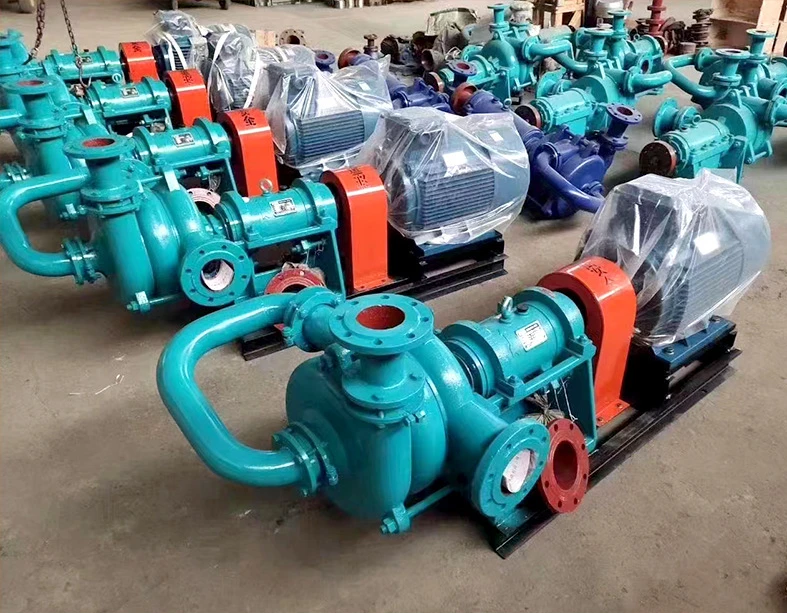
The performance of X series horizontal slurry pumps is governed by fundamental hydraulic principles and robust engineering design. Force analysis focuses on the impeller’s interaction with the slurry, considering centrifugal force, pressure differentials, and impact forces from solid particles. Cavitation prevention is paramount, achieved through careful impeller design, adequate net positive suction head available (NPSHA), and optimized pump speed. Environmental resistance is addressed through material selection and protective coatings. The pumps are designed to operate in temperatures ranging from -20°C to 80°C, and can be adapted for more extreme conditions with appropriate modifications. Compliance requirements, such as those stipulated by ISO 9906 (rotodynamic pumps), govern pump performance testing and hydraulic efficiency standards. Mechanical seals are engineered to prevent leakage and protect bearings, with designs ranging from single to double configurations, depending on slurry characteristics and environmental regulations. A key engineering consideration is the pump's solids handling capability, determined by impeller diameter, volute design, and discharge pipe diameter. Larger impeller passages and wider volute designs allow for the passage of larger solids without clogging. Furthermore, the pump's hydraulic efficiency is optimized through computational fluid dynamics (CFD) simulations, which analyze flow patterns and identify areas for improvement in impeller and casing geometry. The selection of appropriate bearing configurations (e.g., ball, roller, or sleeve bearings) depends on pump size, speed, and load requirements, with lubrication systems designed for continuous operation and minimal maintenance.
Technical Specifications
| Parameter | X100 Model | X200 Model | X300 Model | X400 Model |
|---|---|---|---|---|
| Maximum Flow Rate (m³/h) | 150 | 300 | 500 | 800 |
| Maximum Head (m) | 30 | 45 | 60 | 80 |
| Maximum Solids Size (mm) | 50 | 75 | 100 | 150 |
| Motor Power (kW) | 15 | 30 | 55 | 90 |
| Casing Material | High-Chromium Iron | High-Chromium Iron | High-Chromium Iron | High-Chromium Iron |
| Impeller Material | High-Chromium Iron | High-Chromium Iron | High-Chromium Iron | High-Chromium Iron |
Failure Mode & Maintenance
X series horizontal slurry pumps are subject to various failure modes depending on operating conditions and slurry composition. Common failure mechanisms include abrasive wear of the impeller and casing, leading to reduced pump efficiency and flow rate. Erosion-corrosion, caused by the combined action of abrasive particles and corrosive fluids, can accelerate material degradation. Mechanical seal failure, often due to abrasive particles or chemical attack, results in leakage and potential damage to bearings. Bearing failure, resulting from inadequate lubrication, excessive load, or contamination, leads to increased vibration and eventual pump seizure. Fatigue cracking in the shaft or casing can occur due to cyclic loading and stress concentrations. Maintenance strategies focus on preventative measures to mitigate these failures. Regular inspection of wear components (impeller, casing, liners) is crucial, with replacement scheduled based on wear rate analysis. Proper lubrication of bearings with appropriate grease or oil is essential. Mechanical seal integrity should be periodically checked and seals replaced proactively. Alignment of the pump and motor must be verified to minimize vibration and bearing load. Slurry composition analysis helps optimize material selection and predict wear rates. For significant failures, non-destructive testing (NDT) methods like ultrasonic testing (UT) and radiographic testing (RT) are employed to assess the extent of damage and guide repair decisions. Following a failure, root cause analysis is critical to prevent recurrence.
Industry FAQ
Q: What is the primary advantage of using a high-chromium iron impeller compared to a standard cast iron impeller in slurry applications?
A: High-chromium iron impellers offer significantly superior resistance to abrasive wear compared to standard cast iron. The chromium carbides formed within the microstructure are exceptionally hard and continuously regenerate as the surface wears, extending the impeller's service life in abrasive slurries.
Q: How does NPSHA impact pump performance and what steps can be taken to ensure adequate NPSHA?
A: Net Positive Suction Head Available (NPSHA) is the absolute pressure at the pump suction, and insufficient NPSHA leads to cavitation, causing noise, vibration, and impeller damage. Ensuring adequate NPSHA involves minimizing suction lift, increasing suction pipe diameter, reducing fluid temperature, and optimizing pump speed.
Q: What considerations are important when selecting elastomeric liners for slurry pump casings?
A: Elastomeric liner selection depends on slurry composition, temperature, and abrasion characteristics. Factors to consider include chemical compatibility, hardness (resistance to abrasion), and tensile strength (resistance to tearing). Natural rubber is suitable for general applications, while EPDM and polyurethane offer improved chemical resistance.
Q: What are the common causes of mechanical seal failure in slurry pumps, and how can they be prevented?
A: Common causes include abrasive particles between seal faces, chemical attack, and improper installation. Prevention measures include using double mechanical seals, installing flushing systems to remove abrasive particles, selecting chemically compatible seal materials, and ensuring proper alignment and installation procedures.
Q: How often should the bearings in a horizontal slurry pump be inspected and what are the signs of potential bearing failure?
A: Bearings should be inspected at least every 6 months, or more frequently in demanding applications. Signs of potential failure include increased vibration, noise, overheating, and grease contamination. Regular lubrication and alignment checks are also essential preventative measures.
Conclusion
The X series of horizontal slurry pumps represents a robust and reliable solution for handling abrasive and corrosive fluids across diverse industrial applications. Their performance is fundamentally linked to material science, meticulous manufacturing processes, and a thorough understanding of fluid dynamics. Selecting the appropriate model and implementing a proactive maintenance program are critical for maximizing operational lifespan and minimizing downtime.
Continuous development within the X series focuses on enhancing hydraulic efficiency, improving wear resistance through advanced materials, and integrating condition monitoring technologies for predictive maintenance. These advancements aim to address the evolving needs of industries facing increasingly demanding slurry handling challenges, ensuring efficient and sustainable fluid transport solutions.
-
Precision at the Pump: How Better Machining Protects Flow and Uptime
News2026-11-20
-
Why Pump Reliability Begins Before the First Drop of Fluid
News2026-11-20
-
Beyond the Pump: Designing Safer Access Around Critical Water Infrastructure
News2026-11-20
-
Why Pumping Stations Depend on the Infrastructure Beneath the Pumps
News2026-11-20
-
Beyond the Pump Room: How Smarter Loading Protects Industrial Equipment
News2026-11-19
-
When Pumps Stop: Designing More Resilient Power for Critical Pumping Systems
News2026-11-19
-
The Hidden Role of Dust and Gas Monitoring in Reliable Pump Operations
News2026-11-19
-
The Hidden Role of Mineral Compounds in Extending Industrial Pump Lifespan
News2026-10-12
-
Why Pump System Reliability Depends on Precision Hose Assembly Methods
News2026-09-15
-
How Advanced Imaging Films Are Transforming Pump Component Quality Control
News2026-08-25
-
How Advanced Filtration Protects Pump Systems from Premature Wear and Costly Downtime
News2026-08-25
-
How Steel Material Selection Drives Pump Reliability in Heavy-Duty Systems
News2026-08-25
-
Ensuring Pump System Efficiency: The Role of High-Quality Pipe Fittings and Tubing
News2026-08-24
-
Optimizing Fluid Dynamics and Material Consistency in Industrial Processing
News2026-08-18
-
Innovations and Challenges in Hydraulic Systems for Heavy Machinery
News2026-08-13




