English
- Afrikaans
- Albanian
- Amharic
- Arabic
- Armenian
- Azerbaijani
- Basque
- Belarusian
- Bengali
- Bosnian
- Bulgarian
- Catalan
- Cebuano
- Corsican
- Croatian
- Czech
- Danish
- Dutch
- English
- Esperanto
- Estonian
- Finnish
- French
- Frisian
- Galician
- Georgian
- German
- Greek
- Gujarati
- Haitian Creole
- hausa
- hawaiian
- Hebrew
- Hindi
- Miao
- Hungarian
- Icelandic
- igbo
- Indonesian
- irish
- Italian
- Japanese
- Javanese
- Kannada
- kazakh
- Khmer
- Rwandese
- Korean
- Kurdish
- Kyrgyz
- Lao
- Latin
- Latvian
- Lithuanian
- Luxembourgish
- Macedonian
- Malgashi
- Malay
- Malayalam
- Maltese
- Maori
- Marathi
- Mongolian
- Myanmar
- Nepali
- Norwegian
- Norwegian
- Occitan
- Pashto
- Persian
- Polish
- Portuguese
- Punjabi
- Romanian
- Russian
- Samoan
- Scottish Gaelic
- Serbian
- Sesotho
- Shona
- Sindhi
- Sinhala
- Slovak
- Slovenian
- Somali
- Spanish
- Sundanese
- Swahili
- Swedish
- Tagalog
- Tajik
- Tamil
- Tatar
- Telugu
- Thai
- Turkish
- Turkmen
- Ukrainian
- Urdu
- Uighur
- Uzbek
- Vietnamese
- Welsh
- Bantu
- Yiddish
- Yoruba
- Zulu

Telephone: +86 13120555503
Email: frank@cypump.com


Apr . 01, 2024 17:55 Back to list
horizontal froth slurry pump manufacturers top providers of Performance Analysis
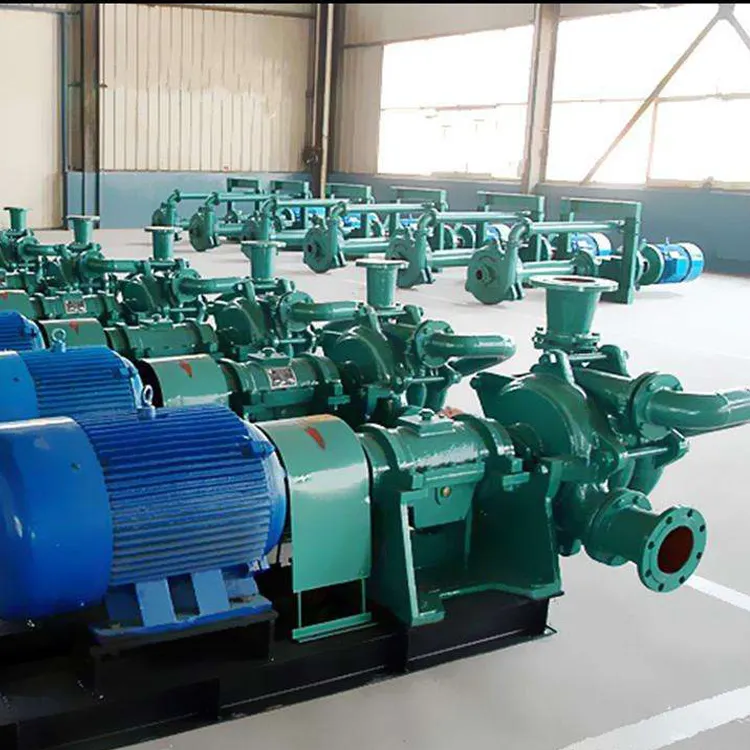
Introduction
Horizontal froth slurry pumps are critical components in mineral processing, tailings management, and various industrial applications involving the transport of aerated slurries. These pumps are specifically designed to efficiently handle mixtures of solids and liquids containing a significant volume of entrained air—a 'froth'—which presents unique hydraulic and mechanical challenges. Unlike water pumps or even standard slurry pumps, froth pumps must overcome the lower density and higher compressibility of froth, preventing pump stall and ensuring consistent flow. The industry is driven by demands for increased efficiency, reduced downtime, and improved wear resistance, particularly in abrasive applications. Leading manufacturers focus on advancements in impeller design, materials science, and sealing technologies to address these requirements. This guide provides a comprehensive technical overview of horizontal froth slurry pumps, encompassing material properties, manufacturing processes, performance characteristics, failure modes, and relevant industry standards. The selection of the appropriate pump is heavily influenced by the slurry’s specific gravity, froth content, particle size distribution, and the required head and flow rate.
Material Science & Manufacturing
The construction of horizontal froth slurry pumps necessitates careful selection of materials to withstand the abrasive nature of the transported media, potential corrosion, and the stresses induced by handling aerated slurries. Pump casings are commonly manufactured from high-chromium cast irons (e.g., 27% Cr) due to their excellent abrasion resistance. Impellers, being directly exposed to the slurry's erosive forces, frequently utilize specialized alloys like high-chrome white irons, hardened stainless steels (e.g., 316, 403), or even ceramic materials for extreme applications. Liners, often replaceable, protect the casing from wear and are typically made from rubber (natural rubber, EPDM) or polyurethane elastomers. Shafts are typically forged from alloy steels (e.g., 4140, 4340) and hardened to provide sufficient tensile and torsional strength. The manufacturing process begins with pattern making for the casing and impeller. Casting follows, utilizing techniques like sand casting or investment casting for complex impeller geometries. Critical dimensions are verified through rigorous quality control, including non-destructive testing (NDT) methods like radiographic inspection and ultrasonic testing. Impellers undergo precision machining to achieve accurate hydraulic profiles. Welding processes, such as submerged arc welding (SAW) or gas metal arc welding (GMAW), are employed to join components, with strict adherence to welding procedures to maintain material integrity. Rubber or polyurethane liners are bonded to the casing using adhesive bonding techniques, requiring careful surface preparation and controlled curing conditions. Dynamic balancing of the impeller is crucial to minimize vibration and ensure smooth operation.
Performance & Engineering
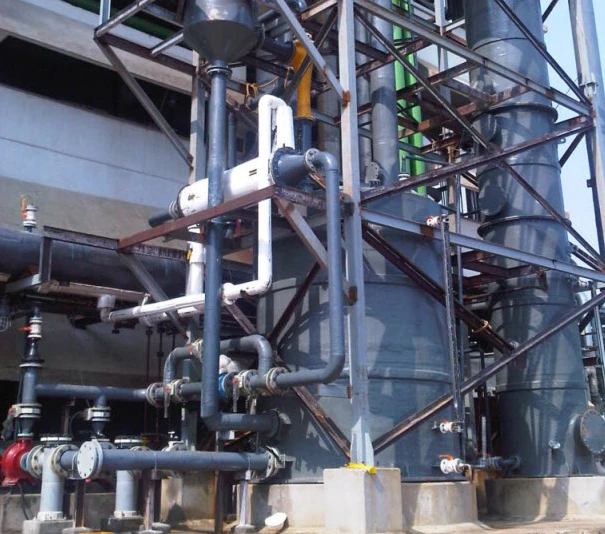
The performance of a horizontal froth slurry pump is governed by several key engineering principles. The primary challenge lies in managing the compressibility of the froth, which significantly impacts pump head and flow rate. Impeller design is paramount, with open or semi-open impeller designs being favored to accommodate the large air volume and prevent blockage. Impeller diameter, blade angle, and blade width are carefully optimized to generate sufficient head while minimizing energy consumption. The pump's suction performance is crucial, as insufficient Net Positive Suction Head Available (NPSHa) can lead to cavitation and damage. Force analysis involves assessing the hydrodynamic forces acting on the impeller, the bearing loads, and the stresses within the pump casing. Environmental resistance is a critical consideration, especially in outdoor installations. Pumps are typically designed to withstand specified temperature ranges, humidity levels, and exposure to corrosive agents. Compliance requirements vary by region and application. Pumps destined for hazardous environments must meet ATEX or IECEx standards for explosion protection. Furthermore, pumps used in potable water applications must comply with NSF/ANSI 61 standards for lead content and material compatibility. Hydraulic Institute (HI) standards provide guidelines for pump testing and performance evaluation, ensuring accuracy and consistency. A key engineering consideration is the pump's ability to handle varying froth characteristics; pumps must maintain stable operation across a range of froth volumes and bubble sizes.
Technical Specifications
| Parameter | Unit | Typical Range | Tolerance |
|---|---|---|---|
| Flow Rate | m³/h | 10 – 1500 | ±5% |
| Total Head | m | 10 – 100 | ±10% |
| Slurry Specific Gravity | - | 1.0 – 1.8 | ±0.05 |
| Froth Content | % Vol | 20 – 80 | ±5% |
| Particle Size | mm | < 63 | As Specified |
| Pump Speed | RPM | 500 – 1800 | ±2% |
Failure Mode & Maintenance
Horizontal froth slurry pumps are susceptible to several failure modes, often stemming from the abrasive nature of the slurry and the challenges posed by froth handling. Fatigue cracking can occur in the impeller and shaft due to cyclic loading. Erosion-corrosion is a common issue, particularly in areas with high slurry velocity, leading to wear of the impeller, casing, and liners. Delamination of rubber or polyurethane liners can occur due to bond failure or material degradation. Mechanical seal failures are frequent, often caused by abrasive particles damaging the seal faces or improper installation. Cavitation can occur if the NPSHa is insufficient, leading to pitting and erosion of the impeller. Oxidation of metallic components can occur over time, particularly in corrosive environments. Preventive maintenance is crucial. Regular inspections should focus on checking for wear of the impeller, casing, and liners. Seal performance should be monitored for leakage or unusual noise. Bearing lubrication should be maintained according to manufacturer’s recommendations. Vibration analysis can detect early signs of imbalance or mechanical issues. Impeller balancing should be performed periodically. Liners should be replaced before they are completely worn through to prevent damage to the casing. A detailed maintenance log should be maintained to track repairs and replacements. Proper startup and shutdown procedures are vital to minimize stress on the pump.
Industry FAQ
Q: What are the primary differences between a froth slurry pump and a standard slurry pump?
A: Froth slurry pumps are specifically designed to handle the lower density and compressibility of aerated slurries. Standard slurry pumps lack the impeller geometry and hydraulic design necessary to efficiently pump froth, often resulting in reduced capacity, increased vibration, and premature failure.
Q: How does impeller design influence the performance of a froth slurry pump?
A: Impeller design is critical. Open or semi-open impellers are favored for froth handling, allowing for efficient passage of air bubbles and solids. Blade angle, width, and diameter are optimized to maximize head while minimizing energy consumption and preventing pump stall.
Q: What materials are best suited for handling highly abrasive slurries in froth pumps?
A: High-chromium cast irons and hardened stainless steels are commonly used for pump casings and impellers. Replaceable liners made from rubber or polyurethane elastomers provide additional wear protection. Ceramic materials may be used for impellers in extreme abrasive applications.
Q: How can I prevent cavitation in a froth slurry pump?
A: Ensuring sufficient Net Positive Suction Head Available (NPSHa) is paramount. Minimize suction lift, maintain adequate slurry levels, and avoid obstructions in the suction line. Regular inspection and maintenance of the impeller are also important.
Q: What are the key considerations when selecting a mechanical seal for a froth slurry pump?
A: Mechanical seals for froth pumps must be able to withstand abrasive particles and the potential for dry running. Seal face materials should be selected for compatibility with the slurry and the presence of air. Dual mechanical seals with a flush system can provide enhanced reliability.
Conclusion
Horizontal froth slurry pumps represent a specialized segment of pump technology, crucial for industries dealing with aerated slurry transport. The selection and operation of these pumps require a thorough understanding of material science, hydraulic principles, and potential failure modes. Optimizing impeller design, utilizing appropriate materials, and implementing a robust maintenance program are essential for maximizing pump efficiency, minimizing downtime, and ensuring long-term reliability.
The future of froth slurry pump technology will likely focus on advancements in impeller materials, such as ceramic composites, and the integration of smart monitoring systems for predictive maintenance. Further research into froth dynamics and the development of more efficient impeller geometries will contribute to improved pump performance and reduced energy consumption. Compliance with increasingly stringent environmental regulations will also drive innovation in pump design and operation.
-
Precision at the Pump: How Better Machining Protects Flow and Uptime
News2026-11-20
-
Why Pump Reliability Begins Before the First Drop of Fluid
News2026-11-20
-
Beyond the Pump: Designing Safer Access Around Critical Water Infrastructure
News2026-11-20
-
Why Pumping Stations Depend on the Infrastructure Beneath the Pumps
News2026-11-20
-
Beyond the Pump Room: How Smarter Loading Protects Industrial Equipment
News2026-11-19
-
When Pumps Stop: Designing More Resilient Power for Critical Pumping Systems
News2026-11-19
-
The Hidden Role of Dust and Gas Monitoring in Reliable Pump Operations
News2026-11-19
-
The Hidden Role of Mineral Compounds in Extending Industrial Pump Lifespan
News2026-10-12
-
Why Pump System Reliability Depends on Precision Hose Assembly Methods
News2026-09-15
-
How Advanced Imaging Films Are Transforming Pump Component Quality Control
News2026-08-25
-
How Advanced Filtration Protects Pump Systems from Premature Wear and Costly Downtime
News2026-08-25
-
How Steel Material Selection Drives Pump Reliability in Heavy-Duty Systems
News2026-08-25
-
Ensuring Pump System Efficiency: The Role of High-Quality Pipe Fittings and Tubing
News2026-08-24
-
Optimizing Fluid Dynamics and Material Consistency in Industrial Processing
News2026-08-18
-
Innovations and Challenges in Hydraulic Systems for Heavy Machinery
News2026-08-13




