English
- Afrikaans
- Albanian
- Amharic
- Arabic
- Armenian
- Azerbaijani
- Basque
- Belarusian
- Bengali
- Bosnian
- Bulgarian
- Catalan
- Cebuano
- Corsican
- Croatian
- Czech
- Danish
- Dutch
- English
- Esperanto
- Estonian
- Finnish
- French
- Frisian
- Galician
- Georgian
- German
- Greek
- Gujarati
- Haitian Creole
- hausa
- hawaiian
- Hebrew
- Hindi
- Miao
- Hungarian
- Icelandic
- igbo
- Indonesian
- irish
- Italian
- Japanese
- Javanese
- Kannada
- kazakh
- Khmer
- Rwandese
- Korean
- Kurdish
- Kyrgyz
- Lao
- Latin
- Latvian
- Lithuanian
- Luxembourgish
- Macedonian
- Malgashi
- Malay
- Malayalam
- Maltese
- Maori
- Marathi
- Mongolian
- Myanmar
- Nepali
- Norwegian
- Norwegian
- Occitan
- Pashto
- Persian
- Polish
- Portuguese
- Punjabi
- Romanian
- Russian
- Samoan
- Scottish Gaelic
- Serbian
- Sesotho
- Shona
- Sindhi
- Sinhala
- Slovak
- Slovenian
- Somali
- Spanish
- Sundanese
- Swahili
- Swedish
- Tagalog
- Tajik
- Tamil
- Tatar
- Telugu
- Thai
- Turkish
- Turkmen
- Ukrainian
- Urdu
- Uighur
- Uzbek
- Vietnamese
- Welsh
- Bantu
- Yiddish
- Yoruba
- Zulu

Telephone: +86 13120555503
Email: frank@cypump.com


Apr . 01, 2024 17:55 Back to list
Horizontal Chemical Pumps competitive pricing for horizontal chemical pumps used in Industrial Appli
Introduction
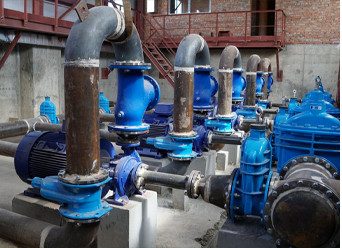
Horizontal chemical pumps are critical components in numerous industrial processes, handling corrosive and abrasive fluids across diverse sectors, including chemical processing, wastewater treatment, pharmaceutical manufacturing, and mining. Competitive pricing within this segment is a significant concern for procurement managers, driven by high replacement rates due to material degradation and process demands. The market is fragmented, ranging from large, established manufacturers offering highly engineered solutions to smaller OEMs and import sources. This guide provides an in-depth analysis of the factors influencing the cost of horizontal chemical pumps, dissecting material selection, manufacturing techniques, performance parameters, failure modes, and relevant industry standards. Understanding these elements is paramount for making informed purchasing decisions and achieving optimal lifecycle cost management. This document aims to equip engineers and procurement professionals with the technical knowledge required to evaluate pump options based on total cost of ownership, not merely initial purchase price. Competitive pricing necessitates understanding inherent trade-offs between initial cost, operational efficiency, maintenance requirements, and long-term reliability.
Material Science & Manufacturing
The core of competitive pricing in horizontal chemical pumps lies in material selection and manufacturing processes. Pump housings are frequently constructed from materials like cast iron (with protective coatings), stainless steel (304, 316, duplex), polypropylene (PP), polyvinylidene fluoride (PVDF), and Alloy 20. Cast iron, while cost-effective initially, requires robust epoxy or rubber linings to resist corrosion, adding to lifecycle costs. Stainless steel offers superior corrosion resistance but at a higher upfront price. More exotic alloys like Alloy 20, while offering excellent chemical compatibility, significantly increase pump cost. PP and PVDF are often used for lower-temperature, less aggressive applications, providing a cost-effective solution where chemical resistance requirements are less stringent. Impeller materials mirror housing options, with further consideration given to abrasion resistance for slurry applications. Manufacturing processes significantly influence pricing. Centrifugal pumps commonly utilize investment casting or sand casting for housings, with CNC machining for impellers and shafts. Precision machining is crucial for maintaining tight tolerances and ensuring efficient hydraulic performance. Welding, especially in stainless steel construction, must adhere to strict quality control standards (AWS D1.1) to prevent corrosion initiation points. The cost of welding consumables (electrodes, shielding gas) and the labor associated with qualified welders directly contribute to the overall pump price. Manufacturing location (domestic vs. overseas) heavily impacts labor costs and supply chain logistics, further influencing competitive pricing. The casting process itself is a significant cost driver; sophisticated casting techniques, like vacuum casting, reduce porosity and improve material integrity, but come at a premium.
Performance & Engineering
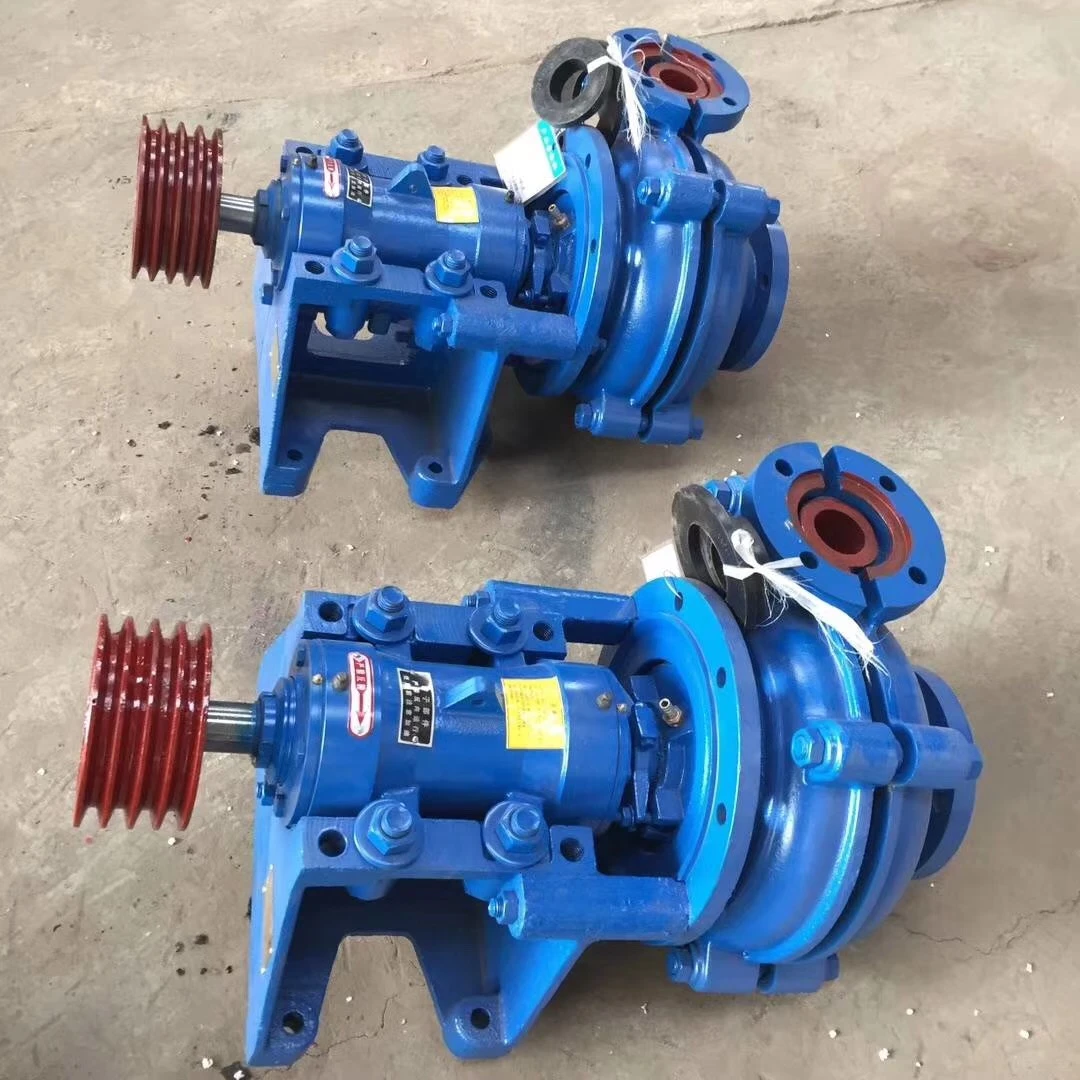
Performance is inextricably linked to both the pump’s design and the engineering considerations applied during its selection. Competitive pricing often leads to compromises in performance if not carefully evaluated. Key performance parameters include flow rate (GPM), total dynamic head (TDH), net positive suction head required (NPSHr), and efficiency (%). The pump's hydraulic design, encompassing impeller geometry, volute casing design, and internal clearances, directly impacts efficiency and flow characteristics. Computational Fluid Dynamics (CFD) analysis is increasingly used to optimize pump designs, but adds to engineering costs. Mechanical seals are critical for preventing leakage and ensuring reliable operation. The selection of seal materials (e.g., silicon carbide, tungsten carbide, PTFE) depends on the fluid being pumped and the operating temperature/pressure. Higher-performance seals increase initial cost but reduce maintenance frequency and downtime. Motor selection is another crucial factor. Variable Frequency Drives (VFDs) offer energy savings by adjusting pump speed to match process demand, but add to the initial investment. Furthermore, the pump’s construction must conform to relevant engineering standards (ANSI/ASME B73.1) to ensure structural integrity and safe operation. Force analysis is essential to confirm the pump's ability to withstand internal pressures and external loads. Environmental resistance, particularly to atmospheric corrosion and UV degradation (for non-metallic components), must be considered. Proper pump sizing is vital; an oversized pump wastes energy, while an undersized pump fails to meet process requirements.
Technical Specifications
| Parameter | Typical Range (Low-End Pump) | Typical Range (Mid-Range Pump) | Typical Range (High-End Pump) |
|---|---|---|---|
| Flow Rate (GPM) | 20-80 | 80-300 | 300-1000+ |
| Total Dynamic Head (ft) | 50-150 | 150-300 | 300-600+ |
| Maximum Operating Pressure (psi) | 150 | 300 | 500+ |
| Material (Housing) | Cast Iron w/ Epoxy Coating | 304 Stainless Steel | 316 Stainless Steel / Alloy 20 |
| Material (Impeller) | Cast Iron w/ Epoxy Coating | 304 Stainless Steel | 316 Stainless Steel / PP/PVDF |
| Seal Type | Single Mechanical Seal | Double Mechanical Seal | Double Mechanical Seal w/ Barrier Fluid System |
Failure Mode & Maintenance
Understanding failure modes is crucial for minimizing lifecycle costs. Common failure modes in horizontal chemical pumps include impeller cavitation (caused by insufficient NPSH), seal failure (due to abrasive particles, chemical attack, or thermal cycling), bearing failure (due to improper lubrication or overload), and corrosion-induced material degradation. Cavitation erodes the impeller, reducing pump efficiency and eventually leading to failure. Seal failures result in leakage, potentially causing environmental hazards and process downtime. Bearing failures can be catastrophic, leading to complete pump seizure. Corrosion weakens pump components, reducing structural integrity and increasing the risk of catastrophic failure. Preventive maintenance is essential. Regular inspection of seals, bearings, and pump housings can identify early signs of wear or corrosion. Lubrication schedules must be strictly followed. Vibration analysis can detect bearing defects before they lead to catastrophic failure. Material selection plays a vital role in mitigating corrosion; choosing the right material for the application is paramount. Coatings, such as epoxy or fluoropolymer linings, can provide additional protection against corrosive fluids. Periodic replacement of wear parts (seals, bearings, gaskets) is a necessary maintenance expense. Proper pump alignment is critical to minimize vibration and bearing wear. Failure analysis, including metallurgical examination of failed components, can identify root causes and prevent recurrence.
Industry FAQ
Q: What are the key trade-offs between choosing a pump with a cheaper cast iron housing versus a more expensive stainless steel housing?
A: The primary trade-off is corrosion resistance versus initial cost. Cast iron is significantly cheaper, but requires a robust coating system (epoxy, rubber lining) to prevent corrosion. These coatings add to the lifecycle cost due to maintenance and potential failure. Stainless steel offers superior corrosion resistance, reducing maintenance and increasing pump lifespan, but at a higher upfront price. The total cost of ownership should be calculated considering the fluid being pumped, operating conditions, and expected lifespan.
Q: How does impeller material affect pump performance and cost?
A: Impeller material impacts both hydraulic performance and abrasion resistance. Higher-density materials generally improve efficiency, but may be more susceptible to wear from abrasive slurries. Materials like PP or PVDF are cost-effective for handling less abrasive fluids, while stainless steel or Alloy 20 are preferred for abrasive applications, albeit at a higher price. Choosing the correct material directly impacts impeller lifespan and maintenance frequency.
Q: What is the significance of NPSHr and how does it impact pump selection and operation?
A: Net Positive Suction Head Required (NPSHr) is the minimum pressure required at the pump suction to prevent cavitation. If the available NPSH (NPSHa) is less than NPSHr, cavitation will occur, damaging the impeller and reducing pump performance. Proper pump selection considers the NPSHa of the system. Adjustments to system piping or pump installation height may be necessary to ensure adequate NPSHa.
Q: What role do mechanical seals play in the overall cost and reliability of a chemical pump?
A: Mechanical seals are crucial for preventing leakage and ensuring reliable operation. Higher-performance seals (e.g., double mechanical seals with barrier fluid systems) significantly increase initial cost, but dramatically reduce the risk of leakage, downtime, and environmental hazards. Seal selection must be based on the fluid being pumped, operating temperature, pressure, and abrasive content.
Q: How can a Variable Frequency Drive (VFD) contribute to cost savings, and what are the associated considerations?
A: VFDs allow pump speed to be adjusted to match process demand, reducing energy consumption and minimizing wear and tear on the pump. The initial investment for a VFD is higher, but the energy savings can often pay for the VFD within a relatively short period. Considerations include motor compatibility, harmonic distortion, and potential electromagnetic interference.
Conclusion
Competitive pricing for horizontal chemical pumps is not solely about securing the lowest initial purchase price. It’s a multifaceted evaluation that demands a thorough understanding of material science, manufacturing processes, performance parameters, and potential failure modes. Procurement decisions should prioritize total cost of ownership, factoring in maintenance expenses, downtime costs, and energy consumption. Selecting the right materials and components, coupled with robust engineering design, is paramount for ensuring long-term reliability and minimizing lifecycle costs.
Optimizing pump selection requires a holistic approach that considers the specific application requirements, fluid properties, and operating environment. Investing in higher-quality components and advanced features (such as double mechanical seals and VFDs) can often yield significant long-term savings. Continuous monitoring and preventive maintenance programs are essential for identifying and addressing potential problems before they escalate into costly failures. Adopting a data-driven approach to pump management allows for informed decision-making and proactive cost control.
-
Precision at the Pump: How Better Machining Protects Flow and Uptime
News2026-11-20
-
Why Pump Reliability Begins Before the First Drop of Fluid
News2026-11-20
-
Beyond the Pump: Designing Safer Access Around Critical Water Infrastructure
News2026-11-20
-
Why Pumping Stations Depend on the Infrastructure Beneath the Pumps
News2026-11-20
-
Beyond the Pump Room: How Smarter Loading Protects Industrial Equipment
News2026-11-19
-
When Pumps Stop: Designing More Resilient Power for Critical Pumping Systems
News2026-11-19
-
The Hidden Role of Dust and Gas Monitoring in Reliable Pump Operations
News2026-11-19
-
The Hidden Role of Mineral Compounds in Extending Industrial Pump Lifespan
News2026-10-12
-
Why Pump System Reliability Depends on Precision Hose Assembly Methods
News2026-09-15
-
How Advanced Imaging Films Are Transforming Pump Component Quality Control
News2026-08-25
-
How Advanced Filtration Protects Pump Systems from Premature Wear and Costly Downtime
News2026-08-25
-
How Steel Material Selection Drives Pump Reliability in Heavy-Duty Systems
News2026-08-25
-
Ensuring Pump System Efficiency: The Role of High-Quality Pipe Fittings and Tubing
News2026-08-24
-
Optimizing Fluid Dynamics and Material Consistency in Industrial Processing
News2026-08-18
-
Innovations and Challenges in Hydraulic Systems for Heavy Machinery
News2026-08-13




