English
- Afrikaans
- Albanian
- Amharic
- Arabic
- Armenian
- Azerbaijani
- Basque
- Belarusian
- Bengali
- Bosnian
- Bulgarian
- Catalan
- Cebuano
- Corsican
- Croatian
- Czech
- Danish
- Dutch
- English
- Esperanto
- Estonian
- Finnish
- French
- Frisian
- Galician
- Georgian
- German
- Greek
- Gujarati
- Haitian Creole
- hausa
- hawaiian
- Hebrew
- Hindi
- Miao
- Hungarian
- Icelandic
- igbo
- Indonesian
- irish
- Italian
- Japanese
- Javanese
- Kannada
- kazakh
- Khmer
- Rwandese
- Korean
- Kurdish
- Kyrgyz
- Lao
- Latin
- Latvian
- Lithuanian
- Luxembourgish
- Macedonian
- Malgashi
- Malay
- Malayalam
- Maltese
- Maori
- Marathi
- Mongolian
- Myanmar
- Nepali
- Norwegian
- Norwegian
- Occitan
- Pashto
- Persian
- Polish
- Portuguese
- Punjabi
- Romanian
- Russian
- Samoan
- Scottish Gaelic
- Serbian
- Sesotho
- Shona
- Sindhi
- Sinhala
- Slovak
- Slovenian
- Somali
- Spanish
- Sundanese
- Swahili
- Swedish
- Tagalog
- Tajik
- Tamil
- Tatar
- Telugu
- Thai
- Turkish
- Turkmen
- Ukrainian
- Urdu
- Uighur
- Uzbek
- Vietnamese
- Welsh
- Bantu
- Yiddish
- Yoruba
- Zulu

Telephone: +86 13120555503
Email: frank@cypump.com


Apr . 01, 2024 17:55 Back to list
highquality oem highhead slurry pump ensuring efficiency and reliability
Introduction
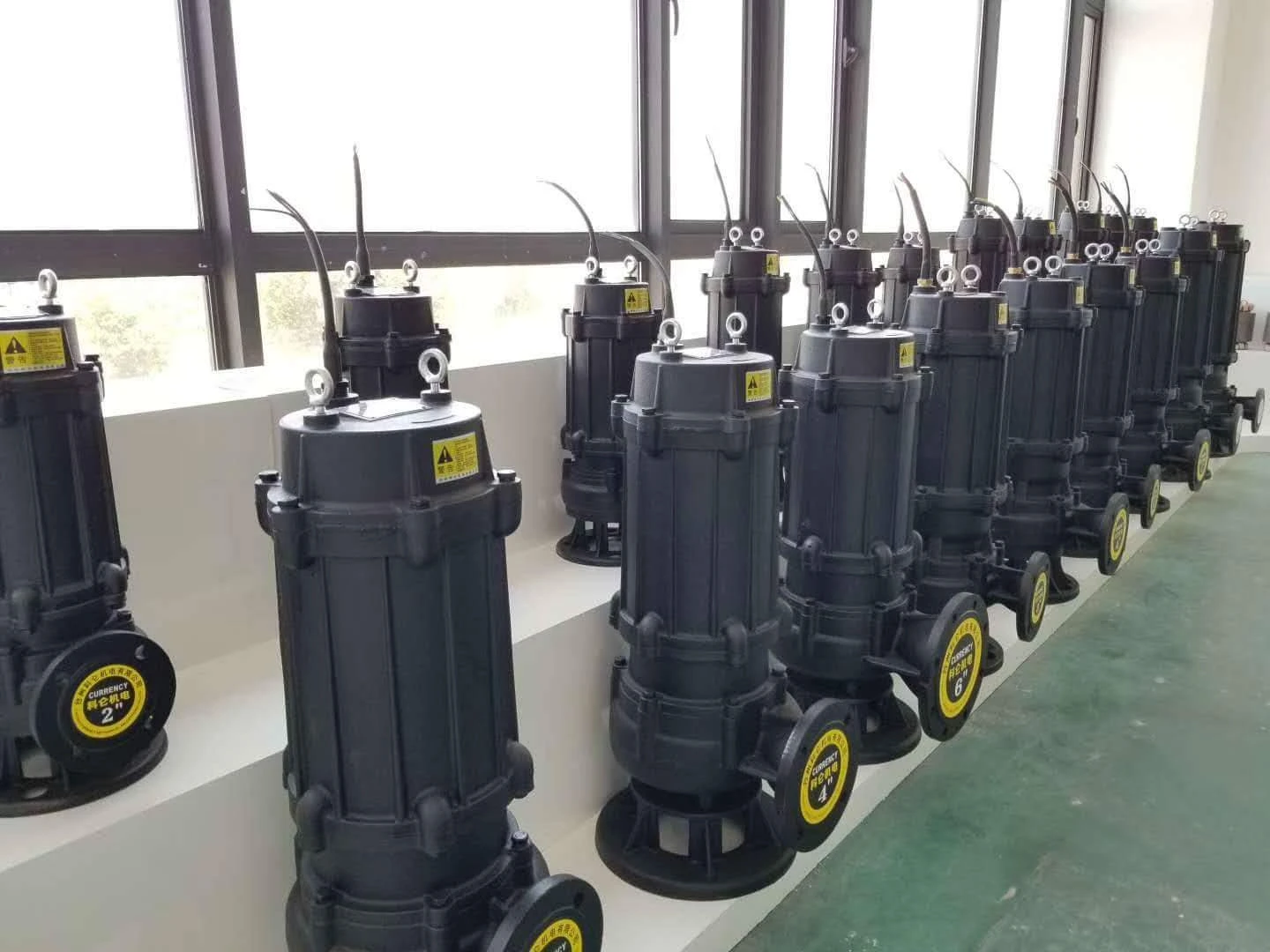
High-head slurry pumps are critical components in numerous industrial processes, specifically designed for the transportation of abrasive and highly concentrated slurries over significant vertical distances. OEM (Original Equipment Manufacturer) pumps, particularly those focusing on high-head applications, represent a substantial investment and contribute directly to operational efficiency and process reliability. This guide provides an in-depth technical overview of these pumps, covering material science, manufacturing processes, performance characteristics, potential failure modes, and relevant industry standards. The selection and maintenance of a high-head slurry pump are driven by factors like slurry composition (particle size distribution, solid concentration, and chemical properties), flow rate requirements, head pressure, and the operating environment. A primary industry pain point lies in balancing pump longevity with operational costs; selecting inappropriate materials or configurations can lead to premature failure, costly downtime, and increased total cost of ownership. Furthermore, adhering to stringent environmental regulations regarding leakage and waste management necessitates careful consideration of pump sealing systems and materials compatibility. This document aims to provide the technical detail required for informed decision-making regarding specification, installation, operation, and maintenance of high-head slurry pumps.
Material Science & Manufacturing
The performance and longevity of a high-head slurry pump are fundamentally linked to the materials of construction. Commonly employed materials include high-chrome cast iron, stainless steel (304, 316, duplex grades), and various elastomers for lining and sealing components. High-chrome cast iron offers excellent abrasion resistance, crucial for handling slurries with high solid concentrations. However, its susceptibility to corrosion in acidic or saline environments necessitates careful selection. Stainless steels, while more expensive, provide superior corrosion resistance and are ideal for aggressive chemical applications. Duplex stainless steels offer an enhanced combination of strength and corrosion resistance. Elastomers, such as natural rubber, EPDM, and polyurethane, are used for lining pump casings and impellers to provide cushioning against abrasive wear and to dampen noise. Manufacturing processes vary depending on the pump component. Casings and impellers are typically produced using sand casting, investment casting, or centrifugal casting. The casting method selected influences the material microstructure and, consequently, the mechanical properties. Shafts are generally machined from high-strength alloy steel and undergo heat treatment to enhance hardness and tensile strength. Welding processes, such as submerged arc welding (SAW) or gas metal arc welding (GMAW), are used to join various components. Critical parameters during welding include preheat temperature, welding current, and shielding gas composition to prevent cracking and ensure a sound weld. Impeller design utilizes Computational Fluid Dynamics (CFD) modeling to optimize hydraulic efficiency and minimize erosion. Surface hardness testing (HRC - Rockwell C scale) and microstructural analysis are routinely performed to ensure materials meet specified standards. Quality control throughout the manufacturing process is paramount, including non-destructive testing (NDT) methods like ultrasonic testing and radiographic inspection to detect internal flaws.
Performance & Engineering
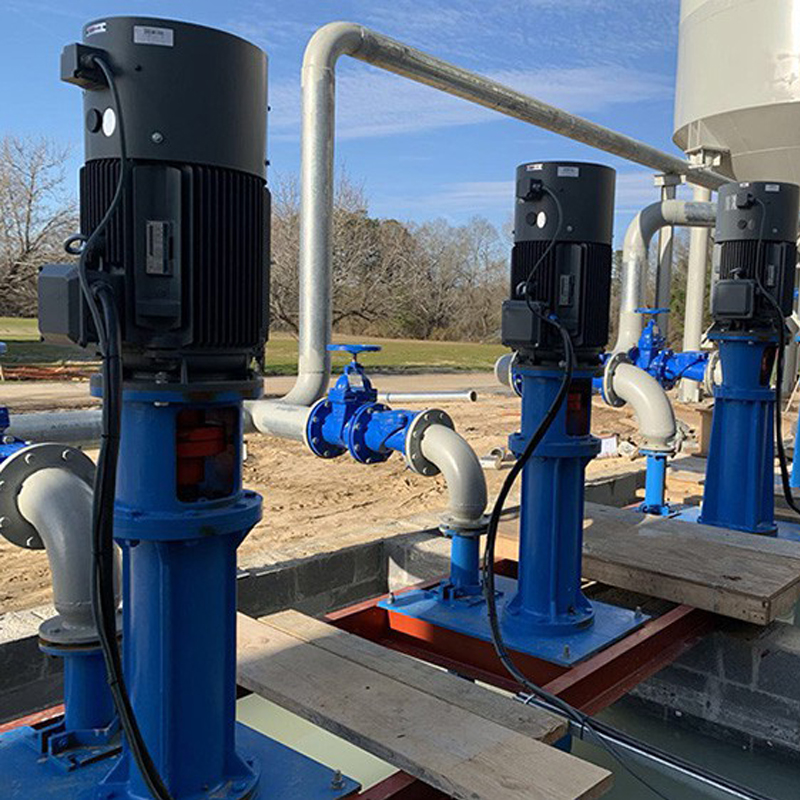
The performance of a high-head slurry pump is dictated by several key engineering principles. Head, flow rate, and efficiency are interdependent variables. Increasing the head typically reduces the flow rate, and vice versa. Pump performance curves, generated through hydraulic testing, depict this relationship. The pump's Net Positive Suction Head Required (NPSHr) is a critical parameter, representing the minimum absolute pressure required at the pump suction to prevent cavitation. Cavitation, the formation and collapse of vapor bubbles, can cause significant erosion damage to the impeller and casing. Force analysis is essential in designing the pump shaft and bearings to withstand radial and axial loads generated by the slurry flow. These loads are influenced by slurry density, flow velocity, and impeller geometry. Environmental resistance is a crucial consideration. Pumps operating in harsh environments (extreme temperatures, corrosive atmospheres) require specialized materials and protective coatings. Compliance requirements, such as those stipulated by the American Petroleum Institute (API) standards, dictate design and testing procedures to ensure safe and reliable operation. Specific pump designs, such as those utilizing vertical turbine configurations, are optimized for high-head applications, minimizing hydraulic losses and maximizing efficiency. The selection of impeller type (radial, mixed-flow, axial) also impacts performance characteristics. Radial impellers are best suited for high-head, low-flow applications, while axial impellers are more efficient for low-head, high-flow applications. Pump efficiency is influenced by hydraulic losses (friction, turbulence) and mechanical losses (bearing friction, seal friction). Proper pump sizing, impeller trimming, and variable frequency drive (VFD) implementation can optimize efficiency and reduce energy consumption.
Technical Specifications
| Parameter | Unit | Typical Range | OEM Specification (Example) |
|---|---|---|---|
| Maximum Head | m | 50 – 500 | 350 |
| Flow Rate | m³/h | 10 – 200 | 80 |
| Slurry Concentration (Solids by Weight) | % | 10 – 70 | 50 |
| Particle Size | mm | < 25 | < 15 |
| Pump Material (Casing) | - | High-Chrome Cast Iron, Stainless Steel | High-Chrome Cast Iron |
| Pump Material (Impeller) | - | High-Chrome Cast Iron, Stainless Steel | High-Chrome Cast Iron with Tungsten Carbide Coating |
Failure Mode & Maintenance
High-head slurry pumps are susceptible to several failure modes. Erosion, caused by the abrasive nature of the slurry, is a primary concern, particularly affecting the impeller, casing, and volute liner. Fatigue cracking can occur in the pump shaft, impeller, or casing due to cyclic loading. Corrosion, especially in aggressive chemical environments, can lead to material degradation and structural failure. Cavitation, as previously mentioned, causes severe erosion damage. Seal failure results in leakage and potential contamination. Bearing failure, often caused by inadequate lubrication or excessive load, leads to pump vibration and eventual shutdown. Preventive maintenance is crucial for maximizing pump lifespan. Regular inspections should include visual checks for erosion, corrosion, and cracks; vibration analysis to detect bearing wear; and seal leak checks. Lubrication schedules must be strictly adhered to. Impeller and casing replacement are inevitable due to wear, and the frequency depends on the slurry abrasiveness and operating conditions. Proper alignment of the pump and motor is essential to minimize vibration and bearing stress. Periodic cleaning of the pump casing and suction/discharge lines prevents clogging and maintains optimal hydraulic performance. Implementing a predictive maintenance program utilizing condition monitoring technologies (vibration sensors, oil analysis) allows for early detection of potential failures and proactive intervention, minimizing downtime and repair costs. Failure Analysis should always be conducted on components removed during maintenance to determine the root cause of failure and implement corrective actions.
Industry FAQ
Q: What is the impact of slurry solids concentration on pump selection and lifespan?
A: Higher solids concentrations significantly increase abrasive wear rates, necessitating pumps constructed from more wear-resistant materials like high-chrome iron or incorporating protective coatings. Pumps must also be appropriately sized to handle the increased slurry density and viscosity. Undersized pumps will experience increased stress and reduced lifespan. Higher concentrations also require increased NPSH, impacting suction lift capabilities.
Q: How does impeller design influence pump efficiency and abrasion resistance?
A: Impeller design is paramount. A well-designed impeller minimizes hydraulic losses and evenly distributes the slurry flow, reducing localized erosion. Impeller geometry (blade angle, blade width, number of blades) is optimized based on the specific slurry characteristics and operating conditions. Impellers with more robust blade profiles and wear-resistant materials (e.g., tungsten carbide inserts) exhibit improved abrasion resistance.
Q: What are the key considerations for selecting a pump sealing system?
A: Sealing system selection depends on the slurry's chemical composition, pressure, and temperature. Mechanical seals are common, with options including single, double, and tandem configurations. Double mechanical seals with a barrier fluid system provide enhanced protection against leakage and extend seal life. The seal face material (e.g., silicon carbide, tungsten carbide) must be compatible with the slurry components. Proper seal flushing and lubrication are critical for maintaining seal performance.
Q: How do I determine the appropriate NPSHr for my application?
A: NPSHr is typically provided by the pump manufacturer. It's crucial to ensure that the available NPSH (NPSHa) in your system exceeds the NPSHr by a sufficient margin (typically 0.5-1 meter) to prevent cavitation. NPSHa is calculated based on the system's static suction head, vapor pressure of the fluid, and suction line losses.
Q: What are the benefits of utilizing a Variable Frequency Drive (VFD) with a high-head slurry pump?
A: VFDs allow for precise control of pump speed, enabling optimization of flow rate and head pressure to match process demands. This reduces energy consumption, minimizes wear and tear on the pump, and extends its lifespan. VFDs also provide soft starting capabilities, reducing stress on the motor and pump during startup.
Conclusion
High-head slurry pumps represent a sophisticated engineering solution for challenging industrial applications. Their optimal performance and longevity are contingent upon careful consideration of material selection, manufacturing processes, and operational parameters. Understanding the interplay between slurry characteristics, pump design, and maintenance practices is critical for minimizing downtime and maximizing return on investment. Selecting an OEM with a demonstrated expertise in high-head slurry pump technology, coupled with a commitment to rigorous quality control, is paramount.
Future trends in high-head slurry pump technology include the development of more wear-resistant materials, advancements in impeller design utilizing additive manufacturing (3D printing), and the integration of smart sensors and data analytics for predictive maintenance. These innovations will further enhance pump efficiency, reliability, and overall operational cost-effectiveness. Continued research and development in areas such as advanced sealing technologies and environmentally friendly materials will also contribute to a more sustainable and responsible industrial landscape.
-
Precision at the Pump: How Better Machining Protects Flow and Uptime
News2026-11-20
-
Why Pump Reliability Begins Before the First Drop of Fluid
News2026-11-20
-
Beyond the Pump: Designing Safer Access Around Critical Water Infrastructure
News2026-11-20
-
Why Pumping Stations Depend on the Infrastructure Beneath the Pumps
News2026-11-20
-
Beyond the Pump Room: How Smarter Loading Protects Industrial Equipment
News2026-11-19
-
When Pumps Stop: Designing More Resilient Power for Critical Pumping Systems
News2026-11-19
-
The Hidden Role of Dust and Gas Monitoring in Reliable Pump Operations
News2026-11-19
-
The Hidden Role of Mineral Compounds in Extending Industrial Pump Lifespan
News2026-10-12
-
Why Pump System Reliability Depends on Precision Hose Assembly Methods
News2026-09-15
-
How Advanced Imaging Films Are Transforming Pump Component Quality Control
News2026-08-25
-
How Advanced Filtration Protects Pump Systems from Premature Wear and Costly Downtime
News2026-08-25
-
How Steel Material Selection Drives Pump Reliability in Heavy-Duty Systems
News2026-08-25
-
Ensuring Pump System Efficiency: The Role of High-Quality Pipe Fittings and Tubing
News2026-08-24
-
Optimizing Fluid Dynamics and Material Consistency in Industrial Processing
News2026-08-18
-
Innovations and Challenges in Hydraulic Systems for Heavy Machinery
News2026-08-13




