English
- Afrikaans
- Albanian
- Amharic
- Arabic
- Armenian
- Azerbaijani
- Basque
- Belarusian
- Bengali
- Bosnian
- Bulgarian
- Catalan
- Cebuano
- Corsican
- Croatian
- Czech
- Danish
- Dutch
- English
- Esperanto
- Estonian
- Finnish
- French
- Frisian
- Galician
- Georgian
- German
- Greek
- Gujarati
- Haitian Creole
- hausa
- hawaiian
- Hebrew
- Hindi
- Miao
- Hungarian
- Icelandic
- igbo
- Indonesian
- irish
- Italian
- Japanese
- Javanese
- Kannada
- kazakh
- Khmer
- Rwandese
- Korean
- Kurdish
- Kyrgyz
- Lao
- Latin
- Latvian
- Lithuanian
- Luxembourgish
- Macedonian
- Malgashi
- Malay
- Malayalam
- Maltese
- Maori
- Marathi
- Mongolian
- Myanmar
- Nepali
- Norwegian
- Norwegian
- Occitan
- Pashto
- Persian
- Polish
- Portuguese
- Punjabi
- Romanian
- Russian
- Samoan
- Scottish Gaelic
- Serbian
- Sesotho
- Shona
- Sindhi
- Sinhala
- Slovak
- Slovenian
- Somali
- Spanish
- Sundanese
- Swahili
- Swedish
- Tagalog
- Tajik
- Tamil
- Tatar
- Telugu
- Thai
- Turkish
- Turkmen
- Ukrainian
- Urdu
- Uighur
- Uzbek
- Vietnamese
- Welsh
- Bantu
- Yiddish
- Yoruba
- Zulu

Telephone: +86 13120555503
Email: frank@cypump.com


Apr . 01, 2024 17:55 Back to list
Highquality oem highhead slurry pump ensuring efficiency and performance analysis
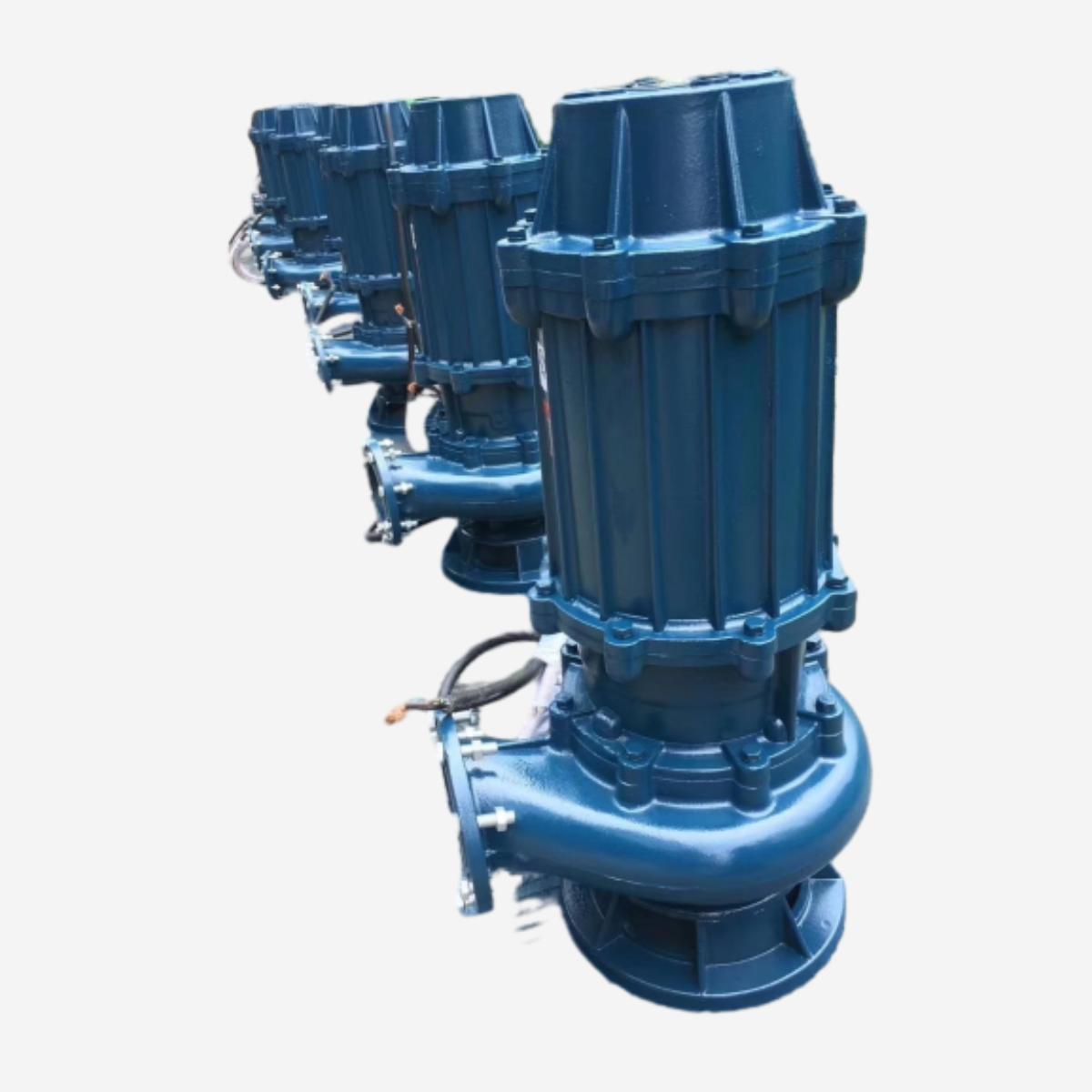
Introduction
High-head slurry pumps are critical components in numerous industrial processes, designed to efficiently transport abrasive and corrosive fluids over significant vertical distances. These pumps find widespread application in mining, mineral processing, heavy oil sands, dredging, and wastewater treatment, where handling high-solids content slurries is paramount. OEM (Original Equipment Manufacturer) designation signifies that the pump is built to specific, stringent quality standards and design parameters, offering superior reliability and performance compared to generic alternatives. The primary performance indicators for these pumps are head (vertical lift), flow rate, solids handling capability, and efficiency – a delicate balance achieved through optimized impeller design, casing geometry, and material selection. This guide provides an in-depth technical overview of high-head slurry pumps, encompassing material science, manufacturing processes, performance engineering, failure modes, and relevant industry standards, aimed at informing procurement decisions and operational best practices. Core pain points within the industry include premature wear of pump components due to abrasive slurries, energy inefficiency leading to high operational costs, and maintaining compliance with increasingly strict environmental regulations regarding leakage and discharge.
Material Science & Manufacturing
The construction of high-head slurry pumps necessitates materials resistant to both abrasion and corrosion. Pump casings are frequently manufactured from high-chrome cast iron (typically containing 15-30% chromium) which offers excellent wear resistance. Alternative materials include stainless steel (304, 316, duplex) for highly corrosive environments, and ceramic linings for extreme abrasive applications. Impellers, being the most vulnerable component to wear, are also commonly constructed from high-chrome cast iron, but may utilize advanced materials like tungsten carbide or ceramic inserts for extended service life. Shafts are typically forged from alloy steels (e.g., 4140, 4340) and undergo heat treatment to achieve high tensile strength and torsional rigidity. Seals are a critical area, often employing mechanical seals with faces made from silicon carbide or tungsten carbide, paired with elastomers compatible with the transported slurry.
Manufacturing processes vary based on component. Casings are typically produced using sand casting followed by precision machining to ensure dimensional accuracy and smooth flow paths. Impellers are often investment cast to achieve complex geometries and minimize material defects. Welding processes, such as shielded metal arc welding (SMAW) or gas tungsten arc welding (GTAW), are employed for joining components. Key parameter control during manufacturing includes maintaining tight tolerances on impeller clearances, ensuring proper weld quality (radiographic inspection is common), and achieving specified surface finishes to minimize friction losses. Heat treatment processes (quenching, tempering) are vital for optimizing the mechanical properties of critical components like shafts and impellers. Non-destructive testing (NDT) methods, including ultrasonic testing and liquid penetrant inspection, are employed to detect subsurface flaws and ensure structural integrity.

Performance & Engineering
The performance of a high-head slurry pump is governed by a complex interplay of hydraulic forces and fluid mechanics principles. Pump head is directly related to impeller diameter, rotational speed, and the fluid's specific gravity. Flow rate is influenced by impeller geometry, impeller speed, and the pump's internal clearances. The pump's power consumption is determined by the fluid's density, flow rate, and head, alongside the pump’s efficiency. Force analysis is critical to ensure the structural integrity of the pump, particularly the impeller and shaft, which are subjected to significant centrifugal and hydrodynamic loads. Environmental resistance is a key consideration, particularly in outdoor installations where pumps are exposed to temperature fluctuations, humidity, and potential corrosion.
Compliance requirements are stringent, often dictated by industry-specific regulations. For example, in mining operations, pumps must meet safety standards related to explosion-proof construction (ATEX, IECEx) and environmental protection (preventing spills and leaks). Hydraulic Institute (HI) standards provide performance testing protocols and acceptance criteria. The selection of appropriate materials and sealing systems is crucial for ensuring compliance with environmental regulations regarding effluent discharge. Proper pump alignment and foundation design are essential to minimize vibration and prevent premature bearing failure. Cavitation, a destructive phenomenon caused by vapor bubble collapse, must be avoided through proper net positive suction head (NPSH) calculations and pump operation within recommended flow ranges.
Technical Specifications
| Parameter | Unit | Typical Range (OEM High-Head Slurry Pump) | Material Options |
|---|---|---|---|
| Maximum Head | meters (m) | 50 – 300 | High-Chrome Iron, Stainless Steel |
| Flow Rate | cubic meters per hour (m³/hr) | 20 – 500 | High-Chrome Iron, Stainless Steel |
| Solids Handling Size | millimeters (mm) | 10 – 150 | High-Chrome Iron, Ceramic |
| Pump Efficiency | percent (%) | 65 – 85 | Optimized Impeller Design |
| Seal Type | - | Mechanical Seal, Packing | SiC/SiC, Tungsten Carbide |
| Power Range | kilowatts (kW) | 15 – 500 | Electric Motor, Diesel Engine |
Failure Mode & Maintenance
Common failure modes in high-head slurry pumps include abrasive wear of the impeller and casing, corrosion of pump components, seal failures, bearing failures, and shaft fatigue. Abrasive wear is the most prevalent issue, particularly when handling slurries containing hard particles. This results in gradual erosion of the impeller vanes and casing walls, reducing pump performance. Corrosion can occur due to the chemical composition of the slurry, leading to pitting and weakening of the pump materials. Seal failures are often caused by abrasive particles damaging the seal faces or incompatibility between the seal materials and the slurry. Bearing failures can arise from improper lubrication, excessive vibration, or overload conditions. Shaft fatigue can result from cyclic stress caused by hydraulic loads and misalignment.
Preventive maintenance is crucial for extending pump life and minimizing downtime. Regular inspection of pump components for wear and corrosion is essential. Lubrication schedules should be strictly adhered to, using appropriate lubricants compatible with the pump's operating environment. Pump alignment should be checked and corrected periodically. Filtration systems can be implemented to remove abrasive particles from the slurry before it enters the pump. Implementing a robust condition monitoring program, including vibration analysis and oil analysis, can provide early warning signs of potential failures. Replacement of worn components, such as impellers and seals, should be performed proactively to avoid catastrophic failures. When replacing parts, utilize OEM-approved components to guarantee compatibility and performance.
Industry FAQ
Q: What is the impact of slurry particle size distribution on pump selection and lifespan?
A: The particle size distribution directly affects the wear rate of pump components. Larger particles cause more severe abrasive wear, necessitating the use of harder materials (e.g., tungsten carbide) and potentially reducing pump lifespan. Pumps must be selected based on their maximum solids handling capability, ensuring they can effectively transport the largest particles in the slurry without clogging or excessive wear. Properly sized cyclones or hydrocyclones upstream of the pump can be used to remove oversized particles.
Q: How does the slurry’s specific gravity and viscosity affect pump performance?
A: Higher slurry specific gravity increases the load on the pump motor, requiring a larger motor to maintain the desired flow rate and head. Increased viscosity increases friction losses within the pump, reducing efficiency and potentially lowering flow rate. Pump curves must be adjusted to account for the slurry’s specific gravity and viscosity, and pump speed may need to be adjusted to compensate for changes in fluid properties.
Q: What are the key considerations for selecting a mechanical seal for abrasive slurries?
A: Mechanical seal selection for abrasive slurries requires careful consideration of the seal face materials, spring design, and flushing arrangement. Silicon carbide or tungsten carbide seal faces are commonly used due to their high hardness and wear resistance. Double mechanical seals with a barrier fluid system can provide enhanced protection against abrasive particles. A flushing system is essential to remove abrasive particles from the seal faces, preventing damage and leakage.
Q: What is NPSH and why is it critical for high-head slurry pump operation?
A: NPSH (Net Positive Suction Head) is the absolute pressure at the pump suction, minus the vapor pressure of the liquid. Insufficient NPSH can lead to cavitation, which damages the impeller and reduces pump performance. Maintaining adequate NPSH is crucial, particularly when pumping liquids with high vapor pressure or at high elevations. Proper pump installation, including adequate suction piping and minimizing suction lift, is essential for ensuring sufficient NPSH.
Q: How do different impeller designs (e.g., open, semi-open, closed) influence pump performance and suitability for various slurry types?
A: Open impellers are best suited for handling slurries with high solids content, as they are less prone to clogging. Semi-open impellers offer a compromise between solids handling capability and efficiency. Closed impellers provide the highest efficiency but are more susceptible to clogging and are best suited for slurries with low solids content. The impeller design must be carefully selected based on the slurry’s characteristics and the desired pump performance.
Conclusion
High-head slurry pumps represent a critical technology for industries dealing with abrasive and corrosive fluids. Effective operation and longevity are predicated on a thorough understanding of material science, manufacturing techniques, and hydraulic principles. Selecting the appropriate pump configuration, prioritizing preventive maintenance, and adhering to stringent industry standards are essential for minimizing downtime, optimizing efficiency, and ensuring safe operation.
Looking ahead, advancements in materials science, such as the development of new ceramic composites and wear-resistant alloys, will continue to improve pump performance and extend service life. The integration of digital technologies, including predictive maintenance algorithms and remote monitoring systems, will enable proactive identification of potential failures and further optimize pump operation. Continued focus on energy efficiency and environmental compliance will drive innovation in pump design and operation, contributing to a more sustainable and productive industrial landscape.
-
Precision at the Pump: How Better Machining Protects Flow and Uptime
News2026-11-20
-
Why Pump Reliability Begins Before the First Drop of Fluid
News2026-11-20
-
Beyond the Pump: Designing Safer Access Around Critical Water Infrastructure
News2026-11-20
-
Why Pumping Stations Depend on the Infrastructure Beneath the Pumps
News2026-11-20
-
Beyond the Pump Room: How Smarter Loading Protects Industrial Equipment
News2026-11-19
-
When Pumps Stop: Designing More Resilient Power for Critical Pumping Systems
News2026-11-19
-
The Hidden Role of Dust and Gas Monitoring in Reliable Pump Operations
News2026-11-19
-
The Hidden Role of Mineral Compounds in Extending Industrial Pump Lifespan
News2026-10-12
-
Why Pump System Reliability Depends on Precision Hose Assembly Methods
News2026-09-15
-
How Advanced Imaging Films Are Transforming Pump Component Quality Control
News2026-08-25
-
How Advanced Filtration Protects Pump Systems from Premature Wear and Costly Downtime
News2026-08-25
-
How Steel Material Selection Drives Pump Reliability in Heavy-Duty Systems
News2026-08-25
-
Ensuring Pump System Efficiency: The Role of High-Quality Pipe Fittings and Tubing
News2026-08-24
-
Optimizing Fluid Dynamics and Material Consistency in Industrial Processing
News2026-08-18
-
Innovations and Challenges in Hydraulic Systems for Heavy Machinery
News2026-08-13




