English
- Afrikaans
- Albanian
- Amharic
- Arabic
- Armenian
- Azerbaijani
- Basque
- Belarusian
- Bengali
- Bosnian
- Bulgarian
- Catalan
- Cebuano
- Corsican
- Croatian
- Czech
- Danish
- Dutch
- English
- Esperanto
- Estonian
- Finnish
- French
- Frisian
- Galician
- Georgian
- German
- Greek
- Gujarati
- Haitian Creole
- hausa
- hawaiian
- Hebrew
- Hindi
- Miao
- Hungarian
- Icelandic
- igbo
- Indonesian
- irish
- Italian
- Japanese
- Javanese
- Kannada
- kazakh
- Khmer
- Rwandese
- Korean
- Kurdish
- Kyrgyz
- Lao
- Latin
- Latvian
- Lithuanian
- Luxembourgish
- Macedonian
- Malgashi
- Malay
- Malayalam
- Maltese
- Maori
- Marathi
- Mongolian
- Myanmar
- Nepali
- Norwegian
- Norwegian
- Occitan
- Pashto
- Persian
- Polish
- Portuguese
- Punjabi
- Romanian
- Russian
- Samoan
- Scottish Gaelic
- Serbian
- Sesotho
- Shona
- Sindhi
- Sinhala
- Slovak
- Slovenian
- Somali
- Spanish
- Sundanese
- Swahili
- Swedish
- Tagalog
- Tajik
- Tamil
- Tatar
- Telugu
- Thai
- Turkish
- Turkmen
- Ukrainian
- Urdu
- Uighur
- Uzbek
- Vietnamese
- Welsh
- Bantu
- Yiddish
- Yoruba
- Zulu

Telephone: +86 13120555503
Email: frank@cypump.com


Apr . 01, 2024 17:55 Back to list
highquality ch warman slurry pump manufacturer Performance Analysis
Introduction
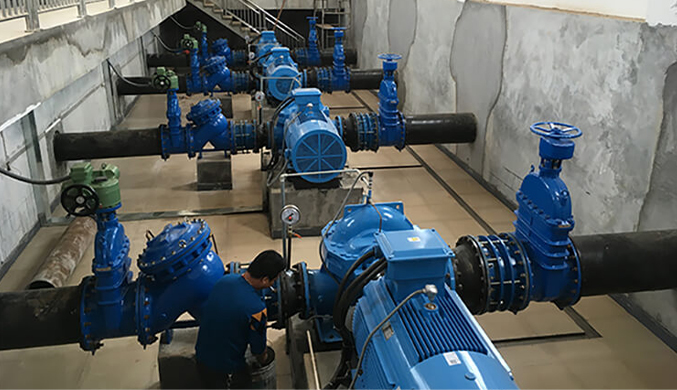
The CH Warman slurry pump, a horizontal, centrifugal pump, represents a cornerstone technology in the processing of abrasive and erosive materials across numerous industries. Positioned within the material handling chain, typically following initial extraction or processing, these pumps are crucial for transporting slurries – mixtures of liquids and solid particles – over varying distances and elevations. Core performance characteristics center around high head generation, substantial flow rates, and, crucially, extended service life in highly demanding applications. The industry faces ongoing challenges regarding pump component wear, energy efficiency, and maintaining consistent performance despite fluctuating slurry characteristics. High-quality manufacturers address these pain points through advanced materials selection, optimized impeller designs, and robust sealing systems. Understanding the intricacies of these pumps, from material composition to failure analysis, is vital for optimizing operational efficiency and minimizing lifecycle costs.
Material Science & Manufacturing
The construction of a high-quality CH Warman slurry pump hinges upon specific material choices and carefully controlled manufacturing processes. Pump casings are commonly constructed from high-chrome iron alloys (typically 27-30% chromium), offering exceptional resistance to abrasion and erosion. Impellers, subject to the highest impact forces, often utilize similar high-chrome alloys, or alternatively, specialized white iron alloys for extreme abrasive services. Shafts are typically forged from alloy steels (e.g., 4140 or 4340) offering high tensile strength and fatigue resistance. Liners, protecting the casing from slurry impact, can be rubber (natural or synthetic) or polyurethane, tailored to specific chemical compatibility requirements. Manufacturing processes begin with precision casting for the casing and impeller. Impellers undergo extensive machining and balancing to ensure optimal hydrodynamic performance. Casings are typically manufactured utilizing sand casting, followed by heat treatment to optimize hardness and ductility. Welding, a critical process, requires qualified welders employing specialized techniques (e.g., shielded metal arc welding - SMAW, or submerged arc welding – SAW) to ensure weld integrity and minimize the risk of stress corrosion cracking. Parameter control during casting (cooling rates, mold materials) and welding (heat input, shielding gas composition) is paramount to achieving the desired microstructure and mechanical properties.
Performance & Engineering
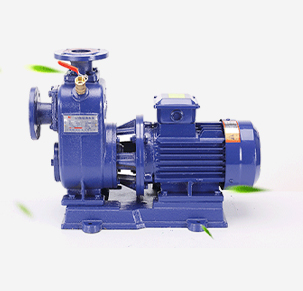
The performance of a CH Warman slurry pump is dictated by several key engineering principles. Force analysis reveals that the impeller is subjected to both centrifugal force from the slurry and impact forces from the solid particles. These forces necessitate robust impeller design and materials selection. Cavitation, a significant concern, arises when the absolute pressure within the pump drops below the vapor pressure of the slurry, forming vapor bubbles that collapse, causing pitting and erosion. Net Positive Suction Head Required (NPSHr) is a critical parameter, dictating the minimum suction pressure needed to prevent cavitation. Environmental resistance is addressed through appropriate material selection for the specific slurry chemistry. Acidic slurries require acid-resistant alloys or protective coatings. Abrasive slurries necessitate wear-resistant materials. Compliance requirements, such as those outlined by the Hydraulic Institute (HI) standards for pump performance testing, are essential for ensuring accurate pump sizing and efficient operation. Furthermore, consideration must be given to motor coupling alignment to prevent excessive bearing wear and vibration. Pump efficiency is greatly influenced by impeller geometry, casing design, and internal clearances, with high-quality manufacturers employing computational fluid dynamics (CFD) analysis to optimize these parameters.
Technical Specifications
| Parameter | Unit | Typical Range (8x6 CH Warman) | Material Specification |
|---|---|---|---|
| Flow Rate | m³/h | 100 - 400 | ASTM A532 Grade 1 Class 30 |
| Head | m | 20 - 60 | High Chrome Iron (27-30% Cr) |
| Impeller Diameter | mm | 300-450 | White Iron Alloy (for extreme abrasion) |
| Maximum Solids Size | mm | Up to 75 | Rubber/Polyurethane Liner (chemical resistance varies) |
| Motor Power | kW | 15 - 75 | IE3 Efficiency Class |
| Maximum Slurry Specific Gravity | - | 1.5 | Alloy Steel (4140/4340) - Shaft |
Failure Mode & Maintenance
CH Warman slurry pumps are susceptible to various failure modes. Fatigue cracking in the impeller and shaft is common, particularly under cyclical loading conditions. Erosion and abrasion, stemming from the impact of solid particles, lead to gradual material loss in the impeller, casing, and liners. Chemical attack, resulting from corrosive slurries, causes pitting and weakening of metallic components. Mechanical seal failures, often due to abrasive wear or improper installation, lead to leakage. Bearing failures, typically caused by improper lubrication, misalignment, or excessive loading, result in increased vibration and eventual pump shutdown. Preventive maintenance is crucial. Regular inspections should include visual checks for wear, vibration analysis, and seal leakage monitoring. Liners should be replaced when worn beyond acceptable limits. Impeller and casing should be inspected for erosion and cracking. Lubrication schedules should be strictly adhered to. Promptly addressing minor issues, such as seal leaks or bearing noise, can prevent catastrophic failures and extend pump life. Regular performance monitoring (flow rate, head, power consumption) can identify early signs of degradation and allow for proactive maintenance interventions.
Industry FAQ
Q: What is the optimal liner material for handling a highly abrasive slurry containing silica?
A: For silica-laden slurries, a high-chrome iron liner is typically recommended due to its excellent abrasion resistance. While rubber liners offer good abrasion resistance for coarser particles, silica’s hardness can cause rapid wear in rubber. Consider a ceramic liner for even more extreme abrasion resistance but factor in increased cost.
Q: How do I mitigate the risk of cavitation in a suction lift application?
A: Ensure adequate Net Positive Suction Head Available (NPSHa) exceeds the Net Positive Suction Head Required (NPSHr) by a significant margin (at least 0.5-1 meter). Reduce suction lift by lowering the pump or raising the slurry level. Minimize suction line losses by using larger diameter piping and minimizing bends.
Q: What is the expected service life of a high-chrome iron impeller in a moderately abrasive slurry?
A: The service life varies significantly depending on slurry characteristics (particle size, shape, concentration) and operating conditions. However, a well-maintained high-chrome impeller can typically operate for 12-24 months in a moderately abrasive application before requiring replacement or refurbishment.
Q: How often should the mechanical seal be inspected and replaced?
A: Mechanical seals should be inspected every 6 months, or more frequently in highly abrasive or corrosive applications. Replacement is typically recommended when visible wear is detected, leakage occurs, or performance degrades. Proper seal flushing is crucial for longevity.
Q: What are the advantages of using variable frequency drives (VFDs) with CH Warman slurry pumps?
A: VFDs offer significant energy savings by allowing the pump speed to be adjusted to match the actual flow requirements. They also reduce mechanical stress on the pump and piping system, extending component life. VFDs enable soft starting and stopping, minimizing water hammer effects.
Conclusion
The CH Warman slurry pump remains a vital component in countless industrial processes requiring robust and reliable slurry handling. Successful implementation and long-term operation rely on a thorough understanding of material science, manufacturing techniques, and operational principles. Selecting the appropriate materials and configuring the pump for the specific slurry characteristics are paramount to maximizing efficiency and minimizing downtime.
Continued advancements in impeller design, sealing technology, and predictive maintenance strategies are driving improvements in pump performance and lifecycle cost. Adopting these innovations, alongside strict adherence to industry standards and best practices, will ensure the continued effectiveness of CH Warman slurry pumps in demanding industrial environments.
-
Precision at the Pump: How Better Machining Protects Flow and Uptime
News2026-11-20
-
Why Pump Reliability Begins Before the First Drop of Fluid
News2026-11-20
-
Beyond the Pump: Designing Safer Access Around Critical Water Infrastructure
News2026-11-20
-
Why Pumping Stations Depend on the Infrastructure Beneath the Pumps
News2026-11-20
-
Beyond the Pump Room: How Smarter Loading Protects Industrial Equipment
News2026-11-19
-
When Pumps Stop: Designing More Resilient Power for Critical Pumping Systems
News2026-11-19
-
The Hidden Role of Dust and Gas Monitoring in Reliable Pump Operations
News2026-11-19
-
The Hidden Role of Mineral Compounds in Extending Industrial Pump Lifespan
News2026-10-12
-
Why Pump System Reliability Depends on Precision Hose Assembly Methods
News2026-09-15
-
How Advanced Imaging Films Are Transforming Pump Component Quality Control
News2026-08-25
-
How Advanced Filtration Protects Pump Systems from Premature Wear and Costly Downtime
News2026-08-25
-
How Steel Material Selection Drives Pump Reliability in Heavy-Duty Systems
News2026-08-25
-
Ensuring Pump System Efficiency: The Role of High-Quality Pipe Fittings and Tubing
News2026-08-24
-
Optimizing Fluid Dynamics and Material Consistency in Industrial Processing
News2026-08-18
-
Innovations and Challenges in Hydraulic Systems for Heavy Machinery
News2026-08-13




