English
- Afrikaans
- Albanian
- Amharic
- Arabic
- Armenian
- Azerbaijani
- Basque
- Belarusian
- Bengali
- Bosnian
- Bulgarian
- Catalan
- Cebuano
- Corsican
- Croatian
- Czech
- Danish
- Dutch
- English
- Esperanto
- Estonian
- Finnish
- French
- Frisian
- Galician
- Georgian
- German
- Greek
- Gujarati
- Haitian Creole
- hausa
- hawaiian
- Hebrew
- Hindi
- Miao
- Hungarian
- Icelandic
- igbo
- Indonesian
- irish
- Italian
- Japanese
- Javanese
- Kannada
- kazakh
- Khmer
- Rwandese
- Korean
- Kurdish
- Kyrgyz
- Lao
- Latin
- Latvian
- Lithuanian
- Luxembourgish
- Macedonian
- Malgashi
- Malay
- Malayalam
- Maltese
- Maori
- Marathi
- Mongolian
- Myanmar
- Nepali
- Norwegian
- Norwegian
- Occitan
- Pashto
- Persian
- Polish
- Portuguese
- Punjabi
- Romanian
- Russian
- Samoan
- Scottish Gaelic
- Serbian
- Sesotho
- Shona
- Sindhi
- Sinhala
- Slovak
- Slovenian
- Somali
- Spanish
- Sundanese
- Swahili
- Swedish
- Tagalog
- Tajik
- Tamil
- Tatar
- Telugu
- Thai
- Turkish
- Turkmen
- Ukrainian
- Urdu
- Uighur
- Uzbek
- Vietnamese
- Welsh
- Bantu
- Yiddish
- Yoruba
- Zulu

Telephone: +86 13120555503
Email: frank@cypump.com


Apr . 01, 2024 17:55 Back to list
Highpressure pump solutions for detergent slurry production Performance Engineering
Introduction
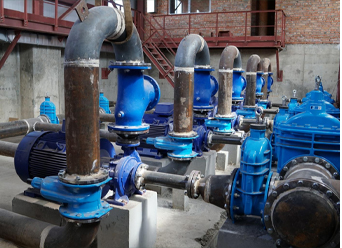
High-pressure pump solutions for detergent slurry production represent a critical component in the formulation and manufacturing of modern cleaning agents. These pumps are responsible for efficiently transferring and pressurizing detergent slurries – complex mixtures of surfactants, builders, enzymes, and often abrasive particulate matter – throughout the production process. Their technical position within the industry chain falls between raw material sourcing and final product packaging, dictating process efficiency and product consistency. Core performance characteristics include volumetric flow rate, discharge pressure, slurry handling capability (particle size and concentration), and material compatibility to prevent corrosion and contamination. The effective selection and maintenance of these pumps are essential for maintaining production uptime, ensuring product quality, and minimizing operational costs in a highly competitive market. Industries reliant on this technology include household cleaning product manufacturers, industrial and institutional cleaning chemical producers, and specialized detergent formulators.
Material Science & Manufacturing
The construction of high-pressure pumps for detergent slurry necessitates careful material selection. Pump housings are frequently fabricated from 316L stainless steel due to its superior resistance to chlorides and alkaline chemicals commonly found in detergent formulations. However, for particularly aggressive formulations, duplex stainless steels (e.g., 2205) or nickel-based alloys (e.g., Hastelloy C-276) may be required. Wetted parts – pistons, seals, valve seats – are often manufactured from ultra-high molecular weight polyethylene (UHMWPE), polytetrafluoroethylene (PTFE), or ceramic materials like silicon carbide (SiC) due to their excellent chemical inertness, abrasion resistance, and low friction coefficients. Manufacturing processes vary depending on pump type. For positive displacement pumps (e.g., plunger, diaphragm), precision machining and grinding are critical for achieving tight tolerances and smooth surface finishes to minimize leakage and maximize volumetric efficiency. Centrifugal pumps require precise impeller balancing and casing dimensional accuracy. Welding processes, when employed, must be conducted using techniques like Gas Tungsten Arc Welding (GTAW) to ensure full penetration and minimize porosity, particularly in corrosion-resistant alloys. Key parameter control focuses on maintaining material hardness (through heat treatment), surface roughness (Ra < 0.8µm for wetted parts), and dimensional accuracy (within ±0.025mm for critical components). Seals are a particularly important area; double mechanical seals with a barrier fluid are often used to prevent leakage and protect the pump from abrasive slurry ingress. The slurry’s pH, temperature, and solids content dictate the necessary seal material and barrier fluid selection.
Performance & Engineering
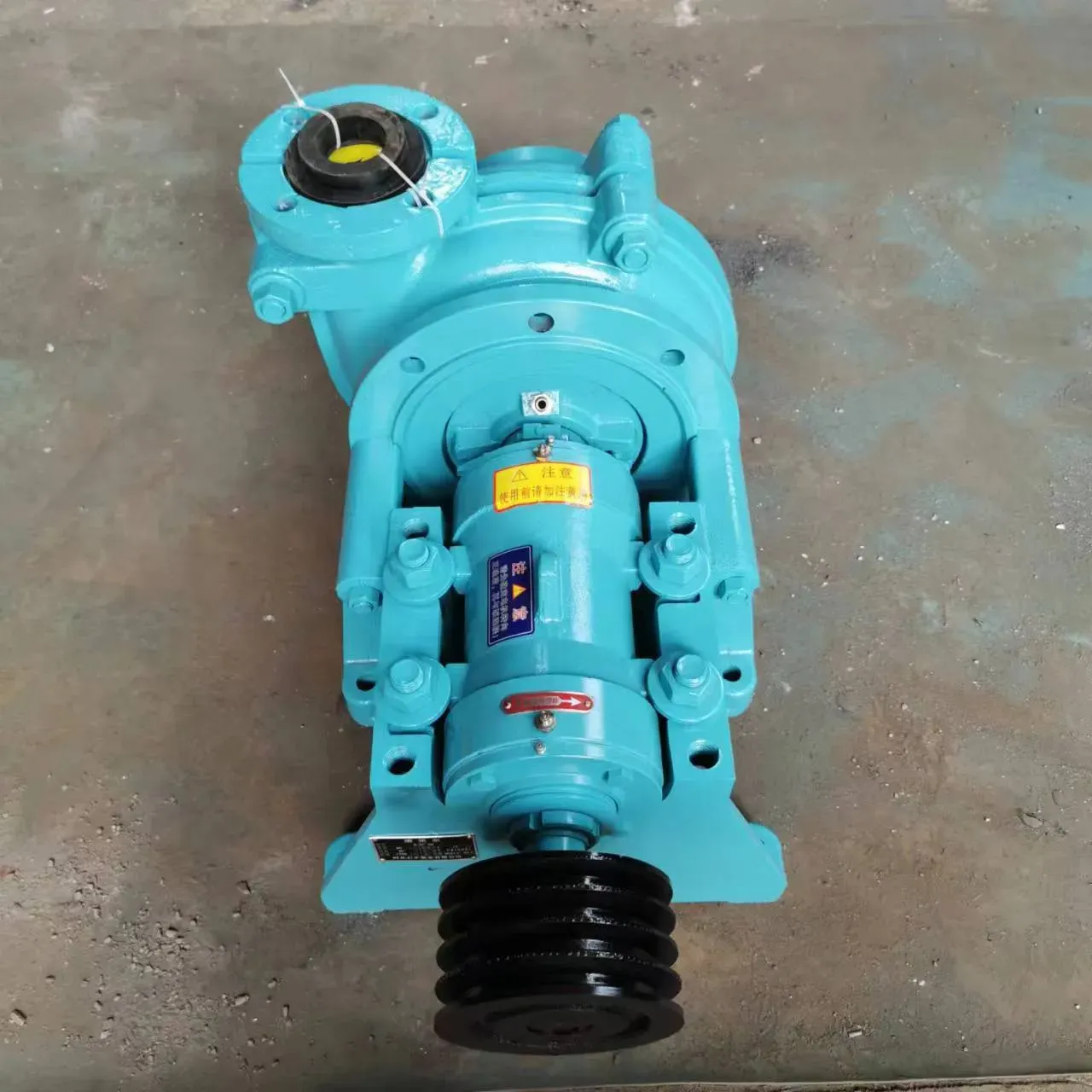
Performance of high-pressure pumps handling detergent slurries is heavily influenced by fluid dynamics and mechanical stress. Force analysis focuses on hydrostatic and hydrodynamic pressures acting on pump components. High discharge pressures (often exceeding 200 bar for concentrated detergents) induce significant stress on the pump housing, pistons, and valve assemblies. Finite Element Analysis (FEA) is routinely employed to optimize component geometry and minimize stress concentrations, preventing fatigue failure. Environmental resistance is critical; exposure to corrosive detergents, temperature fluctuations, and potential humidity can accelerate material degradation. Pump design must incorporate appropriate corrosion allowances and materials. Compliance requirements include adherence to safety standards (e.g., pressure vessel directives), environmental regulations (regarding emissions and waste disposal), and potentially FDA guidelines if the detergents are used in food processing applications. Functional implementation requires careful consideration of Net Positive Suction Head (NPSH) to prevent cavitation, which can severely damage pump components. Slurry viscosity and particle size distribution significantly impact pump performance; higher viscosity slurries require larger motor horsepower and may necessitate modifications to pump geometry to reduce shear stress. Pump selection considers not only the required flow rate and pressure but also the slurry's characteristics and the operating environment.
Technical Specifications
| Parameter | Diaphragm Pump | Plunger Pump | Centrifugal Pump |
|---|---|---|---|
| Maximum Discharge Pressure (bar) | 150 | 350 | 100 |
| Flow Rate Range (L/min) | 20-200 | 10-100 | 100-500 |
| Maximum Solids Handling (mm) | 6 | 3 | 2 |
| Materials of Construction (Wetted Parts) | PP, PTFE, PVDF | SS316L, Ceramic | SS316L, Alloy 20 |
| Pump Efficiency (%) | 50-60 | 65-75 | 70-85 |
| Typical Applications | Low-abrasive slurries, metering | High-pressure applications, precise dosing | High-flow applications, low-viscosity slurries |
Failure Mode & Maintenance
Failure modes in high-pressure pumps handling detergent slurries are diverse. Fatigue cracking in the pump housing or valve components can occur due to cyclic stress from high pressures. Delamination of coatings on wetted parts reduces corrosion resistance and increases abrasive wear. Chemical degradation of seals and elastomers leads to leakage and reduced pump efficiency. Oxidation of metallic components compromises material integrity. Abrasive wear, caused by solid particles in the slurry, is a prevalent failure mechanism, particularly affecting pistons, valve seats, and pump casings. Cavitation, resulting from insufficient NPSH, causes pitting and erosion of pump components. Maintenance solutions include regular inspection of seals and elastomers, replacement of worn components based on a preventive maintenance schedule, lubrication of moving parts with compatible lubricants, and periodic cleaning of the pump housing to remove accumulated detergent residue. Vibration analysis can detect bearing wear and misalignment. Regular monitoring of discharge pressure and flow rate provides early warning signs of pump degradation. For diaphragm pumps, diaphragm rupture is a common failure and requires prompt replacement. Proper slurry filtration prior to pumping minimizes abrasive wear. Material upgrades (e.g., ceramic pistons) can extend pump lifespan in highly abrasive applications.
Industry FAQ
Q: What is the impact of slurry viscosity on pump selection?
A: Higher viscosity slurries require pumps capable of generating greater torque and overcoming increased fluid resistance. Positive displacement pumps, like plunger or diaphragm pumps, are generally preferred for viscous slurries, as they maintain consistent flow rates regardless of viscosity changes. Centrifugal pumps become less efficient with increasing viscosity and may require a larger impeller and higher motor horsepower.
Q: How do I prevent cavitation in a detergent slurry pumping system?
A: Cavitation is typically prevented by ensuring adequate Net Positive Suction Head (NPSH). This involves minimizing suction line losses (e.g., using larger diameter pipes, reducing the number of bends), maximizing the liquid level in the supply tank, and operating the pump at a suitable speed. Monitoring the suction pressure is also crucial.
Q: What materials are best suited for seals in contact with highly alkaline detergent slurries?
A: For highly alkaline slurries, PTFE (Teflon) and Viton are commonly used seal materials due to their excellent chemical resistance. However, Viton can degrade over time with prolonged exposure to strong bases. FFKM (Kalrez) offers superior resistance to a wider range of chemicals, including highly alkaline detergents, but is more expensive. Double mechanical seals with a barrier fluid are often employed for critical applications.
Q: What are the key considerations for selecting a pump for a slurry containing abrasive particles?
A: The primary consideration is abrasion resistance. Pumps with hardened components (e.g., ceramic pistons, stainless steel liners) are essential. Minimizing flow velocity reduces the erosive effect of the particles. Slurry filtration prior to pumping is highly recommended. Regular inspection and replacement of worn components are crucial for maintaining pump performance.
Q: How does temperature affect pump performance and material selection?
A: Increased temperature generally reduces fluid viscosity, potentially increasing flow rate but also increasing the risk of seal failure due to thermal expansion and decreased material strength. Material selection must account for the operating temperature range; higher temperatures may require materials with higher temperature resistance and lower thermal expansion coefficients. Ensure that the pump’s lubricant is compatible with the operating temperature.
Conclusion
The selection and operation of high-pressure pump solutions for detergent slurry production are multifaceted engineering challenges. Understanding the interplay between material science, fluid dynamics, and operational parameters is paramount to achieving reliable and efficient performance. Careful consideration must be given to the specific characteristics of the detergent slurry – its viscosity, particle content, pH, and temperature – as these factors directly influence pump selection, material compatibility, and maintenance requirements.
Future advancements in pump technology will likely focus on developing more abrasion-resistant materials, optimizing pump designs for reduced energy consumption, and incorporating intelligent monitoring systems for predictive maintenance. A proactive approach to pump maintenance, coupled with a thorough understanding of the underlying engineering principles, is essential for maximizing pump lifespan and minimizing downtime in detergent manufacturing facilities.
-
Precision at the Pump: How Better Machining Protects Flow and Uptime
News2026-11-20
-
Why Pump Reliability Begins Before the First Drop of Fluid
News2026-11-20
-
Beyond the Pump: Designing Safer Access Around Critical Water Infrastructure
News2026-11-20
-
Why Pumping Stations Depend on the Infrastructure Beneath the Pumps
News2026-11-20
-
Beyond the Pump Room: How Smarter Loading Protects Industrial Equipment
News2026-11-19
-
When Pumps Stop: Designing More Resilient Power for Critical Pumping Systems
News2026-11-19
-
The Hidden Role of Dust and Gas Monitoring in Reliable Pump Operations
News2026-11-19
-
The Hidden Role of Mineral Compounds in Extending Industrial Pump Lifespan
News2026-10-12
-
Why Pump System Reliability Depends on Precision Hose Assembly Methods
News2026-09-15
-
How Advanced Imaging Films Are Transforming Pump Component Quality Control
News2026-08-25
-
How Advanced Filtration Protects Pump Systems from Premature Wear and Costly Downtime
News2026-08-25
-
How Steel Material Selection Drives Pump Reliability in Heavy-Duty Systems
News2026-08-25
-
Ensuring Pump System Efficiency: The Role of High-Quality Pipe Fittings and Tubing
News2026-08-24
-
Optimizing Fluid Dynamics and Material Consistency in Industrial Processing
News2026-08-18
-
Innovations and Challenges in Hydraulic Systems for Heavy Machinery
News2026-08-13




