English
- Afrikaans
- Albanian
- Amharic
- Arabic
- Armenian
- Azerbaijani
- Basque
- Belarusian
- Bengali
- Bosnian
- Bulgarian
- Catalan
- Cebuano
- Corsican
- Croatian
- Czech
- Danish
- Dutch
- English
- Esperanto
- Estonian
- Finnish
- French
- Frisian
- Galician
- Georgian
- German
- Greek
- Gujarati
- Haitian Creole
- hausa
- hawaiian
- Hebrew
- Hindi
- Miao
- Hungarian
- Icelandic
- igbo
- Indonesian
- irish
- Italian
- Japanese
- Javanese
- Kannada
- kazakh
- Khmer
- Rwandese
- Korean
- Kurdish
- Kyrgyz
- Lao
- Latin
- Latvian
- Lithuanian
- Luxembourgish
- Macedonian
- Malgashi
- Malay
- Malayalam
- Maltese
- Maori
- Marathi
- Mongolian
- Myanmar
- Nepali
- Norwegian
- Norwegian
- Occitan
- Pashto
- Persian
- Polish
- Portuguese
- Punjabi
- Romanian
- Russian
- Samoan
- Scottish Gaelic
- Serbian
- Sesotho
- Shona
- Sindhi
- Sinhala
- Slovak
- Slovenian
- Somali
- Spanish
- Sundanese
- Swahili
- Swedish
- Tagalog
- Tajik
- Tamil
- Tatar
- Telugu
- Thai
- Turkish
- Turkmen
- Ukrainian
- Urdu
- Uighur
- Uzbek
- Vietnamese
- Welsh
- Bantu
- Yiddish
- Yoruba
- Zulu

Telephone: +86 13120555503
Email: frank@cypump.com


Apr . 01, 2024 17:55 Back to list
Highcapacity Sludge Water Pump increase efficiency with highcapacity sludge water pump for Wastewate
Introduction
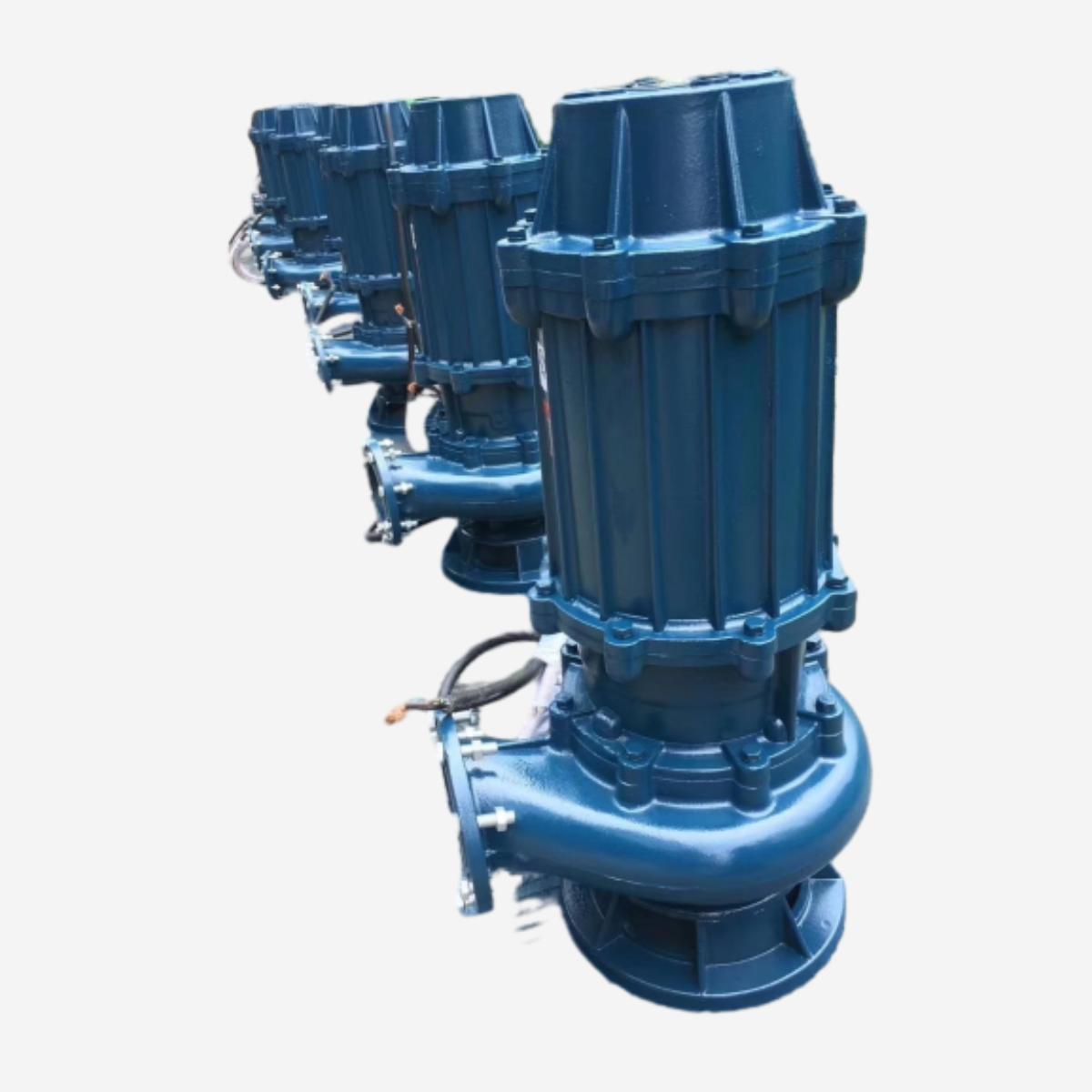
High-capacity sludge water pumps are critical components in wastewater treatment plants, industrial effluent management, and mining operations. These pumps are specifically designed to handle highly abrasive and viscous fluids containing solid particulate matter, commonly referred to as sludge. Their efficiency directly impacts operational costs associated with energy consumption, maintenance frequency, and overall system reliability. This technical guide provides an in-depth examination of these pumps, encompassing material science, manufacturing processes, performance characteristics, failure modes, and relevant industry standards. The core challenge in sludge pump applications lies in balancing hydraulic performance with resistance to abrasion, corrosion, and clogging, leading to a complex engineering design space. Achieving increased efficiency necessitates a comprehensive understanding of these factors and selection of appropriate pump technology for specific sludge characteristics. The focus here will be on positive displacement pumps, specifically progressing cavity pumps and diaphragm pumps, as these generally offer superior efficiency and reliability in sludge handling applications when compared to centrifugal pumps.
Material Science & Manufacturing
The construction of high-capacity sludge water pumps necessitates careful material selection to withstand the corrosive nature of wastewater and the abrasive effects of suspended solids. Pump casings are commonly manufactured from ductile iron (ASTM A536 Grade 65-45-12) due to its high tensile strength, impact resistance, and cost-effectiveness. However, for highly corrosive environments, stainless steel alloys (316L – ASTM A240) or specialized polymer coatings (epoxy or polyurethane) are employed. Impellers and rotors, particularly in progressing cavity pumps, require even more robust materials. Hardened tool steels (e.g., 4140, quenched and tempered) are frequently used, often with surface treatments like tungsten carbide coating to enhance wear resistance. Diaphragm pumps utilize flexible diaphragms made from elastomers such as nitrile rubber (NBR), ethylene propylene diene monomer (EPDM) rubber, or polytetrafluoroethylene (PTFE), selected based on chemical compatibility with the pumped sludge. Manufacturing processes vary depending on component complexity. Casings are typically produced via sand casting or investment casting, followed by machining and quality control. Rotors are manufactured using precision CNC machining and grinding to ensure tight tolerances and optimal performance. Diaphragms are molded using compression or injection molding techniques. Key parameter control during manufacturing includes dimensional accuracy, surface finish, and material hardness. Regular non-destructive testing (NDT), such as liquid penetrant inspection and ultrasonic testing, is essential to detect any flaws in castings or welds.
Performance & Engineering
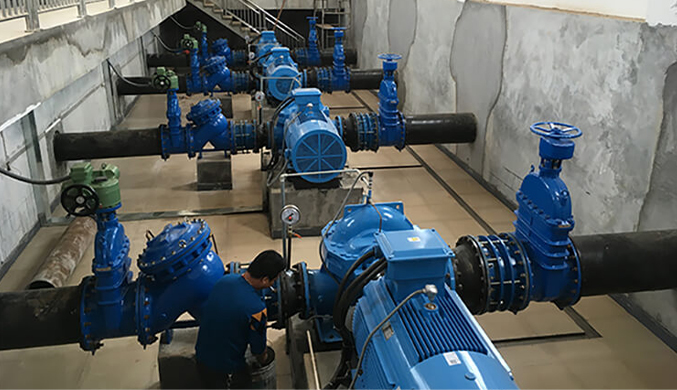
The performance of a sludge water pump is characterized by its flow rate, differential head, and overall efficiency. Flow rate is determined by pump displacement and rotational speed (for positive displacement pumps). Differential head, or pressure, must overcome static head, friction losses in piping, and the specific gravity of the sludge. Engineering considerations focus on optimizing pump geometry and minimizing hydraulic losses. Force analysis is crucial to ensure structural integrity, especially in high-pressure applications. Finite Element Analysis (FEA) is commonly employed to assess stress distribution within the pump casing and rotor. Environmental resistance is a significant factor, particularly in outdoor installations. Pumps must be protected against corrosion, temperature extremes, and UV degradation. Compliance with industry standards, such as those set by the Hydraulic Institute (HI) and the American Society of Mechanical Engineers (ASME), is essential. For progressing cavity pumps, maintaining tight clearances between the rotor and stator is critical for achieving optimal volumetric efficiency. Wear of these components reduces efficiency and increases slippage. Diaphragm pumps rely on the integrity of the diaphragms and the efficiency of the air valve system to maintain consistent flow and pressure. The selection of the pump type depends on sludge characteristics, including solids content, particle size, viscosity, and chemical composition. Understanding the rheological properties of the sludge is essential for accurate pump sizing and performance prediction.
Technical Specifications
| Parameter | Progressing Cavity Pump | Diaphragm Pump (Air-Operated) | Diaphragm Pump (Electric-Operated) |
|---|---|---|---|
| Maximum Flow Rate (m³/hr) | 0.5 - 150 | 0.1 - 40 | 0.1 - 60 |
| Maximum Discharge Pressure (bar) | 16 - 40 | 0.5 - 8 | 0.5 - 10 |
| Solids Handling Capability (mm) | Up to 75 | Up to 50 | Up to 50 |
| Viscosity Range (cP) | 1 - 100,000 | 1 - 50,000 | 1 - 30,000 |
| Pump Efficiency (%) | 60 – 80 | 40 – 60 | 50-70 |
| Material (Casing) | Ductile Iron, Stainless Steel | Polypropylene, Aluminum, Stainless Steel | Polypropylene, Aluminum, Stainless Steel |
Failure Mode & Maintenance
Common failure modes in high-capacity sludge water pumps include abrasive wear of the rotor and stator in progressing cavity pumps, diaphragm rupture or degradation in diaphragm pumps, and bearing failure. Abrasive wear is accelerated by the presence of hard particulate matter in the sludge. Fatigue cracking can occur in the pump casing due to cyclic loading. Corrosion can lead to pitting and erosion of metallic components. Clogging of the pump can occur if the sludge contains large solids or stringy materials. Delamination of coatings can reduce corrosion resistance. Oxidation of elastomers can lead to embrittlement and failure of diaphragms. Preventive maintenance is crucial for maximizing pump life and minimizing downtime. This includes regular inspection of wearing parts, lubrication of bearings, and replacement of diaphragms at recommended intervals. Monitoring pump performance parameters, such as flow rate and pressure, can help detect early signs of wear or clogging. For progressing cavity pumps, stator life can be extended by using wear-resistant coatings and optimizing pump speed. Diaphragm pump maintenance involves regular inspection of diaphragms for cracks or punctures and replacement as needed. Proper strainer selection and maintenance are essential to prevent clogging. Regular flushing of the pump and piping system can remove accumulated solids.
Industry FAQ
Q: What is the impact of sludge viscosity on pump selection and performance?
A: Sludge viscosity significantly impacts pump performance. Higher viscosity requires pumps capable of generating higher suction lift and overcoming increased frictional losses. Progressing cavity pumps generally handle higher viscosity sludges more efficiently than diaphragm pumps. Accurate viscosity measurement and consideration are critical for proper pump sizing; underestimating viscosity can lead to reduced flow rates and increased energy consumption.
Q: How does the solids content of the sludge affect pump wear and maintenance?
A: Higher solids content directly correlates with increased abrasive wear on pump components, especially the rotor and stator in progressing cavity pumps and the diaphragms in diaphragm pumps. This necessitates more frequent inspection and replacement of wearing parts, increasing maintenance costs. Implementing upstream screening or pre-treatment processes to reduce solids content can significantly extend pump life.
Q: What are the key considerations for selecting pump materials for corrosive sludge?
A: Material selection must prioritize chemical resistance to the specific constituents of the sludge. Stainless steel alloys (316L, duplex stainless steel) and specialized polymer coatings (epoxy, polyurethane, PTFE) are commonly used in corrosive environments. Compatibility charts should be consulted to ensure the selected materials are resistant to the chemicals present in the sludge.
Q: How can I minimize clogging in a high-capacity sludge water pump?
A: Minimizing clogging requires a combination of strategies. Proper strainer selection and regular cleaning are essential. Optimizing pump speed and flow rate can prevent the accumulation of solids. In some cases, incorporating a sludge conditioning system to break down large solids or stringy materials may be necessary. Ensuring proper piping design with minimal bends and obstructions also helps to reduce clogging.
Q: What are the energy efficiency considerations when choosing a sludge water pump?
A: Pump efficiency is a major factor influencing energy consumption. Progressing cavity pumps generally offer higher efficiency for high-viscosity sludges, while diaphragm pumps can be more efficient for low-viscosity applications. Variable Frequency Drives (VFDs) allow for precise control of pump speed, optimizing energy consumption based on actual flow requirements. Regularly monitoring pump performance and identifying any signs of wear or degradation can help maintain optimal efficiency.
Conclusion
The selection and operation of high-capacity sludge water pumps demand a comprehensive understanding of fluid dynamics, material science, and industry best practices. Optimizing pump efficiency hinges on accurate assessment of sludge characteristics – viscosity, solids content, chemical composition – and aligning these with the appropriate pump technology. Progressing cavity and diaphragm pumps represent the dominant solutions, each with distinct advantages and limitations. Implementing robust preventative maintenance programs, including regular inspection of wearing parts and performance monitoring, is crucial for maximizing pump lifespan and minimizing operational costs.
Looking ahead, advancements in pump design, materials, and control systems will continue to drive improvements in efficiency and reliability. The integration of smart sensors and data analytics will enable predictive maintenance and optimized pump operation. Furthermore, the development of more durable and corrosion-resistant materials will extend pump life and reduce the environmental impact of sludge handling operations. Careful consideration of lifecycle costs, including energy consumption, maintenance, and replacement, is paramount when making pump selection decisions.
-
Precision at the Pump: How Better Machining Protects Flow and Uptime
News2026-11-20
-
Why Pump Reliability Begins Before the First Drop of Fluid
News2026-11-20
-
Beyond the Pump: Designing Safer Access Around Critical Water Infrastructure
News2026-11-20
-
Why Pumping Stations Depend on the Infrastructure Beneath the Pumps
News2026-11-20
-
Beyond the Pump Room: How Smarter Loading Protects Industrial Equipment
News2026-11-19
-
When Pumps Stop: Designing More Resilient Power for Critical Pumping Systems
News2026-11-19
-
The Hidden Role of Dust and Gas Monitoring in Reliable Pump Operations
News2026-11-19
-
The Hidden Role of Mineral Compounds in Extending Industrial Pump Lifespan
News2026-10-12
-
Why Pump System Reliability Depends on Precision Hose Assembly Methods
News2026-09-15
-
How Advanced Imaging Films Are Transforming Pump Component Quality Control
News2026-08-25
-
How Advanced Filtration Protects Pump Systems from Premature Wear and Costly Downtime
News2026-08-25
-
How Steel Material Selection Drives Pump Reliability in Heavy-Duty Systems
News2026-08-25
-
Ensuring Pump System Efficiency: The Role of High-Quality Pipe Fittings and Tubing
News2026-08-24
-
Optimizing Fluid Dynamics and Material Consistency in Industrial Processing
News2026-08-18
-
Innovations and Challenges in Hydraulic Systems for Heavy Machinery
News2026-08-13




