English
- Afrikaans
- Albanian
- Amharic
- Arabic
- Armenian
- Azerbaijani
- Basque
- Belarusian
- Bengali
- Bosnian
- Bulgarian
- Catalan
- Cebuano
- Corsican
- Croatian
- Czech
- Danish
- Dutch
- English
- Esperanto
- Estonian
- Finnish
- French
- Frisian
- Galician
- Georgian
- German
- Greek
- Gujarati
- Haitian Creole
- hausa
- hawaiian
- Hebrew
- Hindi
- Miao
- Hungarian
- Icelandic
- igbo
- Indonesian
- irish
- Italian
- Japanese
- Javanese
- Kannada
- kazakh
- Khmer
- Rwandese
- Korean
- Kurdish
- Kyrgyz
- Lao
- Latin
- Latvian
- Lithuanian
- Luxembourgish
- Macedonian
- Malgashi
- Malay
- Malayalam
- Maltese
- Maori
- Marathi
- Mongolian
- Myanmar
- Nepali
- Norwegian
- Norwegian
- Occitan
- Pashto
- Persian
- Polish
- Portuguese
- Punjabi
- Romanian
- Russian
- Samoan
- Scottish Gaelic
- Serbian
- Sesotho
- Shona
- Sindhi
- Sinhala
- Slovak
- Slovenian
- Somali
- Spanish
- Sundanese
- Swahili
- Swedish
- Tagalog
- Tajik
- Tamil
- Tatar
- Telugu
- Thai
- Turkish
- Turkmen
- Ukrainian
- Urdu
- Uighur
- Uzbek
- Vietnamese
- Welsh
- Bantu
- Yiddish
- Yoruba
- Zulu

Telephone: +86 13120555503
Email: frank@cypump.com


Apr . 01, 2024 17:55 Back to list
High quality rubber parts for vertical slurry sump pump with superior abrasion resistance
Introduction
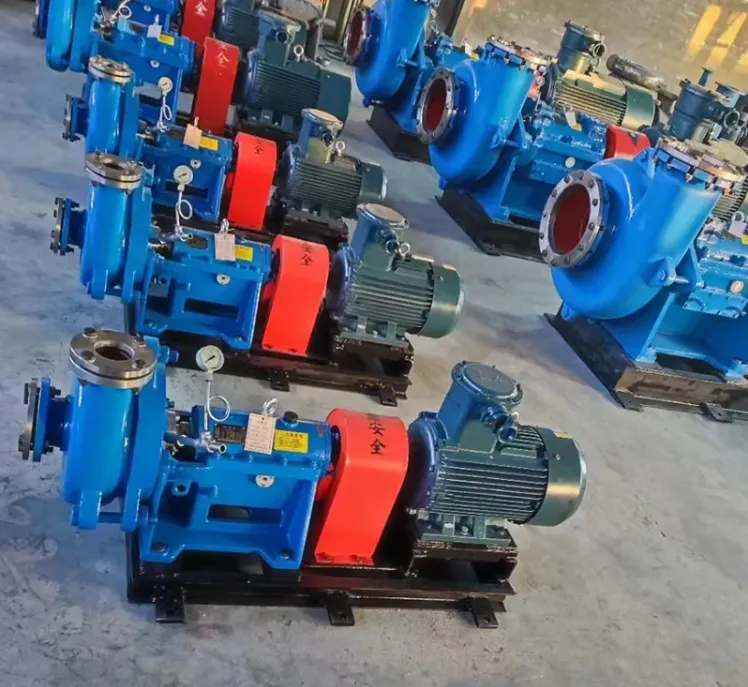
High-quality rubber parts are critical components in vertical slurry sump pumps, serving as the interface between the aggressive fluid being pumped and the pump’s metallic structure. These components, typically liners, impellers, and sealing elements, are subjected to severe abrasion, impact, and chemical attack. The performance and longevity of these rubber parts directly influence the overall efficiency, reliability, and maintenance costs of the pumping system. This guide provides a comprehensive technical overview of rubber parts for vertical slurry sump pumps, encompassing material science, manufacturing processes, performance characteristics, failure analysis, and relevant industry standards. The primary objective is to detail the critical engineering considerations for selecting and maintaining these parts to maximize operational uptime and minimize total cost of ownership. The current industrial landscape demands rubber compounds with enhanced resistance to erosion, corrosion, and mechanical fatigue, pushing the boundaries of polymer technology and manufacturing techniques. This guide addresses these challenges, offering insights into the latest advancements and best practices.
Material Science & Manufacturing
The selection of rubber compounds for slurry sump pumps hinges on a detailed understanding of the slurry’s composition, particle size distribution, flow velocity, and operating temperature. Common rubber materials include natural rubber (NR), styrene-butadiene rubber (SBR), ethylene propylene diene monomer (EPDM), chloroprene rubber (CR, Neoprene), and polyurethane (PU). Natural rubber offers excellent abrasion resistance but limited chemical resistance. SBR provides a cost-effective alternative with moderate abrasion and chemical resistance. EPDM excels in resistance to ozone, weathering, and many chemicals, making it suitable for less abrasive applications. Chloroprene rubber delivers a balance of abrasion resistance, oil resistance, and weathering resistance. Polyurethane offers the highest abrasion resistance and tear strength, suitable for highly abrasive slurries, but can be susceptible to hydrolysis. Manufacturing processes vary depending on the part geometry and rubber type. Liners are often produced via mold pressing or continuous extrusion followed by vulcanization. Impellers can be manufactured through injection molding, compression molding, or cast polyurethane techniques. Vulcanization, a crucial step, involves crosslinking the polymer chains with sulfur or other curing agents, imparting elasticity, strength, and durability. Parameter control during vulcanization—temperature, pressure, and time—is paramount to achieving optimal material properties. Fillers like silica, alumina, and carbon black are incorporated to enhance abrasion resistance and mechanical strength. The particle size and distribution of fillers significantly impact the rubber compound’s performance. Proper dispersion of fillers is also vital, preventing agglomeration that can create stress concentration points and accelerate failure.
Performance & Engineering
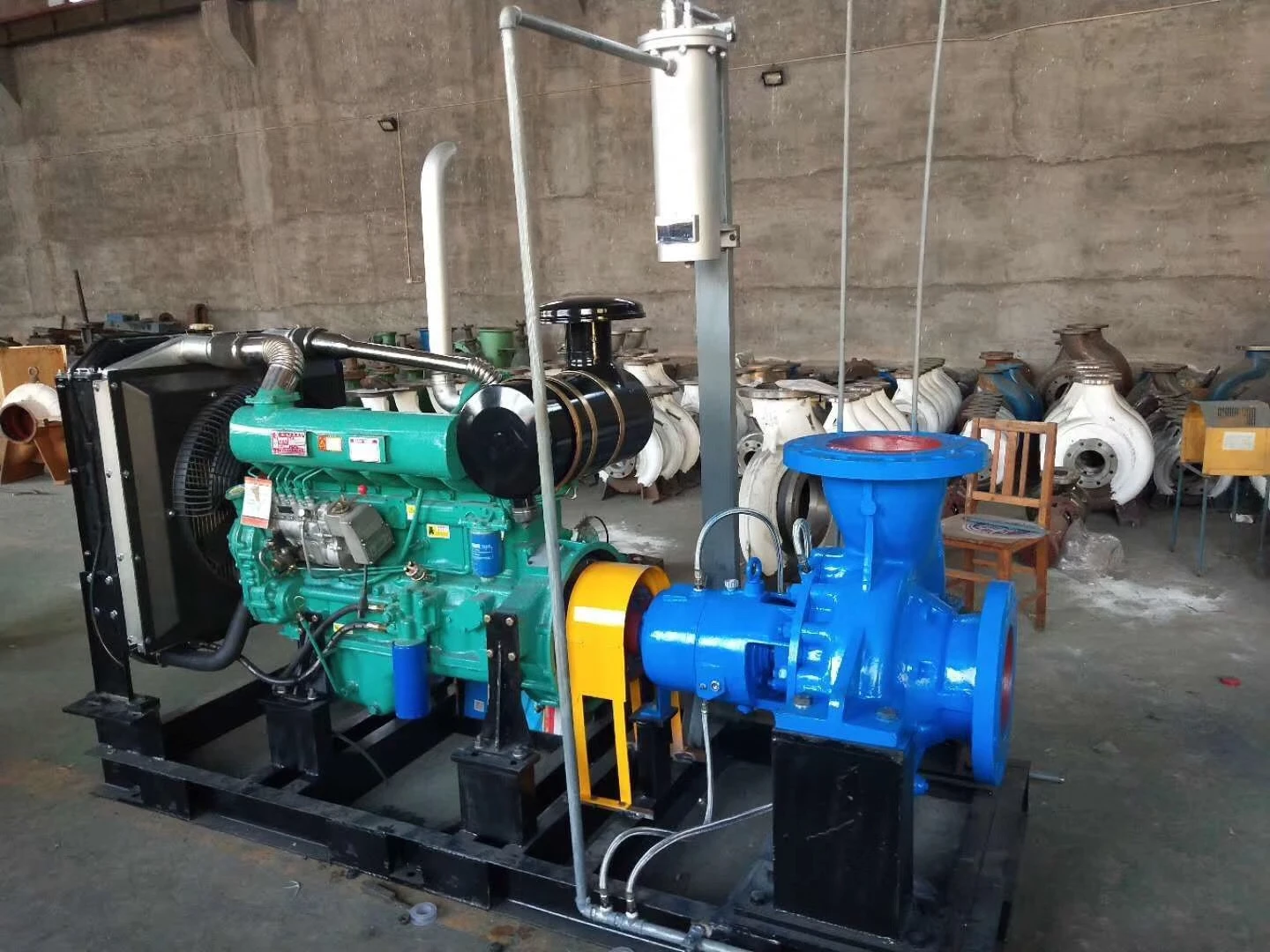
The performance of rubber parts in slurry sump pumps is governed by complex interactions between hydrodynamic forces, abrasive particle impact, and chemical degradation. Force analysis must consider the impeller's rotational speed, slurry density, and flow rate to determine the shear stresses and impact forces acting on the rubber components. Finite Element Analysis (FEA) is often employed to predict stress distribution and identify potential failure zones. Environmental resistance is a critical factor. Exposure to aggressive chemicals can cause swelling, cracking, and loss of mechanical properties. The rubber compound’s chemical compatibility with the slurry constituents must be thoroughly evaluated. Temperature extremes also affect rubber performance. High temperatures accelerate degradation and reduce elasticity, while low temperatures can lead to brittleness and cracking. Compliance with industry standards (discussed in the footer) is essential. These standards dictate minimum requirements for hardness, tensile strength, elongation, abrasion resistance, and chemical resistance. Proper selection of rubber durometer (hardness) is critical. Softer rubbers offer better impact resistance but lower abrasion resistance, while harder rubbers provide superior abrasion resistance but are more prone to cracking. Furthermore, the design of the rubber liner interface with the metallic pump casing is crucial to prevent crevice corrosion and galvanic corrosion, which can lead to premature failure.
Technical Specifications
| Rubber Compound | Hardness (Shore A) | Tensile Strength (MPa) | Elongation at Break (%) |
|---|---|---|---|
| Natural Rubber (NR) | 60-70 | 15-25 | 400-600 |
| Styrene-Butadiene Rubber (SBR) | 50-65 | 12-20 | 300-500 |
| Ethylene Propylene Diene Monomer (EPDM) | 60-80 | 10-18 | 350-550 |
| Chloroprene Rubber (CR/Neoprene) | 65-75 | 18-28 | 250-450 |
| Polyurethane (PU) | 80-95 | 30-50 | 100-300 |
| High-Abrasion Polyurethane (PU) | 90-98 | 40-60 | 80-150 |
Failure Mode & Maintenance
Rubber parts in slurry sump pumps are susceptible to several failure modes. Abrasion is the most common, resulting in gradual material loss and reduced component thickness. Erosion, caused by high-velocity slurry impact, can create localized wear patterns. Chemical attack leads to swelling, softening, and cracking. Fatigue cracking can occur due to cyclic stress from impeller rotation and slurry flow. Hydrolysis, particularly in polyurethanes, degrades the polymer chains, reducing mechanical properties. Oxidation, especially at elevated temperatures, causes embrittlement and cracking. Delamination can occur between rubber layers or between the rubber and metal substrate. Preventive maintenance is crucial. Regular inspections should identify signs of wear, cracking, or swelling. Monitoring slurry composition and flow parameters can help predict component lifespan. Periodic replacement of rubber parts before catastrophic failure prevents costly downtime. Proper storage of spare parts is essential to prevent degradation. Rubber parts should be stored in a cool, dry, and dark environment, away from ozone and direct sunlight. When replacing parts, ensure proper bonding between the rubber and metal components to prevent leakage and maintain structural integrity. The use of appropriate adhesives and surface preparation techniques is critical.
Industry FAQ
Q: What is the impact of slurry particle size on rubber liner wear rate?
A: Smaller particle sizes generally lead to a higher wear rate due to their ability to penetrate the rubber matrix more easily and cause micro-cutting action. Larger particles cause more localized impact damage but may not contribute as significantly to overall material loss. The shape of the particles also plays a role; angular particles are more abrasive than rounded particles.
Q: How does temperature affect the performance of EPDM rubber in a slurry pump?
A: Elevated temperatures can reduce the tensile strength and elongation of EPDM, making it more susceptible to cracking. Conversely, low temperatures can increase its hardness and brittleness, reducing its impact resistance. Long-term exposure to high temperatures can also accelerate oxidation and degradation.
Q: What is the typical service life of a polyurethane impeller in a highly abrasive slurry application?
A: The service life of a polyurethane impeller varies significantly depending on the slurry composition, particle size, flow velocity, and operating conditions. In highly abrasive applications, a lifespan of 6-18 months is typical, but this can be reduced to a few weeks in extreme cases. Regular inspections are crucial to monitor wear and prevent catastrophic failure.
Q: What bonding agents are recommended for attaching rubber liners to steel pump casings?
A: Polyurethane adhesives and epoxy-based adhesives are commonly used for bonding rubber liners to steel casings. Surface preparation is critical, including abrasive blasting to create a rough surface profile and thorough cleaning to remove contaminants. The adhesive must be chemically compatible with both the rubber and steel materials.
Q: What tests are performed to verify the quality of incoming rubber parts?
A: Incoming rubber parts are typically subjected to hardness testing (Shore A), tensile strength testing, elongation at break testing, abrasion resistance testing (e.g., Taber abrasion test), and chemical resistance testing. Dimensional verification is also performed to ensure parts meet specified tolerances.
Conclusion
The selection and maintenance of high-quality rubber parts are fundamental to the reliable operation of vertical slurry sump pumps. A thorough understanding of material science, manufacturing processes, and failure mechanisms is essential for optimizing component lifespan and minimizing downtime. The appropriate rubber compound must be chosen based on the specific slurry characteristics, operating conditions, and performance requirements. Regular inspection, preventive maintenance, and proper bonding techniques are critical for maximizing the return on investment.
Future advancements in rubber technology will focus on developing compounds with enhanced abrasion resistance, chemical resistance, and temperature stability. The integration of smart sensors and predictive analytics will enable real-time monitoring of component condition and proactive maintenance scheduling. Continued research into novel fillers and crosslinking agents will further improve the performance and longevity of rubber parts in demanding slurry pumping applications.
-
Precision at the Pump: How Better Machining Protects Flow and Uptime
News2026-11-20
-
Why Pump Reliability Begins Before the First Drop of Fluid
News2026-11-20
-
Beyond the Pump: Designing Safer Access Around Critical Water Infrastructure
News2026-11-20
-
Why Pumping Stations Depend on the Infrastructure Beneath the Pumps
News2026-11-20
-
Beyond the Pump Room: How Smarter Loading Protects Industrial Equipment
News2026-11-19
-
When Pumps Stop: Designing More Resilient Power for Critical Pumping Systems
News2026-11-19
-
The Hidden Role of Dust and Gas Monitoring in Reliable Pump Operations
News2026-11-19
-
The Hidden Role of Mineral Compounds in Extending Industrial Pump Lifespan
News2026-10-12
-
Why Pump System Reliability Depends on Precision Hose Assembly Methods
News2026-09-15
-
How Advanced Imaging Films Are Transforming Pump Component Quality Control
News2026-08-25
-
How Advanced Filtration Protects Pump Systems from Premature Wear and Costly Downtime
News2026-08-25
-
How Steel Material Selection Drives Pump Reliability in Heavy-Duty Systems
News2026-08-25
-
Ensuring Pump System Efficiency: The Role of High-Quality Pipe Fittings and Tubing
News2026-08-24
-
Optimizing Fluid Dynamics and Material Consistency in Industrial Processing
News2026-08-18
-
Innovations and Challenges in Hydraulic Systems for Heavy Machinery
News2026-08-13




