English
- Afrikaans
- Albanian
- Amharic
- Arabic
- Armenian
- Azerbaijani
- Basque
- Belarusian
- Bengali
- Bosnian
- Bulgarian
- Catalan
- Cebuano
- Corsican
- Croatian
- Czech
- Danish
- Dutch
- English
- Esperanto
- Estonian
- Finnish
- French
- Frisian
- Galician
- Georgian
- German
- Greek
- Gujarati
- Haitian Creole
- hausa
- hawaiian
- Hebrew
- Hindi
- Miao
- Hungarian
- Icelandic
- igbo
- Indonesian
- irish
- Italian
- Japanese
- Javanese
- Kannada
- kazakh
- Khmer
- Rwandese
- Korean
- Kurdish
- Kyrgyz
- Lao
- Latin
- Latvian
- Lithuanian
- Luxembourgish
- Macedonian
- Malgashi
- Malay
- Malayalam
- Maltese
- Maori
- Marathi
- Mongolian
- Myanmar
- Nepali
- Norwegian
- Norwegian
- Occitan
- Pashto
- Persian
- Polish
- Portuguese
- Punjabi
- Romanian
- Russian
- Samoan
- Scottish Gaelic
- Serbian
- Sesotho
- Shona
- Sindhi
- Sinhala
- Slovak
- Slovenian
- Somali
- Spanish
- Sundanese
- Swahili
- Swedish
- Tagalog
- Tajik
- Tamil
- Tatar
- Telugu
- Thai
- Turkish
- Turkmen
- Ukrainian
- Urdu
- Uighur
- Uzbek
- Vietnamese
- Welsh
- Bantu
- Yiddish
- Yoruba
- Zulu

Telephone: +86 13120555503
Email: frank@cypump.com


Apr . 01, 2024 17:55 Back to list
high quality horizontal double suction pumps Performance Analysis
Introduction
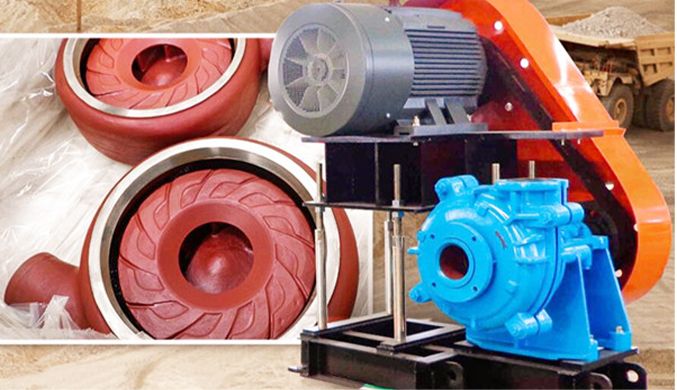
Horizontal double suction pumps represent a critical component in numerous industrial fluid transfer applications, encompassing water supply, wastewater treatment, power generation, and petrochemical processing. These pumps are characterized by their capacity to draw fluid from both sides of the impeller, significantly reducing axial thrust and enabling higher flow rates compared to single-suction designs. This architecture inherently improves pump stability and extends operational lifespan. The selection criteria for these pumps hinge upon achieving optimal hydraulic performance, ensuring long-term reliability, and adherence to stringent industry standards concerning efficiency and safety. A core industry pain point involves premature impeller failure due to cavitation, exacerbated by improper Net Positive Suction Head Available (NPSHA) calculations, and the costly downtime associated with unexpected maintenance. This guide provides a comprehensive technical overview of high-quality horizontal double suction pumps, covering materials, manufacturing, performance characteristics, failure modes, and maintenance protocols.
Material Science & Manufacturing
The performance and longevity of horizontal double suction pumps are directly correlated to the material selection and manufacturing precision. Pump casings are typically constructed from cast iron (ASTM A48 Class 30), ductile iron (ASTM A536 65-45-12), or stainless steel (304/316, ASTM A743). Cast iron provides cost-effectiveness and good machinability but is susceptible to corrosion in harsh environments. Ductile iron offers improved strength and ductility compared to cast iron, increasing resistance to cracking under pressure. Stainless steel delivers exceptional corrosion resistance, crucial for handling aggressive fluids. Impellers are commonly manufactured from cast iron, bronze (ASTM B148 C95800), or stainless steel, with the choice dictated by the fluid’s abrasiveness and chemical composition. Shaft materials generally consist of carbon steel (AISI 1045) or alloy steel (4140), often undergoing induction hardening to enhance wear resistance.
Manufacturing processes involve several critical stages. Casing production utilizes sand casting, requiring meticulous pattern design and precise sand compaction to minimize surface defects. Impeller manufacturing employs investment casting or sand casting, followed by precise machining to achieve optimal blade profiles and balance. Welding processes (SMAW, GTAW) are employed for joining components, necessitating qualified welders and rigorous non-destructive testing (NDT) – radiographic testing (RT) and ultrasonic testing (UT) – to ensure weld integrity. Dynamic balancing of the impeller and shaft assembly is paramount to minimize vibration and prevent bearing failure. Key parameter control during manufacturing includes dimensional accuracy (verified with Coordinate Measuring Machines – CMMs), surface finish (Ra values), and material hardness (Rockwell or Vickers testing). Proper surface treatments, such as epoxy coating or hot-dip galvanization, are applied to casings for corrosion protection.
Performance & Engineering
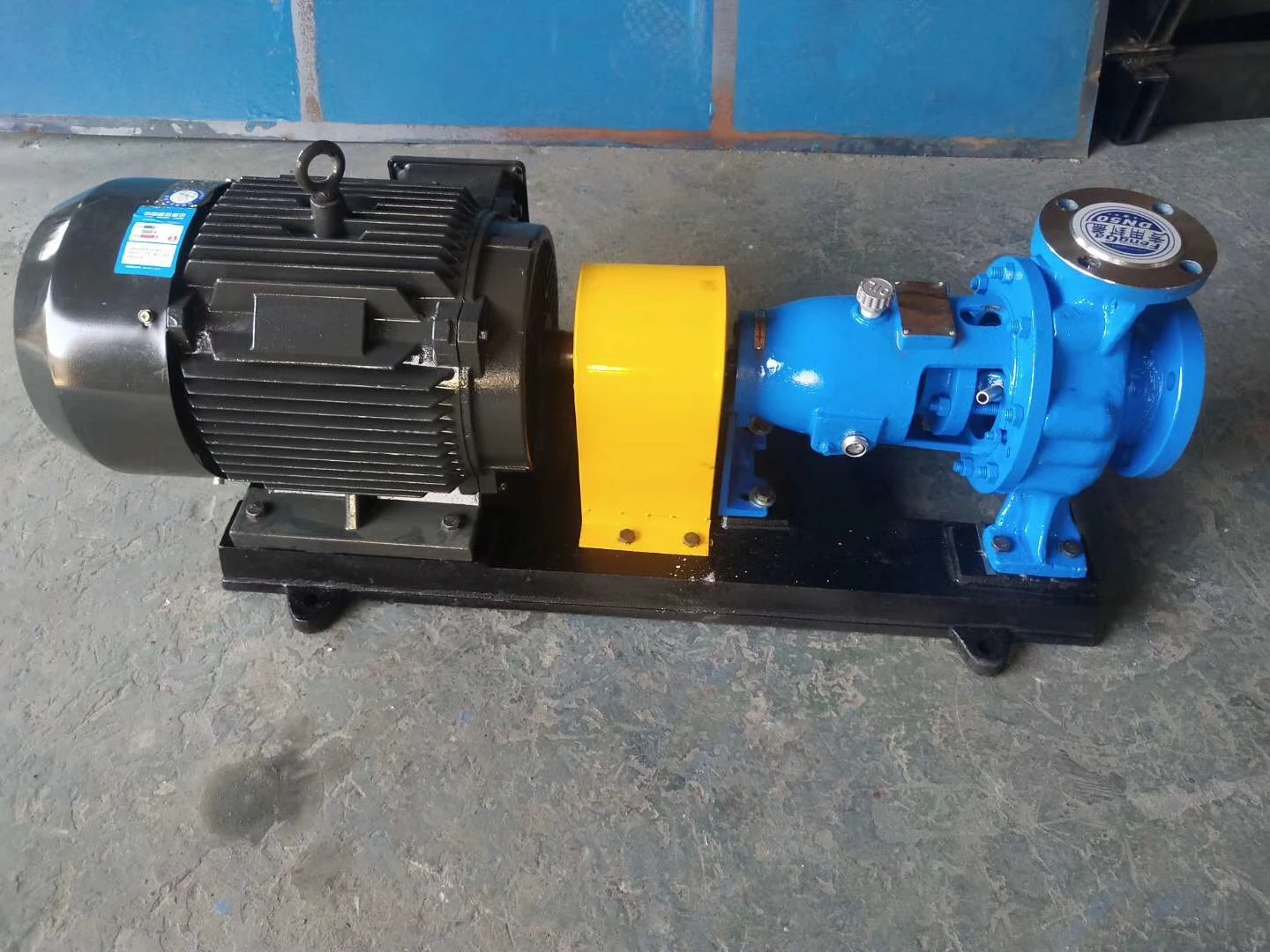
The hydraulic performance of a horizontal double suction pump is governed by principles of fluid dynamics, specifically Bernoulli's equation and the affinity laws. Key performance parameters include flow rate (GPM or m³/h), head (feet or meters), and pump efficiency (%). The pump’s performance curve – a graphical representation of head versus flow rate at a constant impeller diameter and speed – is essential for selecting the appropriate pump for a specific application. Force analysis focuses on managing radial and axial thrust forces generated by the impeller. Double suction design minimizes axial thrust, reducing stress on the shaft and bearings. Radial thrust is managed through bearing selection and lubrication. Environmental resistance is a crucial consideration, particularly in corrosive or abrasive environments. Proper material selection and protective coatings are vital. Compliance requirements vary by region and industry. API 610 (Centrifugal Pumps) is a widely adopted standard for pump design, manufacturing, and testing, covering aspects such as hydraulic performance, mechanical design, and safety. NPSH (Net Positive Suction Head) calculations are critical to prevent cavitation, a phenomenon where vapor bubbles form within the pump, leading to impeller damage and reduced performance. Accurate NPSHA determination, accounting for fluid temperature, pressure, and velocity, is essential for reliable operation. Proper pump alignment with the driver (motor or engine) is also crucial to minimize vibration and extend bearing life.
Technical Specifications
| Parameter | Unit | Typical Value (Range) | Test Standard |
|---|---|---|---|
| Flow Rate | GPM (m³/h) | 500 - 10,000 (1.9 - 37.8) | ISO 9906 |
| Head | ft (m) | 50 - 500 (15 - 152) | ISO 9906 |
| Pump Efficiency | % | 70 - 85 | ISO 9906 |
| Suction Pressure | psi (bar) | -30 to 150 (-2 to 10) | API 610 |
| Discharge Pressure | psi (bar) | Up to 300 (20) | API 610 |
| Operating Temperature | °F (°C) | 20 to 250 (-7 to 121) | API 610 |
Failure Mode & Maintenance
Common failure modes in horizontal double suction pumps include impeller cavitation (leading to pitting and erosion), bearing failure (due to insufficient lubrication, misalignment, or excessive load), seal failure (resulting in leakage), and casing cracking (caused by stress corrosion or hydraulic shock). Cavitation is a primary concern, triggered by inadequate NPSHA. Bearing failure manifests as increased vibration and noise, often stemming from lubricant contamination or improper installation. Seal failure is often associated with wear or damage to the seal faces. Casing cracking is often a slow process, initiating at areas of high stress concentration. Failure analysis techniques, such as metallurgical examination and non-destructive testing, are crucial for determining the root cause of failures.
Preventive maintenance is essential for extending pump lifespan and minimizing downtime. Regular lubrication of bearings, visual inspection for leaks, and vibration analysis are critical. Periodic impeller inspection for cavitation damage and balancing are also recommended. Seal replacement should be performed on a scheduled basis. Proper pump alignment should be verified and corrected as needed. Filtration of the pumped fluid is essential to remove abrasive particles that can accelerate wear. A robust maintenance schedule, documented in a pump log, is crucial for tracking maintenance activities and identifying potential problems early. For example, oil analysis can detect wear debris indicating bearing degradation. When replacing components, utilizing OEM-specified parts is highly recommended to ensure compatibility and performance.
Industry FAQ
Q: What are the primary factors influencing the selection of a horizontal double suction pump for a wastewater treatment plant?
A: The key factors include the flow rate and head requirements of the system, the solids content of the wastewater (requiring a pump with appropriate impeller design to avoid clogging), the chemical composition of the wastewater (dictating material selection for corrosion resistance), and the overall lifecycle cost, considering efficiency, maintenance, and potential downtime.
Q: How can we mitigate the risk of cavitation in a horizontal double suction pump?
A: Ensure adequate NPSHA by minimizing suction lift, increasing suction pipe diameter, reducing fluid temperature, and increasing system pressure. Regularly monitor pump vibration and noise, as these can be indicators of cavitation. Proper pump design with an optimized impeller inlet geometry also contributes to cavitation prevention.
Q: What type of bearing arrangement is typically used in high-quality horizontal double suction pumps and why?
A: Typically, deep groove ball bearings or cylindrical roller bearings are utilized, often with oil lubrication. These bearings offer a balance of load capacity, speed capability, and cost-effectiveness. Oil lubrication is crucial for reducing friction and dissipating heat, extending bearing life. Bearing housings are often designed with labyrinth seals to prevent lubricant leakage and ingress of contaminants.
Q: What is the significance of API 610 compliance for horizontal double suction pumps?
A: API 610 compliance ensures that the pump meets stringent industry standards for design, manufacturing, testing, and safety. It provides assurance of quality, reliability, and interchangeability of parts, reducing the risk of failures and facilitating maintenance. Compliance is often a requirement for projects in regulated industries, such as oil & gas and power generation.
Q: What is the recommended procedure for aligning a horizontal double suction pump and its driver?
A: Laser alignment is the most accurate method for aligning the pump and driver. The procedure involves mounting laser transmitters and receivers on the pump shaft and driver shaft, and then adjusting the pump base to minimize misalignment. Dial indicator methods can also be used, but are less precise. Proper alignment minimizes vibration, reduces bearing loads, and extends pump lifespan.
Conclusion
Horizontal double suction pumps are vital assets in a wide range of industrial applications. Their robust design, characterized by double suction to minimize axial thrust and careful material selection for corrosion resistance, makes them well-suited for demanding fluid transfer tasks. Successful implementation requires diligent adherence to industry standards like API 610, precise manufacturing controls, and proactive maintenance practices, including NPSH calculations and regular vibration analysis.
Looking ahead, advancements in pump design will focus on increasing efficiency through optimized impeller geometries and incorporating smart monitoring systems for predictive maintenance. Furthermore, the adoption of variable frequency drives (VFDs) will allow for precise flow control and energy savings. A thorough understanding of the material science, operational principles, and potential failure modes presented in this guide is paramount for ensuring the long-term reliability and optimal performance of these critical pumps.
-
Comprehensive Guide to Waterproof ORings for Optimal Sealing Solutions
News2026-06-09
-
drainage pumps Performance and Engineering
News2026-06-09
-
basement bathroom ejector pump Material Science
News2026-06-09
-
Sewer Ejector Pump Cost Performance Analysis
News2026-06-09
-
Septic Tank Pump Replacement Performance Analysis
News2026-06-09
-
septic sump pump Performance and Engineering
News2026-06-09
-
Septic Pump System Performance Analysis
News2026-06-08
-
pump for septic Material Science
News2026-06-08
-
basement sewer pump Performance Analysis
News2026-06-08
-
submerged pump Performance Engineering
News2026-06-08
-
Septic System Pumps Performance Analysis
News2026-06-08
-
septic system pump Material Science and Manufacturing
News2026-06-07
-
pump for septic tank Material Science Manufacturing
News2026-06-07
-
submersible sewage pump Material Science
News2026-06-07
-
Sewage Ejector Material Science and Manufacturing
News2026-06-07




