English
- Afrikaans
- Albanian
- Amharic
- Arabic
- Armenian
- Azerbaijani
- Basque
- Belarusian
- Bengali
- Bosnian
- Bulgarian
- Catalan
- Cebuano
- Corsican
- Croatian
- Czech
- Danish
- Dutch
- English
- Esperanto
- Estonian
- Finnish
- French
- Frisian
- Galician
- Georgian
- German
- Greek
- Gujarati
- Haitian Creole
- hausa
- hawaiian
- Hebrew
- Hindi
- Miao
- Hungarian
- Icelandic
- igbo
- Indonesian
- irish
- Italian
- Japanese
- Javanese
- Kannada
- kazakh
- Khmer
- Rwandese
- Korean
- Kurdish
- Kyrgyz
- Lao
- Latin
- Latvian
- Lithuanian
- Luxembourgish
- Macedonian
- Malgashi
- Malay
- Malayalam
- Maltese
- Maori
- Marathi
- Mongolian
- Myanmar
- Nepali
- Norwegian
- Norwegian
- Occitan
- Pashto
- Persian
- Polish
- Portuguese
- Punjabi
- Romanian
- Russian
- Samoan
- Scottish Gaelic
- Serbian
- Sesotho
- Shona
- Sindhi
- Sinhala
- Slovak
- Slovenian
- Somali
- Spanish
- Sundanese
- Swahili
- Swedish
- Tagalog
- Tajik
- Tamil
- Tatar
- Telugu
- Thai
- Turkish
- Turkmen
- Ukrainian
- Urdu
- Uighur
- Uzbek
- Vietnamese
- Welsh
- Bantu
- Yiddish
- Yoruba
- Zulu

Telephone: +86 13120555503
Email: frank@cypump.com


Apr . 01, 2024 17:55 Back to list
high quality double suction sludge water pump Performance Analysis
Introduction
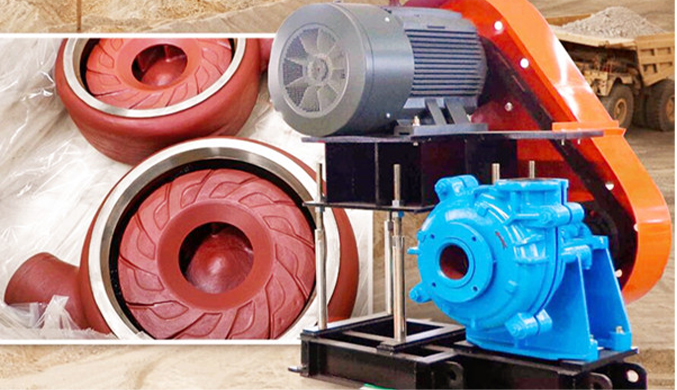
Double suction sludge water pumps are centrifugal pumps designed for the efficient and reliable transfer of heavily contaminated fluids, commonly encountered in wastewater treatment plants, industrial effluent handling, and solids-laden applications. Unlike clear-water pumps, these are engineered to handle abrasive particles, stringy materials, and varying solids concentrations without significant performance degradation or internal damage. Positioned within the industrial fluid handling chain, they function as a critical component in process flow, enabling the removal of waste streams and maintaining operational continuity. Their core performance characteristics are defined by their ability to achieve high flow rates at moderate heads, coupled with robust construction to withstand the corrosive and abrasive nature of sludge and wastewater. The pump’s double suction impeller design mitigates axial thrust, enhancing operational stability and extending bearing life. This guide provides an in-depth technical overview of these pumps, encompassing material science, manufacturing processes, performance characteristics, failure modes, and relevant industry standards.
Material Science & Manufacturing
The construction of a high-quality double suction sludge water pump necessitates careful material selection to ensure durability and resistance to corrosive attack. Pump casings are typically fabricated from cast iron (ASTM A48 Class 30) offering a balance of cost-effectiveness and mechanical strength. However, for highly corrosive environments – such as those containing sulfuric acid or aggressive chlorides – duplex stainless steel (UNS S31803 or S32205) or alloy 20 (UNS N08020) are preferred due to their superior corrosion resistance. Impellers are a critical wear component. High-chrome cast iron (approximately 27% chromium) is commonly employed for its exceptional abrasion resistance, crucial when handling abrasive solids. Alternatively, hardened stainless steel (e.g., 316 or 410) or ceramic materials may be used for even more demanding applications. Shafts are usually manufactured from medium carbon steel (e.g., AISI 1045) and are heat treated to achieve a hardness suitable for resisting torsional stress and wear. Seals are typically mechanical seals constructed from materials like silicon carbide or tungsten carbide, selected for their high wear resistance and chemical compatibility with the pumped fluid. The manufacturing process begins with patternmaking for the casing and impeller. Casting is followed by machining to precise tolerances, critical for maintaining hydraulic efficiency. Welding processes, such as shielded metal arc welding (SMAW) or gas tungsten arc welding (GTAW), are utilized for joining components, requiring qualified welders adhering to AWS D1.1 standards. Impeller balancing is crucial to minimize vibration and prolong bearing life, typically achieved through dynamic balancing according to ISO 1940-1. Final assembly involves stringent quality control checks, including hydrostatic testing and performance verification.
Performance & Engineering
The performance of a double suction sludge water pump is governed by several key engineering principles. The pump's head-capacity curve dictates the relationship between the discharge pressure (head) and the volumetric flow rate. This curve is influenced by impeller diameter, impeller speed, and the pump’s internal geometry. Cavitation, a significant concern, occurs when the absolute pressure at the impeller inlet falls below the vapor pressure of the liquid, forming vapor bubbles that implode and cause erosion. Net Positive Suction Head Required (NPSHr) is a critical parameter to prevent cavitation, and it must be lower than the Net Positive Suction Head Available (NPSHa) in the system. Hydraulic efficiency, typically ranging from 65% to 85% for well-designed pumps, is maximized through optimized impeller design and casing volute geometry. Force analysis considers radial and axial thrust loads on the impeller shaft. The double suction design inherently reduces axial thrust, improving bearing life. Bearings are commonly rolling element bearings (e.g., deep groove ball bearings or cylindrical roller bearings) selected based on load capacity and speed requirements. Environmental resistance is crucial, especially regarding temperature variations and exposure to corrosive atmospheres. Pump materials must be selected to withstand the operating temperature range and resist corrosion from the surrounding environment. Compliance with industry standards like ISO 9906 (Rotary pumps – Hydraulic performance of centrifugal pumps) and API 610 (Centrifugal pumps – Equipment specifications) is essential for ensuring reliable performance and safety. Furthermore, hydraulic modeling (Computational Fluid Dynamics - CFD) is increasingly used during the design phase to optimize flow patterns, reduce energy losses, and improve overall efficiency.
Technical Specifications
| Parameter | Unit | Typical Value (Range) | Notes |
|---|---|---|---|
| Flow Rate | m³/h | 50 – 1500 | Dependent on impeller diameter and speed. |
| Total Head | m | 10 – 80 | Varies with flow rate according to pump curve. |
| Pump Speed | RPM | 1450 – 2900 | Typically 50Hz or 60Hz operation. |
| Solids Handling Capacity | mm | Up to 75 | Dependent on impeller design and pump size. |
| Maximum Slurry Concentration | % by weight | Up to 50 | Concentration affects pump performance and wear. |
| Operating Temperature | °C | -20 to 120 | Material selection dictates temperature limits. |
Failure Mode & Maintenance
Double suction sludge water pumps, despite robust construction, are susceptible to several failure modes. Cavitation erosion, as previously discussed, leads to impeller damage and reduced pump performance. Abrasive wear, caused by solid particles in the fluid, results in impeller and casing erosion, progressively reducing efficiency. Corrosion, particularly in aggressive chemical environments, weakens pump components, leading to leaks or catastrophic failure. Bearing failure, often due to inadequate lubrication, misalignment, or excessive loads, manifests as noise, vibration, and eventual pump seizure. Mechanical seal failure, caused by abrasive particles, dry running, or chemical incompatibility, leads to leakage. Preventive maintenance is critical. Regular inspections should include visual checks for leaks, vibration analysis to detect bearing issues, and monitoring of pump performance parameters (flow rate, pressure, power consumption) to identify deviations from baseline values. Lubrication schedules must be strictly adhered to, using appropriate greases or oils. Impellers and casings should be inspected periodically for wear and corrosion, with replacement performed as needed. Mechanical seals should be replaced proactively based on operating hours and fluid characteristics. Proper system design, including adequate suction piping and strainers, can minimize the risk of cavitation and abrasive wear. Furthermore, implementing a condition monitoring program utilizing sensors and data analytics can provide early warnings of potential failures, enabling timely intervention and minimizing downtime.
Industry FAQ
Q: What is the primary difference between a single suction and a double suction sludge pump, and when would I choose one over the other?
A: The primary difference lies in the suction inlet configuration. A single suction pump draws fluid from one side of the impeller, while a double suction pump draws fluid from both sides. Double suction pumps generally offer higher flow rates for a given impeller diameter and are better suited for applications requiring lower NPSHr. Single suction pumps are typically more compact and cost-effective for lower flow rate applications. Choose a double suction pump for handling large volumes of sludge and minimizing the risk of cavitation, while a single suction pump may suffice for smaller, less demanding applications.
Q: How do I determine the appropriate impeller material for handling a specific type of sludge?
A: The impeller material selection depends on the sludge's composition, solids content, and chemical properties. High-chrome cast iron is suitable for abrasive slurries with moderate chemical resistance. Stainless steel (316 or 410) provides improved corrosion resistance for more aggressive fluids. Duplex stainless steel or Alloy 20 are preferred for highly corrosive environments. Consulting a materials compatibility chart and considering the expected operating temperature and pH is crucial.
Q: What are the common causes of reduced pump efficiency in a sludge application?
A: Reduced pump efficiency often stems from impeller wear due to abrasion, internal corrosion, or impeller blockage by solids. Cavitation also significantly reduces efficiency. Worn bearings and mechanical seals can contribute to increased friction and energy losses. Regular inspections and maintenance are essential to identify and address these issues.
Q: How important is the NPSHa (Net Positive Suction Head Available) in a sludge pump system?
A: NPSHa is critically important. If the NPSHa is insufficient – meaning it’s lower than the pump’s NPSHr – cavitation will occur, leading to impeller damage and reduced performance. Proper system design, including adequate suction piping, minimizing elevation differences, and controlling fluid temperature, is crucial to ensure sufficient NPSHa.
Q: What maintenance practices are recommended to extend the lifespan of a double suction sludge pump?
A: Regular lubrication of bearings, periodic inspection of impeller and casing for wear, proactive replacement of mechanical seals, vibration analysis to detect bearing issues, and monitoring of pump performance parameters are all essential. Implementing a preventive maintenance schedule and maintaining detailed records of maintenance activities will significantly extend the pump’s lifespan.
Conclusion
High-quality double suction sludge water pumps represent a vital component in numerous industrial processes that require the reliable handling of contaminated fluids. Their performance and longevity are intrinsically linked to meticulous material selection, precise manufacturing techniques, and diligent maintenance practices. Understanding the underlying engineering principles governing pump operation, particularly regarding cavitation, corrosion, and abrasive wear, is paramount to optimizing system design and minimizing downtime.
The continued evolution of pump technology, driven by advancements in materials science and computational fluid dynamics, will likely lead to even more efficient, durable, and environmentally sustainable sludge pump solutions. Focusing on proactive condition monitoring, predictive maintenance, and implementing robust quality control procedures will remain critical for maximizing the return on investment and ensuring the long-term reliability of these essential industrial assets.
-
Comprehensive Guide to Waterproof ORings for Optimal Sealing Solutions
News2026-06-09
-
Septic Pump System Performance Analysis
News2026-06-08
-
pump for septic Material Science
News2026-06-08
-
basement sewer pump Performance Analysis
News2026-06-08
-
submerged pump Performance Engineering
News2026-06-08
-
Septic System Pumps Performance Analysis
News2026-06-08
-
septic system pump Material Science and Manufacturing
News2026-06-07
-
pump for septic tank Material Science Manufacturing
News2026-06-07
-
submersible sewage pump Material Science
News2026-06-07
-
Sewage Ejector Material Science and Manufacturing
News2026-06-07
-
Ejection Pump Material Science
News2026-06-07
-
pump submersible Performance Analysis
News2026-06-06
-
ejector pumps Performance Engineering
News2026-06-06
-
basement ejector pump Material Science Manufacturing
News2026-06-06
-
Septic Tanks Pumping Performance Analysis
News2026-06-06




