English
- Afrikaans
- Albanian
- Amharic
- Arabic
- Armenian
- Azerbaijani
- Basque
- Belarusian
- Bengali
- Bosnian
- Bulgarian
- Catalan
- Cebuano
- Corsican
- Croatian
- Czech
- Danish
- Dutch
- English
- Esperanto
- Estonian
- Finnish
- French
- Frisian
- Galician
- Georgian
- German
- Greek
- Gujarati
- Haitian Creole
- hausa
- hawaiian
- Hebrew
- Hindi
- Miao
- Hungarian
- Icelandic
- igbo
- Indonesian
- irish
- Italian
- Japanese
- Javanese
- Kannada
- kazakh
- Khmer
- Rwandese
- Korean
- Kurdish
- Kyrgyz
- Lao
- Latin
- Latvian
- Lithuanian
- Luxembourgish
- Macedonian
- Malgashi
- Malay
- Malayalam
- Maltese
- Maori
- Marathi
- Mongolian
- Myanmar
- Nepali
- Norwegian
- Norwegian
- Occitan
- Pashto
- Persian
- Polish
- Portuguese
- Punjabi
- Romanian
- Russian
- Samoan
- Scottish Gaelic
- Serbian
- Sesotho
- Shona
- Sindhi
- Sinhala
- Slovak
- Slovenian
- Somali
- Spanish
- Sundanese
- Swahili
- Swedish
- Tagalog
- Tajik
- Tamil
- Tatar
- Telugu
- Thai
- Turkish
- Turkmen
- Ukrainian
- Urdu
- Uighur
- Uzbek
- Vietnamese
- Welsh
- Bantu
- Yiddish
- Yoruba
- Zulu

Telephone: +86 13120555503
Email: frank@cypump.com


Apr . 01, 2024 17:55 Back to list
high quality clean water double suction pump Performance Analysis
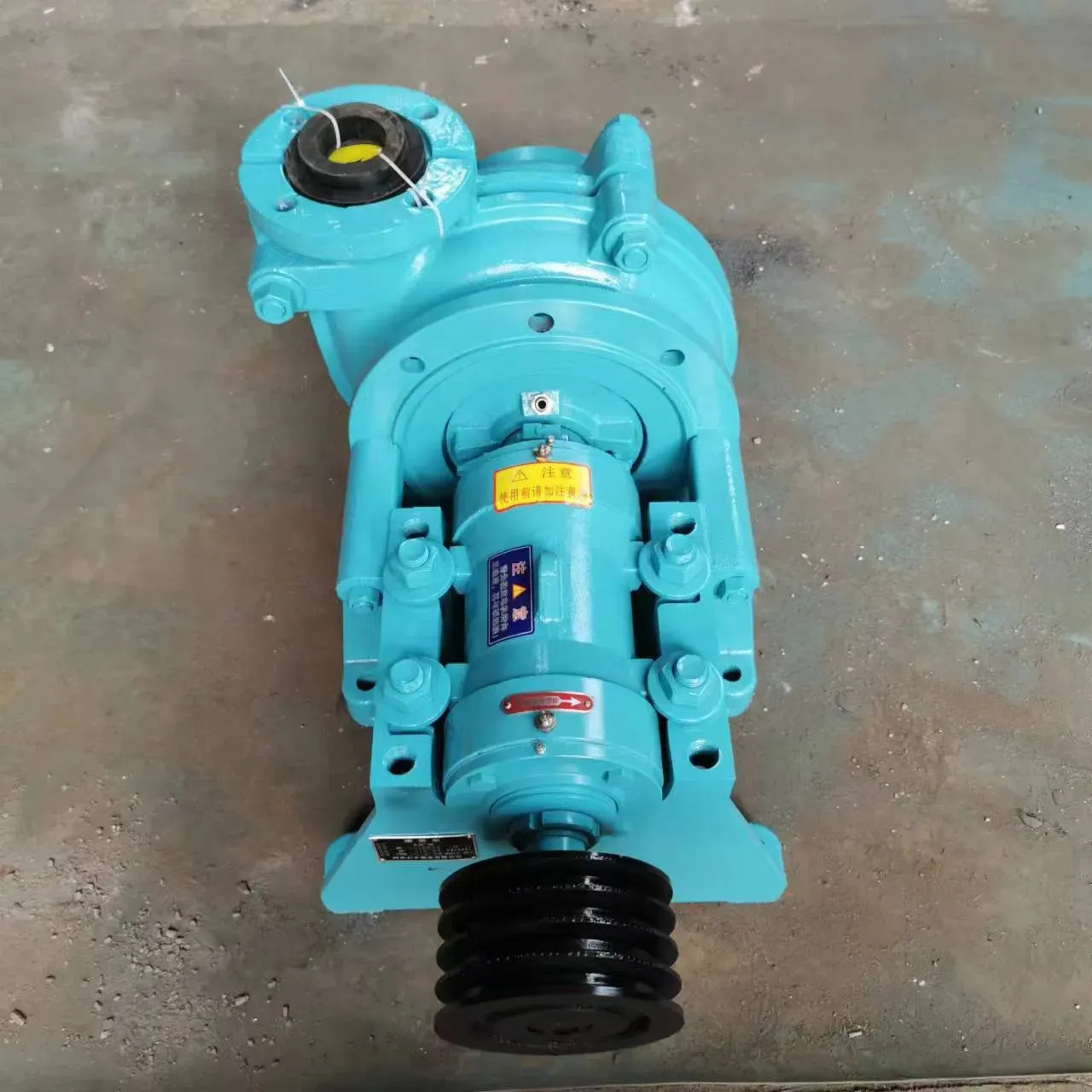
Introduction
The high quality clean water double suction pump is a centrifugal pump designed for the efficient transfer of clean water in a wide range of industrial and municipal applications. Positioned as a critical component within water distribution networks, irrigation systems, fire suppression systems, and industrial coolant loops, it provides reliable fluid handling where high flow rates and consistent pressure are required. Unlike single-suction pumps, the double-suction design minimizes cavitation risk and enhances overall pump efficiency. Its robust construction, typically utilizing cast iron or stainless steel, ensures longevity and adaptability to various operating conditions. Core performance characteristics include high volumetric flow rates, moderate head pressures, and a relatively stable hydraulic performance curve, making it a versatile choice for numerous water-based applications. Addressing a key industry pain point – the need for reliable, energy-efficient pumping solutions with minimized downtime – this pump provides a durable and cost-effective solution.
Material Science & Manufacturing
The primary material for the pump casing is typically gray cast iron (ASTM A48 Class 30) due to its excellent damping characteristics, machinability, and cost-effectiveness. Impellers are frequently manufactured from ductile iron (ASTM A536 65-45-12) or stainless steel (304 or 316) to enhance corrosion resistance and tensile strength, particularly in applications involving slightly contaminated water. Shafts are constructed from high-strength carbon steel (AISI 1045) and undergo hardening and tempering processes to maximize yield strength and fatigue resistance. Seals utilize materials like nitrile rubber (NBR), Viton (FKM), or PTFE, chosen based on the fluid temperature and chemical compatibility requirements. Manufacturing involves several key processes: casting of the casing and impeller, precision machining of all rotating components, and meticulous balancing of the impeller to minimize vibration. Welding processes, particularly in the construction of larger pumps, require adherence to AWS D1.1 standards. Critical parameter control during manufacturing includes dimensional accuracy of the impeller vanes (within ±0.1mm), surface finish of the casing's internal waterways (Ra < 0.8 µm to reduce friction losses), and proper heat treatment of the shaft to achieve the desired hardness profile (HV 200-250). Material selection is crucial; cast iron composition must meet specified silicon content for optimal casting properties, and stainless steel grades must be verified for molybdenum content to ensure adequate pitting corrosion resistance in chloride-containing water.
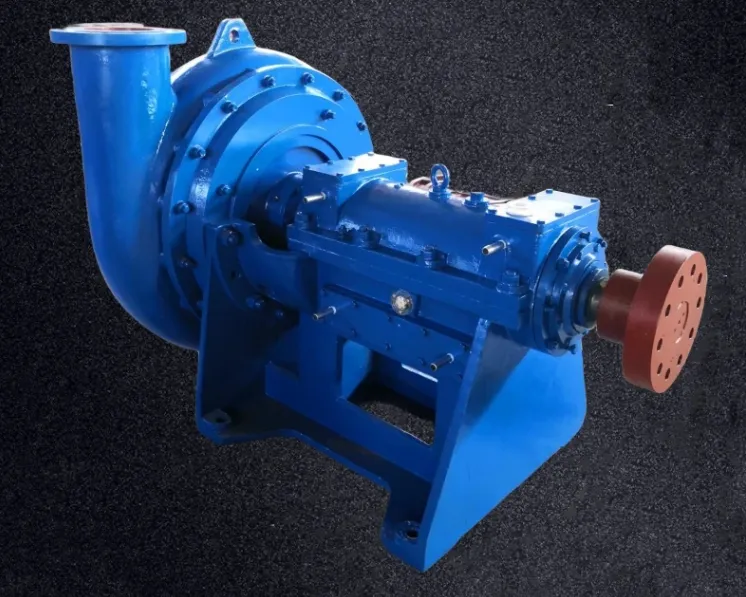
Performance & Engineering
Performance analysis of the double suction pump centers around hydraulic efficiency, net positive suction head required (NPSHr), and cavitation prevention. The double-suction inlet design reduces the fluid velocity entering the impeller eye, lowering the NPSHr and mitigating the risk of cavitation, a major source of pump damage. Force analysis considers radial thrust generated by the impeller due to uneven pressure distribution, necessitating robust bearing support and shaft design. The pump's hydraulic performance is governed by the affinity laws, demonstrating the relationship between flow rate, head, and speed. Environmental resistance is paramount; pump materials must withstand operating temperatures ranging from -10°C to 60°C, and exposure to various water chemistries. Compliance with relevant standards, such as ISO 9906 (rotodynamic pumps – hydraulic performance), is essential. Engineering considerations include proper impeller geometry to optimize flow characteristics and minimize turbulence, shaft alignment to reduce bearing wear, and the selection of appropriate sealing mechanisms to prevent leakage and contamination. The volute casing is designed to efficiently convert kinetic energy into pressure energy, maximizing overall pump efficiency. Proper selection of pump size is critical; an oversized pump operates inefficiently, while an undersized pump fails to meet the required flow rate and head.
Technical Specifications
| Parameter | Unit | Range (Typical) | Testing Standard |
|---|---|---|---|
| Flow Rate | m³/h | 50 - 1600 | ISO 9906 |
| Head | m | 10 - 80 | ISO 9906 |
| Suction Pressure | MPa | -0.1 to 0.5 | GB/T 56578 |
| Pump Speed | rpm | 1450 – 3600 | IEC 60034-1 |
| Power | kW | 1.5 - 200 | IEC 60034-1 |
| Casing Material | - | Cast Iron (A48 Class 30), Stainless Steel (304/316) | ASTM A48/A536 |
Failure Mode & Maintenance
Common failure modes include impeller cavitation (resulting from insufficient NPSH), bearing failure (due to improper lubrication or misalignment), seal leakage (caused by wear or chemical incompatibility), and casing cracking (resulting from water hammer or material defects). Cavitation manifests as pitting on the impeller vanes and a noticeable reduction in pump efficiency. Bearing failure is often indicated by increased noise and vibration. Seal leakage can lead to fluid loss and potential contamination. Casing cracks typically originate at stress concentration points, such as around nozzles. Failure analysis techniques include visual inspection, non-destructive testing (NDT) such as ultrasonic testing and liquid penetrant inspection, and metallurgical analysis of fractured components. Preventative maintenance includes regular lubrication of bearings (using lithium-based grease), periodic inspection and replacement of seals, alignment checks of the pump and motor, and vibration analysis to detect early signs of bearing wear or impeller imbalance. Flushing the pump with clean water before start-up after periods of inactivity helps remove debris and prevent cavitation. Routine monitoring of pump parameters like discharge pressure, flow rate, and motor current can help identify potential problems before they escalate. Proper water treatment to minimize corrosivity is also crucial for extending pump life.
Industry FAQ
Q: What is the primary advantage of a double-suction pump over a single-suction pump?
A: The primary advantage lies in the reduced Net Positive Suction Head Required (NPSHr). The double-suction design lowers the fluid velocity entering the impeller, minimizing the risk of cavitation, which can cause significant damage and reduce efficiency.
Q: How do I determine the appropriate pump size for my application?
A: Pump sizing requires careful consideration of the system’s flow rate and total dynamic head (TDH). TDH accounts for static lift, friction losses in the piping, and any pressure requirements at the discharge point. A pump curve should be consulted to ensure the selected pump operates within its optimal efficiency range for the desired operating point.
Q: What type of maintenance is required to prevent bearing failure?
A: Regular lubrication with a high-quality lithium-based grease is critical. Additionally, periodic alignment checks of the pump and motor, and vibration analysis to detect early signs of wear, are essential preventative measures.
Q: What materials are best suited for handling corrosive fluids?
A: For corrosive fluids, stainless steel (316) or specialized alloys like Hastelloy are recommended. The choice depends on the specific chemical composition of the fluid and the operating temperature. Seal materials should also be selected for chemical compatibility.
Q: How can I diagnose cavitation in a double-suction pump?
A: Signs of cavitation include a rattling or grinding noise, a reduction in pump performance (flow rate and head), and visible pitting on the impeller vanes. Increasing the suction pressure or reducing the fluid temperature can often resolve cavitation issues.
Conclusion
The high quality clean water double suction pump remains a cornerstone of efficient fluid transfer in numerous industrial and municipal applications. Its double-suction design addresses a critical pain point – cavitation – by lowering NPSHr and enhancing overall hydraulic performance. Careful material selection, precise manufacturing processes, and adherence to international standards are crucial for ensuring reliability and longevity.
Future advancements will likely focus on optimizing impeller designs for even higher efficiencies, incorporating advanced materials to improve corrosion resistance, and integrating smart monitoring systems for predictive maintenance. Selecting the correct pump for a given application, coupled with a robust maintenance program, remains paramount for maximizing performance and minimizing lifecycle costs.
-
Comprehensive Guide to Waterproof ORings for Optimal Sealing Solutions
News2026-06-09
-
Septic Pump System Performance Analysis
News2026-06-08
-
pump for septic Material Science
News2026-06-08
-
basement sewer pump Performance Analysis
News2026-06-08
-
submerged pump Performance Engineering
News2026-06-08
-
Septic System Pumps Performance Analysis
News2026-06-08
-
septic system pump Material Science and Manufacturing
News2026-06-07
-
pump for septic tank Material Science Manufacturing
News2026-06-07
-
submersible sewage pump Material Science
News2026-06-07
-
Sewage Ejector Material Science and Manufacturing
News2026-06-07
-
Ejection Pump Material Science
News2026-06-07
-
pump submersible Performance Analysis
News2026-06-06
-
ejector pumps Performance Engineering
News2026-06-06
-
basement ejector pump Material Science Manufacturing
News2026-06-06
-
Septic Tanks Pumping Performance Analysis
News2026-06-06




