English
- Afrikaans
- Albanian
- Amharic
- Arabic
- Armenian
- Azerbaijani
- Basque
- Belarusian
- Bengali
- Bosnian
- Bulgarian
- Catalan
- Cebuano
- Corsican
- Croatian
- Czech
- Danish
- Dutch
- English
- Esperanto
- Estonian
- Finnish
- French
- Frisian
- Galician
- Georgian
- German
- Greek
- Gujarati
- Haitian Creole
- hausa
- hawaiian
- Hebrew
- Hindi
- Miao
- Hungarian
- Icelandic
- igbo
- Indonesian
- irish
- Italian
- Japanese
- Javanese
- Kannada
- kazakh
- Khmer
- Rwandese
- Korean
- Kurdish
- Kyrgyz
- Lao
- Latin
- Latvian
- Lithuanian
- Luxembourgish
- Macedonian
- Malgashi
- Malay
- Malayalam
- Maltese
- Maori
- Marathi
- Mongolian
- Myanmar
- Nepali
- Norwegian
- Norwegian
- Occitan
- Pashto
- Persian
- Polish
- Portuguese
- Punjabi
- Romanian
- Russian
- Samoan
- Scottish Gaelic
- Serbian
- Sesotho
- Shona
- Sindhi
- Sinhala
- Slovak
- Slovenian
- Somali
- Spanish
- Sundanese
- Swahili
- Swedish
- Tagalog
- Tajik
- Tamil
- Tatar
- Telugu
- Thai
- Turkish
- Turkmen
- Ukrainian
- Urdu
- Uighur
- Uzbek
- Vietnamese
- Welsh
- Bantu
- Yiddish
- Yoruba
- Zulu

Telephone: +86 13120555503
Email: frank@cypump.com


Apr . 01, 2024 17:55 Back to list
high head sump pump Performance and Engineering
Introduction
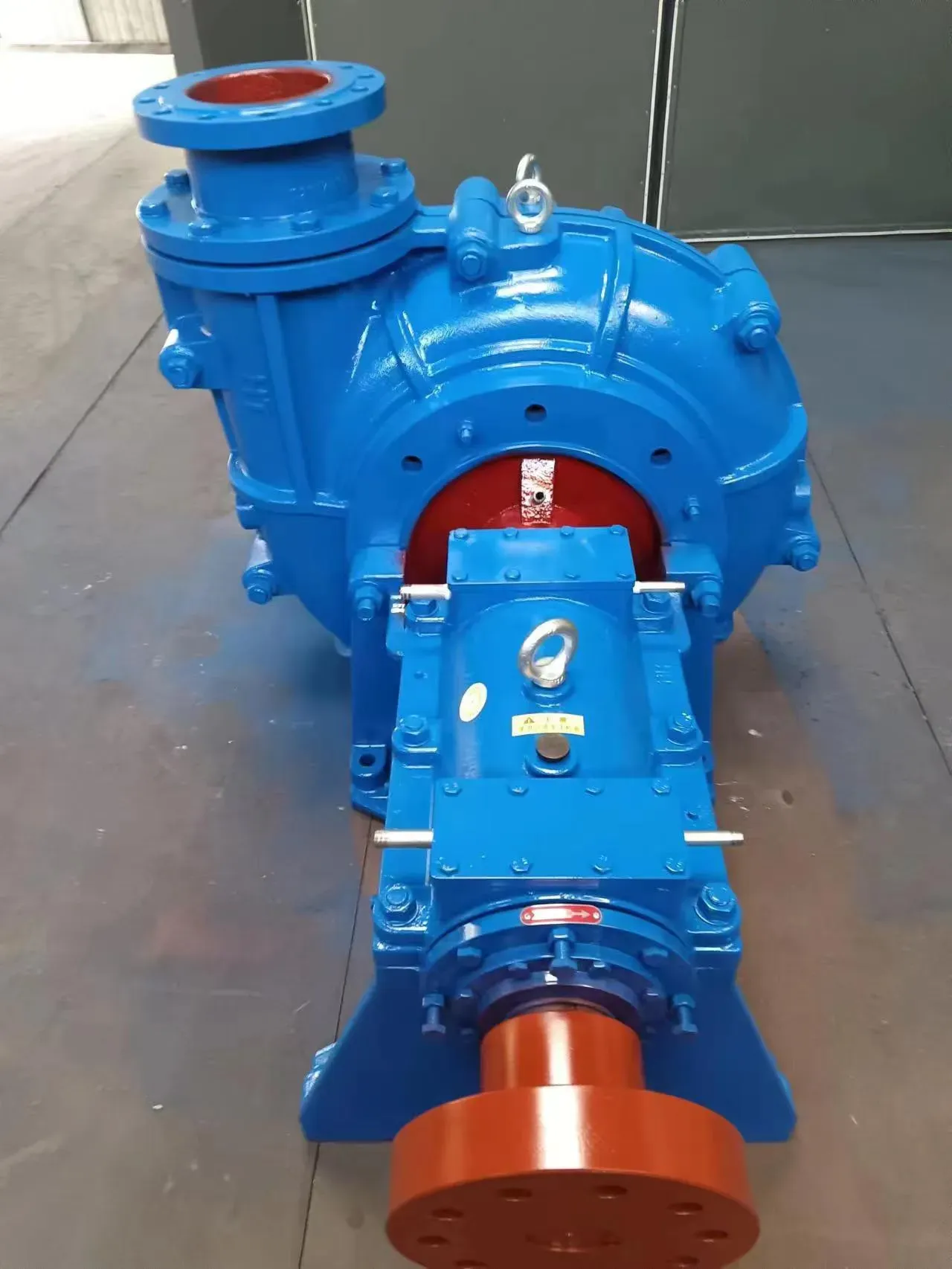
High head sump pumps are engineered to efficiently transfer fluids from low-lying areas to higher elevations, or against significant static head. Distinguished from standard sump pumps by their robust motor and impeller designs, these pumps are crucial in applications requiring substantial lift, such as dewatering deep excavations, mine drainage, high-rise building drainage systems, and wastewater treatment facilities. Positioned within the broader pump industry, they represent a specialized segment focused on overcoming gravitational forces and friction losses in demanding environments. Core performance metrics center on head (measured in feet or meters), flow rate (gallons per minute or liters per second), and power requirements (horsepower or kilowatts), all while maintaining efficiency and reliability under continuous operation. The primary industry pain point lies in balancing high head capability with operational efficiency and resistance to abrasive materials common in the pumped fluids.
Material Science & Manufacturing
The construction of high head sump pumps necessitates careful material selection to withstand the stresses associated with high pressures and potential corrosion. Pump casings are commonly manufactured from cast iron (ASTM A48 Class 30) for its affordability and machinability, though stainless steel (304, 316 – ASTM A743) is prevalent in corrosive environments. Impellers, the rotating component responsible for fluid displacement, often utilize high-chromium cast iron or specialized polymer materials for abrasion resistance. Shafts are typically made from high-strength alloy steel (4140 – ASTM A276) subjected to heat treatment to achieve optimal tensile strength and hardness. Seals are critical for preventing leakage and are commonly constructed from materials like Viton (fluoroelastomer) or silicon carbide, chosen for their chemical compatibility and wear resistance. Manufacturing processes include sand casting for the casing, precision machining for the impeller and shaft, and investment casting for complex impeller geometries. Welding (SMAW, GMAW – AWS D1.1) is employed for joining components, requiring stringent quality control to ensure structural integrity. Parameter control during manufacturing focuses on dimensional accuracy, surface finish, and material hardness to meet the specified performance characteristics. Electrochemical passivation treatments are often applied to stainless steel components to enhance corrosion resistance.
Performance & Engineering
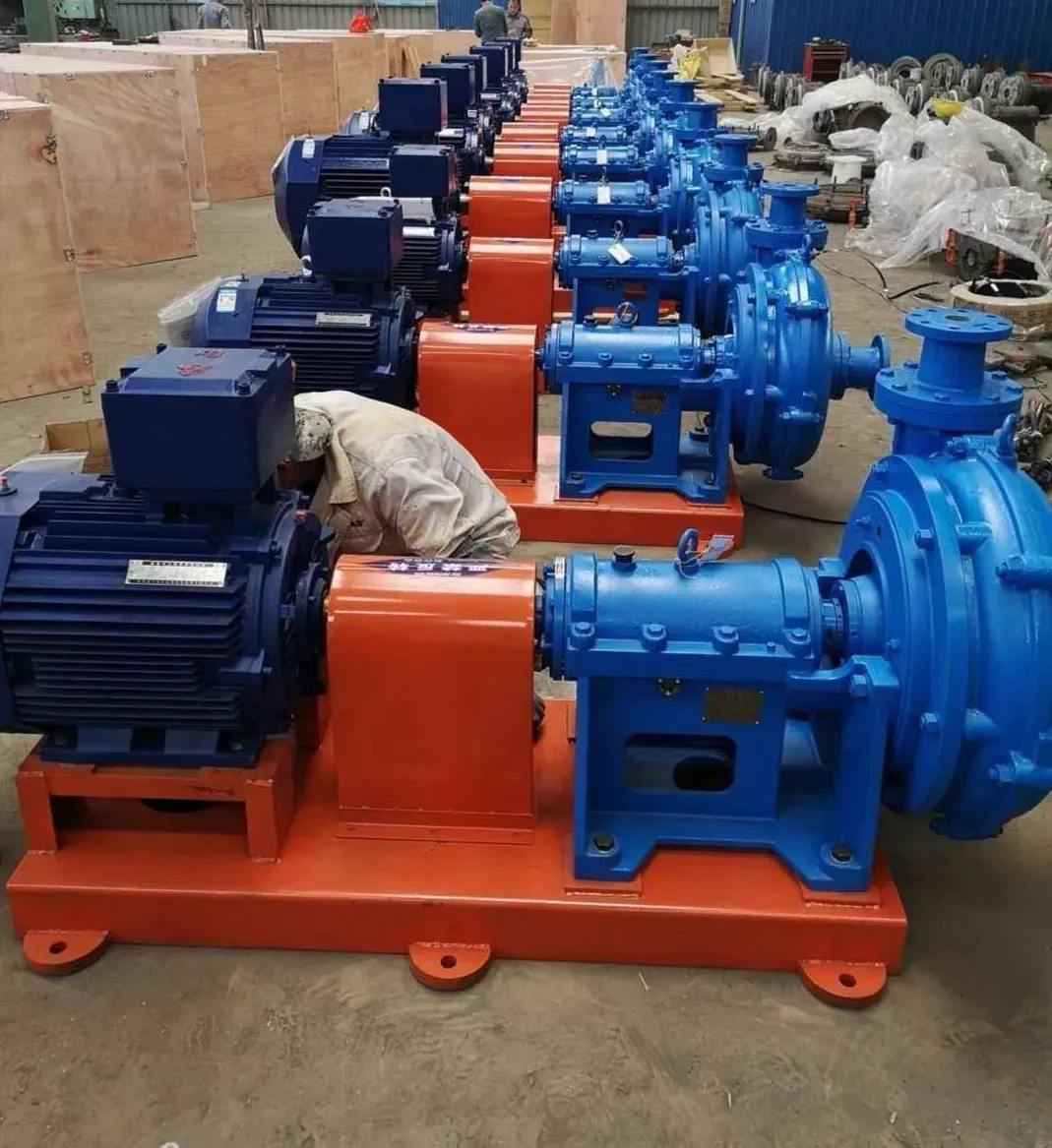
The performance of a high head sump pump is fundamentally governed by the principles of fluid dynamics. Force analysis considers the hydrostatic pressure exerted by the fluid column, the frictional losses within the piping system, and the kinetic energy of the fluid. Pump curves, generated through rigorous testing (Hydraulic Institute Standards), illustrate the relationship between head, flow rate, and power consumption. Environmental resistance is a critical engineering consideration, particularly in outdoor installations. Pumps must be capable of withstanding temperature extremes, exposure to UV radiation, and potential submersion in corrosive fluids. Motor enclosures (NEMA ratings) are specified based on the anticipated environmental conditions. Compliance requirements include adherence to electrical safety standards (UL 508A, CSA C22.2 No. 10) and potentially hazardous location classifications (Class I, Division 1 or 2 – NEC 500). Functional implementation requires careful system design, including proper pipe sizing, check valve selection to prevent backflow, and adequate power supply capacity. Cavitation, a common performance issue, arises when the pump inlet pressure drops below the vapor pressure of the fluid, forming bubbles that collapse and damage the impeller. Proper Net Positive Suction Head Required (NPSHr) calculations are essential to avoid cavitation. Variable Frequency Drives (VFDs) are often integrated to modulate pump speed and optimize energy consumption based on demand.
Technical Specifications
| Parameter | Units | Typical Range (Low) | Typical Range (High) |
|---|---|---|---|
| Maximum Head | Feet | 100 | 500 |
| Flow Rate | GPM | 50 | 500 |
| Motor Power | HP | 5 | 100 |
| Impeller Diameter | Inches | 6 | 24 |
| Suction Pipe Diameter | Inches | 2 | 12 |
| Discharge Pipe Diameter | Inches | 2 | 12 |
Failure Mode & Maintenance
High head sump pumps are susceptible to several failure modes. Fatigue cracking of the impeller, particularly around the vane roots, can occur due to cyclical stress. Shaft misalignment and bearing wear contribute to increased vibration and eventual bearing failure. Corrosion, especially in aggressive fluid environments, leads to casing erosion and impeller degradation. Seal failure results in leakage and potential motor damage. Cavitation, as previously mentioned, causes pitting and erosion of the impeller. Delamination of protective coatings on the impeller or casing reduces corrosion resistance. Preventive maintenance is critical to prolong pump life. Regular inspection of bearings, seals, and impellers is essential. Lubrication schedules should be strictly adhered to (using appropriate greases – NLGI grades). Vibration analysis can detect early signs of bearing wear or misalignment. Routine cleaning of the pump casing and suction strainer prevents clogging. For corrosion-prone applications, cathodic protection or sacrificial anodes can be implemented. Periodic replacement of worn components (seals, bearings, impellers) minimizes downtime and prevents catastrophic failures. Non-destructive testing (NDT) methods, such as ultrasonic testing (UT) or radiographic testing (RT), can identify hidden cracks or defects.
Industry FAQ
Q: What is the primary difference between a high head and a standard sump pump in terms of impeller design?
A: High head pumps typically employ impellers with a greater number of vanes and a more pronounced curvature. This design generates higher centrifugal force, enabling the pump to lift fluids to greater heights. Standard sump pumps prioritize flow rate over head, utilizing impellers with fewer vanes and a shallower curvature.
Q: How does fluid viscosity affect the performance of a high head sump pump?
A: Increased fluid viscosity leads to higher frictional losses within the pump and piping system, reducing both flow rate and overall efficiency. Selecting a pump with a higher power rating or adjusting the impeller speed may be necessary to compensate for increased viscosity.
Q: What are the key considerations when selecting a material for a high head sump pump handling abrasive fluids?
A: For abrasive fluids, materials with high hardness and abrasion resistance are crucial. High-chromium cast iron, ceramic coatings, or specialized polymer materials are often preferred over standard cast iron or steel. Regular inspection and replacement of wear components are also essential.
Q: What role does Net Positive Suction Head (NPSH) play in preventing pump damage?
A: Adequate NPSH is essential to prevent cavitation. The available NPSH at the pump inlet must exceed the pump's NPSHr. Insufficient NPSH leads to vapor bubble formation, which collapses and damages the impeller.
Q: How can Variable Frequency Drives (VFDs) improve the energy efficiency of a high head sump pump system?
A: VFDs allow the pump speed to be adjusted to match the actual flow rate demand. Reducing pump speed significantly lowers energy consumption, particularly during periods of low demand. This also reduces mechanical stress on the pump components, extending their service life.
Conclusion
High head sump pumps represent a critical technology for fluid transfer in challenging applications demanding significant lift. Their performance is dictated by a complex interplay of material science, hydrodynamic principles, and careful engineering design. Selecting the appropriate pump requires a thorough understanding of the fluid properties, system head requirements, and environmental conditions.
Effective maintenance practices, including regular inspection, lubrication, and component replacement, are paramount to ensuring long-term reliability and minimizing downtime. Continuous advancements in materials and pump designs are driving increased efficiency, reduced maintenance costs, and improved operational performance within this specialized segment of the pump industry.
-
residential sewage pumps Material Science and Manufacturing
News2026-05-26
-
residential sewage lift pump Performance Analysis
News2026-05-26
-
high head sump pump Performance and Engineering
News2026-05-26
-
effluent pump for septic tank Material Science Manufacturing
News2026-05-26
-
effluent and sewage pumps Material Science Manufacturing
News2026-05-26
-
1 2 hp sewage ejector pump Performance Engineering
News2026-05-25
-
Zoeller 1/2 hp sewage pump Performance Analysis
News2026-05-25
-
Effluent Pump Performance Analysis
News2026-05-25
-
sump pump vs effluent pump Performance Analysis
News2026-05-25
-
sewer pumps residential Performance Analysis
News2026-05-25
-
Sewage Pump Company Performance and Engineering
News2026-05-24
-
sewage pump 1/2 hp Performance Analysis
News2026-05-24
-
Sewage Ejector Systems Performance Analysis
News2026-05-24
-
Sewage Ejection System Material Science and Manufacturing
News2026-05-24
-
sewage and effluent pumps Performance Engineering
News2026-05-24




