English
- Afrikaans
- Albanian
- Amharic
- Arabic
- Armenian
- Azerbaijani
- Basque
- Belarusian
- Bengali
- Bosnian
- Bulgarian
- Catalan
- Cebuano
- Corsican
- Croatian
- Czech
- Danish
- Dutch
- English
- Esperanto
- Estonian
- Finnish
- French
- Frisian
- Galician
- Georgian
- German
- Greek
- Gujarati
- Haitian Creole
- hausa
- hawaiian
- Hebrew
- Hindi
- Miao
- Hungarian
- Icelandic
- igbo
- Indonesian
- irish
- Italian
- Japanese
- Javanese
- Kannada
- kazakh
- Khmer
- Rwandese
- Korean
- Kurdish
- Kyrgyz
- Lao
- Latin
- Latvian
- Lithuanian
- Luxembourgish
- Macedonian
- Malgashi
- Malay
- Malayalam
- Maltese
- Maori
- Marathi
- Mongolian
- Myanmar
- Nepali
- Norwegian
- Norwegian
- Occitan
- Pashto
- Persian
- Polish
- Portuguese
- Punjabi
- Romanian
- Russian
- Samoan
- Scottish Gaelic
- Serbian
- Sesotho
- Shona
- Sindhi
- Sinhala
- Slovak
- Slovenian
- Somali
- Spanish
- Sundanese
- Swahili
- Swedish
- Tagalog
- Tajik
- Tamil
- Tatar
- Telugu
- Thai
- Turkish
- Turkmen
- Ukrainian
- Urdu
- Uighur
- Uzbek
- Vietnamese
- Welsh
- Bantu
- Yiddish
- Yoruba
- Zulu

Telephone: +86 13120555503
Email: frank@cypump.com


Apr . 01, 2024 17:55 Back to list
high head submersible sewage pump Performance Analysis
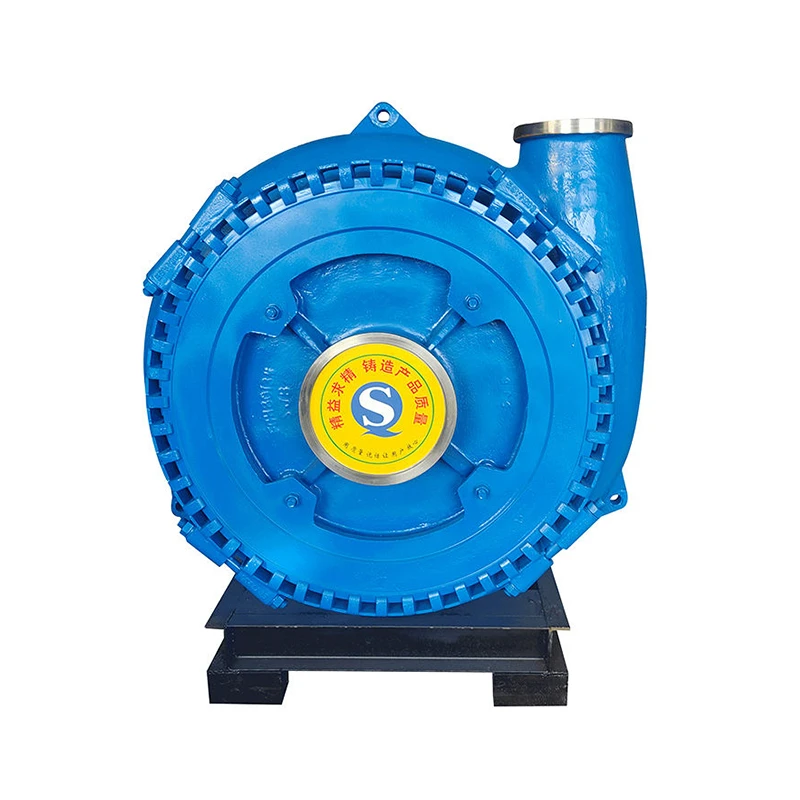
Introduction
High head submersible sewage pumps are specialized centrifugal pumps designed for the efficient and reliable transfer of wastewater and sewage in applications demanding significant vertical lift. Unlike conventional sewage pumps, these units are fully submersible, eliminating the need for above-ground priming and reducing noise pollution. Their core function within the wastewater treatment chain involves lifting effluent from collection sumps, pumping stations, or deep well environments to higher elevations for subsequent processing or discharge. Performance is critically defined by head (the maximum height the pump can lift fluid), flow rate (volume of fluid pumped per unit time), solids handling capability, and overall system efficiency. The growing demand for robust and energy-efficient wastewater infrastructure drives the continuous development of improved impeller designs, motor technologies, and sealing systems in high head submersible pumps. A primary industry pain point lies in balancing operational efficiency with the corrosive and abrasive nature of sewage, requiring careful material selection and robust mechanical design to minimize maintenance and maximize lifespan.
Material Science & Manufacturing
The construction of high head submersible sewage pumps necessitates a careful selection of materials to withstand the harsh operating environment. Pump casings are typically manufactured from ductile iron (ASTM A536-83) due to its high tensile strength, impact resistance, and corrosion resistance, often further enhanced by epoxy or polyurethane coatings. Impellers, the rotational component responsible for generating head, are frequently constructed from high-chrome cast iron (ASTM A532 Grade III) to resist abrasive wear from suspended solids. Shafts are generally fabricated from stainless steel (AISI 4140 or 316) for high strength and corrosion resistance. Mechanical seals, a critical component ensuring leak-free operation, utilize silicon carbide faces against stainless steel housings to provide excellent wear resistance and chemical compatibility. Manufacturing processes involve several key stages. Casting forms the base for the casing and impeller. Precision machining is then employed to achieve tight tolerances and smooth surface finishes, essential for hydraulic efficiency. Welding, adhering to AWS D1.1 standards, joins the various components. A crucial parameter is impeller balancing, achieved through dynamic balancing to minimize vibration and extend bearing life. Finally, rigorous quality control checks, including hydrostatic testing and non-destructive examination (NDE), ensure the pump meets specified performance and safety criteria. Selection of elastomer materials for seals and O-rings must consider compatibility with various chemical constituents present in sewage, including sulfates, chlorides, and organic compounds.
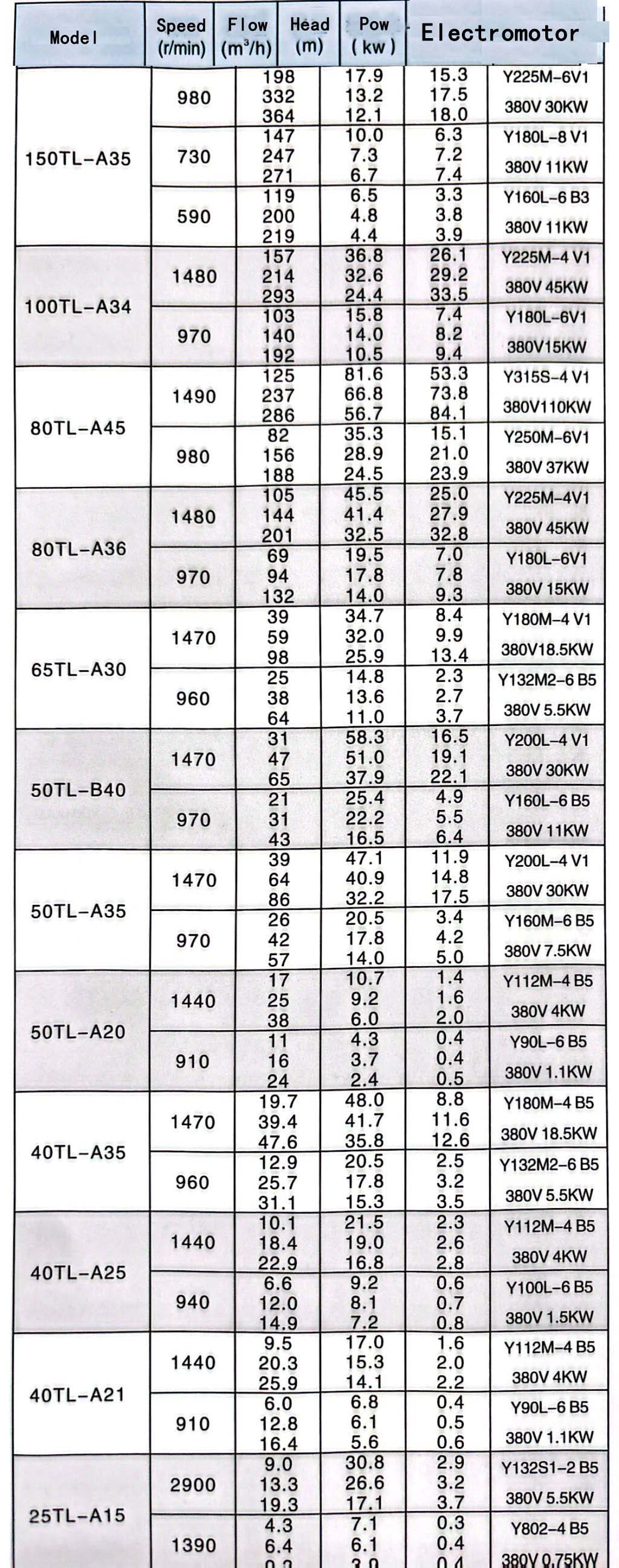
Performance & Engineering
The performance of a high head submersible sewage pump is governed by several key engineering principles. The pump's head-capacity curve, a graphical representation of the relationship between head and flow rate, is a fundamental design parameter. Force analysis must account for hydrostatic pressure, dynamic pressure from fluid flow, and the weight of the pump itself. Cavitation, the formation and collapse of vapor bubbles within the impeller, is a significant concern at high head conditions and must be mitigated through appropriate impeller design and net positive suction head (NPSH) calculations adhering to Hydraulic Institute standards. Environmental resistance is critical, particularly corrosion prevention. Galvanic corrosion can occur due to the dissimilar metals used in construction; sacrificial anodes (zinc or magnesium) or cathodic protection systems can be employed to mitigate this. Compliance requirements vary by region but generally include adherence to CE marking (European Union), UL listing (United States), and local wastewater discharge regulations. Motor selection is crucial, typically using squirrel-cage induction motors designed for continuous submerged operation, insulated to IEC 60034-8 standards. The pump's lifting capacity is directly related to the pump’s specific gravity and the fluid viscosity; modifications in these parameters require adjustments to motor power and impeller design. Bearing selection is also vital, favoring sealed, lubricated-for-life bearings to minimize maintenance and prevent water ingress.
Technical Specifications
| Parameter | Unit | Typical Value (Range) | Testing Standard |
|---|---|---|---|
| Head (Maximum) | m | 50-150 | ISO 9906:2012 |
| Flow Rate | m³/h | 10-200 | ISO 9906:2012 |
| Motor Power | kW | 2.2-75 | IEC 60034 |
| Solids Handling | mm | 50-75 | Internal Testing |
| Cable Length | m | 10-50 (Customizable) | IEC 60502 |
| Operating Temperature | °C | 0-40 | Internal Testing |
Failure Mode & Maintenance
High head submersible sewage pumps are susceptible to several failure modes. Fatigue cracking in the pump casing or impeller can occur due to repeated stress cycles from fluid pressure and vibration. Delamination of protective coatings, such as epoxy or polyurethane, exposes the underlying metal to corrosion. Mechanical seal failure is a common issue, leading to leakage and potential motor damage. Bearing failure, often indicated by increased noise and vibration, can result from inadequate lubrication, contamination, or overload. Winding failure in the motor, caused by insulation breakdown due to moisture ingress or overheating, is a critical failure. Oxidation and corrosion of electrical connections can lead to intermittent operation or complete failure. Regular maintenance is crucial for preventing these failures. This includes periodic inspection of the pump for signs of corrosion, cracking, or leakage. Seal replacement should be performed according to manufacturer's recommendations. Bearing lubrication (if applicable) and motor winding insulation testing are essential preventative measures. Analysis of the pumped fluid for abrasive content can inform the frequency of impeller inspection and replacement. Thorough cleaning of the pump’s exterior and intake screen prevents clogging and maintains efficient operation. Monitoring vibration levels using vibration analysis tools (ISO 10816) can detect early signs of bearing or impeller issues.
Industry FAQ
Q: What is the impact of solids content on pump selection and lifespan?
A: Higher solids content significantly impacts pump selection. Abrasive solids accelerate wear on the impeller and casing, reducing lifespan. Impellers designed with hardened materials (high-chrome cast iron) and larger flow passages are necessary for handling high solids loads. Regular monitoring of wear rates and preemptive impeller replacement are essential maintenance practices.
Q: How do you mitigate the risk of corrosion in a sewage pumping application?
A: Corrosion is mitigated through material selection (ductile iron with protective coatings, stainless steel), cathodic protection systems, and the use of sacrificial anodes. Regular inspection for signs of corrosion and prompt repair of damaged coatings are vital. Monitoring the pH of the wastewater can help identify potential corrosion risks.
Q: What considerations are important for cable selection and installation?
A: Cables must be rated for continuous submerged operation and resistant to chemical attack from sewage constituents (IEC 60502). Proper cable length and secure connection to the pump’s terminal box are crucial. Strain relief mechanisms are essential to prevent cable damage from movement or weight. Regular inspection of the cable for wear or damage is recommended.
Q: How does the Net Positive Suction Head (NPSH) affect pump performance?
A: Insufficient NPSH can lead to cavitation, damaging the impeller and reducing pump efficiency. Proper pump placement and sump design are critical to ensure adequate NPSH availability. Calculating NPSH required by the pump (NPSHr) and comparing it to NPSH available (NPSHa) is a fundamental engineering practice.
Q: What are the benefits of using variable frequency drives (VFDs) with these pumps?
A: VFDs allow for precise control of pump speed, optimizing energy consumption and reducing mechanical stress. They can also be used to prevent pump cycling and extend lifespan. VFDs are particularly beneficial in applications with variable flow rate requirements.
Conclusion
High head submersible sewage pumps represent a critical component of modern wastewater management infrastructure. Their robust design, coupled with appropriate material selection and meticulous manufacturing processes, ensures reliable performance in demanding environments. Understanding the underlying engineering principles governing their operation, including hydraulic performance, corrosion mitigation, and failure mode analysis, is paramount for optimizing lifespan and minimizing operational costs.
Future advancements in this field are likely to focus on improved impeller designs for enhanced efficiency and solids handling, the integration of smart sensors for predictive maintenance, and the development of more sustainable and corrosion-resistant materials. Continued adherence to relevant international standards and a proactive approach to maintenance will be crucial for ensuring the long-term reliability and efficiency of these essential systems.
-
Precision at the Pump: How Better Machining Protects Flow and Uptime
News2026-11-20
-
Why Pump Reliability Begins Before the First Drop of Fluid
News2026-11-20
-
Beyond the Pump: Designing Safer Access Around Critical Water Infrastructure
News2026-11-20
-
Why Pumping Stations Depend on the Infrastructure Beneath the Pumps
News2026-11-20
-
Beyond the Pump Room: How Smarter Loading Protects Industrial Equipment
News2026-11-19
-
When Pumps Stop: Designing More Resilient Power for Critical Pumping Systems
News2026-11-19
-
The Hidden Role of Dust and Gas Monitoring in Reliable Pump Operations
News2026-11-19
-
The Hidden Role of Mineral Compounds in Extending Industrial Pump Lifespan
News2026-10-12
-
Why Pump System Reliability Depends on Precision Hose Assembly Methods
News2026-09-15
-
How Advanced Imaging Films Are Transforming Pump Component Quality Control
News2026-08-25
-
How Advanced Filtration Protects Pump Systems from Premature Wear and Costly Downtime
News2026-08-25
-
How Steel Material Selection Drives Pump Reliability in Heavy-Duty Systems
News2026-08-25
-
Ensuring Pump System Efficiency: The Role of High-Quality Pipe Fittings and Tubing
News2026-08-24
-
Optimizing Fluid Dynamics and Material Consistency in Industrial Processing
News2026-08-18
-
Innovations and Challenges in Hydraulic Systems for Heavy Machinery
News2026-08-13




