English
- Afrikaans
- Albanian
- Amharic
- Arabic
- Armenian
- Azerbaijani
- Basque
- Belarusian
- Bengali
- Bosnian
- Bulgarian
- Catalan
- Cebuano
- Corsican
- Croatian
- Czech
- Danish
- Dutch
- English
- Esperanto
- Estonian
- Finnish
- French
- Frisian
- Galician
- Georgian
- German
- Greek
- Gujarati
- Haitian Creole
- hausa
- hawaiian
- Hebrew
- Hindi
- Miao
- Hungarian
- Icelandic
- igbo
- Indonesian
- irish
- Italian
- Japanese
- Javanese
- Kannada
- kazakh
- Khmer
- Rwandese
- Korean
- Kurdish
- Kyrgyz
- Lao
- Latin
- Latvian
- Lithuanian
- Luxembourgish
- Macedonian
- Malgashi
- Malay
- Malayalam
- Maltese
- Maori
- Marathi
- Mongolian
- Myanmar
- Nepali
- Norwegian
- Norwegian
- Occitan
- Pashto
- Persian
- Polish
- Portuguese
- Punjabi
- Romanian
- Russian
- Samoan
- Scottish Gaelic
- Serbian
- Sesotho
- Shona
- Sindhi
- Sinhala
- Slovak
- Slovenian
- Somali
- Spanish
- Sundanese
- Swahili
- Swedish
- Tagalog
- Tajik
- Tamil
- Tatar
- Telugu
- Thai
- Turkish
- Turkmen
- Ukrainian
- Urdu
- Uighur
- Uzbek
- Vietnamese
- Welsh
- Bantu
- Yiddish
- Yoruba
- Zulu

Telephone: +86 13120555503
Email: frank@cypump.com


Apr . 01, 2024 17:55 Back to list
high head submersible pump Performance Analysis
Introduction
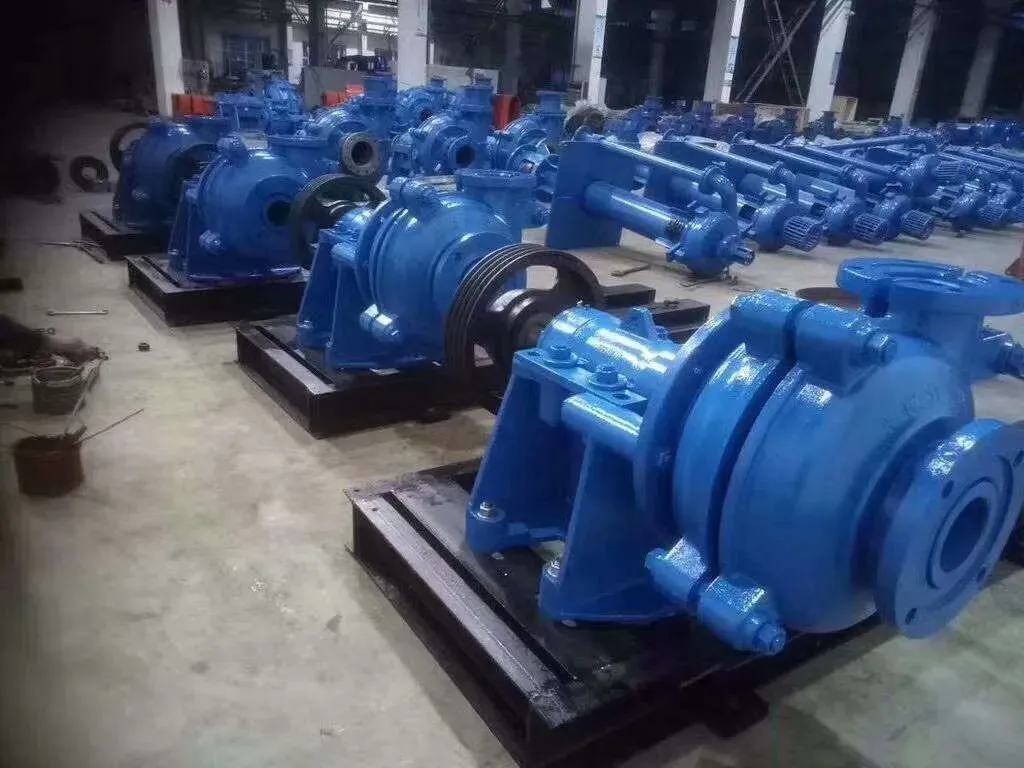
High head submersible pumps are centrifugal pumps specifically designed for applications requiring the lifting of fluids to significant heights. Positioned within the industrial fluid management chain as a critical component following fluid sourcing (wells, reservoirs, etc.) and preceding distribution or processing, these pumps are essential in industries like mining, dewatering, water supply, and wastewater treatment. Their core performance characteristics are defined by their head (the maximum height the pump can lift fluid, measured in meters or feet), flow rate (volume of fluid delivered per unit time), power requirements, and efficiency. A key challenge in this sector revolves around balancing high head requirements with maintaining acceptable flow rates and operational longevity, particularly in abrasive or corrosive fluid environments. Submersible design eliminates the need for surface priming and reduces suction lift limitations inherent in traditional pumps, representing a significant advantage. The increasing demand for reliable and efficient water management in challenging environments drives continued innovation in high head submersible pump technology.
Material Science & Manufacturing
The construction of high head submersible pumps relies heavily on specific material properties to withstand the stresses of operation. Pump casings are commonly manufactured from cast iron (ASTM A48 Class 30), stainless steel (304, 316, or duplex stainless steels for corrosive environments – ASTM A240), or high-strength alloys like ductile iron (ASTM A536). Impeller materials require even greater robustness. Common choices include bronze (ASTM B148), high-chromium cast iron, or specialized stainless steel alloys. Shaft materials typically consist of high-tensile strength alloy steel (4140 or similar – ASTM A276) heat-treated for increased durability. Seals are crucial, employing materials like nitrile rubber (NBR), Viton (FKM), or silicon carbide (SiC) depending on fluid compatibility and temperature. Manufacturing processes include sand casting for casings and impellers, precision machining for shafts and wear rings, and investment casting for complex impeller geometries. Welding processes (SMAW, GTAW – AWS D1.1) are vital for joining components. Critical parameter control involves ensuring accurate impeller balancing (ISO 1940-1) to minimize vibration, precise bearing fit (ISO 286) to prolong bearing life, and meticulous surface finishing (Ra values as low as 0.8µm) to reduce friction and improve hydraulic efficiency. The choice of elastomeric materials is dictated by chemical compatibility data (ASTM D2000) to prevent swelling or degradation. Non-destructive testing (NDT) methods like ultrasonic testing (UT – ASTM E797) and magnetic particle inspection (MPI – ASTM E1444) are employed to detect internal flaws in critical components.
Performance & Engineering
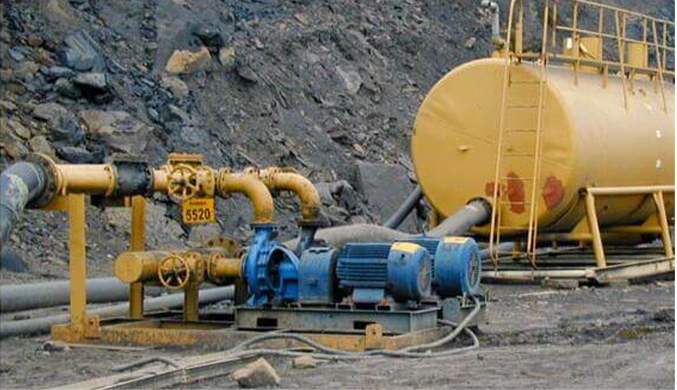
The performance of a high head submersible pump is fundamentally governed by fluid dynamics and mechanical engineering principles. Force analysis involves calculating hydrostatic pressure based on fluid density and lift height, dynamic pressure losses due to friction within the pump and piping, and mechanical stresses on the pump components. The pump’s head-flow curve is a critical performance characteristic, defining the relationship between discharge pressure (head) and flow rate. Environmental resistance is a significant consideration. Pumps operating in harsh environments must be protected against corrosion (NACE MR0175/ISO 15156), abrasion (requiring wear-resistant coatings or materials), and temperature extremes. Compliance requirements include adherence to hydraulic institute standards (HI), electrical safety standards (IEC 60034), and regional water quality regulations. Functional implementation details include careful selection of impeller design (radial, mixed-flow, or axial flow) based on the specific head and flow rate requirements. The pump’s motor must be appropriately sized to provide sufficient power while maintaining acceptable efficiency. Cable selection is crucial, requiring submersible-grade cable with appropriate insulation and protection against water ingress (IEC 60502). Proper pump installation, including adequate support and alignment, is essential to prevent premature failure. Furthermore, understanding the Net Positive Suction Head Required (NPSHr) is crucial to avoid cavitation, a phenomenon that can severely damage the impeller and reduce pump performance.
Technical Specifications
| Parameter | Unit | Typical Range (Small Pump) | Typical Range (Large Pump) |
|---|---|---|---|
| Head | m | 50 - 150 | 200 - 1000 |
| Flow Rate | m³/h | 5 - 50 | 100 - 500 |
| Power | kW | 2.2 - 7.5 | 37 - 250 |
| Impeller Diameter | mm | 150 - 300 | 400 - 800 |
| Maximum Solid Handling | mm | 5 - 10 | 20 - 50 |
| Operating Temperature | °C | 0 - 60 | 0 - 80 |
Failure Mode & Maintenance
High head submersible pumps are susceptible to several failure modes. Fatigue cracking in the impeller or casing can occur due to cyclic stresses. Delamination of coatings (e.g., epoxy coatings) can expose the underlying metal to corrosion. Degradation of seals leads to leakage and loss of pump efficiency. Oxidation of metallic components occurs in aggressive environments. Abrasion from suspended solids causes wear on the impeller and wear rings. Cavitation, as previously mentioned, severely damages the impeller. Bearing failure is common due to lack of lubrication or excessive loading. Maintenance solutions include regular inspection of seals and bearings, replacement of worn components, application of protective coatings, and monitoring of pump performance parameters (pressure, flow rate, current draw). Preventive maintenance schedules should be implemented based on operating hours and fluid characteristics. Oil analysis (ASTM D4057) can detect early signs of bearing wear. Vibration analysis (ISO 10816) can identify imbalances or misalignments. Thorough cleaning of the pump and surrounding system prevents the buildup of deposits that can restrict flow and reduce efficiency. Proper storage during periods of inactivity prevents corrosion and deterioration of seals.
Industry FAQ
Q: What is the optimal impeller material for handling highly abrasive slurries?
A: For highly abrasive slurries, high-chromium cast iron is generally the optimal impeller material. Its high hardness and wear resistance significantly prolongs impeller life compared to bronze or standard stainless steels. Hardfacing techniques can further enhance abrasion resistance in critical areas. The specific chromium content should be determined based on the slurry's particle size and hardness.
Q: How does the specific gravity of the fluid affect pump selection?
A: The specific gravity of the fluid directly impacts the pump’s head requirement. Denser fluids require more power to lift to the same height. Pump curves are typically provided for water (specific gravity of 1.0). For fluids with higher specific gravity, the pump's head and power requirements must be adjusted accordingly using appropriate correction factors.
Q: What are the common causes of pump overheating?
A: Common causes of pump overheating include insufficient flow (leading to reduced cooling), bearing failure (increased friction), impeller blockage, and motor overload. Regular monitoring of motor temperature and current draw is crucial for early detection of overheating issues.
Q: What is the significance of the NPSHr and how can it be addressed?
A: NPSHr (Net Positive Suction Head Required) is the minimum pressure required at the pump suction to prevent cavitation. If the available NPSH (Net Positive Suction Head Available) is less than the NPSHr, cavitation will occur. This can be addressed by increasing the suction head, reducing fluid temperature, or decreasing flow rate.
Q: What are the benefits of using variable frequency drives (VFDs) with high head submersible pumps?
A: VFDs allow for precise control of pump speed, enabling optimization of flow rate and energy consumption. They also reduce mechanical stress on the pump during start-up and shut-down, extending pump life. VFDs are particularly beneficial in applications with varying flow demands.
Conclusion
High head submersible pumps represent a sophisticated engineering solution for applications demanding the efficient lifting of fluids to significant elevations. Their performance is intricately linked to material selection, manufacturing precision, and a thorough understanding of fluid dynamics. Addressing the inherent challenges related to abrasion, corrosion, and cavitation requires careful consideration of operating conditions and implementation of proactive maintenance strategies.
The continued evolution of materials science and pump design will drive improvements in efficiency, reliability, and longevity. The integration of smart monitoring systems and predictive maintenance algorithms will further enhance operational effectiveness and reduce lifecycle costs. The demands of increasingly complex and challenging fluid management applications will continue to spur innovation in this critical segment of the industrial pump market.
-
Precision at the Pump: How Better Machining Protects Flow and Uptime
News2026-11-20
-
Why Pump Reliability Begins Before the First Drop of Fluid
News2026-11-20
-
Beyond the Pump: Designing Safer Access Around Critical Water Infrastructure
News2026-11-20
-
Why Pumping Stations Depend on the Infrastructure Beneath the Pumps
News2026-11-20
-
Beyond the Pump Room: How Smarter Loading Protects Industrial Equipment
News2026-11-19
-
When Pumps Stop: Designing More Resilient Power for Critical Pumping Systems
News2026-11-19
-
The Hidden Role of Dust and Gas Monitoring in Reliable Pump Operations
News2026-11-19
-
The Hidden Role of Mineral Compounds in Extending Industrial Pump Lifespan
News2026-10-12
-
Why Pump System Reliability Depends on Precision Hose Assembly Methods
News2026-09-15
-
How Advanced Imaging Films Are Transforming Pump Component Quality Control
News2026-08-25
-
How Advanced Filtration Protects Pump Systems from Premature Wear and Costly Downtime
News2026-08-25
-
How Steel Material Selection Drives Pump Reliability in Heavy-Duty Systems
News2026-08-25
-
Ensuring Pump System Efficiency: The Role of High-Quality Pipe Fittings and Tubing
News2026-08-24
-
Optimizing Fluid Dynamics and Material Consistency in Industrial Processing
News2026-08-18
-
Innovations and Challenges in Hydraulic Systems for Heavy Machinery
News2026-08-13




