English
- Afrikaans
- Albanian
- Amharic
- Arabic
- Armenian
- Azerbaijani
- Basque
- Belarusian
- Bengali
- Bosnian
- Bulgarian
- Catalan
- Cebuano
- Corsican
- Croatian
- Czech
- Danish
- Dutch
- English
- Esperanto
- Estonian
- Finnish
- French
- Frisian
- Galician
- Georgian
- German
- Greek
- Gujarati
- Haitian Creole
- hausa
- hawaiian
- Hebrew
- Hindi
- Miao
- Hungarian
- Icelandic
- igbo
- Indonesian
- irish
- Italian
- Japanese
- Javanese
- Kannada
- kazakh
- Khmer
- Rwandese
- Korean
- Kurdish
- Kyrgyz
- Lao
- Latin
- Latvian
- Lithuanian
- Luxembourgish
- Macedonian
- Malgashi
- Malay
- Malayalam
- Maltese
- Maori
- Marathi
- Mongolian
- Myanmar
- Nepali
- Norwegian
- Norwegian
- Occitan
- Pashto
- Persian
- Polish
- Portuguese
- Punjabi
- Romanian
- Russian
- Samoan
- Scottish Gaelic
- Serbian
- Sesotho
- Shona
- Sindhi
- Sinhala
- Slovak
- Slovenian
- Somali
- Spanish
- Sundanese
- Swahili
- Swedish
- Tagalog
- Tajik
- Tamil
- Tatar
- Telugu
- Thai
- Turkish
- Turkmen
- Ukrainian
- Urdu
- Uighur
- Uzbek
- Vietnamese
- Welsh
- Bantu
- Yiddish
- Yoruba
- Zulu

Telephone: +86 13120555503
Email: frank@cypump.com


Apr . 01, 2024 17:55 Back to list
high head effluent pump Performance Analysis
Introduction
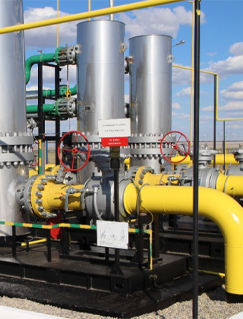
High head effluent pumps are centrifugal pumps designed to deliver fluids to significant elevations, typically exceeding 100 meters (328 feet). They represent a critical component in wastewater treatment plants, mining operations, irrigation systems, and various industrial processes where the reliable and efficient transfer of fluids against substantial hydrostatic head is required. Unlike standard effluent pumps which focus on high flow rates at lower heads, high head pumps prioritize head development, achieved through specific impeller designs and often multi-stage configurations. Their technical position within the water and wastewater treatment chain is post-treatment, responsible for discharging treated effluent to designated release points, often significantly distant or elevated from the plant itself. Core performance characteristics include achieving the required head, maintaining acceptable efficiency levels, and demonstrating robust resistance to abrasive particles and corrosive chemicals commonly found in effluent streams. A key industry pain point is balancing high head requirements with energy consumption and pump longevity in the face of increasingly stringent environmental regulations and operational cost pressures.
Material Science & Manufacturing
The construction of high head effluent pumps demands careful material selection to withstand the harsh operational environment. Pump casings are frequently manufactured from ductile iron (ASTM A536-83), chosen for its tensile strength, impact resistance, and corrosion resistance – particularly when internally coated with epoxy or polyurethane linings for further chemical protection. Impellers, the rotating components responsible for generating head, are often constructed from high-grade stainless steel (316L or Super Duplex, conforming to ASTM A992), which offers superior resistance to corrosion and erosion caused by abrasive solids present in effluent. Shafts utilize alloy steels (4140 or 4340, meeting ASTM A276) heat-treated to achieve high yield strength and fatigue resistance. Seals, a critical failure point, typically employ silicon carbide (SiC) faces, due to their hardness and chemical inertness, paired with elastomers like Viton (fluoroelastomer) or EPDM (ethylene propylene diene monomer) for effective sealing.
Manufacturing processes are equally crucial. Pump casings are typically produced via sand casting followed by rigorous quality control, including non-destructive testing (NDT) such as ultrasonic testing (UT) and radiographic inspection (RT) to detect internal flaws. Impellers are often investment cast for complex geometries and tight tolerances. Critical dimensions are verified using coordinate measuring machines (CMMs) conforming to ISO 10360-2. Welding processes, when used for casing assembly or impeller construction, require certified welders adhering to AWS D1.1 standards and utilize appropriate welding consumables selected based on the base material composition. Balancing of the impeller is paramount to minimize vibration and bearing wear, typically achieved through dynamic balancing per ISO 1940-1. Internal surface finishes are meticulously controlled to reduce friction losses and enhance hydraulic efficiency; electropolishing is frequently employed on stainless steel components.
Performance & Engineering
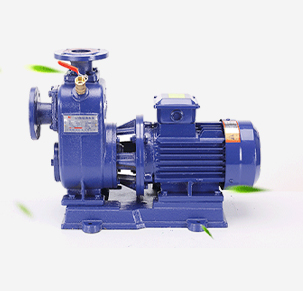
The performance of a high head effluent pump is dictated by a complex interplay of hydraulic forces and material properties. Force analysis centers around the impeller's interaction with the fluid, generating centripetal force to increase fluid velocity and subsequently pressure. Cavitation, a significant concern, occurs when the absolute pressure within the pump drops below the vapor pressure of the fluid, forming vapor bubbles that implode, causing erosion and noise. Net Positive Suction Head Required (NPSHr) is a critical parameter determined by pump design and operating conditions; it must be lower than the Net Positive Suction Head Available (NPSHa) to prevent cavitation. Pump curves, graphically representing head versus flow rate at various impeller diameters and speeds, are essential for selecting the appropriate pump for a given application. Environmental resistance is paramount. Pump casings must withstand external loads due to piping and foundation weight, adhering to pressure vessel design codes (ASME Section VIII, Division 1). Materials must resist degradation from UV exposure, temperature fluctuations, and prolonged immersion in corrosive effluent.
Compliance requirements are stringent. Effluent pumps must meet energy efficiency standards (e.g., US Department of Energy (DOE) pump efficiency standards, or European Union's ErP Directive) to minimize energy consumption. Electrical components must conform to NEMA standards for motor enclosures and wiring. Mechanical seals must meet leak-tightness standards outlined in API 682. In seismic zones, pumps must be designed to withstand earthquake forces as per applicable building codes (e.g., IBC – International Building Code). Functional implementation relies on careful system integration, including appropriate pipe sizing to minimize friction losses, properly designed suction and discharge piping configurations to ensure smooth flow, and variable frequency drives (VFDs) to optimize pump speed and energy consumption based on varying flow demands.
Technical Specifications
| Parameter | Unit | Typical Range | Material |
|---|---|---|---|
| Head | m | 100 - 500 | Ductile Iron/Stainless Steel |
| Flow Rate | m³/h | 50 - 500 | Stainless Steel |
| Power | kW | 15 - 200 | Cast Iron/Steel |
| Impeller Material | - | 316L Stainless Steel, Super Duplex | - |
| Seal Material | - | SiC/Viton, SiC/EPDM | - |
| Maximum Solid Handling | mm | Up to 50 (depending on impeller design) | - |
Failure Mode & Maintenance
High head effluent pumps are susceptible to several failure modes. Fatigue cracking in the pump casing can occur due to cyclic pressure loads and stress concentrations, particularly around nozzles and weld joints. Erosion of the impeller is common due to abrasive particles in the effluent stream, leading to decreased efficiency and eventual impeller failure. Mechanical seal failure is a frequent issue, stemming from seal wear, misalignment, or incompatibility with the fluid composition. Bearing failure, often caused by inadequate lubrication, misalignment, or excessive vibration, results in increased noise, heat generation, and eventual pump seizure. Corrosion, particularly pitting corrosion in stainless steel components, can weaken materials and lead to leaks. Cavitation, as previously discussed, induces erosion and reduces pump performance.
Preventative maintenance is critical. Regular vibration analysis (ISO 10816) can detect bearing wear and misalignment. Oil analysis can identify lubricant degradation and contamination. Periodic visual inspections should check for leaks, corrosion, and wear. Impeller balancing should be performed annually or after any repairs. Mechanical seals should be replaced according to manufacturer’s recommendations and based on operating conditions. Proper lubrication schedules must be strictly adhered to, utilizing lubricants compatible with the pump materials and operating environment (ASTM D4046). Regular cleaning of strainers and filters upstream of the pump is essential to remove abrasive solids. Non-destructive testing (NDT) methods like UT and RT should be employed periodically to assess casing integrity. Finally, maintaining accurate operating logs and analyzing performance trends can help identify potential problems before they lead to catastrophic failure.
Industry FAQ
Q: What is the impact of varying effluent solids concentration on pump selection and lifespan?
A: Higher solids concentrations necessitate pumps with hardened impellers and casings, often utilizing abrasion-resistant alloys or protective coatings. Pump selection should prioritize designs with larger flow passages to minimize clogging and erosion. Lifespan will be reduced, requiring more frequent inspections and impeller replacements. Consider installing upstream screening or pre-treatment systems to reduce solids loading.
Q: How do you mitigate cavitation risk in a high head application?
A: Ensuring adequate NPSHa is paramount. This involves optimizing suction piping design (diameter, length, and elevation), minimizing flow restrictions, and maintaining a sufficient fluid level in the suction tank. Selecting a pump with a lower NPSHr is also crucial. Consider throttling the pump speed using a VFD to reduce flow and pressure drop.
Q: What are the key considerations when selecting a mechanical seal for corrosive effluent?
A: Material compatibility is critical. Silicon carbide seal faces are generally recommended for their chemical inertness. The o-ring or gasket material must also be resistant to the specific chemicals present in the effluent; Viton, EPDM, or PTFE are common choices. Consider a double mechanical seal configuration with a barrier fluid to provide additional protection.
Q: What is the role of a Variable Frequency Drive (VFD) in optimizing high head pump performance?
A: A VFD allows for precise control of pump speed, matching flow rate to demand and minimizing energy consumption. It can also reduce hydraulic shock and water hammer, extending pump lifespan. VFDs can be programmed to automatically adjust pump speed based on level sensors or flow meters.
Q: How do you determine the optimal impeller trim for a specific application?
A: Impeller trimming involves machining the impeller diameter to adjust pump performance. It’s typically done to fine-tune the pump curve to match the system requirements. Hydraulic calculations and pump performance curves are used to determine the appropriate trim diameter. Excessive trimming can reduce pump efficiency and increase NPSHr, so it must be done carefully.
Conclusion
High head effluent pumps represent a sophisticated engineering solution for challenging fluid transfer applications. Their selection and operation demand a thorough understanding of material science, hydraulic principles, and industry standards. Optimizing performance necessitates careful consideration of NPSH requirements, solids handling capabilities, and corrosion resistance. The interplay between pump design, material selection, and proactive maintenance practices dictates overall system reliability and operational longevity.
Future trends will likely focus on advanced materials with enhanced corrosion resistance, intelligent pump monitoring systems leveraging IoT and data analytics for predictive maintenance, and improved hydraulic designs to maximize efficiency and minimize energy consumption. Adopting these innovations will be crucial for addressing the evolving demands of wastewater treatment and industrial fluid management in a sustainable and cost-effective manner.
-
pump for sewage water Performance Analysis
News2026-05-23
-
plumbing sewage ejector pump Performance Engineering
News2026-05-23
-
home sewer pump station Performance and Engineering
News2026-05-23
-
high pressure sump pump Performance Analysis
News2026-05-23
-
high head effluent pump Performance Analysis
News2026-05-23
-
Effluent vs Sump Pump Performance Analysis
News2026-05-22
-
effluent septic pump Performance Engineering
News2026-05-22
-
best sewer pumps Performance Engineering
News2026-05-22
-
best sewer pump Performance Analysis
News2026-05-22
-
best sewage pumps Performance Engineering
News2026-05-22
-
basement bathroom sewage pump Material Science Manufacturing
News2026-05-21
-
wastewater treatment plant pumps Material Science Manufacturing
News2026-05-21
-
waste water pump for basement Material Science Manufacturing
News2026-05-21
-
sump pump sewage Performance Analysis
News2026-05-21
-
sump pump for sewage Material Science and Manufacturing
News2026-05-21




