English
- Afrikaans
- Albanian
- Amharic
- Arabic
- Armenian
- Azerbaijani
- Basque
- Belarusian
- Bengali
- Bosnian
- Bulgarian
- Catalan
- Cebuano
- Corsican
- Croatian
- Czech
- Danish
- Dutch
- English
- Esperanto
- Estonian
- Finnish
- French
- Frisian
- Galician
- Georgian
- German
- Greek
- Gujarati
- Haitian Creole
- hausa
- hawaiian
- Hebrew
- Hindi
- Miao
- Hungarian
- Icelandic
- igbo
- Indonesian
- irish
- Italian
- Japanese
- Javanese
- Kannada
- kazakh
- Khmer
- Rwandese
- Korean
- Kurdish
- Kyrgyz
- Lao
- Latin
- Latvian
- Lithuanian
- Luxembourgish
- Macedonian
- Malgashi
- Malay
- Malayalam
- Maltese
- Maori
- Marathi
- Mongolian
- Myanmar
- Nepali
- Norwegian
- Norwegian
- Occitan
- Pashto
- Persian
- Polish
- Portuguese
- Punjabi
- Romanian
- Russian
- Samoan
- Scottish Gaelic
- Serbian
- Sesotho
- Shona
- Sindhi
- Sinhala
- Slovak
- Slovenian
- Somali
- Spanish
- Sundanese
- Swahili
- Swedish
- Tagalog
- Tajik
- Tamil
- Tatar
- Telugu
- Thai
- Turkish
- Turkmen
- Ukrainian
- Urdu
- Uighur
- Uzbek
- Vietnamese
- Welsh
- Bantu
- Yiddish
- Yoruba
- Zulu

Telephone: +86 13120555503
Email: frank@cypump.com


Apr . 01, 2024 17:55 Back to list
high efficiency slurry pump with short delivery time for oem applications performance analysis
Introduction
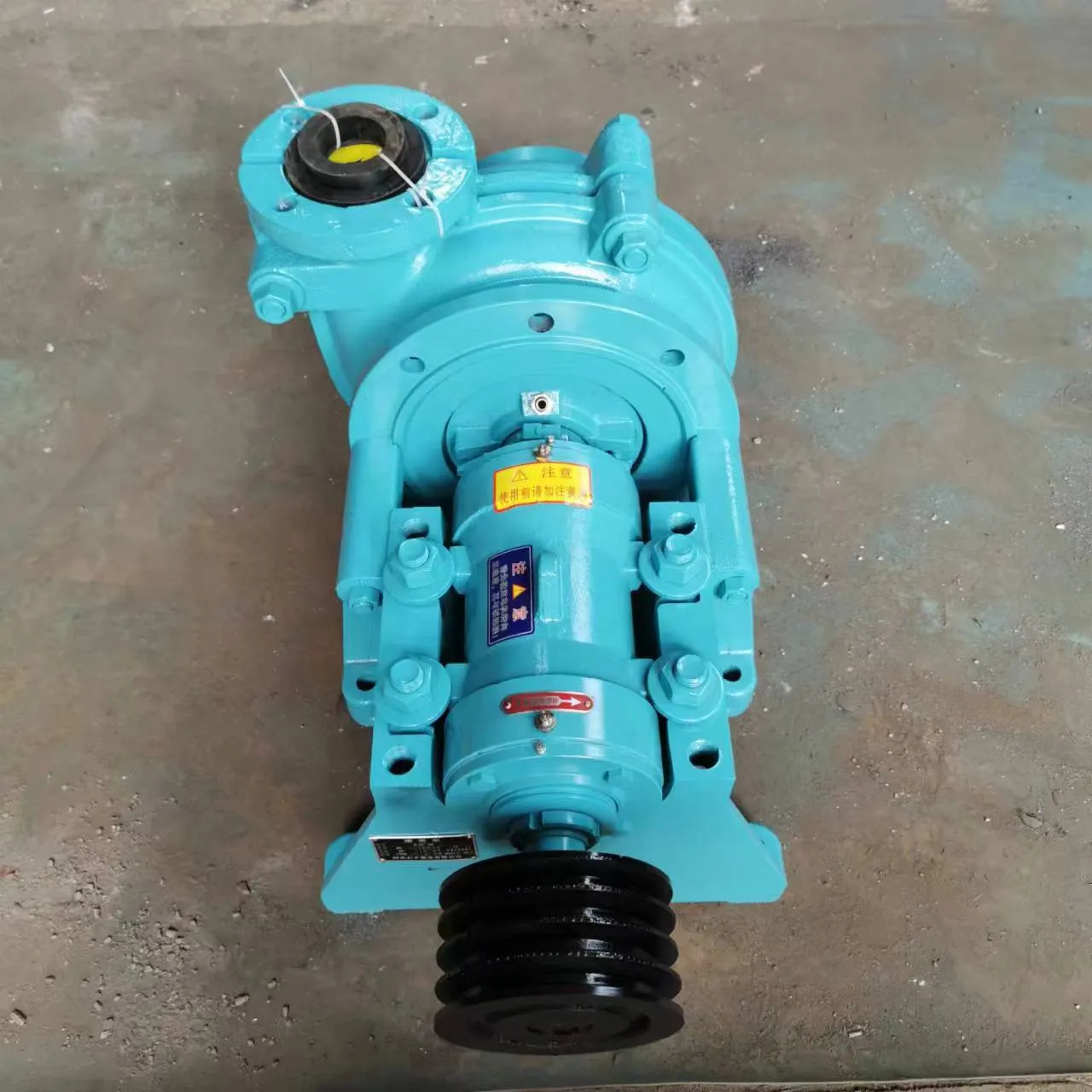
High efficiency slurry pumps are critical components in a vast array of industrial processes, primarily designed for the transportation of abrasive and highly concentrated liquids. Their technical position within the industry chain is typically downstream of material processing – mining, dredging, wastewater treatment, and chemical processing – acting as a vital link in moving process streams. The core performance characteristics of these pumps revolve around volumetric flow rate (m³/hr), head pressure (meters), solids handling capability (percentage by weight and particle size), and, crucially, hydraulic efficiency. Modern slurry pump design prioritizes minimizing energy consumption while maintaining robust performance under demanding conditions. Short delivery times for OEM applications represent a significant challenge, necessitating optimized supply chains, standardized component design, and efficient manufacturing processes. This guide provides an in-depth exploration of the material science, manufacturing techniques, performance parameters, potential failure modes, and relevant industry standards associated with high efficiency slurry pumps, tailored to the needs of original equipment manufacturers. A key pain point for OEMs is balancing cost optimization with long-term reliability and minimizing lead times without compromising quality.
Material Science & Manufacturing
The selection of materials is paramount in slurry pump construction due to the highly abrasive and often corrosive nature of the fluids handled. Pump casings are frequently constructed from high-chrome cast iron (typically 27-30% chromium), offering excellent wear resistance. Impellers, the rotating components responsible for imparting energy to the fluid, are often similarly constructed from high-chrome iron or, in applications demanding superior corrosion resistance, duplex stainless steel (e.g., 2205). Shafts are generally forged from alloy steels, such as 4140 or 4340, chosen for their high tensile strength and fatigue resistance. Elastomeric components, like liners and seals, commonly utilize natural rubber, EPDM, or polyurethane, selected based on chemical compatibility with the slurry. Manufacturing processes vary depending on component complexity. Casings are predominantly produced through sand casting, followed by heat treatment to achieve desired hardness and ductility. Impellers often undergo investment casting for complex geometries and tighter tolerances. Shafts are forged, machined, and undergo rigorous non-destructive testing (NDT), such as magnetic particle inspection, to detect internal flaws. Welding processes, when employed, typically utilize shielded metal arc welding (SMAW) or gas tungsten arc welding (GTAW) with carefully selected filler metals to maintain corrosion resistance. Key parameter control includes precise chemical composition control of castings, accurate heat treatment cycles, and dimensional accuracy achieved through CNC machining. Surface hardening treatments, like induction hardening, are frequently applied to impeller vanes and shaft surfaces to enhance wear resistance.
Performance & Engineering
Slurry pump performance is fundamentally governed by principles of fluid dynamics and mechanical engineering. Force analysis considers both hydrodynamic forces exerted by the slurry and mechanical stresses induced by rotational inertia and fluid pressure. Cavitation, a phenomenon where vapor bubbles form and collapse within the pump, is a critical concern, leading to erosion and performance degradation. Pump design incorporates features to mitigate cavitation, such as optimized impeller geometry and adequate suction head. Environmental resistance is crucial, particularly in outdoor applications. Pump casings must be designed to withstand temperature extremes, precipitation, and UV exposure. Materials selection directly impacts corrosion resistance, with considerations for pH, chloride concentration, and the presence of other corrosive agents in the slurry. Compliance requirements vary by region and application. For example, pumps used in the mining industry must meet safety standards set by regulatory bodies like MSHA (Mine Safety and Health Administration) in the United States. Pumps handling hazardous materials must comply with ATEX directives (Europe) or similar regulations regarding explosion protection. Functional implementation relies on proper pump selection based on system head curves, flow rate requirements, and slurry characteristics. Variable frequency drives (VFDs) are increasingly utilized to optimize pump performance and energy consumption by adjusting pump speed to match varying demand.
Technical Specifications
| Parameter | Unit | Typical Range | Material |
|---|---|---|---|
| Flow Rate | m³/hr | 10 - 1000 | Cast Iron/Steel |
| Head | m | 5 - 80 | Cast Iron/Steel |
| Solids Handling | % by Weight | Up to 70 | High Chrome Iron |
| Particle Size | mm | Up to 100 | High Chrome Iron |
| Pump Speed | RPM | 500 - 3600 | Variable (VFD) |
| Impeller Diameter | mm | 100 - 400 | High Chrome Iron/Duplex Stainless Steel |
Failure Mode & Maintenance
Slurry pumps are susceptible to several failure modes. Fatigue cracking in the pump shaft is common, particularly under cyclical loading and high stress concentrations. Erosion of the impeller and casing due to abrasive particles is a major concern, leading to reduced pump efficiency and eventual component failure. Delamination of rubber liners, often caused by chemical attack or mechanical stress, compromises sealing performance. Corrosion, especially in aggressive chemical environments, can lead to pitting and material degradation. Oxidation of metallic components at elevated temperatures can also contribute to failure. Bearing failure, stemming from inadequate lubrication or contamination, is another frequent issue. Preventative maintenance is crucial. Regular visual inspections should identify signs of wear, corrosion, or leakage. Lubrication schedules must be strictly adhered to. Impeller and casing wear should be monitored and components replaced before catastrophic failure. Non-destructive testing (NDT), such as ultrasonic testing, can detect internal cracks and flaws. Proper slurry management, including particle size control and chemical treatment, can significantly extend pump life. Routine vibration analysis can identify bearing wear or imbalance.
Industry FAQ
Q: What is the impact of slurry composition on pump selection?
A: Slurry composition dictates material selection and pump design. Higher solids concentrations and abrasive particle sizes necessitate pumps with hardened components and larger clearances. Chemical composition influences the choice of corrosion-resistant materials, such as duplex stainless steel or specialized polymers.
Q: How does impeller design affect pump efficiency?
A: Impeller design is critical for maximizing hydraulic efficiency. Optimized vane angles, impeller diameter, and blade profiles minimize energy losses due to turbulence and recirculation. Closed impellers are typically more efficient for lower solids content slurries, while open or semi-open impellers are better suited for handling high solids concentrations.
Q: What are the key considerations for minimizing cavitation damage?
A: Minimizing cavitation requires maintaining adequate suction head, optimizing impeller geometry to reduce pressure drops, and avoiding excessive pump speed. Proper system design and operation are crucial to prevent vapor bubble formation and subsequent implosion.
Q: What are the benefits of using variable frequency drives (VFDs) with slurry pumps?
A: VFDs allow for precise control of pump speed, optimizing energy consumption and reducing wear and tear. They enable pumps to operate efficiently across a wider range of flow rates and head pressures, adapting to changing process demands.
Q: What are the common methods for assessing wear in slurry pump components?
A: Common methods include visual inspection, dimensional measurements, weight loss analysis, and hardness testing. More advanced techniques, such as eddy current testing and ultrasonic thickness testing, can detect wear without disassembly.
Conclusion
High efficiency slurry pumps represent a complex interplay of material science, hydraulic engineering, and robust manufacturing practices. The selection, operation, and maintenance of these pumps are fundamentally dependent on a thorough understanding of the slurry’s characteristics, the application’s demands, and the potential failure modes. Optimizing pump performance requires careful consideration of impeller design, material compatibility, and system integration.
The drive for shorter delivery times for OEM applications necessitates a focus on supply chain optimization, standardized components, and efficient manufacturing processes. Continued advancements in materials science and pump design will further enhance slurry pump efficiency, reliability, and longevity, while contributing to more sustainable industrial operations. Adherence to international standards and rigorous quality control procedures are paramount to ensure long-term performance and safety.
-
Precision at the Pump: How Better Machining Protects Flow and Uptime
News2026-11-20
-
Why Pump Reliability Begins Before the First Drop of Fluid
News2026-11-20
-
Beyond the Pump: Designing Safer Access Around Critical Water Infrastructure
News2026-11-20
-
Why Pumping Stations Depend on the Infrastructure Beneath the Pumps
News2026-11-20
-
Beyond the Pump Room: How Smarter Loading Protects Industrial Equipment
News2026-11-19
-
When Pumps Stop: Designing More Resilient Power for Critical Pumping Systems
News2026-11-19
-
The Hidden Role of Dust and Gas Monitoring in Reliable Pump Operations
News2026-11-19
-
The Hidden Role of Mineral Compounds in Extending Industrial Pump Lifespan
News2026-10-12
-
Why Pump System Reliability Depends on Precision Hose Assembly Methods
News2026-09-15
-
How Advanced Imaging Films Are Transforming Pump Component Quality Control
News2026-08-25
-
How Advanced Filtration Protects Pump Systems from Premature Wear and Costly Downtime
News2026-08-25
-
How Steel Material Selection Drives Pump Reliability in Heavy-Duty Systems
News2026-08-25
-
Ensuring Pump System Efficiency: The Role of High-Quality Pipe Fittings and Tubing
News2026-08-24
-
Optimizing Fluid Dynamics and Material Consistency in Industrial Processing
News2026-08-18
-
Innovations and Challenges in Hydraulic Systems for Heavy Machinery
News2026-08-13




