English
- Afrikaans
- Albanian
- Amharic
- Arabic
- Armenian
- Azerbaijani
- Basque
- Belarusian
- Bengali
- Bosnian
- Bulgarian
- Catalan
- Cebuano
- Corsican
- Croatian
- Czech
- Danish
- Dutch
- English
- Esperanto
- Estonian
- Finnish
- French
- Frisian
- Galician
- Georgian
- German
- Greek
- Gujarati
- Haitian Creole
- hausa
- hawaiian
- Hebrew
- Hindi
- Miao
- Hungarian
- Icelandic
- igbo
- Indonesian
- irish
- Italian
- Japanese
- Javanese
- Kannada
- kazakh
- Khmer
- Rwandese
- Korean
- Kurdish
- Kyrgyz
- Lao
- Latin
- Latvian
- Lithuanian
- Luxembourgish
- Macedonian
- Malgashi
- Malay
- Malayalam
- Maltese
- Maori
- Marathi
- Mongolian
- Myanmar
- Nepali
- Norwegian
- Norwegian
- Occitan
- Pashto
- Persian
- Polish
- Portuguese
- Punjabi
- Romanian
- Russian
- Samoan
- Scottish Gaelic
- Serbian
- Sesotho
- Shona
- Sindhi
- Sinhala
- Slovak
- Slovenian
- Somali
- Spanish
- Sundanese
- Swahili
- Swedish
- Tagalog
- Tajik
- Tamil
- Tatar
- Telugu
- Thai
- Turkish
- Turkmen
- Ukrainian
- Urdu
- Uighur
- Uzbek
- Vietnamese
- Welsh
- Bantu
- Yiddish
- Yoruba
- Zulu

Telephone: +86 13120555503
Email: frank@cypump.com


Apr . 01, 2024 17:55 Back to list
high chrome slurry pump factory providing quality pumps for abrasive slurry applications
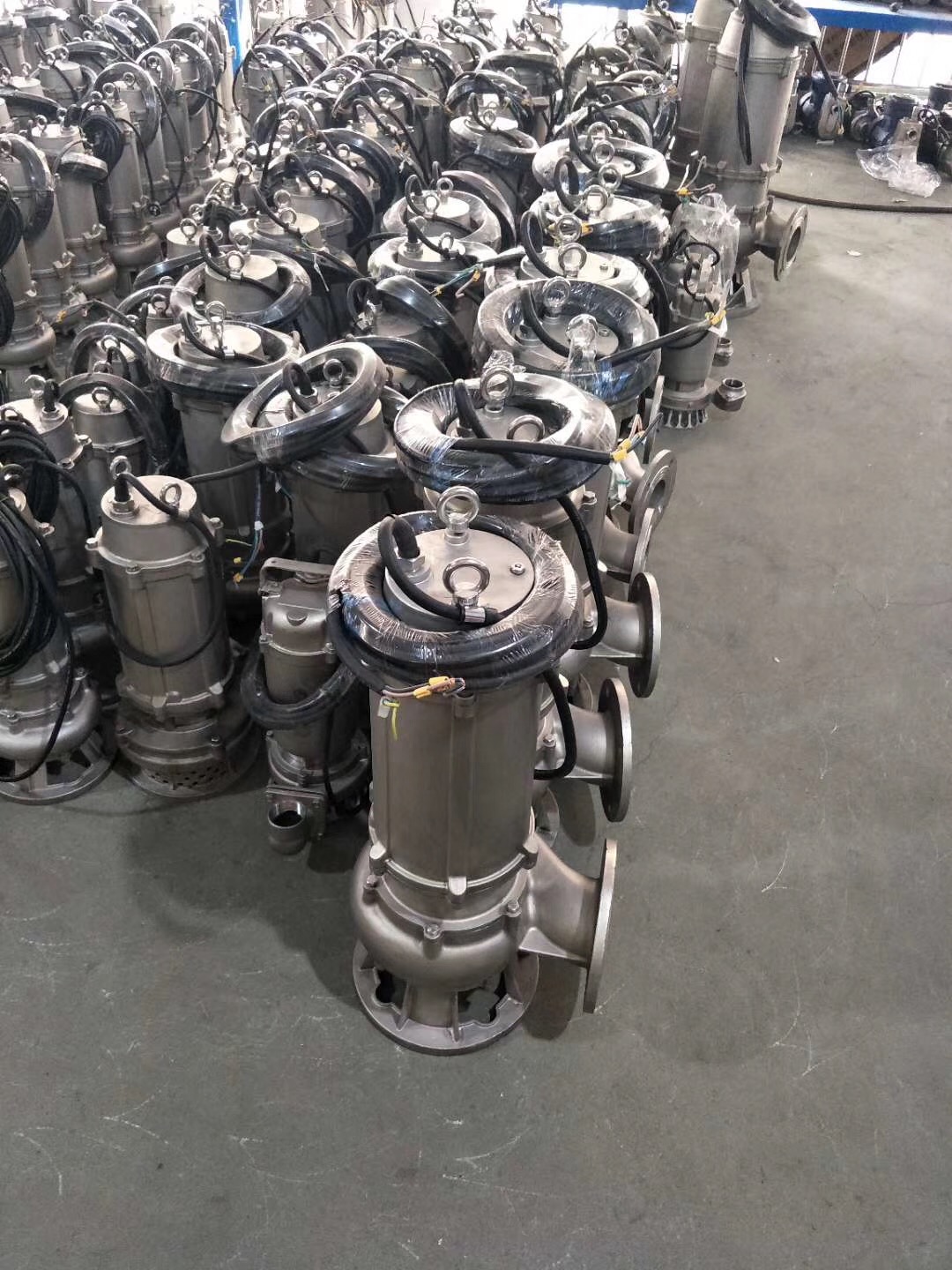
Introduction
High chrome slurry pumps are critical components in numerous industrial processes involving abrasive and corrosive fluid transport. These pumps are designed specifically to handle mixtures of liquids carrying solids, and are widely deployed in mining, dredging, wastewater treatment, chemical processing, and power generation. The “high chrome” designation refers to the utilization of high-chromium cast irons in key wetted components – notably the impeller and volute casing – to enhance wear resistance. This technical guide provides a comprehensive overview of high chrome slurry pump technology, encompassing material science, manufacturing processes, performance characteristics, failure modes, and relevant industry standards. Unlike standard centrifugal pumps, slurry pumps must address unique challenges presented by solid particle erosion, impact, and the increased hydraulic losses associated with dense slurries. The proper selection, installation, and maintenance of these pumps are paramount to operational efficiency and minimizing lifecycle costs.
Material Science & Manufacturing
The core material for high chrome slurry pumps is typically a high-chromium white cast iron, possessing between 15% and 35% chromium by weight. This alloy is characterized by the formation of hard, wear-resistant chromium carbides (Cr3C2) within a metallic matrix. The higher the chromium content, generally, the greater the volume fraction of these carbides and the superior the abrasion resistance. The raw materials include pig iron, ferrochrome, and other alloying elements such as nickel, molybdenum, and copper to refine microstructure and improve toughness. Manufacturing begins with melting the alloy in induction furnaces, followed by precise casting of the impeller and volute using techniques like sand casting or investment casting. Critical parameters during casting include melt temperature, cooling rate, and inoculation with carbide-forming elements to control carbide morphology. Following casting, components undergo heat treatment (typically annealing) to relieve stresses and optimize mechanical properties. Machining operations are then performed to achieve the required dimensional accuracy and surface finish. Impeller balancing is a crucial step to minimize vibration and ensure smooth operation. The selection of appropriate sand composition and binder systems in sand casting directly impacts surface finish and dimensional accuracy. Modern manufacturing increasingly incorporates robotic machining and non-destructive testing (NDT) methods, such as ultrasonic testing and magnetic particle inspection, to ensure component integrity.
Performance & Engineering
Slurry pump performance is defined by its hydraulic efficiency, head-capacity curve, and solids handling capability. Hydraulic efficiency is significantly impacted by impeller geometry, volute design, and internal clearances. The head-capacity curve, a graphical representation of the pump’s performance, dictates the flow rate achievable at a given discharge pressure. Engineering considerations center around minimizing erosion-corrosion rates, managing wear patterns, and optimizing pump selection for specific slurry characteristics (particle size distribution, solids concentration, specific gravity). Force analysis is critical, particularly in high-pressure applications. Impeller stresses are evaluated using Finite Element Analysis (FEA) to prevent fatigue failure. Environmental resistance is addressed by selecting appropriate materials and coatings for the pump casing and external components. For instance, epoxy coatings provide corrosion protection in aggressive chemical environments. Compliance requirements vary depending on the application. For example, pumps used in potable water applications must meet NSF/ANSI 61 standards for material safety. Functional implementation involves careful consideration of piping layout, suction lift limitations, and the installation of wear plates and liners in the pipeline to further reduce abrasive wear. Pump speed is also a key parameter; lower speeds generally reduce erosion rates but may increase pump size and cost. The pump's Net Positive Suction Head Required (NPSHr) must be less than the Net Positive Suction Head Available (NPSHa) to prevent cavitation.
Technical Specifications
| Parameter | Unit | Typical Range (High Chrome Pump) | Test Standard |
|---|---|---|---|
| Flow Rate | m3/h | 5 – 1000 | ISO 9906:2012 |
| Total Head | m | 10 – 150 | ISO 9906:2012 |
| Solids Handling Size | mm | Up to 75 | Internal Testing |
| Slurry Concentration (by weight) | % | Up to 70 | Internal Testing |
| Impeller Material | - | High Chrome White Cast Iron (e.g., 27% Cr) | ASTM A532 Grade III |
| Casing Material | - | High Chrome White Cast Iron / Ductile Iron with Rubber Lining | ASTM A48 / ISO 2521 |
Failure Mode & Maintenance
Common failure modes in high chrome slurry pumps include impeller erosion, volute casing wear, bearing failure, and seal leakage. Impeller erosion is primarily caused by the impact of abrasive particles, leading to material loss and a reduction in pump efficiency. Volute casing wear occurs similarly, but can be exacerbated by corrosion. Bearing failure is typically a consequence of inadequate lubrication, contamination, or excessive loading. Seal leakage results from wear or damage to the mechanical seals. Failure analysis should involve visual inspection, hardness testing, and metallurgical examination to identify the root cause. Preventive maintenance is crucial. Regular inspections should include checking bearing temperatures, seal leakage, and impeller wear. Lubrication schedules must be strictly adhered to. Impeller and volute replacement are inevitable, particularly in highly abrasive applications. Periodic impeller balancing and alignment checks are also recommended. Consider using wear-resistant liners in the pump casing and suction/discharge piping. Implementing a condition monitoring program, utilizing vibration analysis and oil analysis, can provide early warnings of potential failures, enabling proactive maintenance and minimizing downtime. Proper filtration of the slurry can significantly extend component life.
Industry FAQ
Q: What is the optimal chromium content in the impeller for maximizing abrasion resistance in a highly abrasive slurry?
A: While higher chromium content generally equates to increased abrasion resistance, the optimal level is often between 27% and 35%. Above 35%, the increase in hardness can lead to reduced toughness and increased susceptibility to cracking. The specific application and slurry characteristics should be considered. For extremely abrasive slurries with large particle sizes, 35% may be preferable, while for finer abrasives, 27% may offer a better balance between hardness and toughness.
Q: How does the impeller geometry influence the pump's solids handling capability?
A: Impeller geometry significantly impacts solids handling. Open impellers (with wider passages) are generally better suited for handling large solids and high solids concentrations, but may have lower hydraulic efficiency. Closed impellers (with shrouds) offer higher efficiency but are more prone to clogging. Semi-open impellers provide a compromise between efficiency and solids handling capability. The impeller vane angle also plays a role, with larger angles typically increasing head but reducing flow rate.
Q: What are the key considerations when selecting a mechanical seal for a high chrome slurry pump?
A: Mechanical seal selection is crucial. Consider the slurry’s abrasiveness, corrosivity, and temperature. Materials of construction must be compatible with the slurry. Options include silicon carbide, tungsten carbide, and ceramic seals. Double mechanical seals with a barrier fluid are often used in demanding applications to provide enhanced protection and prevent leakage. Seal flushing is also important to remove abrasive particles and keep the seal cool.
Q: How can cavitation be prevented in a high chrome slurry pump?
A: Cavitation occurs when the pressure at the pump suction drops below the vapor pressure of the liquid, forming vapor bubbles that collapse and damage the impeller. To prevent cavitation, ensure that the NPSHa (Net Positive Suction Head Available) is greater than the NPSHr (Net Positive Suction Head Required). This can be achieved by increasing the suction pressure, reducing the pump speed, or lowering the pump elevation.
Q: What is the impact of slurry velocity on pump wear?
A: Slurry velocity has a significant impact on pump wear. Higher velocities lead to increased erosion rates due to the greater kinetic energy of the abrasive particles. Optimizing pipeline diameter and pump speed to maintain a reasonable slurry velocity (typically between 2 and 4 m/s) can minimize wear. However, excessively low velocities can lead to solids settling and clogging.
Conclusion
High chrome slurry pumps are indispensable for a wide range of industrial applications requiring the reliable and efficient transport of abrasive and corrosive slurries. The selection, operation, and maintenance of these pumps require a deep understanding of material science, hydraulic principles, and failure mechanisms. By prioritizing proper material selection, adhering to recommended operating parameters, and implementing a comprehensive preventative maintenance program, operators can maximize pump lifespan, minimize downtime, and optimize overall system performance.
Future trends in high chrome slurry pump technology include the development of more wear-resistant alloys, improved impeller designs for enhanced hydraulic efficiency and solids handling, and the integration of advanced monitoring and control systems for predictive maintenance and optimized performance. Continued research and development in these areas will further enhance the reliability and cost-effectiveness of these critical industrial components.
-
Precision at the Pump: How Better Machining Protects Flow and Uptime
News2026-11-20
-
Why Pump Reliability Begins Before the First Drop of Fluid
News2026-11-20
-
Beyond the Pump: Designing Safer Access Around Critical Water Infrastructure
News2026-11-20
-
Why Pumping Stations Depend on the Infrastructure Beneath the Pumps
News2026-11-20
-
Beyond the Pump Room: How Smarter Loading Protects Industrial Equipment
News2026-11-19
-
When Pumps Stop: Designing More Resilient Power for Critical Pumping Systems
News2026-11-19
-
The Hidden Role of Dust and Gas Monitoring in Reliable Pump Operations
News2026-11-19
-
The Hidden Role of Mineral Compounds in Extending Industrial Pump Lifespan
News2026-10-12
-
Why Pump System Reliability Depends on Precision Hose Assembly Methods
News2026-09-15
-
How Advanced Imaging Films Are Transforming Pump Component Quality Control
News2026-08-25
-
How Advanced Filtration Protects Pump Systems from Premature Wear and Costly Downtime
News2026-08-25
-
How Steel Material Selection Drives Pump Reliability in Heavy-Duty Systems
News2026-08-25
-
Ensuring Pump System Efficiency: The Role of High-Quality Pipe Fittings and Tubing
News2026-08-24
-
Optimizing Fluid Dynamics and Material Consistency in Industrial Processing
News2026-08-18
-
Innovations and Challenges in Hydraulic Systems for Heavy Machinery
News2026-08-13




