English
- Afrikaans
- Albanian
- Amharic
- Arabic
- Armenian
- Azerbaijani
- Basque
- Belarusian
- Bengali
- Bosnian
- Bulgarian
- Catalan
- Cebuano
- Corsican
- Croatian
- Czech
- Danish
- Dutch
- English
- Esperanto
- Estonian
- Finnish
- French
- Frisian
- Galician
- Georgian
- German
- Greek
- Gujarati
- Haitian Creole
- hausa
- hawaiian
- Hebrew
- Hindi
- Miao
- Hungarian
- Icelandic
- igbo
- Indonesian
- irish
- Italian
- Japanese
- Javanese
- Kannada
- kazakh
- Khmer
- Rwandese
- Korean
- Kurdish
- Kyrgyz
- Lao
- Latin
- Latvian
- Lithuanian
- Luxembourgish
- Macedonian
- Malgashi
- Malay
- Malayalam
- Maltese
- Maori
- Marathi
- Mongolian
- Myanmar
- Nepali
- Norwegian
- Norwegian
- Occitan
- Pashto
- Persian
- Polish
- Portuguese
- Punjabi
- Romanian
- Russian
- Samoan
- Scottish Gaelic
- Serbian
- Sesotho
- Shona
- Sindhi
- Sinhala
- Slovak
- Slovenian
- Somali
- Spanish
- Sundanese
- Swahili
- Swedish
- Tagalog
- Tajik
- Tamil
- Tatar
- Telugu
- Thai
- Turkish
- Turkmen
- Ukrainian
- Urdu
- Uighur
- Uzbek
- Vietnamese
- Welsh
- Bantu
- Yiddish
- Yoruba
- Zulu

Telephone: +86 13120555503
Email: frank@cypump.com


Apr . 01, 2024 17:55 Back to list
heavy duty submersible sewage pumps Performance Engineering
Introduction
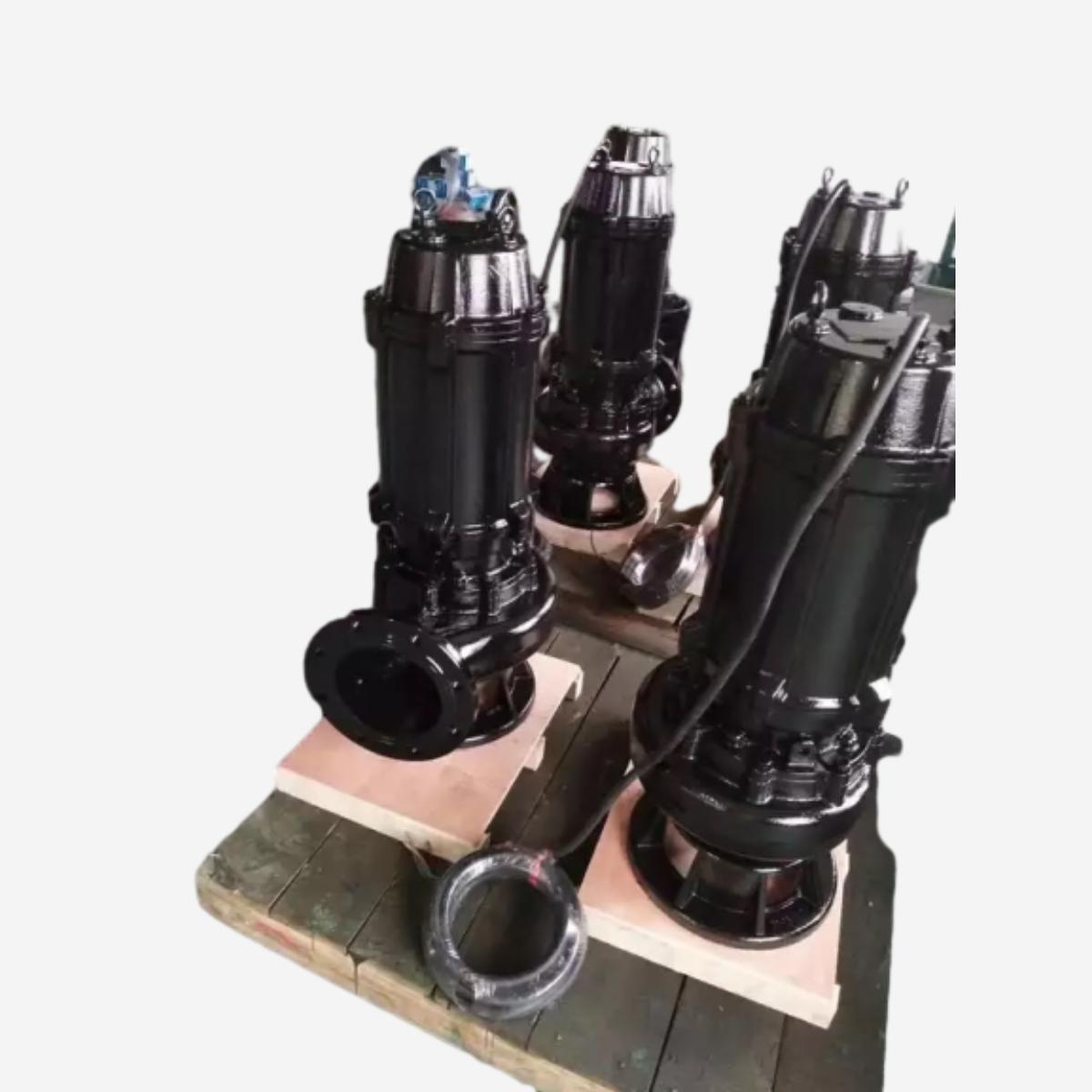
Heavy duty submersible sewage pumps are critical components in wastewater treatment facilities, municipal sewage systems, industrial effluent management, and flood control applications. These pumps are designed for continuous operation in harsh environments, handling abrasive solids and corrosive fluids. Unlike centrifugal pumps which require priming and are susceptible to cavitation, submersible pumps are inherently self-priming and operate submerged in the liquid being pumped, eliminating suction lift limitations. Their robust construction, typically utilizing hardened stainless steel or cast iron components, ensures longevity and reliability in demanding applications. The core performance characteristics – flow rate, head (pressure), and solids handling capability – define their suitability for specific applications, with selection driven by system hydraulic requirements and the nature of the pumped media. A key industry pain point is pump failure due to solids buildup, impeller wear, and motor winding degradation, leading to costly downtime and maintenance. This guide will delve into the material science, manufacturing processes, performance engineering, failure modes, and maintenance protocols associated with these essential industrial assets.
Material Science & Manufacturing
The construction of heavy duty submersible sewage pumps relies heavily on specific material properties and precise manufacturing techniques. Pump casings are commonly manufactured from ductile cast iron (ASTM A536 Grade 65-45-12) due to its high tensile strength, impact resistance, and corrosion resistance when properly coated. Impellers, responsible for imparting kinetic energy to the fluid, frequently utilize high-chrome cast iron (typically containing 13-28% chromium) or hardened stainless steel (304, 316, or duplex stainless steel) to resist abrasive wear from solids within the sewage. Shafts are generally crafted from AISI 4140 alloy steel, heat-treated for optimal strength and torsional rigidity. Motor housings are often constructed from cast iron or stainless steel for protection against corrosion and mechanical stress.
Manufacturing processes are equally critical. Casing production involves sand casting followed by precise machining to ensure dimensional accuracy and smooth flow paths. Impellers are manufactured via investment casting, providing complex geometries and refined surface finishes. Welding processes, such as submerged arc welding (SAW) or gas tungsten arc welding (GTAW), are employed for joining critical components, requiring strict adherence to welding procedures (AWS D1.1) to prevent defects. Motor winding insulation utilizes Class H (180°C) materials, providing thermal stability and electrical isolation. The pumps are assembled in a controlled environment, with rigorous quality control checks, including hydrostatic testing (API 610 standards) and impeller balance testing (ISO 1940-1), to verify performance and reliability before shipment. Parameter control during casting (cooling rate, mold composition) and welding (heat input, shielding gas) directly impacts the material microstructure and ultimately influences the pump's lifespan.

Performance & Engineering
Performance engineering of heavy duty submersible sewage pumps centers on optimizing hydraulic efficiency, solids handling capability, and overall system reliability. Force analysis is crucial, particularly concerning impeller loading and shaft stresses under varying flow conditions. Finite Element Analysis (FEA) is commonly used to model stress distributions and identify potential failure points. The pump’s head-capacity curve, a fundamental performance characteristic, is determined through hydraulic testing and is vital for matching the pump to the specific system requirements. Environmental resistance is paramount; the pump must withstand prolonged immersion in corrosive sewage and potentially aggressive soil conditions.
Compliance requirements include adherence to electrical safety standards (IEC 60335-1, UL 508A) and hydraulic performance standards (ISO 9906). The motor’s protection is ensured through thermal overload relays and moisture detection sensors. Mechanical seals (typically silicon carbide vs. silicon carbide) are engineered to prevent leakage and maintain pump efficiency. Pump selection considers factors such as specific gravity of the fluid, viscosity, solids concentration, and potential for clogging. The pump’s NPSH (Net Positive Suction Head) requirement must be carefully considered to avoid cavitation, a destructive phenomenon caused by vapor bubble formation. Pump curves are generated following standards like Hydraulic Institute (HI) standards. The design must consider the potential for vortex formation and air binding, particularly in low-liquid-level scenarios.
Technical Specifications
| Parameter | Unit | Typical Value (Range) | Industry Standard/Test Method |
|---|---|---|---|
| Flow Rate | m³/h | 50-1500 | ISO 9906 |
| Total Dynamic Head | m | 10-80 | ISO 9906 |
| Motor Power | kW | 1.5-150 | IEC 60034-1 |
| Maximum Solids Handling | mm | Up to 75 | Manufacturer Specification |
| Impeller Material | - | High Chrome Cast Iron, Stainless Steel | ASTM A532 |
| Casing Material | - | Ductile Cast Iron, Stainless Steel | ASTM A536 |
Failure Mode & Maintenance
Heavy duty submersible sewage pumps are susceptible to several failure modes, stemming from the abrasive and corrosive nature of their operating environment. Fatigue cracking in the impeller, often initiated by stress concentrations at the vane roots, is a common issue. Delamination of the pump casing, particularly in cast iron components, can occur due to cyclic loading and corrosion. Motor winding degradation, caused by thermal cycling and moisture ingress, leads to insulation breakdown and eventual failure. Seal failure, resulting from abrasive wear or chemical attack, causes leakage and reduces pump efficiency. Cavitation, although less frequent in submersible pumps, can occur in poorly designed systems or during periods of low liquid level.
Preventative maintenance is crucial. Regular inspection of the pump’s mechanical seals, bearings, and impeller for signs of wear is essential. Periodic oil analysis can detect contamination and bearing deterioration. The pump’s electrical connections should be inspected for corrosion and tightness. The pump’s intake screen should be cleaned regularly to prevent clogging. In the event of a failure, a thorough root cause analysis should be conducted to identify the underlying issue and prevent recurrence. Impeller replacement, seal replacement, and motor rewinding are common repair procedures. The use of corrosion inhibitors and protective coatings can extend the pump’s lifespan. Scheduled preventative maintenance programs, including vibration analysis and thermal imaging, can proactively identify potential issues before they lead to catastrophic failure.
Industry FAQ
Q: What is the significance of impeller material selection when pumping highly abrasive sewage?
A: Impeller material selection is paramount. Standard cast iron impellers will experience rapid erosion when handling sewage containing sand, grit, and other abrasive solids. High-chrome cast iron, with a Rockwell hardness of 60-65 HRC, offers significantly improved wear resistance. Stainless steel impellers, particularly duplex stainless steel, provide superior corrosion resistance and are preferred for aggressive chemical environments, though they typically have a higher initial cost.
Q: How do I determine the appropriate pump size for a specific application?
A: Pump sizing requires a comprehensive understanding of the system’s hydraulic requirements. You must accurately determine the required flow rate and total dynamic head (TDH). The TDH includes static head (vertical lift), friction losses in the piping system, and any pressure requirements at the discharge point. Pump curves, provided by the manufacturer, should be used to select a pump that operates efficiently at the desired operating point.
Q: What are the key considerations for submersible pump motor protection?
A: Motor protection involves multiple layers. Thermal overload relays prevent the motor from overheating due to excessive current draw. Moisture sensors detect water ingress into the motor housing and trigger an alarm or shutdown. Proper grounding is essential to prevent electrical shock hazards. Seal integrity is critical to prevent water contamination of the motor windings. Selecting a motor with appropriate insulation class (Class H recommended) ensures thermal stability.
Q: What are the common causes of pump seal failure?
A: Common causes include abrasive wear from solids in the sewage, chemical attack from corrosive fluids, improper installation, and excessive operating temperatures. Selecting the correct seal material (silicon carbide vs. silicon carbide is often the best choice) and ensuring proper lubrication are crucial. Periodic inspection and replacement of seals are essential preventative maintenance tasks.
Q: How can I minimize the risk of pump clogging?
A: Installing an effective intake screen or strainer is the first line of defense. Regularly cleaning the intake screen prevents the accumulation of debris. Properly sizing the pump and piping system to maintain adequate flow velocity reduces the likelihood of solids settling out. In some cases, a vortex impeller design can handle larger solids without clogging.
Conclusion
Heavy duty submersible sewage pumps represent a critical infrastructure component, requiring careful consideration of material science, manufacturing quality, and performance engineering. The selection process must be driven by a thorough understanding of the application’s specific hydraulic requirements, fluid characteristics, and environmental conditions. Proactive maintenance, including regular inspections, preventative repairs, and root cause analysis of failures, is essential for maximizing pump lifespan and minimizing downtime. The inherent robustness of these pumps doesn't eliminate the need for diligent attention to operational parameters and adherence to industry best practices.
Looking forward, advancements in materials science, such as the development of more wear-resistant alloys and improved seal technologies, will further enhance the reliability and efficiency of these pumps. The integration of smart sensors and remote monitoring systems will enable predictive maintenance and reduce operational costs. Continued adherence to international standards and a commitment to quality control are paramount for ensuring the long-term performance and sustainability of heavy duty submersible sewage pump systems.
-
Precision at the Pump: How Better Machining Protects Flow and Uptime
News2026-11-20
-
Why Pump Reliability Begins Before the First Drop of Fluid
News2026-11-20
-
Beyond the Pump: Designing Safer Access Around Critical Water Infrastructure
News2026-11-20
-
Why Pumping Stations Depend on the Infrastructure Beneath the Pumps
News2026-11-20
-
Beyond the Pump Room: How Smarter Loading Protects Industrial Equipment
News2026-11-19
-
When Pumps Stop: Designing More Resilient Power for Critical Pumping Systems
News2026-11-19
-
The Hidden Role of Dust and Gas Monitoring in Reliable Pump Operations
News2026-11-19
-
The Hidden Role of Mineral Compounds in Extending Industrial Pump Lifespan
News2026-10-12
-
Why Pump System Reliability Depends on Precision Hose Assembly Methods
News2026-09-15
-
How Advanced Imaging Films Are Transforming Pump Component Quality Control
News2026-08-25
-
How Advanced Filtration Protects Pump Systems from Premature Wear and Costly Downtime
News2026-08-25
-
How Steel Material Selection Drives Pump Reliability in Heavy-Duty Systems
News2026-08-25
-
Ensuring Pump System Efficiency: The Role of High-Quality Pipe Fittings and Tubing
News2026-08-24
-
Optimizing Fluid Dynamics and Material Consistency in Industrial Processing
News2026-08-18
-
Innovations and Challenges in Hydraulic Systems for Heavy Machinery
News2026-08-13




