English
- Afrikaans
- Albanian
- Amharic
- Arabic
- Armenian
- Azerbaijani
- Basque
- Belarusian
- Bengali
- Bosnian
- Bulgarian
- Catalan
- Cebuano
- Corsican
- Croatian
- Czech
- Danish
- Dutch
- English
- Esperanto
- Estonian
- Finnish
- French
- Frisian
- Galician
- Georgian
- German
- Greek
- Gujarati
- Haitian Creole
- hausa
- hawaiian
- Hebrew
- Hindi
- Miao
- Hungarian
- Icelandic
- igbo
- Indonesian
- irish
- Italian
- Japanese
- Javanese
- Kannada
- kazakh
- Khmer
- Rwandese
- Korean
- Kurdish
- Kyrgyz
- Lao
- Latin
- Latvian
- Lithuanian
- Luxembourgish
- Macedonian
- Malgashi
- Malay
- Malayalam
- Maltese
- Maori
- Marathi
- Mongolian
- Myanmar
- Nepali
- Norwegian
- Norwegian
- Occitan
- Pashto
- Persian
- Polish
- Portuguese
- Punjabi
- Romanian
- Russian
- Samoan
- Scottish Gaelic
- Serbian
- Sesotho
- Shona
- Sindhi
- Sinhala
- Slovak
- Slovenian
- Somali
- Spanish
- Sundanese
- Swahili
- Swedish
- Tagalog
- Tajik
- Tamil
- Tatar
- Telugu
- Thai
- Turkish
- Turkmen
- Ukrainian
- Urdu
- Uighur
- Uzbek
- Vietnamese
- Welsh
- Bantu
- Yiddish
- Yoruba
- Zulu

Telephone: +86 13120555503
Email: frank@cypump.com


Apr . 01, 2024 17:55 Back to list
heavy duty submersible pump Performance Analysis
Introduction
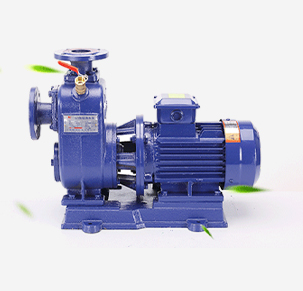
Heavy duty submersible pumps are centrifugal pumps specifically designed for submerged operation, typically within boreholes, wells, or tanks. They constitute a critical component within various industries including dewatering (construction, mining), wastewater treatment, oil & gas, and agriculture. Their technical positioning lies between standard centrifugal pumps and positive displacement pumps, offering a balance between high flow rates and the ability to handle abrasive solids. Core performance characteristics revolve around hydraulic efficiency, head (lift capacity), flow rate, solids handling capability, and operational lifespan under continuous submerged conditions. A major industry pain point is balancing pump longevity with the cost of replacement, particularly in abrasive environments. Furthermore, reliable sealing mechanisms to prevent motor ingress are crucial, as failures lead to costly downtime and environmental concerns. Selection hinges on accurately assessing the fluid's specific gravity, viscosity, solid content, and the required head and flow rate, often necessitating detailed hydraulic modeling.
Material Science & Manufacturing
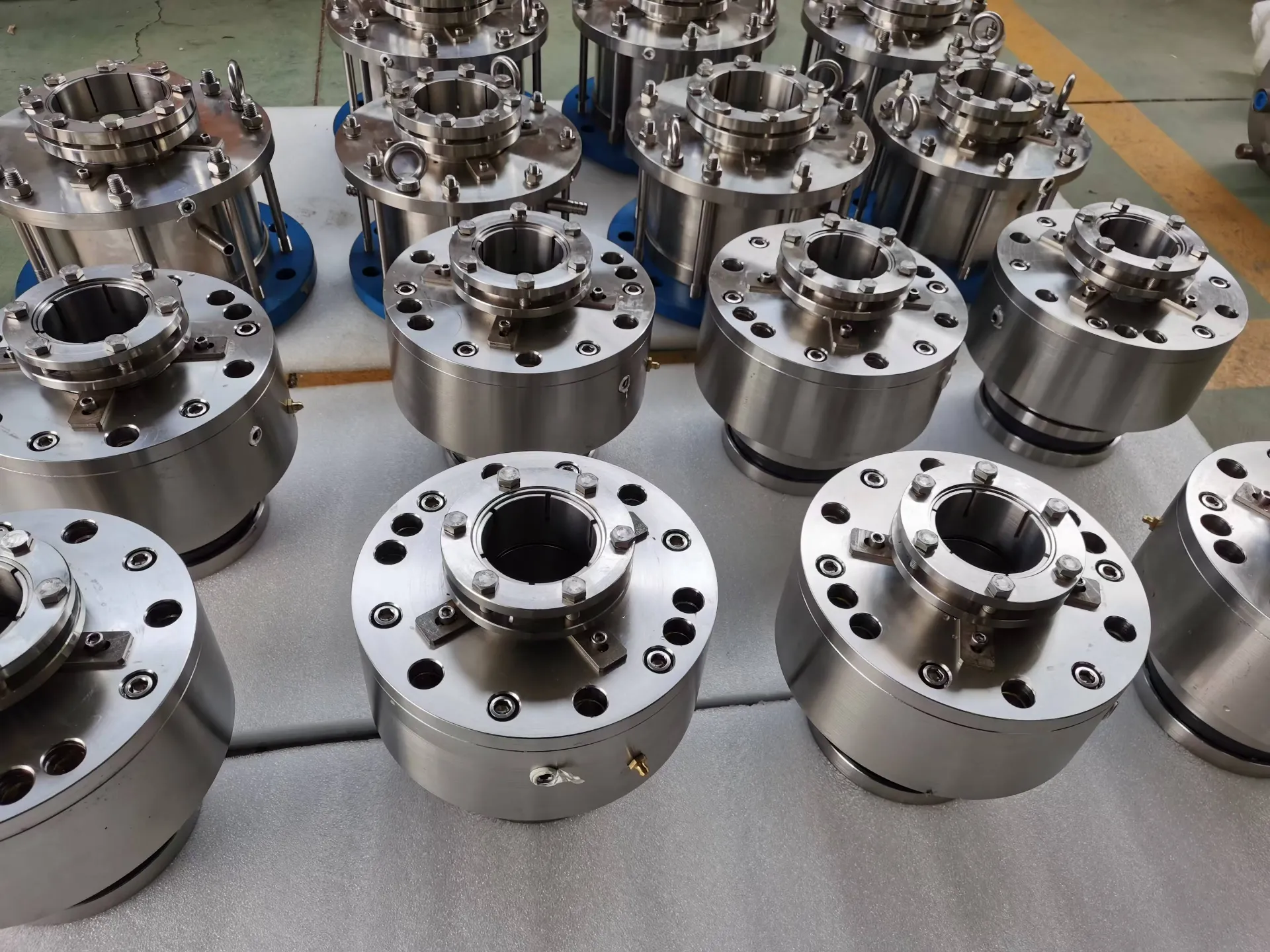
The construction of heavy duty submersible pumps relies heavily on materials resistant to corrosion and abrasion. Pump casings are frequently constructed from cast iron (ASTM A48 Class 30), ductile iron (ASTM A536-85), or stainless steel (304/316 – ASTM A743). Impeller materials typically include high-chrome cast iron for abrasive slurry applications, bronze (ASTM B584) for corrosion resistance, and stainless steel for demanding chemical environments. Shafts are commonly manufactured from high-strength alloy steel (4140 – ASTM A297) and hardened for torsional strength. Seals utilize materials such as nitrile rubber (NBR), Viton (FKM), or silicon carbide (SiC) depending on the fluid composition and temperature. The manufacturing process begins with casting or forging of the pump housing and impeller. Impellers undergo precision machining to achieve the desired hydrodynamic profile. Welding processes (SMAW, GMAW – AWS D1.1) are rigorously controlled to ensure structural integrity, particularly in the casing. Motor housings are generally aluminum alloy (ASTM B85) or cast iron. Parameter control focuses on dimensional accuracy of the impeller, surface finish of the casing to minimize friction losses, and the concentricity of the shaft within the bearings. Quality control includes non-destructive testing (NDT) like radiographic inspection (RT – ASTM E94) and ultrasonic testing (UT – ASTM E797) to detect internal flaws.
Performance & Engineering
Performance analysis of heavy duty submersible pumps centers on hydraulic efficiency, net positive suction head (NPSH) requirements, and power consumption. Force analysis involves calculating radial and axial thrust loads on the impeller and shaft, necessitating robust bearing design (deep groove ball bearings, tapered roller bearings – ISO 2811). Environmental resistance is critical, demanding consideration of fluid temperature, pH, and chemical compatibility. For example, acidic or alkaline fluids require chemically resistant materials like stainless steel or specialized polymers. Compliance requirements vary by region and application; for wastewater treatment, pumps must meet EPA standards for effluent discharge. Functional implementation involves proper selection of pump curves to match system head-flow characteristics. Pump sizing must account for frictional losses in the piping system (Darcy-Weisbach equation) and elevation changes. Motor selection is based on the required power output, considering the pump’s hydraulic power and motor efficiency (NEMA MG 1). Variable frequency drives (VFDs) are increasingly utilized to optimize pump performance and reduce energy consumption. A key pain point is cavitation, which occurs when the pressure drops below the liquid's vapor pressure, causing impeller damage; careful NPSH calculation is essential to prevent this.
Technical Specifications
| Parameter | Unit | Typical Range (Small Pump) | Typical Range (Large Pump) |
|---|---|---|---|
| Flow Rate | m³/h | 0.5 - 20 | 50 - 500 |
| Head (Lift) | m | 5 - 50 | 100 - 300 |
| Motor Power | kW | 0.75 - 7.5 | 15 - 150 |
| Maximum Solid Handling Size | mm | 5 - 10 | 50 - 100 |
| Impeller Material | - | High-Chrome Cast Iron | Stainless Steel (316) |
| Casing Material | - | Ductile Iron | Stainless Steel (304/316) |
Failure Mode & Maintenance
Common failure modes for heavy duty submersible pumps include impeller wear (due to abrasion), bearing failure (due to overloading or contamination), seal failure (leading to motor ingress), and winding burnout (in the motor). Fatigue cracking in the impeller or casing can occur due to cyclical loading. Delamination of protective coatings (e.g., epoxy) can expose the underlying metal to corrosion. Oxidation of electrical components reduces insulation resistance. Maintenance strategies revolve around preventative measures. Regular inspection of the power cable and seals is crucial. Lubrication of bearings (following manufacturer’s specifications – ISO 3448) extends their lifespan. Monitoring motor current and temperature detects potential winding issues. For abrasive applications, scheduled impeller replacement is necessary. Pump performance monitoring (flow rate, head) identifies degradation trends. In case of failure, root cause analysis is essential to prevent recurrence. This often involves disassembly, visual inspection, and materials testing (metallurgical analysis – ASTM E3). Flushing the pump periodically removes accumulated solids and debris, particularly in wastewater applications. Utilizing condition monitoring techniques like vibration analysis (ISO 10816) can predict impending failures.
Industry FAQ
Q: What is the impact of solids concentration on pump selection?
A: Higher solids concentration necessitates pumps with hardened impellers (high-chrome cast iron) and wider impeller passages to prevent clogging. The pump’s solids handling capacity (maximum particle size) must exceed the largest particle in the slurry. Increased solids concentration also reduces hydraulic efficiency and accelerates impeller wear.
Q: How do I determine the appropriate NPSH for a specific application?
A: NPSH available (NPSHa) must always be greater than NPSH required (NPSHr) by the pump. NPSHa is calculated based on system pressure, fluid temperature, and elevation. NPSHr is a pump-specific characteristic provided by the manufacturer. Insufficient NPSHa leads to cavitation.
Q: What is the best material for a pump handling sulfuric acid?
A: For sulfuric acid, stainless steel alloys with high molybdenum content (e.g., 316L, Alloy 20 – ASTM A240) are recommended due to their superior corrosion resistance. Specific alloy selection depends on the acid concentration and temperature. Polymeric materials like PTFE may also be suitable for lower concentrations.
Q: How does the viscosity of the fluid affect pump performance?
A: Higher viscosity increases frictional losses within the pump and piping system, reducing flow rate and efficiency. It also increases power consumption. Pump curves are typically provided for water-like fluids; adjustments must be made for viscous fluids using correction factors.
Q: What are the common causes of motor failure in submersible pumps?
A: Common causes include seal failure leading to water ingress, winding insulation breakdown due to overheating or moisture, and bearing failure. Regular monitoring of motor current, temperature, and vibration can help detect potential issues early on. Proper cable connections and grounding are also critical.
Conclusion
Heavy duty submersible pumps represent a sophisticated engineering solution for fluid transfer in demanding environments. Their performance is fundamentally dictated by careful materials selection, precise manufacturing processes, and accurate hydraulic design. Understanding the potential failure modes – stemming from abrasion, corrosion, or electrical issues – is crucial for implementing effective preventative maintenance strategies. The ability to accurately assess application-specific parameters (fluid properties, head requirements, solids content) is paramount for optimal pump selection and long-term operational reliability.
Moving forward, advancements in pump design will likely focus on enhanced materials (e.g., ceramic-reinforced polymers) to further improve abrasion resistance, increased motor efficiency through advanced winding technologies, and the integration of intelligent monitoring systems for predictive maintenance. Adherence to international standards ensures consistent quality and performance, minimizing risks and maximizing the return on investment for industrial operators. The continuous optimization of these pumps will remain critical for diverse applications across multiple sectors.
-
Comprehensive Guide to Waterproof ORings for Optimal Sealing Solutions
News2026-06-09
-
heavy duty submersible pump Performance Analysis
News2026-06-25
-
best submersible pump for septic tank Performance Analysis
News2026-06-25
-
basement sewer ejector pump Performance Analysis
News2026-06-25
-
basement pumps ejector pumps Performance Analysis
News2026-06-25
-
basement lift pump Performance and Engineering
News2026-06-25
-
basement bathroom pump systems Performance Analysis
News2026-06-24
-
basement bathroom ejector pump system Performance Engineering
News2026-06-24
-
2 hp sewage pump Performance Engineering
News2026-06-24
-
1 hp septic pump Performance Engineering
News2026-06-24
-
submersible effluent pump Performance Analysis
News2026-06-24
-
submergable pump Material Science
News2026-06-23
-
sewer injection pump Performance Engineering
News2026-06-23
-
Sewer Ejector Pump System Performance Analysis
News2026-06-23
-
septic tank pump for sale Performance Engineering
News2026-06-23




