English
- Afrikaans
- Albanian
- Amharic
- Arabic
- Armenian
- Azerbaijani
- Basque
- Belarusian
- Bengali
- Bosnian
- Bulgarian
- Catalan
- Cebuano
- Corsican
- Croatian
- Czech
- Danish
- Dutch
- English
- Esperanto
- Estonian
- Finnish
- French
- Frisian
- Galician
- Georgian
- German
- Greek
- Gujarati
- Haitian Creole
- hausa
- hawaiian
- Hebrew
- Hindi
- Miao
- Hungarian
- Icelandic
- igbo
- Indonesian
- irish
- Italian
- Japanese
- Javanese
- Kannada
- kazakh
- Khmer
- Rwandese
- Korean
- Kurdish
- Kyrgyz
- Lao
- Latin
- Latvian
- Lithuanian
- Luxembourgish
- Macedonian
- Malgashi
- Malay
- Malayalam
- Maltese
- Maori
- Marathi
- Mongolian
- Myanmar
- Nepali
- Norwegian
- Norwegian
- Occitan
- Pashto
- Persian
- Polish
- Portuguese
- Punjabi
- Romanian
- Russian
- Samoan
- Scottish Gaelic
- Serbian
- Sesotho
- Shona
- Sindhi
- Sinhala
- Slovak
- Slovenian
- Somali
- Spanish
- Sundanese
- Swahili
- Swedish
- Tagalog
- Tajik
- Tamil
- Tatar
- Telugu
- Thai
- Turkish
- Turkmen
- Ukrainian
- Urdu
- Uighur
- Uzbek
- Vietnamese
- Welsh
- Bantu
- Yiddish
- Yoruba
- Zulu

Telephone: +86 13120555503
Email: frank@cypump.com


Apr . 01, 2024 17:55 Back to list
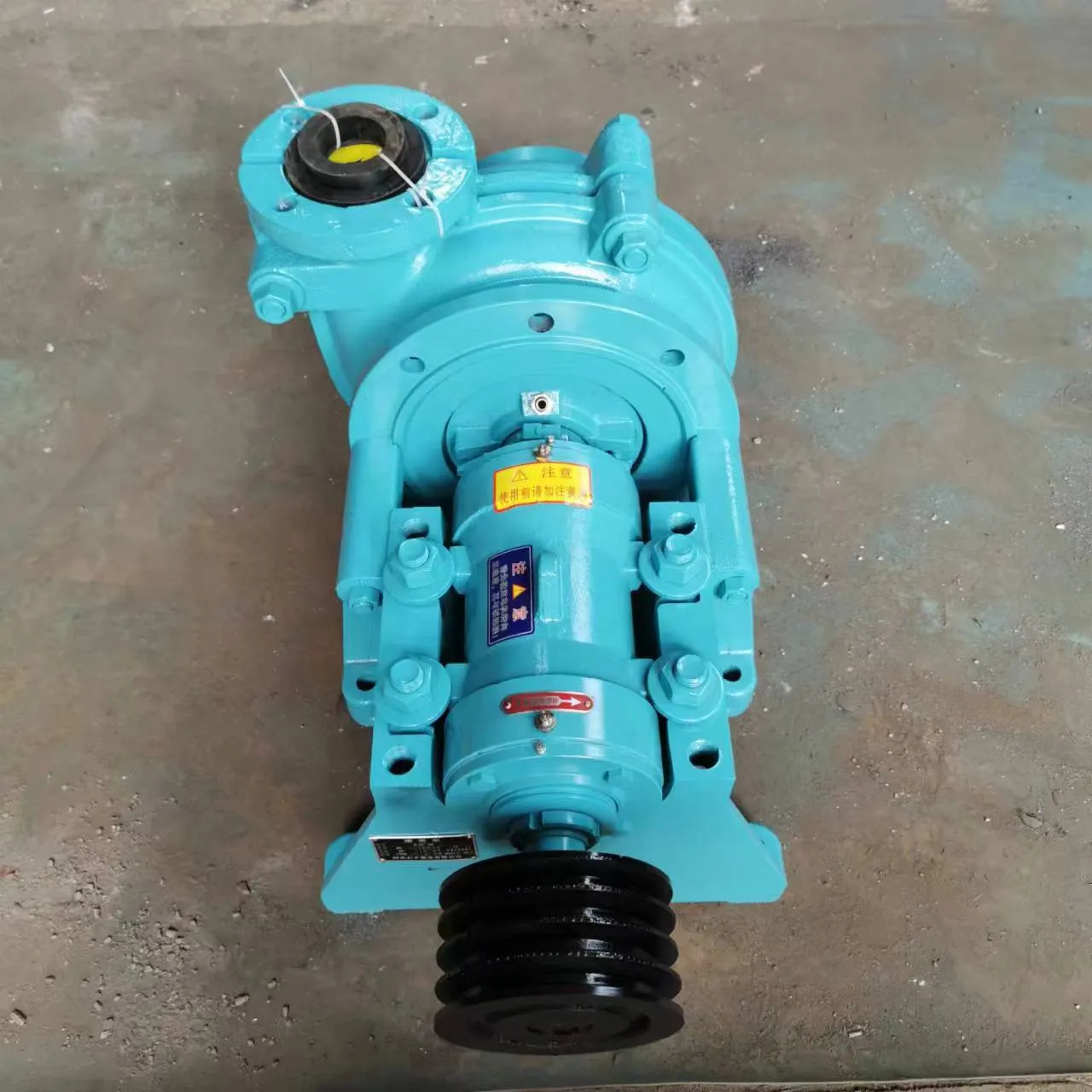
Hart slurry pumps efficiently handle abrasive fluids Performance Analysis
Introduction
Hart slurry pumps are engineered for the robust and continuous transfer of highly abrasive fluids across a diverse range of industrial applications. Positioned as critical components within mineral processing, wastewater treatment, dredging, and chemical processing industries, these pumps are distinguished by their ability to withstand significant wear and maintain operational efficiency despite the presence of suspended solids. Unlike conventional centrifugal pumps which are rapidly degraded by abrasive particles, Hart slurry pumps employ specialized designs and materials to mitigate erosion and maximize service life. Core performance characteristics include high flow rates at substantial heads, resistance to abrasion, corrosion, and impact, and the capability to handle fluids with varying solids concentrations. Their selection is paramount for minimizing downtime, reducing maintenance costs, and ensuring consistent process performance in challenging fluid handling environments.
Material Science & Manufacturing
The construction of Hart slurry pumps relies heavily on materials selected for their exceptional resistance to abrasive wear and corrosion. Pump casings are commonly manufactured from high-chrome cast iron (typically 27-30% chromium content) which offers superior hardness and abrasion resistance compared to standard cast iron. Impeller materials include similarly high-chrome alloys, or in severe abrasive applications, white iron alloys (with high iron carbide content) offering even greater wear resistance albeit with lower toughness. Shaft materials are typically alloy steels, such as 4140 or 4340, heat treated for high tensile strength and fatigue resistance. Elastomeric liners, often made from natural rubber or synthetic rubbers like EPDM or neoprene, are frequently used to protect the pump casing from impact and corrosion. The manufacturing process begins with precision casting of the casing and impeller, followed by meticulous machining to ensure tight tolerances and accurate hydrodynamic profiles. Weldments are utilized in larger pump constructions, requiring stringent quality control of welding procedures (SMAW, GMAW) and non-destructive testing (radiographic inspection, ultrasonic testing) to prevent defects. The impeller's hydraulic design, critical for efficiency and wear resistance, is generated using computational fluid dynamics (CFD) simulations to optimize flow patterns and minimize turbulence. Liners are vulcanized or mechanically bonded to the casing, ensuring a secure and durable interface. Parameter control during manufacturing focuses on alloy composition verification, hardness testing, dimensional accuracy, and surface finish to maintain consistent material properties and performance.
Performance & Engineering
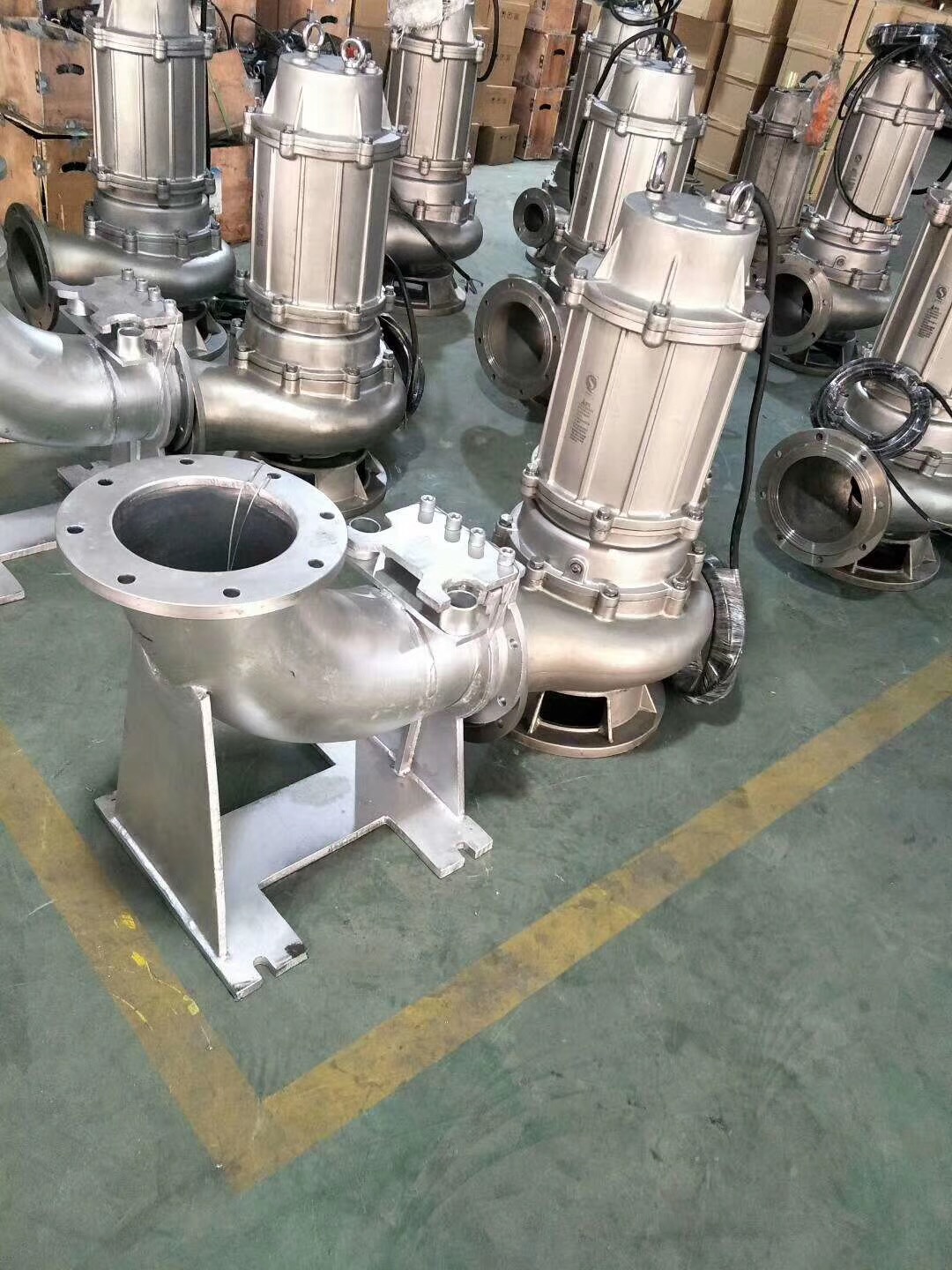
Performance of Hart slurry pumps is governed by principles of fluid mechanics and abrasion resistance. Force analysis focuses on hydrostatic forces exerted by the fluid, dynamic forces induced by impeller rotation, and impact forces from solid particles. Cavitation, a major concern in centrifugal pumps, is mitigated through careful impeller design and Net Positive Suction Head Required (NPSHr) calculations. Pump curves, generated through hydraulic testing, illustrate the relationship between flow rate, head, power consumption, and efficiency. Environmental resistance is critical; pumps operating in corrosive environments require specialized materials and coatings (e.g., epoxy coatings, ceramic linings) to prevent degradation. Compliance requirements include adherence to Hydraulic Institute (HI) standards for pump performance testing and classification, and potentially API 610 for specific process applications. The design of the pump’s volute casing is optimized to convert velocity energy into pressure energy efficiently, while minimizing turbulence that can accelerate erosion. Impeller geometry (vane angle, blade thickness) is tailored to the specific abrasive characteristics of the fluid, optimizing wear life and hydraulic performance. Shaft seals (mechanical seals or packing glands) are engineered to prevent leakage and protect the bearings from abrasive ingress. Bearing selection is based on load calculations, speed, and operating temperature, with options including rolling element bearings or hydrodynamic bearings. Proper pump system design, including piping layout and valve selection, is crucial to minimize pressure losses and ensure optimal pump performance.
Technical Specifications
| Parameter | Unit | Typical Range (Small Pump) | Typical Range (Large Pump) |
|---|---|---|---|
| Flow Rate | m³/hr | 5 - 50 | 200 - 1000 |
| Total Head | m | 10 - 30 | 50 - 150 |
| Maximum Solids Size | mm | 6 - 25 | 25 - 75 |
| Solids Concentration (Max) | % by weight | 20 - 30 | 50 - 70 |
| Pump Casing Material | - | High Chrome Iron (27%) | High Chrome Iron (30%) / Alloy Steel |
| Impeller Material | - | High Chrome Iron (27%) | White Iron / High Chrome Iron (30%) |
| Power | kW | 1.5 - 7.5 | 30 - 150 |
Failure Mode & Maintenance
Hart slurry pumps are susceptible to several failure modes, primarily related to abrasive wear and corrosion. Common failures include impeller erosion, casing wear, shaft seal failure, and bearing failure. Impeller erosion occurs due to the impact of abrasive particles, leading to a reduction in pump efficiency and head. Casing wear, particularly in areas exposed to direct particle impingement, results in increased clearances and reduced volumetric efficiency. Shaft seal failure can occur due to abrasive particles damaging the seal faces, causing leakage and potential contamination. Bearing failure is often caused by abrasive ingress, leading to premature wear and fatigue. Fatigue cracking can also occur in highly stressed components, particularly in weldments. Preventative maintenance is crucial, including regular inspection of wear components (impeller, casing, liners), lubrication of bearings, and replacement of seals at scheduled intervals. Monitoring pump performance parameters (flow rate, head, power consumption) can identify early signs of degradation. Periodic vibration analysis can detect bearing wear or imbalance. When replacing wear components, using materials with improved abrasion resistance can extend service life. Proper system operation, avoiding excessive speeds or solids concentrations, can also minimize wear. Regular cleaning of the pump casing and impeller can prevent buildup of abrasive deposits. In case of failure, detailed failure analysis (metallurgical examination, fracture surface analysis) is recommended to determine the root cause and implement corrective actions.
Industry FAQ
Q: What differentiates Hart slurry pumps from standard centrifugal pumps when handling abrasive slurries?
A: Standard centrifugal pumps are rapidly eroded by abrasive particles due to the high velocities and turbulent flow patterns within the impeller and casing. Hart slurry pumps are specifically designed to mitigate this erosion through features like high-chrome alloys, replaceable wear liners, optimized impeller geometry, and lower operating speeds, resulting in significantly extended service life when handling abrasive fluids.
Q: How does the choice of impeller material impact pump performance and longevity in highly abrasive applications?
A: Impeller material is critical. High-chrome iron alloys offer a good balance of abrasion resistance and toughness for moderate abrasive applications. However, for extremely abrasive slurries, white iron alloys provide superior wear resistance, albeit with reduced toughness. Selecting the appropriate material based on the slurry’s characteristics (particle size, hardness, concentration) is essential for maximizing impeller life and maintaining pump efficiency.
Q: What are the key considerations for shaft seal selection in abrasive slurry applications?
A: Shaft seal selection is crucial to prevent leakage and protect the bearings. Mechanical seals are generally preferred over packing glands for abrasive slurries due to their superior sealing performance and reduced maintenance requirements. Double mechanical seals with a barrier fluid system are often used in severe applications to provide enhanced protection against abrasive ingress and prevent seal failure.
Q: How often should wear liners be inspected and replaced in a Hart slurry pump?
A: The inspection frequency of wear liners depends on the abrasiveness of the slurry and the pump's operating conditions. A visual inspection should be performed at least every six months, or more frequently in severe applications. Liners should be replaced when they exhibit significant wear or thinning, as this can lead to reduced pump efficiency and increased maintenance costs. Measuring liner thickness using ultrasonic testing can provide a more accurate assessment of wear.
Q: What are the typical maintenance procedures recommended for extending the life of a Hart slurry pump?
A: Recommended maintenance procedures include regular lubrication of bearings, inspection and replacement of shaft seals, inspection and replacement of wear liners, monitoring pump performance parameters (flow, head, power), vibration analysis, and periodic cleaning of the pump casing and impeller. Implementing a preventative maintenance program based on the pump's operating conditions and slurry characteristics is crucial for maximizing service life and minimizing downtime.
Conclusion
Hart slurry pumps represent a critical engineering solution for industries demanding reliable fluid transfer in abrasive environments. Their robust design, coupled with strategic material selection and optimized hydraulic performance, enables consistent operation and minimized life-cycle costs. Understanding the interplay between material science, manufacturing precision, and operational parameters is fundamental to achieving optimal pump performance and preventing premature failure.
Looking ahead, advancements in materials technology, such as ceramic composites and novel alloy formulations, promise to further enhance the abrasion resistance and durability of slurry pumps. Integrating predictive maintenance strategies leveraging sensor data and machine learning algorithms will also play an increasingly important role in optimizing pump operation and preventing unscheduled downtime. Continued innovation in pump design and system integration will be essential for meeting the evolving demands of increasingly challenging industrial applications.
-
Precision at the Pump: How Better Machining Protects Flow and Uptime
News2026-11-20
-
Why Pump Reliability Begins Before the First Drop of Fluid
News2026-11-20
-
Beyond the Pump: Designing Safer Access Around Critical Water Infrastructure
News2026-11-20
-
Why Pumping Stations Depend on the Infrastructure Beneath the Pumps
News2026-11-20
-
Beyond the Pump Room: How Smarter Loading Protects Industrial Equipment
News2026-11-19
-
When Pumps Stop: Designing More Resilient Power for Critical Pumping Systems
News2026-11-19
-
The Hidden Role of Dust and Gas Monitoring in Reliable Pump Operations
News2026-11-19
-
The Hidden Role of Mineral Compounds in Extending Industrial Pump Lifespan
News2026-10-12
-
Why Pump System Reliability Depends on Precision Hose Assembly Methods
News2026-09-15
-
How Advanced Imaging Films Are Transforming Pump Component Quality Control
News2026-08-25
-
How Advanced Filtration Protects Pump Systems from Premature Wear and Costly Downtime
News2026-08-25
-
How Steel Material Selection Drives Pump Reliability in Heavy-Duty Systems
News2026-08-25
-
Ensuring Pump System Efficiency: The Role of High-Quality Pipe Fittings and Tubing
News2026-08-24
-
Optimizing Fluid Dynamics and Material Consistency in Industrial Processing
News2026-08-18
-
Innovations and Challenges in Hydraulic Systems for Heavy Machinery
News2026-08-13




