English
- Afrikaans
- Albanian
- Amharic
- Arabic
- Armenian
- Azerbaijani
- Basque
- Belarusian
- Bengali
- Bosnian
- Bulgarian
- Catalan
- Cebuano
- Corsican
- Croatian
- Czech
- Danish
- Dutch
- English
- Esperanto
- Estonian
- Finnish
- French
- Frisian
- Galician
- Georgian
- German
- Greek
- Gujarati
- Haitian Creole
- hausa
- hawaiian
- Hebrew
- Hindi
- Miao
- Hungarian
- Icelandic
- igbo
- Indonesian
- irish
- Italian
- Japanese
- Javanese
- Kannada
- kazakh
- Khmer
- Rwandese
- Korean
- Kurdish
- Kyrgyz
- Lao
- Latin
- Latvian
- Lithuanian
- Luxembourgish
- Macedonian
- Malgashi
- Malay
- Malayalam
- Maltese
- Maori
- Marathi
- Mongolian
- Myanmar
- Nepali
- Norwegian
- Norwegian
- Occitan
- Pashto
- Persian
- Polish
- Portuguese
- Punjabi
- Romanian
- Russian
- Samoan
- Scottish Gaelic
- Serbian
- Sesotho
- Shona
- Sindhi
- Sinhala
- Slovak
- Slovenian
- Somali
- Spanish
- Sundanese
- Swahili
- Swedish
- Tagalog
- Tajik
- Tamil
- Tatar
- Telugu
- Thai
- Turkish
- Turkmen
- Ukrainian
- Urdu
- Uighur
- Uzbek
- Vietnamese
- Welsh
- Bantu
- Yiddish
- Yoruba
- Zulu

Telephone: +86 13120555503
Email: frank@cypump.com


Apr . 01, 2024 17:55 Back to list
harbor freight clear water pump Material Science Manufacturing
Introduction
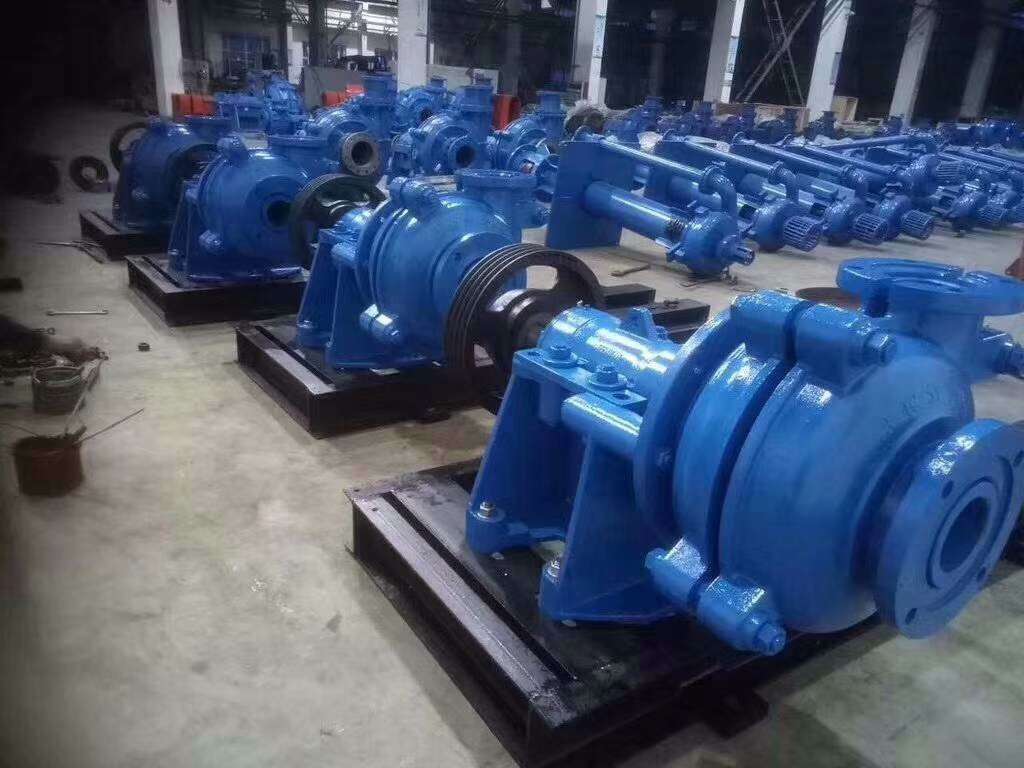
The Harbor Freight Clear Water Pump represents a cost-effective solution for non-potable water transfer applications. Typically deployed in construction, agriculture, and emergency dewatering, these pumps operate by utilizing centrifugal force to move water containing minimal solids. Their position within the fluid handling industry chain is characterized by being an entry-level product often utilized for temporary or intermittent needs, differentiating them from higher-end, continuous-duty pumps. Core performance characteristics center around flow rate (gallons per hour), total dynamic head (TDH – the maximum height the pump can lift water), and maximum particle size handling. These pumps are not designed for abrasive or chemically aggressive fluids and are primarily intended for clear water or water with very limited suspended solids. A key industry pain point this pump addresses is the need for affordable and readily available water transfer capacity where precise or continuous operation is not critical.
Material Science & Manufacturing
The majority of Harbor Freight clear water pumps utilize housings constructed from polypropylene (PP) or high-density polyethylene (HDPE). These materials are selected due to their resistance to corrosion from water and affordability. Polypropylene exhibits a tensile strength ranging from 25-45 MPa and a flexural modulus of 1.5-2.0 GPa. HDPE offers a slightly higher tensile strength of 30-50 MPa and a flexural modulus of 1.8-2.5 GPa. Impellers are commonly fabricated from polypropylene or ABS plastic, providing sufficient rigidity for moderate flow rates. Shafts are typically constructed of carbon steel, often coated with a corrosion-resistant layer like zinc plating or epoxy. Manufacturing processes primarily involve injection molding for the housing and impeller components. The injection molding process requires precise temperature control (typically 200-250°C for PP and HDPE) and mold pressure (60-100 MPa) to ensure dimensional accuracy and prevent warping. Motor housings are typically aluminum die-cast, followed by powder coating for protection. Assembly involves mechanically fastening components with stainless steel screws and utilizing rubber gaskets for sealing. Critical parameters controlled during manufacturing include impeller balancing to minimize vibration and runout, and leak testing to verify seal integrity. Chemical compatibility is a crucial factor – prolonged exposure to certain solvents or oils can lead to plastic degradation and pump failure. The pump's mechanical seal, typically a ceramic/carbon combination, is critical for preventing leakage and requires precise lapping and assembly to ensure proper function.
Performance & Engineering
Performance of the Harbor Freight clear water pump is dictated by its centrifugal design. The pump's theoretical head is derived from the Euler pump equation, considering impeller diameter, rotational speed, and water velocity. However, actual performance is significantly affected by hydraulic losses due to friction within the impeller, volute, and piping. Force analysis involves assessing the radial and axial loads on the impeller shaft, supported by bearings. Bearing selection is critical, typically utilizing ball bearings with appropriate load ratings. Environmental resistance is limited; these pumps are generally designed for operation within a temperature range of 0-40°C. Exposure to freezing temperatures can cause damage to the pump housing and impeller. The pumps typically meet basic electrical safety standards (UL/CSA), but may not have specific certifications for potable water applications. Engineering considerations involve ensuring adequate motor cooling through convection and potentially a fan. The volute casing design is optimized to efficiently convert velocity energy into pressure energy. Compliance requirements for discharge water often dictate the need for filtration systems if the water is being discharged into public waterways. The pump’s inlet suction lift capability is a crucial engineering parameter, often limited to around 25 feet, as exceeding this limit can cause cavitation and damage the impeller. Strainers are often integrated to prevent larger debris from entering the pump and causing blockage or damage.
Technical Specifications
| Model Number | Maximum Flow Rate (GPH) | Maximum Head (ft) | Motor Power (HP) |
|---|---|---|---|
| 68887 | 396 | 85 | 0.5 |
| 68889 | 800 | 60 | 1 |
| 68891 | 1100 | 90 | 1.5 |
| 68893 | 1700 | 100 | 2 |
| 68895 | 2600 | 65 | 2.5 |
| 68897 | 3500 | 75 | 3 |
Failure Mode & Maintenance
Common failure modes for Harbor Freight clear water pumps include impeller wear due to abrasion from limited solids, seal failure leading to leakage, motor overheating due to insufficient cooling or overload, and casing cracks from freezing temperatures or physical impact. Fatigue cracking can occur in the impeller if subjected to repeated shock loads from running dry. Delamination of the impeller blades can occur due to improper molding or material defects. Degradation of the rubber gaskets and seals is accelerated by exposure to UV radiation and ozone. Oxidation of the motor windings can occur over time, reducing motor efficiency and potentially leading to failure. Maintenance typically involves regular inspection of the impeller for wear, replacement of worn seals, cleaning of the pump housing to remove debris, and lubrication of the motor bearings. Preventative maintenance includes draining the pump during freezing weather to prevent ice damage. If the pump runs dry for an extended period, the mechanical seal can be damaged and must be replaced. Regularly checking the power cord for damage and ensuring proper grounding is also critical. Analyzing the pump’s performance curve over time can identify potential issues with impeller wear or internal leakage.
Industry FAQ
Q: What is the maximum particle size this pump can handle without damage?
A: This pump is designed for clear water and can handle particles up to approximately 1/8 inch (3mm) in diameter. Exceeding this limit can lead to impeller abrasion and reduced performance.
Q: Is this pump suitable for use with well water containing sediment?
A: No, this pump is not recommended for well water with significant sediment. The sediment will quickly wear down the impeller and seals, leading to premature failure. A submersible well pump with a sediment filter is a more appropriate choice.
Q: What is the typical lifespan of the mechanical seal in this pump?
A: The lifespan of the mechanical seal is dependent on operating conditions, but typically ranges from 500-1000 hours of continuous operation. Running the pump dry or handling abrasive fluids will significantly reduce the seal’s lifespan.
Q: Can this pump be used to drain a swimming pool?
A: While technically possible, it's not ideal. Pool chemicals can degrade the pump's components over time. Dedicated pool pumps are designed to handle these chemicals and offer better performance.
Q: What is the recommended suction hose diameter for optimal performance?
A: The recommended suction hose diameter is typically 1.5 inches. Using a smaller diameter hose will restrict flow and reduce pump performance. Ensure the hose is reinforced to prevent collapse under suction.
Conclusion
The Harbor Freight clear water pump provides a functional, albeit basic, solution for non-demanding water transfer tasks. Its affordability makes it suitable for infrequent use and applications where high performance or long-term durability are not primary concerns. Understanding the limitations of the materials used – primarily polypropylene and ABS plastics – and the potential failure modes is crucial for maximizing its service life. Regular maintenance and avoiding operation outside of its specified parameters (clear water, minimal solids, moderate temperatures) are essential.
In essence, this pump represents a tradeoff between cost and performance. For applications requiring continuous duty, abrasive fluid handling, or compatibility with chemically aggressive fluids, investing in a more robust and specialized pump is highly recommended. However, for intermittent tasks such as emptying a small pond or transferring water for irrigation, the Harbor Freight clear water pump can provide a cost-effective and readily available solution.
-
basement bathroom sewage pump Material Science Manufacturing
News2026-05-21
-
wastewater treatment plant pumps Material Science Manufacturing
News2026-05-21
-
waste water pump for basement Material Science Manufacturing
News2026-05-21
-
sump pump sewage Performance Analysis
News2026-05-21
-
sump pump for sewage Material Science and Manufacturing
News2026-05-21
-
sump pump for septic systems Material Science Manufacturing
News2026-05-20
-
sump pump and ejector pump Material Science Manufacturing
News2026-05-20
-
sewage treatment plant pumps Performance Analysis
News2026-05-20
-
sewage tank pump Material Science and Manufacturing
News2026-05-20
-
sewage pump for septic tank Performance Analysis
News2026-05-20
-
Sewage Pump and Tank Performance Analysis
News2026-05-19
-
Sewage Ejector Pump Replacement Performance Analysis
News2026-05-19
-
sewage ejector pump for basement bathroom Material Science Manufacturing
News2026-05-19
-
sewage ejection pump Material Science and Manufacturing
News2026-05-19
-
in line sewage pump Performance Analysis
News2026-05-19