English
- Afrikaans
- Albanian
- Amharic
- Arabic
- Armenian
- Azerbaijani
- Basque
- Belarusian
- Bengali
- Bosnian
- Bulgarian
- Catalan
- Cebuano
- Corsican
- Croatian
- Czech
- Danish
- Dutch
- English
- Esperanto
- Estonian
- Finnish
- French
- Frisian
- Galician
- Georgian
- German
- Greek
- Gujarati
- Haitian Creole
- hausa
- hawaiian
- Hebrew
- Hindi
- Miao
- Hungarian
- Icelandic
- igbo
- Indonesian
- irish
- Italian
- Japanese
- Javanese
- Kannada
- kazakh
- Khmer
- Rwandese
- Korean
- Kurdish
- Kyrgyz
- Lao
- Latin
- Latvian
- Lithuanian
- Luxembourgish
- Macedonian
- Malgashi
- Malay
- Malayalam
- Maltese
- Maori
- Marathi
- Mongolian
- Myanmar
- Nepali
- Norwegian
- Norwegian
- Occitan
- Pashto
- Persian
- Polish
- Portuguese
- Punjabi
- Romanian
- Russian
- Samoan
- Scottish Gaelic
- Serbian
- Sesotho
- Shona
- Sindhi
- Sinhala
- Slovak
- Slovenian
- Somali
- Spanish
- Sundanese
- Swahili
- Swedish
- Tagalog
- Tajik
- Tamil
- Tatar
- Telugu
- Thai
- Turkish
- Turkmen
- Ukrainian
- Urdu
- Uighur
- Uzbek
- Vietnamese
- Welsh
- Bantu
- Yiddish
- Yoruba
- Zulu

Telephone: +86 13120555503
Email: frank@cypump.com


Apr . 01, 2024 17:55 Back to list
good submersible sewage pump 20 hp Performance Analysis
Introduction
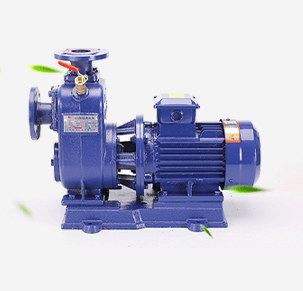
Submersible sewage pumps, particularly those rated at 20 horsepower (hp), represent a critical component in wastewater management for municipal, industrial, and commercial applications. These pumps are designed for fully submerged operation, efficiently transferring sewage, effluent, and other wastewater containing solids. Their position within the wastewater treatment chain is typically as the initial lifting and conveyance mechanism, moving raw sewage from collection points to treatment facilities. Core performance characteristics revolve around hydraulic efficiency (flow rate versus head), solids handling capability, motor protection, and long-term reliability in corrosive environments. A 20 hp submersible pump is commonly selected for medium-to-large scale pumping requirements, balancing power consumption with operational costs and system demands. The pump’s effectiveness is directly linked to its ability to prevent clogging, minimize wear, and maintain consistent output despite the often-abrasive nature of the pumped media. This technical guide provides a comprehensive overview of these pumps, encompassing material science, manufacturing, performance engineering, failure modes, and industry standards.
Material Science & Manufacturing
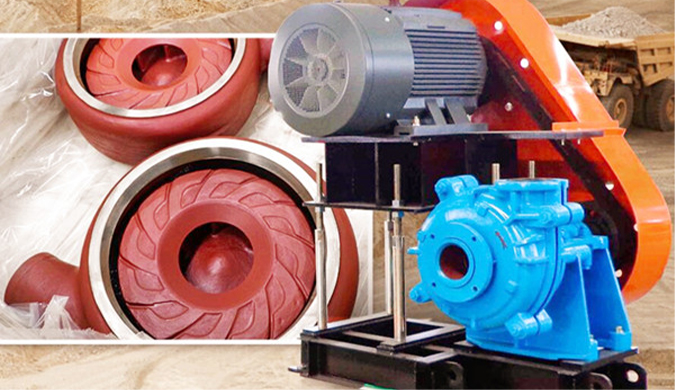
The construction of a 20 hp submersible sewage pump necessitates careful material selection to withstand the harsh operating environment. Pump casings are frequently constructed from cast iron (ASTM A48 Class 30) due to its cost-effectiveness, durability, and resistance to corrosion when appropriately coated. However, for highly corrosive environments, stainless steel alloys (316 or duplex stainless steel) are preferred, offering superior resistance to chlorides and sulfides. Impeller materials commonly include high-chrome cast iron or hardened stainless steel, selected for abrasion resistance and erosion resistance from solids passage. Shaft materials are typically alloy steel (4140 or 4340) heat-treated to achieve high tensile strength and torsional rigidity. Mechanical seals are crucial, employing materials like silicon carbide faces against silicon carbide or tungsten carbide, coupled with elastomers like Viton or EPDM for compatibility with various sewage compositions. The pump’s motor housing is generally cast iron or stainless steel, and the windings are insulated with high-temperature epoxy resins. Manufacturing processes include sand casting for the casing and impeller, precision machining for the shaft and impeller balancing, robotic welding for structural integrity, and rigorous quality control procedures including non-destructive testing (NDT) like ultrasonic testing and radiographic inspection. Key parameter control during manufacturing includes impeller blade geometry adherence to design specifications (measured via coordinate measuring machines - CMM), seal face flatness and surface finish, and winding insulation resistance testing to ensure electrical safety and longevity.
Performance & Engineering
The performance of a 20 hp submersible sewage pump is characterized by its hydraulic efficiency, head-flow curve, and solids handling capability. Force analysis involves evaluating radial loads on the impeller shaft due to uneven flow distribution and axial thrust generated by the pump's volute design. These forces must be mitigated through bearing selection (typically deep-groove ball bearings or tapered roller bearings) and shaft support structures. Environmental resistance is paramount, necessitating robust sealing systems to prevent water ingress into the motor and bearing cavities. Motor cooling is achieved through oil-filled motor housings or jacketed cooling systems, dissipating heat generated during operation. Compliance requirements, dictated by regulatory bodies like the EPA and local municipalities, mandate specific performance standards for pump efficiency and discharge limits. Functional implementation details include the pump's impeller design (vortex, recessed, or open) which dictates its solids handling capacity. Vortex impellers are best for stringy solids, recessed impellers handle larger solids with reduced clogging risk, and open impellers are suited for abrasive slurries. Pump curves, generated through hydraulic testing (following ISO 9906 standards), illustrate the relationship between flow rate, head, power consumption, and efficiency. Proper system design, including pipe sizing and dynamic head calculations, is vital to ensure the pump operates within its optimal performance range.
Technical Specifications
| Parameter | Units | Typical Value (20 hp model) | Testing Standard |
|---|---|---|---|
| Rated Power | hp (kW) | 20 (14.9) | IEEE 450 |
| Voltage | V | 460/3/60 | NEMA MG 1 |
| Maximum Head | ft (m) | 120 (36.6) | ANSI/HI 1.6 |
| Maximum Flow Rate | GPM (L/min) | 600 (2271) | ANSI/HI 1.6 |
| Solids Handling Capacity | in (mm) | 3 (76) | Manufacturer Specification |
| Minimum Submergence | ft (m) | 12 (3.7) | Manufacturer Specification |
Failure Mode & Maintenance
Common failure modes in 20 hp submersible sewage pumps include motor burnout due to overheating or phase imbalance, mechanical seal failure leading to water ingress, impeller wear and erosion from abrasive solids, bearing failure from excessive loading or contamination, and winding insulation breakdown. Fatigue cracking in the pump casing or impeller can occur due to cyclic loading and stress corrosion. Delamination of protective coatings (epoxy or polyurethane) can accelerate corrosion. Oxidation of electrical connections causes increased resistance and heat generation. Failure analysis should incorporate visual inspection, oil analysis (for oil-filled motors), vibration analysis, and electrical insulation resistance testing. Professional maintenance includes regular inspection of seals, bearings, and windings; lubrication of bearings; cleaning of impellers and volutes to remove debris; and testing of electrical connections. Scheduled preventative maintenance, including periodic motor testing and seal replacement, can significantly extend the pump's service life. Promptly addressing leaks, unusual noises, or performance degradation is crucial to prevent catastrophic failure. The use of genuine replacement parts and adherence to manufacturer’s recommended maintenance schedules are essential for maintaining optimal performance and reliability.
Industry FAQ
Q: What is the impact of varying sewage composition on pump material selection?
A: Sewage composition varies significantly depending on the source (municipal, industrial, commercial). High sulfide content necessitates stainless steel or epoxy-coated cast iron to prevent microbiologically influenced corrosion (MIC). Abrasive solids require hardened impeller materials (high-chrome iron or stainless steel). Grease and oil content may require specialized seal materials and potentially heated motor options to maintain viscosity and prevent clogging.
Q: How does the pump's impeller type affect its solids handling capabilities?
A: Vortex impellers are best for stringy or fibrous materials as they create a swirling motion that minimizes clogging. Recessed impellers can handle larger spherical solids but may have reduced efficiency. Open impellers are suitable for abrasive slurries but are more prone to clogging with fibrous materials.
Q: What are the key considerations for motor cooling in submersible pumps?
A: Motor cooling is critical to prevent overheating and failure. Oil-filled motors offer excellent heat dissipation but require regular oil monitoring for contamination. Jacketed cooling systems utilize the pumped liquid for cooling, requiring sufficient flow and clean liquid. Proper motor sizing and electrical protection (overload relays) are also vital.
Q: How can we mitigate the risk of mechanical seal failure?
A: Proper seal selection based on fluid compatibility is essential. Maintaining adequate lubrication, ensuring proper shaft alignment, and preventing abrasive particles from entering the seal are critical. Regular inspection and replacement of seals based on a preventative maintenance schedule are also recommended.
Q: What are the implications of operating a pump outside its specified head-flow curve?
A: Operating outside the optimal range can lead to reduced efficiency, increased energy consumption, cavitation, and premature wear. Operating at too high a head can overload the motor, while operating at too low a head can cause the pump to cycle on and off excessively, reducing its lifespan. A proper system analysis is crucial for pump selection and operation.
Conclusion
The 20 hp submersible sewage pump is a robust, yet complex, machine engineered for demanding wastewater applications. Successful implementation and longevity rely heavily on a thorough understanding of material science, manufacturing precision, and meticulous maintenance practices. The selection of appropriate materials resistant to corrosion and abrasion, coupled with adherence to stringent quality control during the manufacturing process, are foundational.
Addressing potential failure modes proactively through preventative maintenance programs and careful operational monitoring is crucial for maximizing return on investment and minimizing downtime. Staying abreast of evolving industry standards (ANSI/HI, IEEE, NEMA) and implementing best practices in system design and pump operation will ensure reliable and efficient wastewater management for years to come.
-
Precision at the Pump: How Better Machining Protects Flow and Uptime
News2026-11-20
-
Why Pump Reliability Begins Before the First Drop of Fluid
News2026-11-20
-
Beyond the Pump: Designing Safer Access Around Critical Water Infrastructure
News2026-11-20
-
Why Pumping Stations Depend on the Infrastructure Beneath the Pumps
News2026-11-20
-
Beyond the Pump Room: How Smarter Loading Protects Industrial Equipment
News2026-11-19
-
When Pumps Stop: Designing More Resilient Power for Critical Pumping Systems
News2026-11-19
-
The Hidden Role of Dust and Gas Monitoring in Reliable Pump Operations
News2026-11-19
-
The Hidden Role of Mineral Compounds in Extending Industrial Pump Lifespan
News2026-10-12
-
Why Pump System Reliability Depends on Precision Hose Assembly Methods
News2026-09-15
-
How Advanced Imaging Films Are Transforming Pump Component Quality Control
News2026-08-25
-
How Advanced Filtration Protects Pump Systems from Premature Wear and Costly Downtime
News2026-08-25
-
How Steel Material Selection Drives Pump Reliability in Heavy-Duty Systems
News2026-08-25
-
Ensuring Pump System Efficiency: The Role of High-Quality Pipe Fittings and Tubing
News2026-08-24
-
Optimizing Fluid Dynamics and Material Consistency in Industrial Processing
News2026-08-18
-
Innovations and Challenges in Hydraulic Systems for Heavy Machinery
News2026-08-13




